Quick Answer
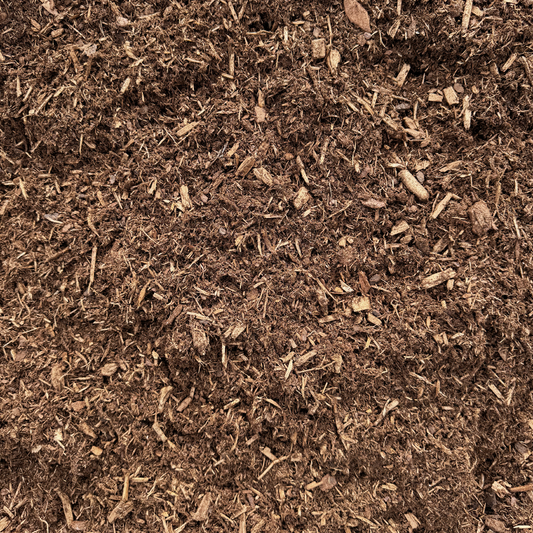
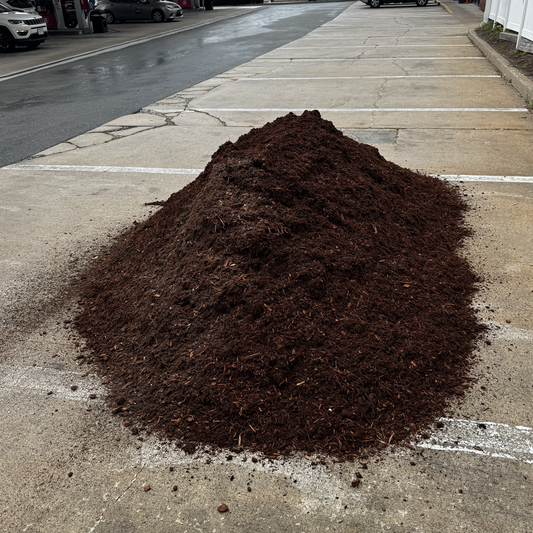
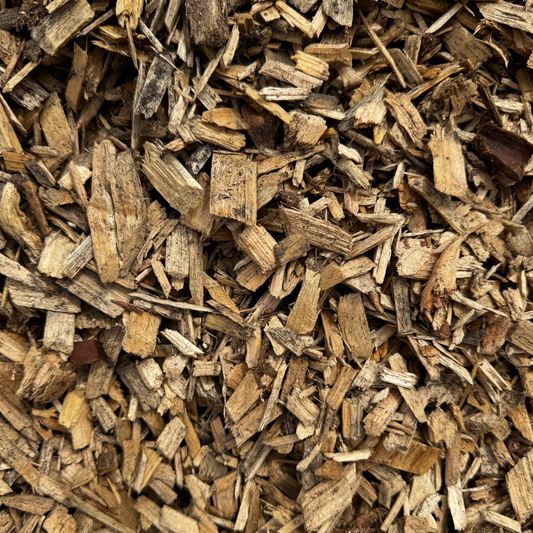
The five most useful jobs for Hardwood Mulch around a Somerville property: (1) foundation bed refresh at 2-inch depth, (2) tree-ring mulch (flat, never volcano), (3) vegetable garden pathways between raised beds, (4) side-yard ground cover under privacy plantings, and (5) play area underlayment with safe depth (note: for IPEMA-certified play surfaces, use Playground Mulch instead). A typical Somerville urban property uses 3–6 cubic yards of Hardwood Mulch per year across all five jobs.
Why Hardwood Mulch in Somerville
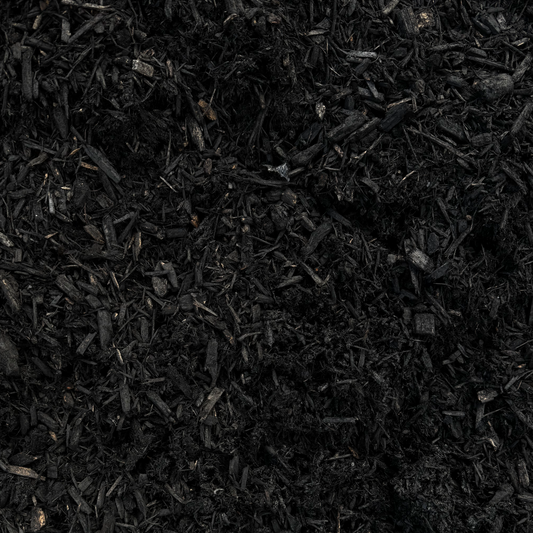
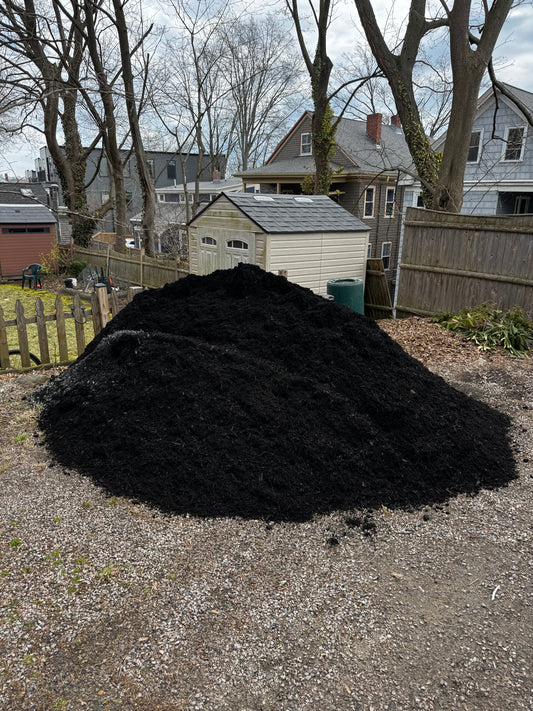
Somerville's small lot sizes and dense plantings make Hardwood Mulch the workhorse material for residential yards. From Davis Square triple-deckers to Winter Hill ranch homes, the same medium-brown bulk hardwood serves five distinct purposes — and ordering one type for the whole property simplifies delivery scheduling.
The five uses below cover roughly 80% of typical Somerville mulch demand.
1. Foundation Bed Refresh
Volume: 1–2 cubic yards for a typical 30-foot foundation strip Depth: 2 inches refresh on existing beds; 3 inches for new beds
The classic Somerville foundation bed is 3–4 feet wide × 25–40 feet long wrapping the front and one side of the house. Annual Hardwood Mulch refresh:
- Maintains crisp curb appeal
- Suppresses spring weeds before they establish
- Moderates soil moisture for hydrangeas, hostas, and shade perennials
- Hides irrigation drip lines and last year's plant debris
For the parallel decorative-stone alternative, see 5 Decorative Stone Picks for Boston Foundation Beds. For most Somerville foundation beds, Hardwood Mulch is the standard pick — stone is the premium upgrade.
2. Tree-Ring Mulch
Volume: 0.1 cubic yards per mature tree at 3-foot ring radius Depth: 2 inches, flat — never volcano
Tree-ring mulch around mature street trees and yard trees:
- Protects bark from mower and trimmer damage
- Maintains soil moisture through summer drought
- Suppresses turf competition at the root zone
The critical rule: mulch must be flat and pulled back 2–3 inches from the trunk. Volcano mulch (pyramid piles around the trunk) causes bark rot, encourages girdling adventitious roots, and shortens tree life by years. UMass Extension and ISA both treat volcano mulching as malpractice.
For neighbor context on tree-care basics that pair with proper ring mulching, see How to Make a Three-Cut Limb Removal in a Newton Yard.
3. Vegetable Garden Pathways
Volume: 0.5–1 cubic yard for a typical 4×8 raised-bed pathway grid Depth: 3 inches in pathways
Hardwood Mulch in 24–36 inch pathways between raised vegetable beds:
- Suppresses weeds in the high-traffic zone
- Prevents mud during rain
- Builds soil organic matter under the path over years
- Easy to refresh annually as it decomposes
For Somerville urban gardeners running 2–4 raised beds in a small backyard, the pathway mulch volume is comparable to the bed soil volume. Order both together for delivery efficiency.
For the parallel raised-bed soil math, see Top 5 Raised Bed Soil Layers for Watertown Vegetable Gardens. Browse the mulch collection for current per-yard rates and the Somerville landscape supply page for delivery scheduling.
4. Side-Yard Ground Cover Under Privacy Plantings
Volume: 1–2 cubic yards for a typical 4×40-foot side-yard strip Depth: 3 inches
Many Somerville lots have a narrow side yard — 4–8 feet between the house and the property line — planted with arborvitae, holly, or yew for privacy screening. Hardwood Mulch under the privacy planting:
- Replaces the muddy bare-soil look with finished mulched bed
- Suppresses weeds that compete with shrub roots
- Moderates soil moisture during dry spells
Pull mulch back 6 inches from each shrub's main stem to prevent rot. Refresh every 18 months for a consistent appearance.
5. Play Area Underlayment (with Caveat)
Volume: Variable; depth 6 inches under playground equipment for safety standard Depth: 6+ inches for fall-zone safety; 3 inches for casual play areas
For certified play surfaces under residential swing sets and play structures, use IPEMA-certified Playground Mulch rather than standard Hardwood. Playground Mulch is sized and certified for fall-zone impact attenuation. See the mulch collection for the Playground Mulch product.
For casual play areas (a sandbox border, a child's reading nook in the backyard) without certified safety requirements, regular Hardwood Mulch works at 3-inch depth.
For neighbor context on the cool-season grass picks for the rest of the lawn around play areas, see Top 5 Cool-Season Grass Picks for Brookline Spring Repair. For the next-week Lexington 200 sq ft mulch yardage math, see How Many Cubic Yards of Mulch for a Lexington 200 sq ft Bed?. The 2026 follow-up on Watertown loam ordering sits at Order Loam in Watertown.
Total Order for a Typical Somerville Property
For a typical Somerville triple-decker or single-family home with all five uses:
| Use | Volume |
|---|---|
| 1 — Foundation refresh | 1.5 yd |
| 2 — Tree rings (3 trees) | 0.3 yd |
| 3 — Vegetable pathways | 0.75 yd |
| 4 — Side-yard cover | 1 yd |
| 5 — Play area | 0.5 yd |
Total: ~4 cubic yards ordered for the year.
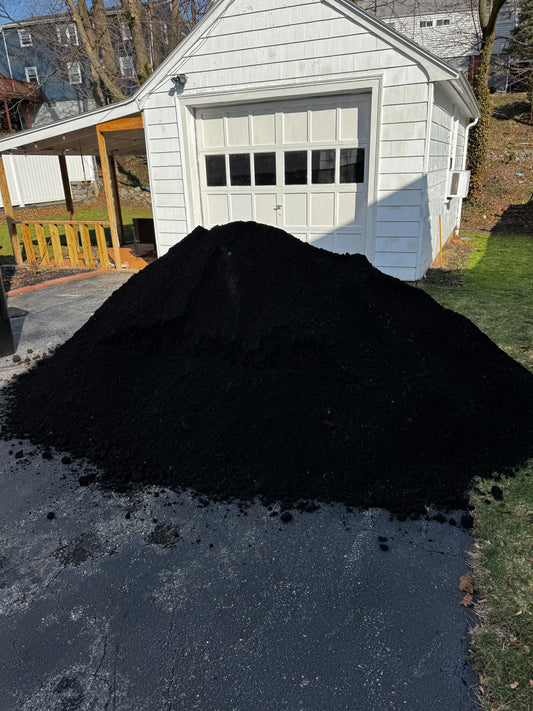
This volume fits comfortably on a single 14-yard delivery truck and pairs well with a co-delivered loam or compost order for raised beds.
When to Order in Somerville
For early-April spreading: order by February 28. The same pre-order playbook in How to Pre-Order Spring Mulch for a Worcester County Property applies in Somerville.
For region-specific mulch-application guidance, the UMass Extension Landscape, Nursery & Urban Forestry program is the authoritative source for Somerville-zone mulch depth, type selection, and seasonal timing.
The Short Version
For Somerville: one Hardwood Mulch order does five jobs around the property. Foundation bed refresh, tree rings (flat, not volcano), vegetable pathways, side-yard ground cover, and casual play area underlayment. Total annual volume ~4 yards. Order by Feb 28 for early-April delivery.