Quick Answer
The five raised-bed soil layers Watertown vegetable gardeners use, bottom to top: (1) drainage layer (cardboard or coarse gravel), (2) optional hugelkultur wood layer, (3) bulk loam fill (60% of total), (4) compost amendment (30%), and (5) mulch top-dress for the season. A 4×8×12 bed needs about 1.5 cubic yards of mix total. Layers 1 and 2 reduce loam volume; layers 3–4 do the work; layer 5 protects the surface from spring crusting.
Why Watertown Vegetable Beds Get Layered
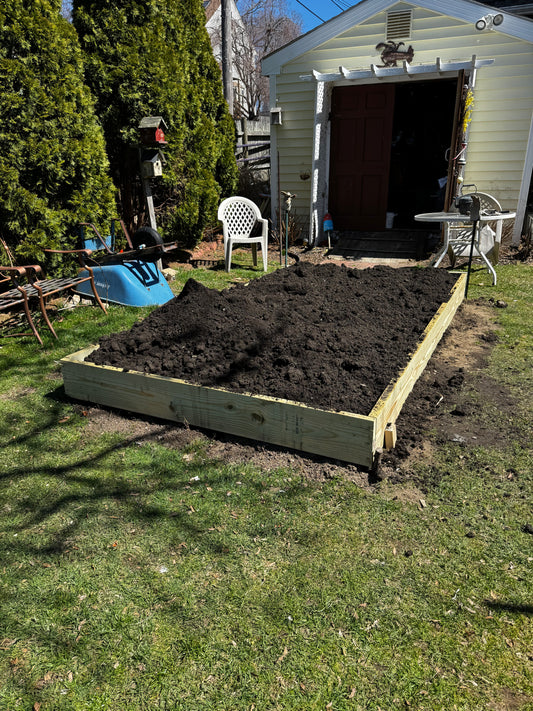
Watertown's small lot sizes drive intensive raised-bed gardening — most yards have 1–3 cedar 4×8 boxes that produce serious tomato, pepper, and lettuce crops in a tight footprint. Layering the bed correctly is what separates a five-year-productive bed from one that compacts and underperforms by year two.
Below: the five layers, in order, with the volumes and sources for a typical Watertown bed.
1. Bottom Drainage Layer
Material: Cardboard, newspaper, or 1–2 inches of coarse gravel Volume: Negligible (cardboard) or ~6 cubic feet for gravel in a 4×8 bed
The bottom layer suppresses weeds growing up through the bed and provides drainage. Two routes:
- Cardboard or 4–6 sheets of newspaper — the budget option. Breaks down within one season but does the weed-suppression job. Wet thoroughly before adding soil above.
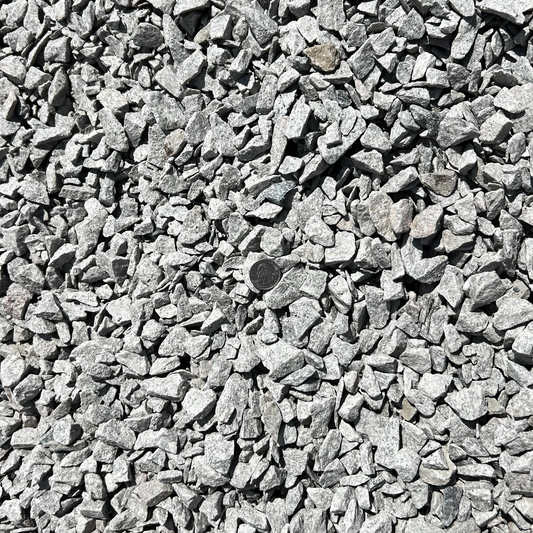
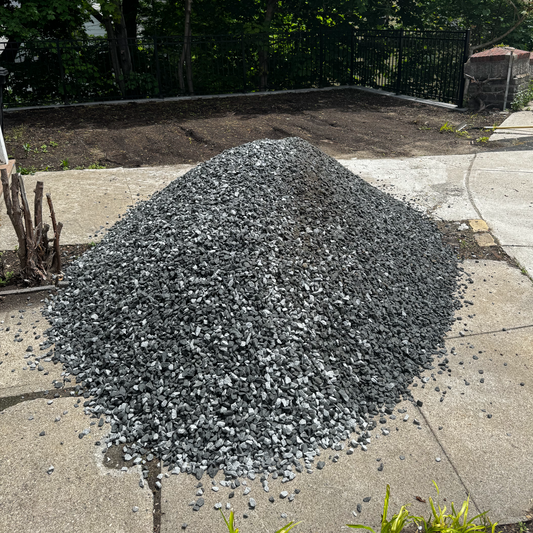
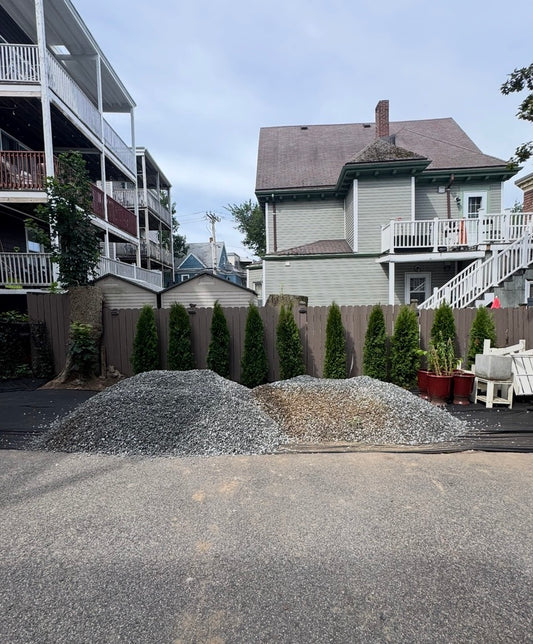
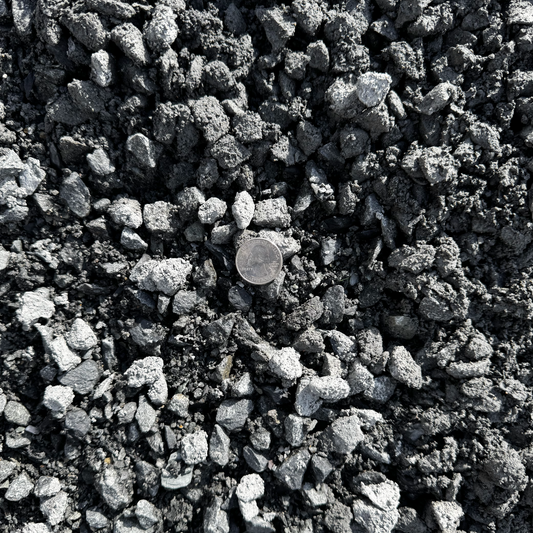
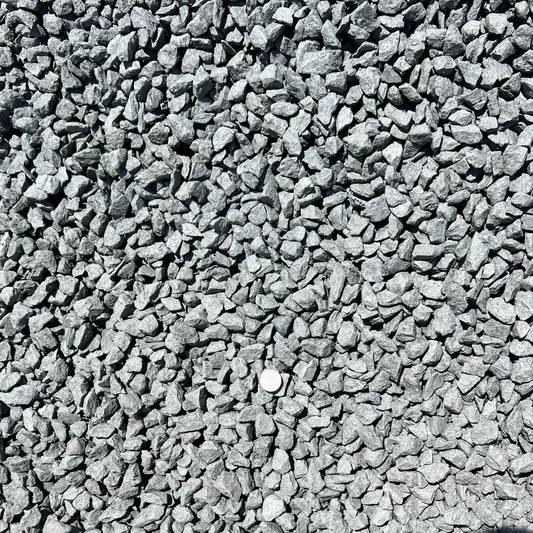
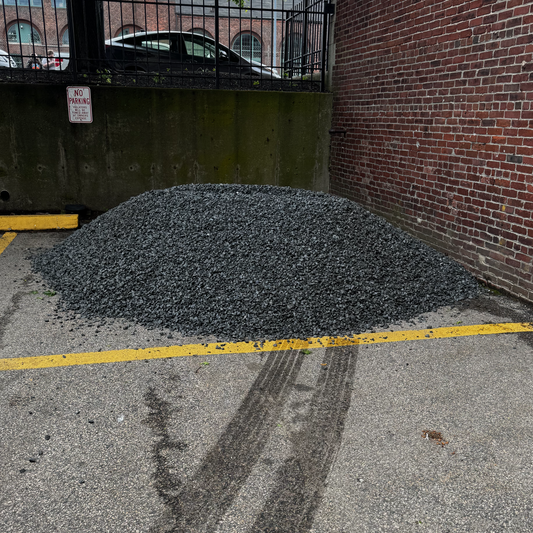
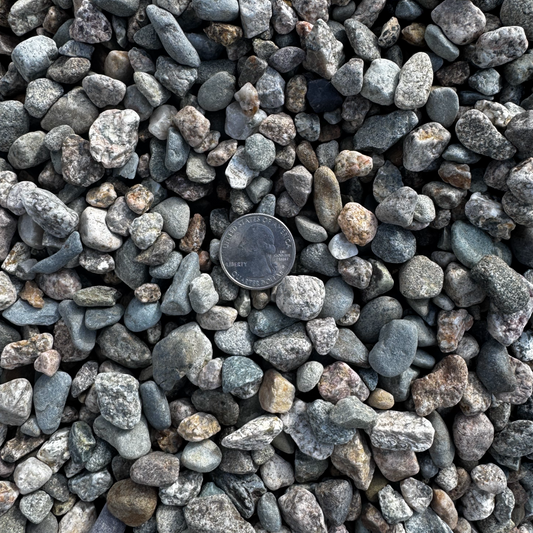
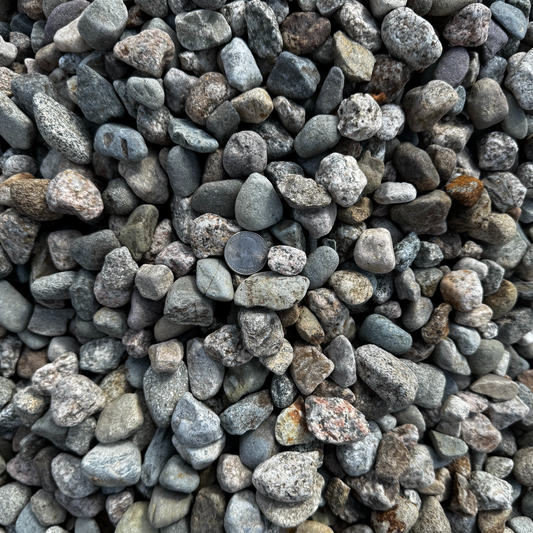
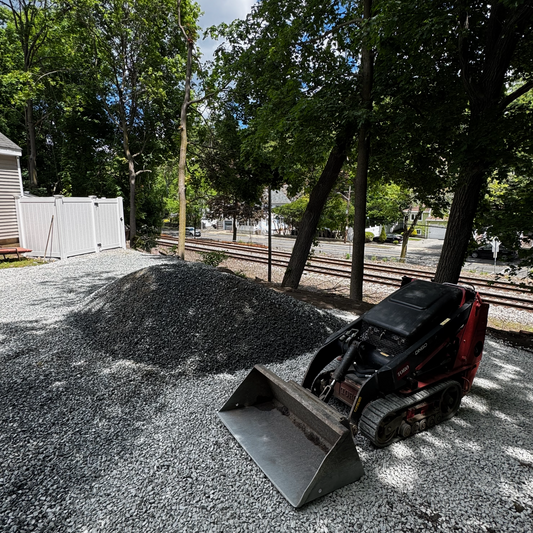
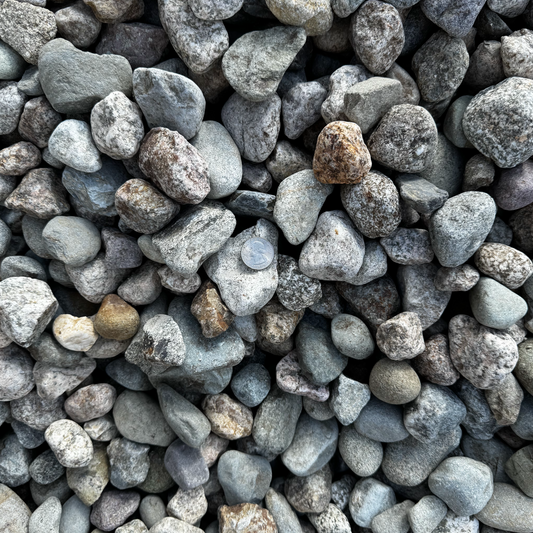
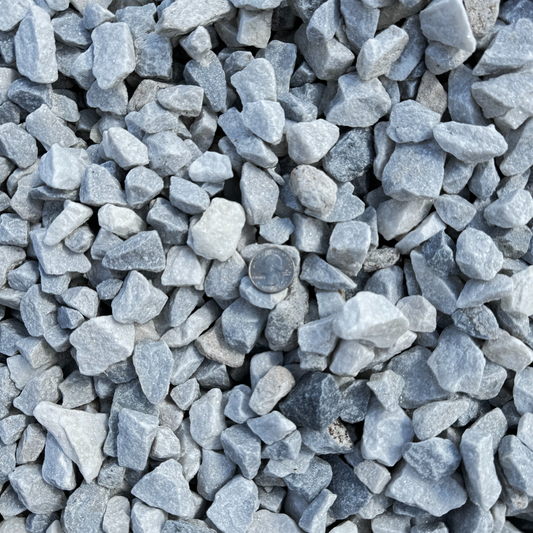
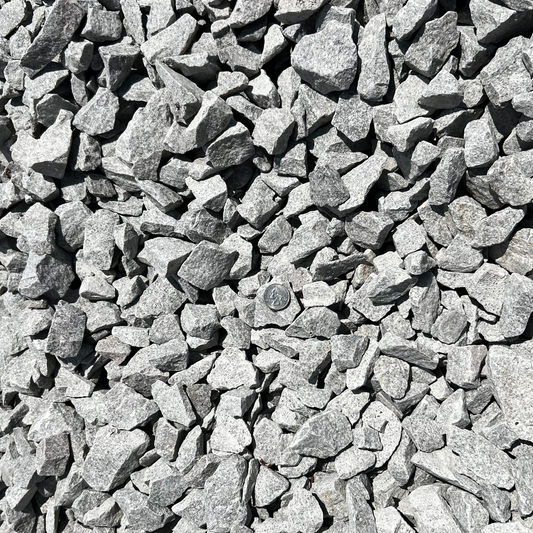
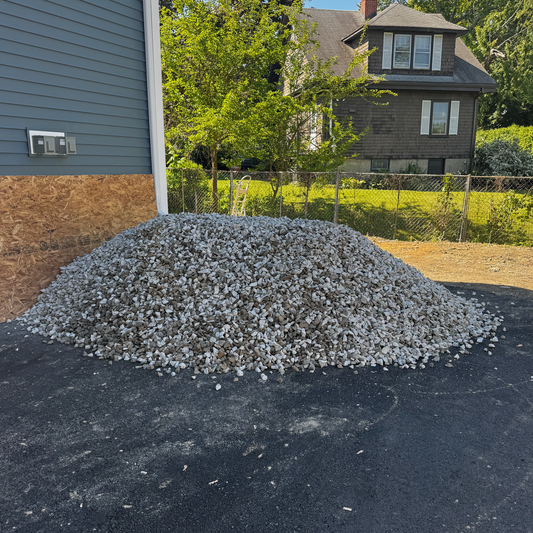
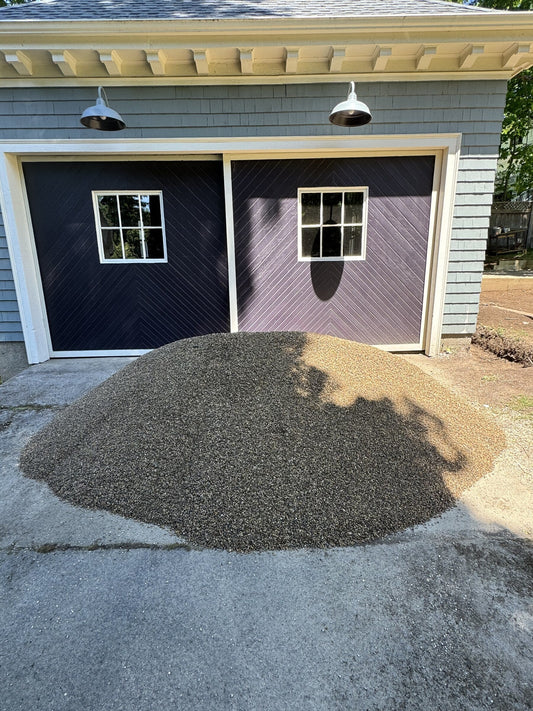
- Coarse gravel or Crushed Concrete 1" to minus — the heavy-drainage option. Useful for beds set on heavy clay or poorly draining ground. Adds 1–2 inches at the bottom, doesn't break down, helps long-term drainage. Browse crushed stone for the per-yard rates.
Most Watertown beds use cardboard. Gravel is for problem sites.
2. Hugelkultur Wood Layer (Optional)
Material: Logs, branches, leaves from spring cleanup Volume: Up to 50% of bed depth on 18–24" deep beds
Hugelkultur (German for "mound culture") layers logs, branches, and leaf debris at the base of a deep bed. As the wood decays over 5–7 years, it:
- Reduces bulk-soil need by 20–30%
- Releases slow-cycle nitrogen
- Holds water through dry spells
- Builds soil organic matter long-term
For a 24-inch deep bed, fill the bottom 12 inches with logs (4–6 inch diameter is ideal), then branches, then leaves. The top 12 inches gets the soil mix. Skip hugelkultur for shallow (12-inch) beds — there's no room for it.
3. Bulk Loam Fill (The Main Volume)
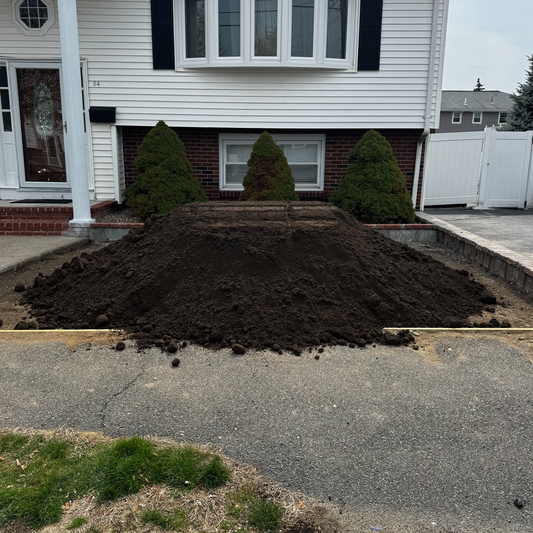
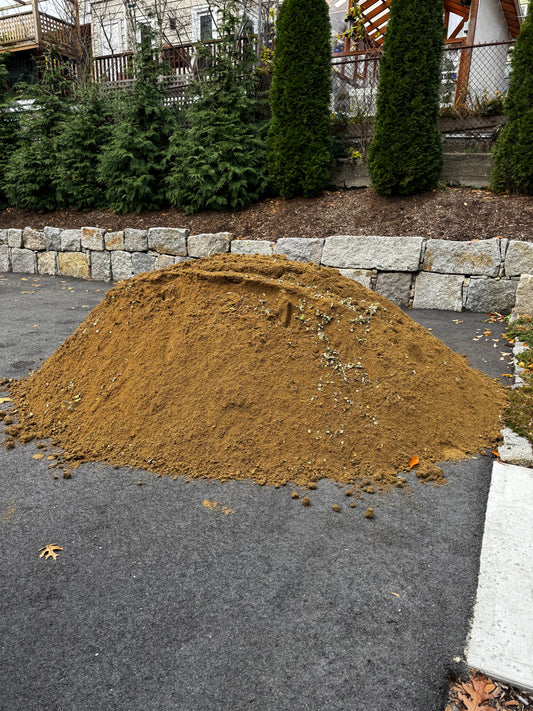
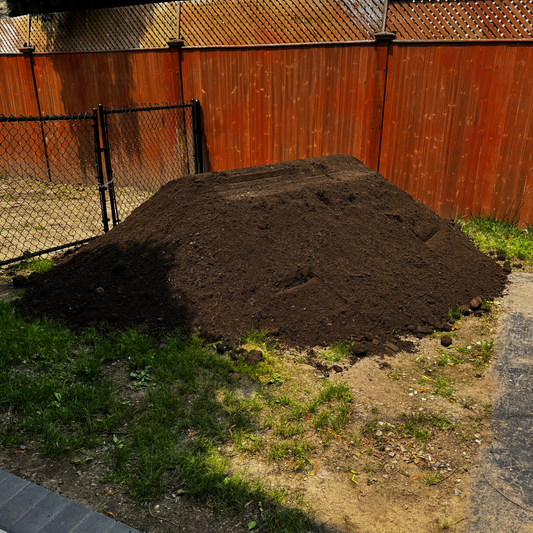
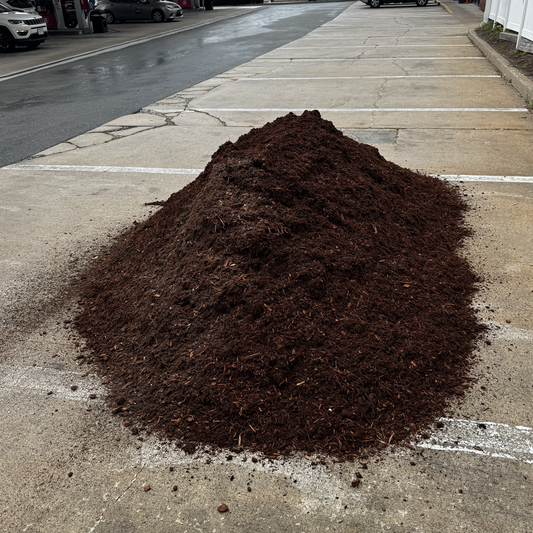
Material: Topsoil Loam ½" Screened or Super Loam Volume: ~60% of total fill, or about 0.9 cubic yards for a 4×8×12 bed
Loam is the main bulk of the bed. Order Topsoil Loam ½" Screened for general vegetable beds; Super Loam for premium high-yield beds. Both are bulk-delivered from Ottr Landscape Supply by the cubic yard.
For the math behind the loam volume, see How Much Bulk Loam Does My Middleborough Raised Bed Actually Need? — same formula applies in Watertown.
Browse the Raised Garden Bed Materials collection for both loam types and the Watertown landscape supply page for delivery scheduling.
4. Compost Amendment
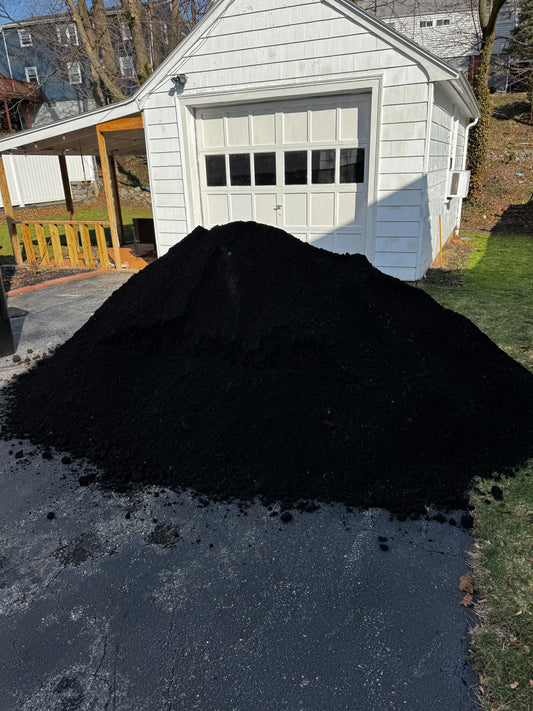
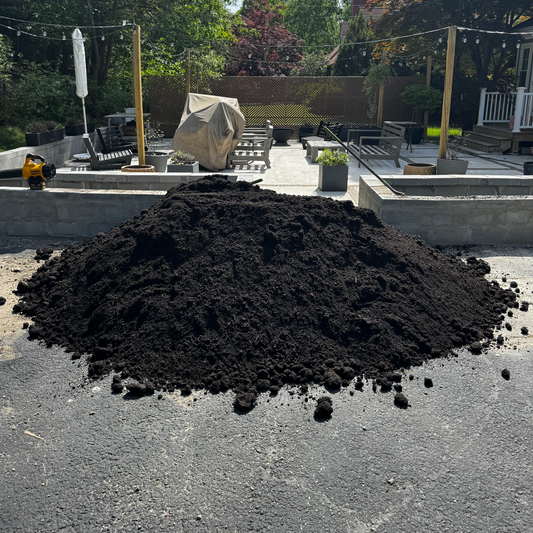
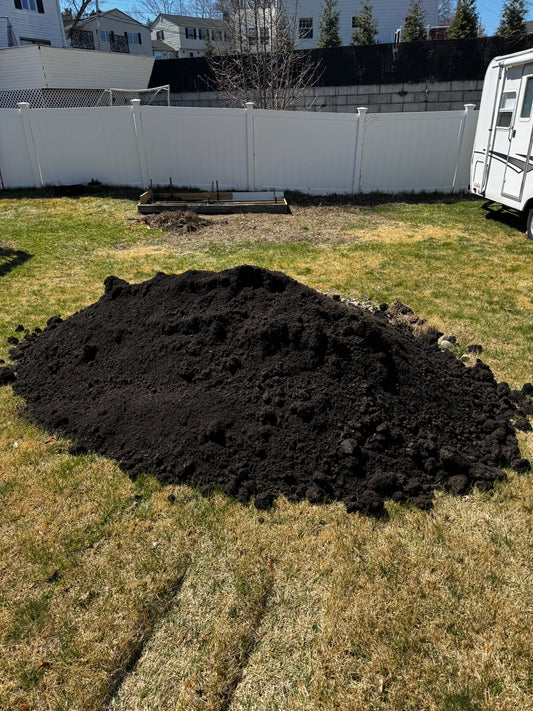
Material: Aged screened compost Volume: ~30% of total fill, or about 0.45 cubic yards for a 4×8×12 bed
Compost provides:
- Slow-release nutrients
- Organic matter that improves soil structure
- Microbial life that supports root health
- Water-holding capacity
The 30% compost fraction is the standard UMass Extension recommendation for vegetable raised beds. Mix the loam and compost before filling the bed, or layer in 4-inch lifts and rake between each layer.
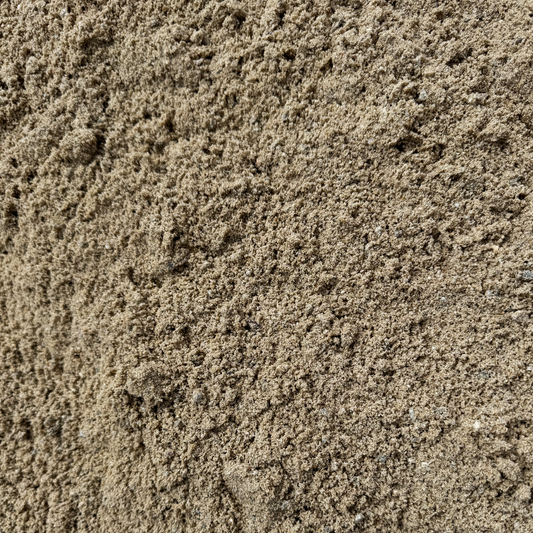
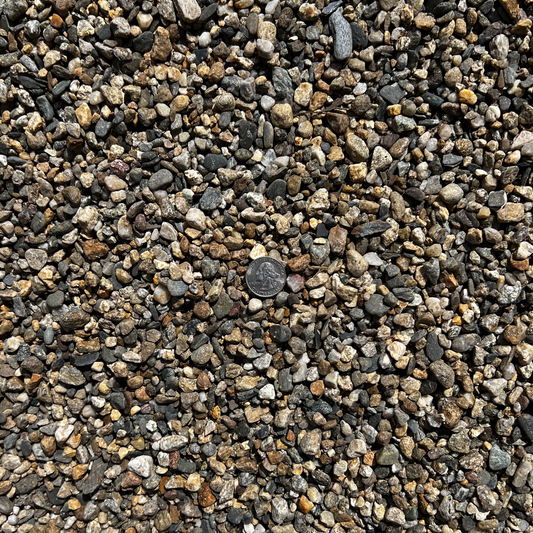
For bonus structure, add 10% Coarse Sand to the mix. The full 60/30/10 mix is the gold standard.
5. Mulch Top-Dress for the Season
Material: Hardwood Mulch, Pine Bark Mulch, or straw Volume: ~1 inch over the bed surface = 0.1 cubic yard for a 4×8
After planting, mulch the surface with 1 inch of fine mulch or clean straw:
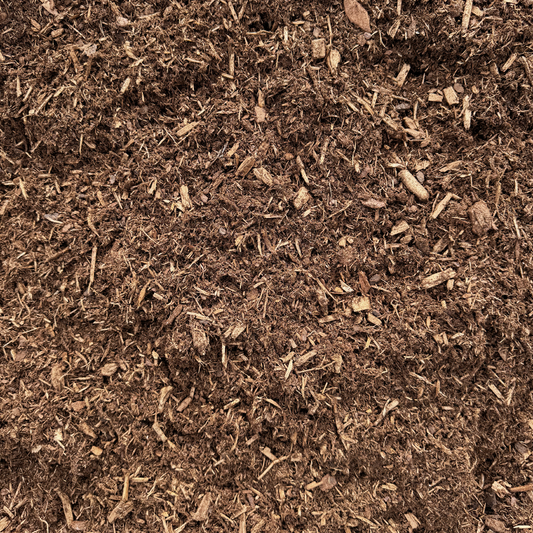
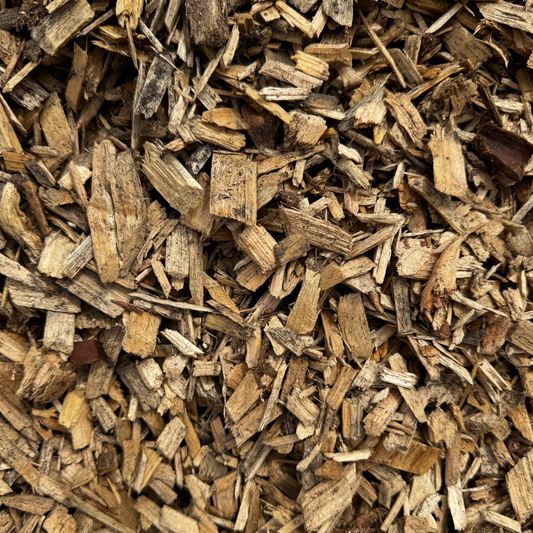
- Hardwood Mulch — durable, dark color, breaks down slowly
- Pine Bark Mulch — slight acidifier, ideal for tomatoes and peppers
- Straw — light, breaks down within a season, cheapest for big rotations
Mulch:
- Suppresses weeds
- Prevents soil splash on lower leaves (reduces blight pressure)
- Moderates soil moisture
- Adds organic matter as it decomposes
Browse the mulch collection for current per-yard rates. For neighbor context on the bypass-vs-saw tool decision tree relevant to bed-edge pruning, see Bypass Pruner or Pruning Saw for Plymouth County Shrubs?. For the parallel mulch-yardage math you'll use when topping the bed, see How to Calculate Hardwood Mulch Yardage for a Plymouth County Bed. The 2026 follow-up on cool-season grasses in Worcester sits at Grasses in Worcester for the lawn-side counterpart.
Total Order for a 4×8×12 Watertown Bed
| Layer | Material | Volume |
|---|---|---|
| 1 — Drainage | Cardboard | (free) |
| 2 — Wood | Skip on 12" beds | 0 |
| 3 — Loam | Topsoil Loam ½" Screened | 0.9 yd |
| 4 — Compost | Aged compost | 0.45 yd |
| (Bonus) | Coarse Sand | 0.15 yd |
| 5 — Mulch | Hardwood Mulch | 0.1 yd |
Total order: ~1.6 cubic yards. Plan for 1.5–1.75 to allow for settling.
For region-specific vegetable-bed guidance, the UMass Extension Vegetable Program has the most authoritative monthly task lists and variety recommendations for the Watertown growing season.