Quick Answer
For Duxbury fall beds, hemlock mulch wins for color and price ($45–55/yd typical), red cedar mulch wins for durability and aroma ($60–75/yd typical) — and the right pick depends on the bed. Hemlock's natural reddish-brown ages beautifully through October but breaks down in 12–18 months. Red cedar holds color and structure for 24 months and naturally repels some insects, justifying the 30–40% price premium for visible front-yard beds. Quick rule: hemlock for backyard mass plantings, cedar for front entries and high-visibility beds.
Why This Comparison Matters in Duxbury
Duxbury yards trend toward higher curb-appeal expectations than the eastern MA average — homes along Powder Point, Standish Shore, and Washington Street feature mature, manicured beds where mulch choice shows. The fall refresh decision drives the look that holds through Thanksgiving and into early spring. Hemlock and cedar are the two leading contenders.
For the related fall mulch refresh how-to, see How to Refresh Mulch for Fall in a Cape Cod Bed — same playbook applies in Duxbury. For the broader September demand context, September Mulch Demand in Norfolk County covers what's driving prices.
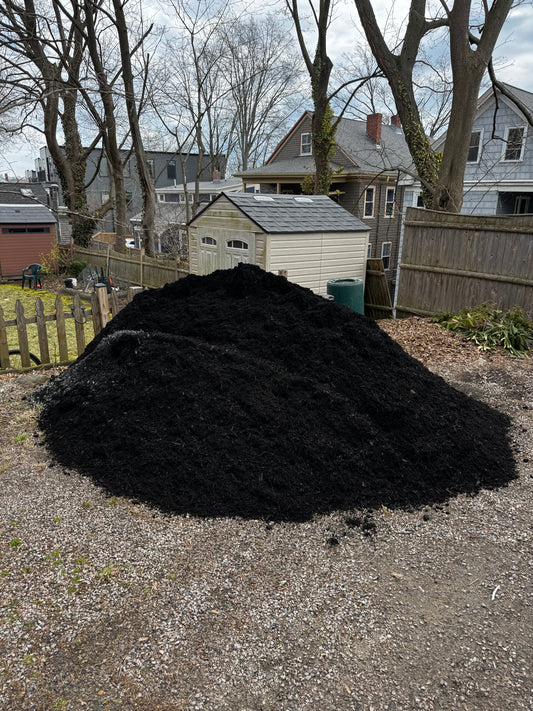
Hemlock Mulch: The All-Rounder
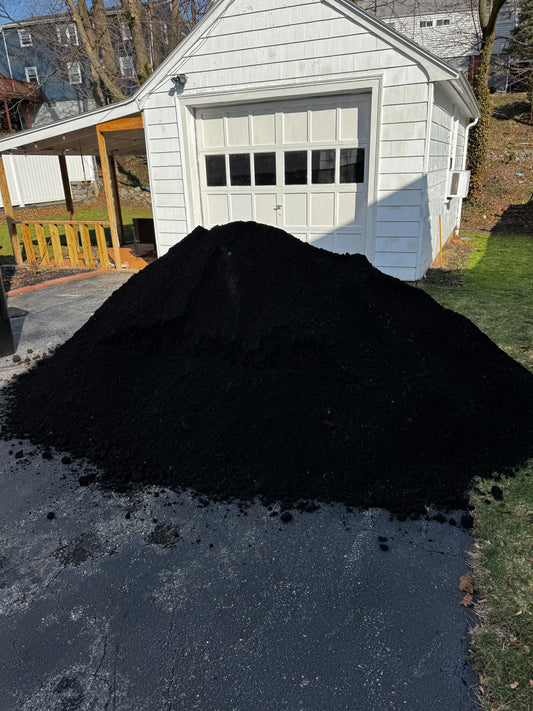
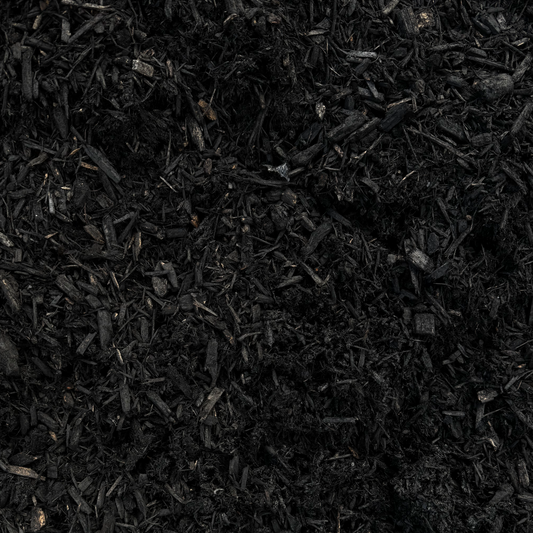
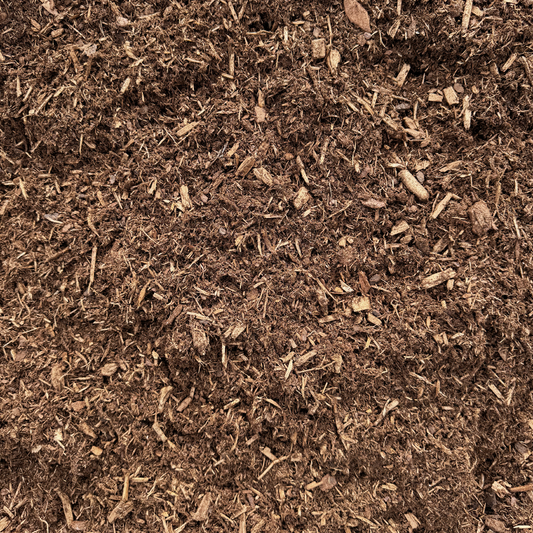
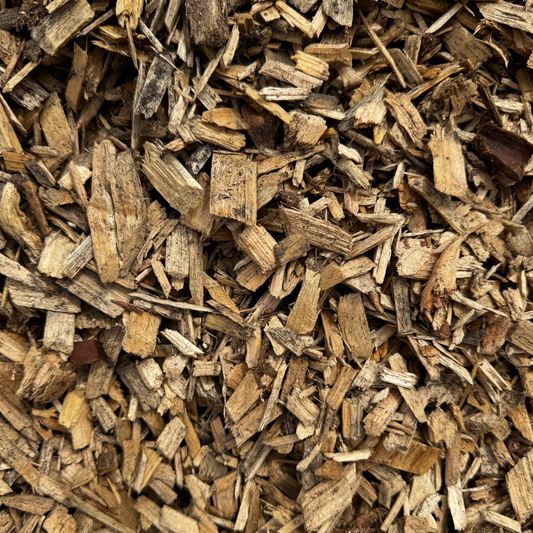
Color: Natural reddish-brown, deepens to chocolate-brown after 6–8 weeks of weathering. Lifespan in Duxbury beds: 12–18 months until next refresh needed. Price (typical, 2025): $45–55 per cubic yard delivered. Best for: Backyard mass plantings, foundation beds out of direct view, mixed-shrub beds. Pros: Natural color holds through October light, decomposes into soil-feeding organic matter, widely available. Cons: Needs annual refresh, can mat down in heavy beds, color fades faster than cedar in full sun.
Browse the mulch collection for current Hemlock Mulch pricing.
Red Cedar Mulch: The Premium Pick
Color: Bright reddish-orange when fresh, ages to silver-gray over 12 months (some homeowners love this, others don't). Lifespan in Duxbury beds: 24 months until next full refresh. Price (typical, 2025): $60–75 per cubic yard delivered. Best for: Front-entry beds, high-visibility planters, beds with deer-repelling needs. Pros: Naturally rot-resistant, naturally insect-repelling (cedar oils deter some pests), holds structure twice as long as hemlock, premium scent. Cons: 30–40% price premium, color fade to silver-gray surprises some homeowners, slightly less microbial decomposition (less "soil-feeding" benefit).
Browse the mulch collection for Red Cedar Mulch pricing — the Duxbury landscape supply routes show local delivery scheduling.
Side-by-Side: The Real-World Test
I refreshed two adjacent foundation beds at a Duxbury Hill Street property in October 2024 — one with hemlock, one with red cedar — and tracked how they aged. Notes from the comparison after 11 months:
| Factor | Hemlock | Red Cedar |
|---|---|---|
| Initial color (October) | Rich reddish-brown | Bright reddish-orange |
| 60-day color (December) | Chocolate-brown | Beginning silver fade |
| 6-month color (April) | Dark brown, partial decomposition | Silver-gray, intact structure |
| 11-month color (September) | Mostly decomposed, refresh needed | Silver-gray, still 70% intact |
| Insect activity in bed | Standard | Noticeably reduced |
| Cost over 24 months | $50/yd × 2 refreshes = $100/yd | $70/yd × 1 refresh = $70/yd |
Cost-per-month math: Cedar wins on a 24-month basis. Hemlock wins if you actually want the deep brown color (which only hemlock holds for the first 6 months).
When Hemlock Is the Right Pick
- Backyard mass plantings where you'll refresh annually anyway
- Mixed shrub beds where decomposition feeds the soil
- Budget projects where the per-yard saving compounds across large beds (over 5 cubic yards)
- Yards where the homeowner prefers brown to silver-gray aged tones
When Red Cedar Is the Right Pick
- Front-entry beds visible from the street
- Beds where you don't want to refresh in 12 months
- High-deer-pressure properties (Duxbury inland sees moderate pressure)
- Homeowners who want the cedar scent
For pine bark as a third option (especially for shrub beds), see the mulch bed refresh collection for Pine Bark Mulch — sometimes the right answer is neither hemlock nor cedar.
The Duxbury-Specific Note
Duxbury Beach and Powder Point oceanfront yards see salt spray that affects mulch differently than inland. Hemlock weathers to a graying-brown with salt exposure (less attractive). Red cedar's natural silver-fade actually integrates well with salt-weathered shingle architecture common on Powder Point — many homeowners prefer the silver tone there.
For the related Cohasset oceanfront perennial guidance, Is Fall a Good Time to Plant Perennials in Cohasset? covers the salt-tolerant species side.
What This Means for You
For most Duxbury yards: hemlock for the back, cedar for the front. The UMass Extension Landscape program has the authoritative reference on mulch decomposition rates and bed maintenance.
Order both products through the Duxbury landscape supply routes for delivery to Powder Point, Standish Shore, Washington Street, and Tremont Street addresses. Lead time on bulk delivery is currently 5–7 days through the September peak — order ahead.
For the related Quincy fall overseed playbook, How to Overseed a Quincy Lawn the Right Way in Fall covers the lawn side of the same fall calendar.