Quick Answer
The five mulch color choices for a Cambridge front yard are dyed black, dyed brown, hemlock (natural reddish-brown), red cedar (natural reddish), and natural hardwood (aged gray-brown). Black and brown hold color longest (12-14 months); hemlock and cedar fade to gray within 6-8 months; natural hardwood starts gray and stays that way. For Cambridge's mix of brick row houses, Victorian three-deckers, and brutalist concrete around Kendall, the right color depends on siding contrast more than personal preference.
Why Color Matters in Cambridge
Cambridge front yards run small - North Cambridge to Mid-Cambridge averages 100-200 sq ft of total bed - and they sit feet from the sidewalk. The mulch color is the first visible feature on the property. A mismatched color (too dark against a dark-brick row house, too light against a yellow Victorian) draws the eye to the mulch instead of the plants.
Five practical options. Here's how each performs in a Cambridge front yard.
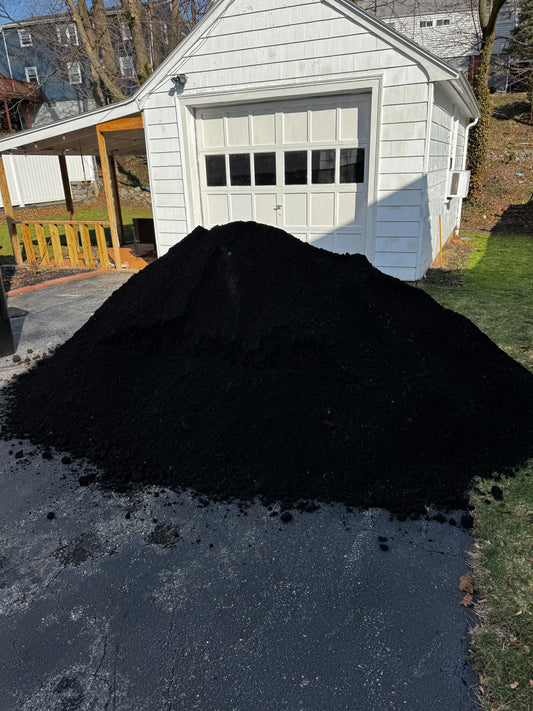
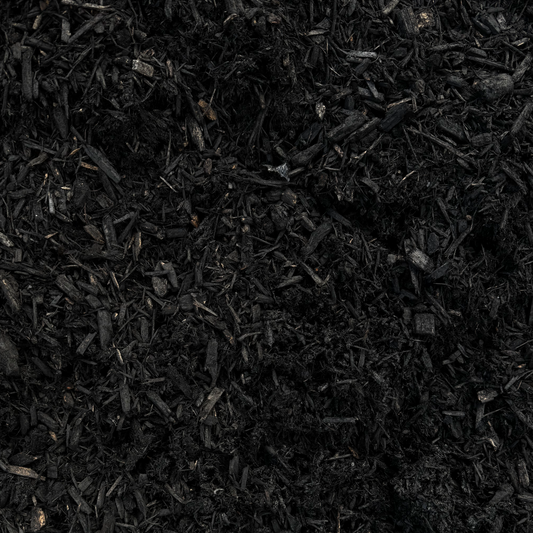
1. Dyed Black Mulch
Best for: Modern condos, light-siding homes, and concrete-and-glass settings around Kendall and Central Square.
Color hold: 12-14 months. The dye is iron-oxide-based and weathers gradually rather than fading abruptly.
The look: High-contrast, formal, contemporary. Black against a yellow Victorian or a brick row house front looks intentional. Black against a dark-shingle craftsman looks heavy.
Cautions: Black mulch absorbs heat. In a Cambridge front bed against a south-facing brick wall, surface temperatures can hit 130F on a July afternoon. Avoid on heat-stressed annual beds (impatiens, begonias).
Browse Black Mulch in the Ottr collection for current pricing.
2. Dyed Brown Mulch
Best for: Most Cambridge homes. The "default" choice that fits 70% of front yards.
Color hold: 10-12 months. Brown dye is iron-oxide as well; the brown is a different oxide ratio than black.
The look: Warm, traditional, neutral. Brown reads as "natural" without being as dark as black. Works against any siding color in Cambridge - white clapboard, gray shingle, brick, painted Victorian.
Cautions: Brown shows weed seedlings clearly (so you have to weed more visibly), and brown can read as "muddy" against red brick if the bed is in shade.
For the broader termite-and-color question, Does Brown Mulch Attract Termites in Worcester County Homes? covers the answer that ports to Cambridge.
3. Hemlock Mulch (Natural)
Best for: Cambridge homes with rustic or natural-style landscaping; older Victorian houses with mature plantings.
Color hold: 6-8 months. Starts reddish-brown, fades to gray-brown by August, then to silver-gray by October.
The look: Classic New England. Hemlock smells faintly of pine for the first 2-3 weeks. The natural color works exceptionally well around mature shrubs and perennials - it doesn't compete with the plants.
Cautions: Hemlock costs 10-20% more than dyed hardwood. The fade is faster, so plan to refresh annually if you want sustained color.
Browse Hemlock Mulch for the natural option. For the deeper hemlock-vs-pine bark comparison, see the 2026 Plymouth County hemlock-vs-pine-bark walk-through.
4. Red Cedar Mulch
Best for: Premium front yards, formal gardens, and homes where the mulch is part of the design statement.
Color hold: 8-10 months. The red is naturally derived from the cedar bark itself, not dye, and fades gradually.
The look: Reddish-brown, premium, traditional. Cedar has a stronger aromatic profile than hemlock - the smell lasts 4-6 weeks. Pairs beautifully with brick and stone.
Cautions: Cedar is the most expensive option, typically 25-40% above dyed hardwood. The natural oils that produce the smell also resist termites and some insects, but don't rely on cedar alone for termite management - the foundation 6-inch gap rule still applies.
Browse Red Cedar Mulch for current bulk pricing. For the depth question across all colors, How Deep Should Mulch Be in a Middleborough Bed? covers the 2-inch standard.
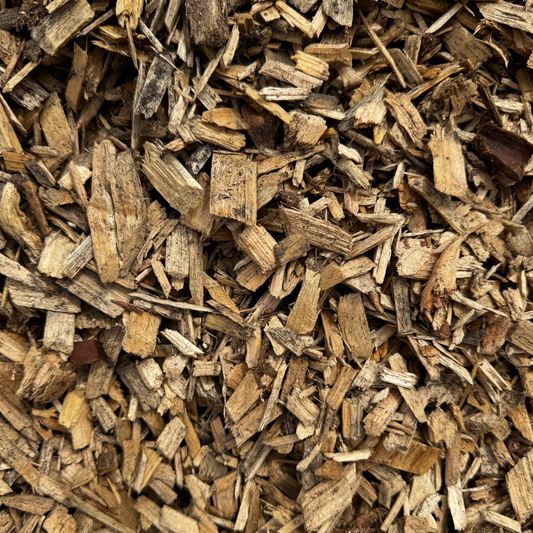
5. Natural Aged Hardwood
Best for: Homeowners who don't want to refresh color annually, and properties where sustainability matters more than aesthetic pop.
Color hold: Starts gray-brown, stays gray-brown. No color change to manage.
The look: Quiet, neutral, functional. Disappears into the bed visually. Plants do all the visual work.
Cautions: No "wow" moment after spreading. Looks identical in March and August. Some Cambridge homeowners find the consistent gray reads as "unkempt" - it's a personal call.
Pricing is the lowest of the five options.
The Cambridge Color Decision Tree
| Front yard situation | Best choice |
|---|---|
| Yellow Victorian, mature plants | Hemlock or natural |
| Red brick row house, formal beds | Red cedar or dyed brown |
| White clapboard colonial | Dyed brown |
| Modern condo, contemporary plantings | Dyed black |
| Mid-Cambridge triple-decker, mixed beds | Dyed brown |
| Heat-stressed front bed (south-facing) | Hemlock or natural (avoid black) |
| Maximum curb appeal, willing to refresh annually | Dyed black or red cedar |
| Sustainable, low-maintenance | Natural aged hardwood |
Color Fade Timeline Across All Five
- Months 0-3: All five at peak color. Dyed options most saturated.
- Months 4-6: Hemlock and cedar fading. Dyed options holding.
- Months 7-9: Hemlock gray. Cedar fading. Dyed options at 70% original color.
- Months 10-12: Cedar gray. Dyed options at 50% color, ready for refresh.
- Month 13+: All five gray-brown. Time to refresh.
For the broader refresh-vs-replace technique, How to Refresh a Tired Mulch Bed in a Brockton Yard covers the top-up math that saves money on annual reapplication. For the 2026 Brookline hardwood version, see the Brookline hardwood guide.
Cost Ranking (Lowest to Highest, Per Cubic Yard)
- Natural aged hardwood
- Dyed brown hardwood
- Dyed black hardwood
- Hemlock
- Red cedar
Prices vary year to year; browse the mulch collection for current per-yard rates and the Cambridge landscape supply route for delivery scheduling.
For the broader regional reference on mulch quality, UMass Extension Landscape, Nursery & Urban Forestry has the authoritative source.
The short version: dyed brown is the safest default for most Cambridge front yards. Black for modern, hemlock for traditional, red cedar for formal, natural for low-maintenance. Match the siding, not the trend.