Quick Answer
No - brown mulch does not attract termites to a Worcester County home. Termites are already in the soil; mulch doesn't summon them. What mulch can do is provide a moisture bridge from the soil to the siding when piled against the foundation. The fix isn't switching colors - it's keeping any mulch (brown, black, hemlock, cedar) at least 6 inches off the foundation siding and 12 inches off any wood-frame deck or stair stringer. Worcester County's eastern subterranean termite is a real risk, but it's a soil-and-moisture risk, not a mulch-color risk.
The Worcester County Termite Picture
Worcester County - Worcester city, Auburn, Shrewsbury, Holden, Westborough - sits in the eastern subterranean termite zone. The species is Reticulitermes flavipes, present in soil across all of southern New England. Activity peaks April-May and again in September.
Termites need three things: cellulose food, soil contact, and moisture. They live in the soil and tunnel up to find food. Mulch sits on the soil. The question every March: does the mulch make the situation worse?
This Q&A walks through the homeowner questions that come up in Worcester County in spring.
Q: Does mulch color affect termite attraction?
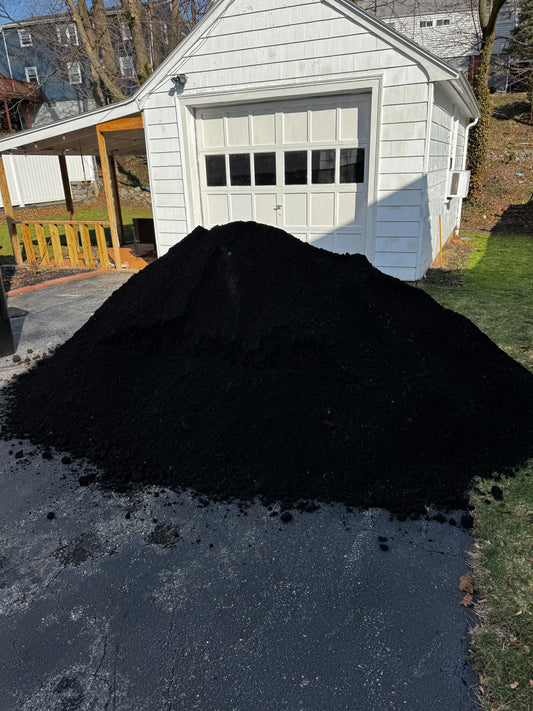
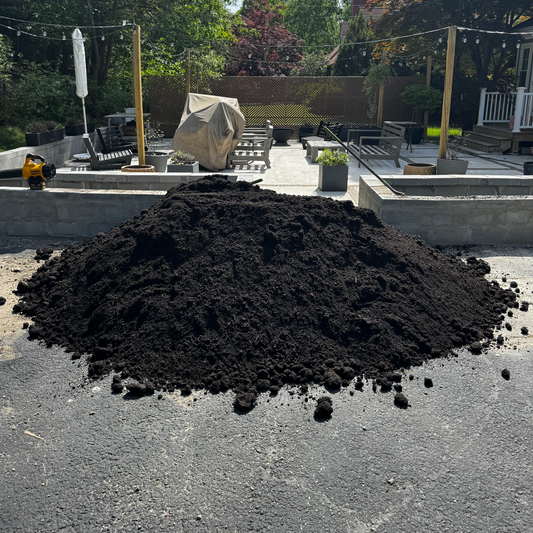
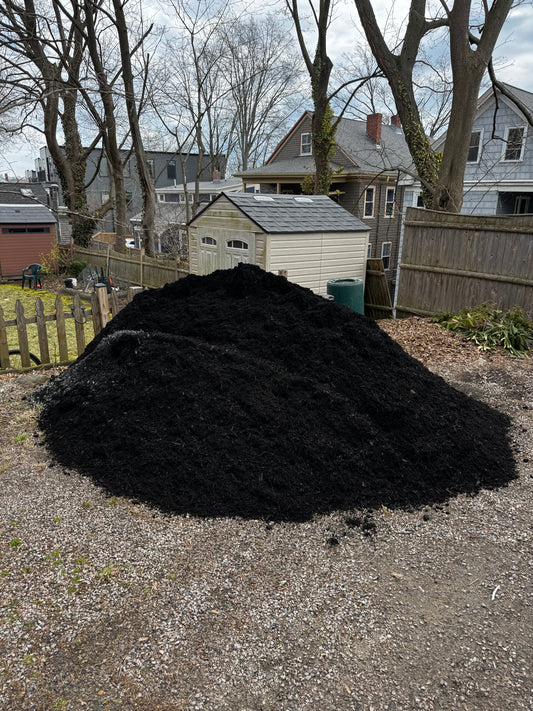
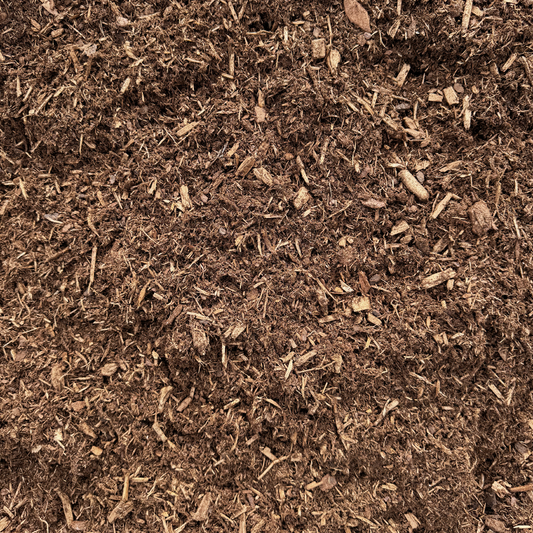
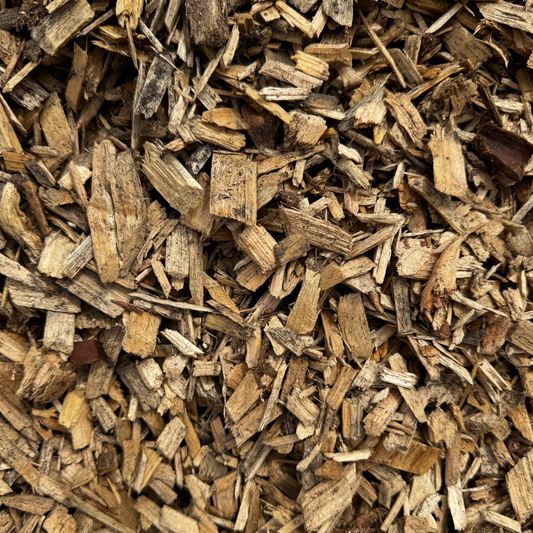
A: No. Color comes from dye (for dyed black or brown mulch) or natural bark color (for cedar, hemlock, or pine bark). Termites can't see color; they detect cellulose and moisture. A pile of dyed brown hardwood mulch and a pile of natural hemlock have the same termite risk profile if both are at the same depth in the same location.
The "brown mulch attracts termites" claim is internet folklore. It conflates two things: dyed-brown mulch is often hardwood (more cellulose than bark), and homeowners often pile it deeper because the color fades faster. Depth and placement drive the risk - not color.
Q: How close to the foundation can I put mulch?
A: Keep mulch 6 inches off any siding, wood, or finished surface. This 6-inch gap is the single most important rule for foundation beds in Worcester County. The gap:
- Lets the foundation wall dry out between rains.
- Makes termite mud tubes visible (a key inspection signal).
- Prevents wood-to-mulch contact.
For a Worcester County colonial with cedar shingle siding, the 6-inch gap is non-negotiable. For a brick or stone foundation, the rule is the same - mulch piled against brick traps moisture and accelerates mortar damage.
Q: How deep is "too deep" for foundation beds?
A: 2 inches max along the foundation strip. Foundation beds get over-mulched more than any other bed in the yard - homeowners pile to "hide the foundation gap" or "make the front pop." Both impulses lead to 4-5 inches of mulch right where you don't want it.
For the broader depth question, How Deep Should Mulch Be in a Middleborough Bed? covers the 2-inch standard that applies across eastern MA.
Q: Does hemlock mulch repel termites?
A: Modestly, but not enough to rely on. Hemlock contains natural tannins that some studies suggest reduce termite feeding by 20-30% compared to hardwood. That's helpful, not protective. Hemlock-mulched beds piled against siding still develop termite issues. The 6-inch gap matters more than the species choice.
If the location really concerns you, cedar mulch (true Eastern Red Cedar, not just dyed cedar-color) has stronger termite-repellent properties - but it's also expensive and breaks down faster. For most Worcester County homes, hemlock vs pine bark is the more practical choice; both are fine when applied correctly.
Q: Do bagged products and bulk products have different risk?
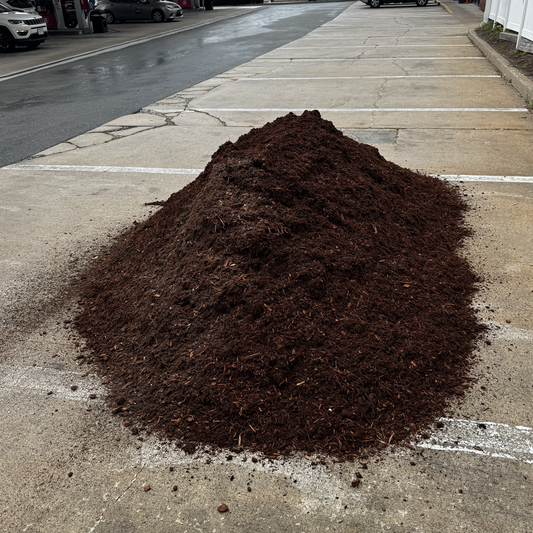
A: No - both come from the same regional sawmills. Bag vs bulk is a packaging and price difference, not a quality or pest difference. The mulch collection shows current bulk per-yard rates; bagged from a big-box store comes from the same New England suppliers in most cases.
Q: What signs of termites should I check for in March?
A: Mud tubes on the foundation wall and shed swarmer wings near windows. In late March and April, subterranean termites swarm. Reproductives (winged adults) emerge from soil, fly briefly, shed wings, and try to start new colonies. Signs:
- Pencil-thick mud tubes on the foundation wall, basement wall, or sill plate. These are the freeway termites use to get from soil to wood.
- Shed wings in window wells or on basement floors near light sources.
- Soft sill plate wood when probed with a screwdriver.
If you see any of the three, call a licensed termite inspector. The mulch question is moot at that point.
Q: Can I put mulch over a termite-treated foundation?
A: Yes, with the 6-inch gap maintained. Termite treatment (whether liquid termiticide or bait stations) creates a soil treatment zone around the foundation. Mulch goes over the treated soil; the treatment continues to work. The 6-inch gap to siding still applies - you're protecting the wood, not the soil.
Q: What about mulched beds 10+ feet from the house?
A: Termite-irrelevant for the structure. Termites tunnel up to 100 feet from a colony, so soil termites can be in any bed. But foraging termites in a far bed don't migrate to the foundation just because the food source is closer. They follow the food and the moisture they're already in. Far beds are a normal mulch-and-spread story - 2 inches deep, refreshed annually, no special precautions.
Q: Does Ottr stock low-tannin or low-cellulose options?
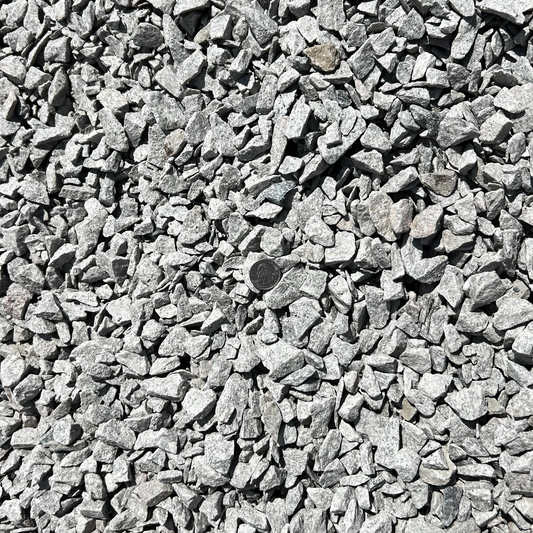
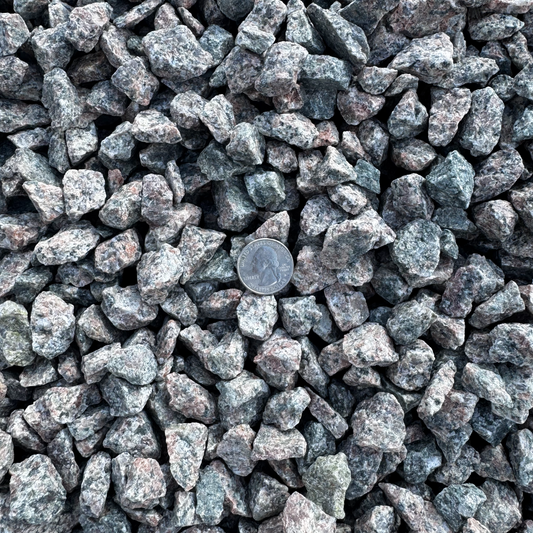
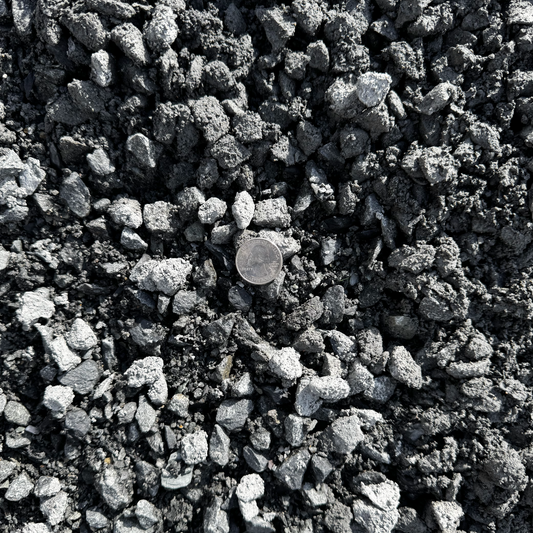
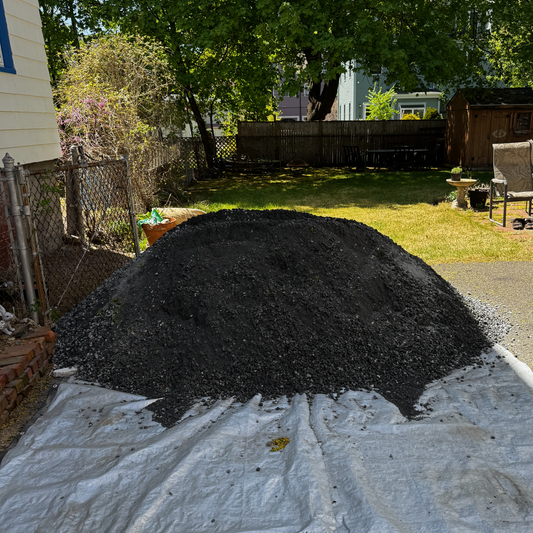
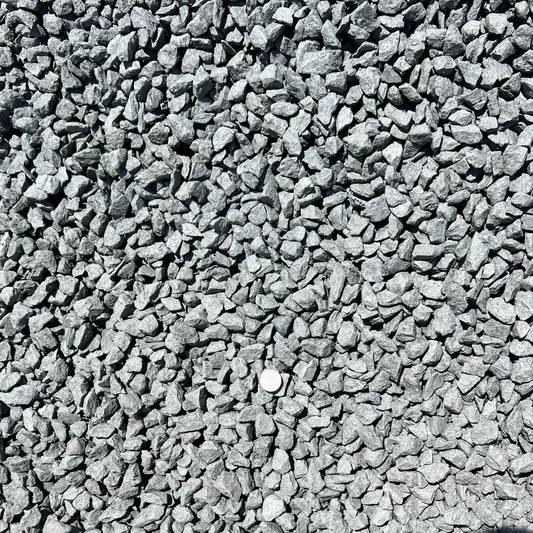
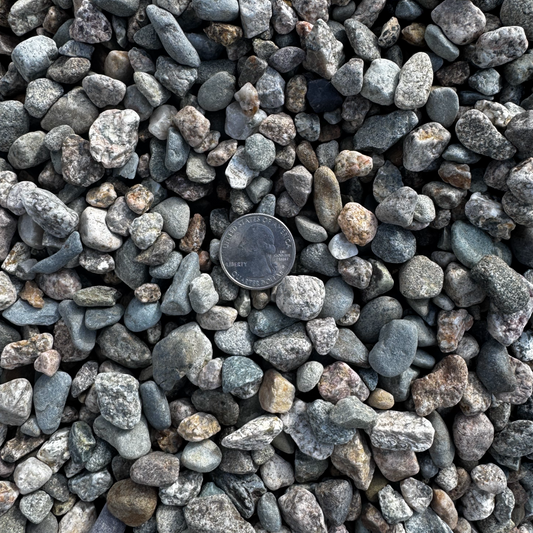
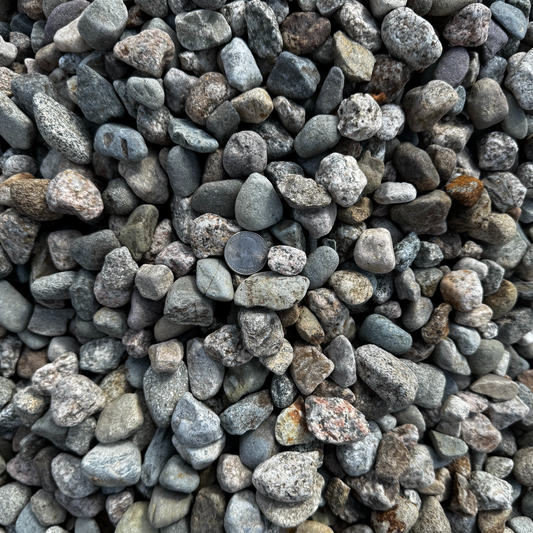
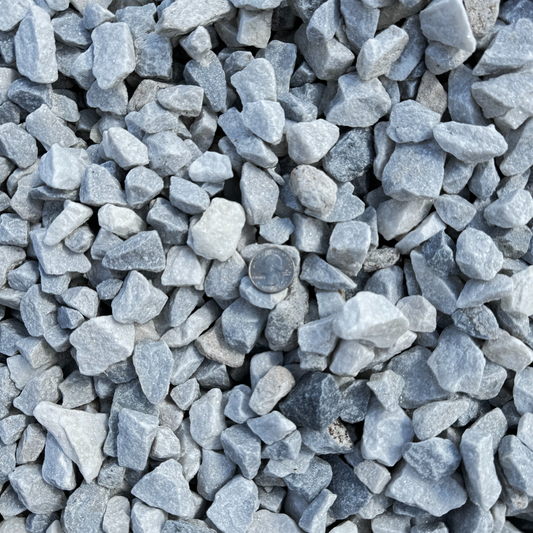
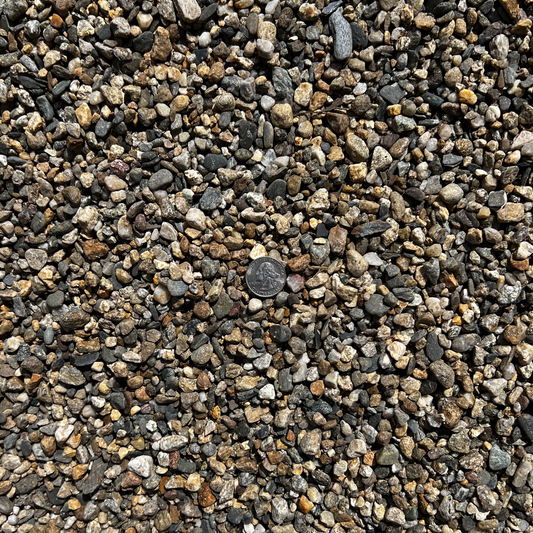
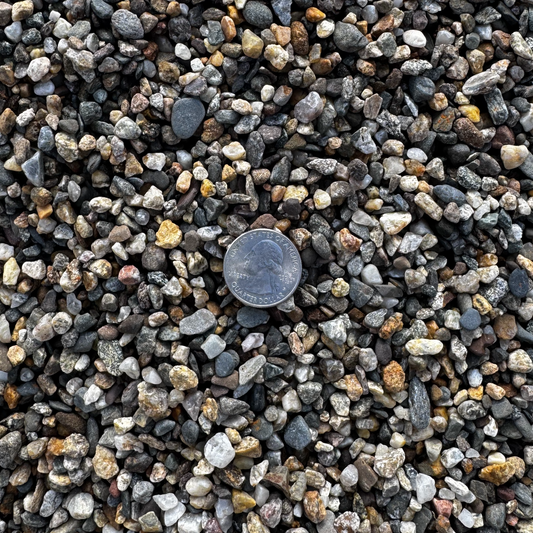
A: Stone, not mulch, is the alternative. For homeowners who want to eliminate the cellulose question entirely along the foundation strip, decorative stone is the move. The decorative stone collection covers options: gray crushed rock, brown stone rock, white marble. Stone doesn't feed termites and doesn't hold soil moisture. The look is different - more contemporary - and the cost is higher per square foot, but the foundation strip stays clean.
For the broader stone-vs-mulch comparison in adjacent counties, the Norfolk-Plymouth boundary mulch refresh review covers the trade-off.
The Worcester County Foundation Bed Rule
- Mulch 6 inches off siding and wood.
- Mulch depth 2 inches max along foundation strip.
- Inspect for mud tubes April-May and again September.
- Don't store firewood against the foundation.
- Maintain positive grade away from the house.
Browse the mulch collection for current bulk pricing and the Worcester County landscape supply route for delivery. For the broader pest-and-soil reference, UMass Extension Landscape, Nursery & Urban Forestry has the authoritative regional source on landscape practices around foundations.
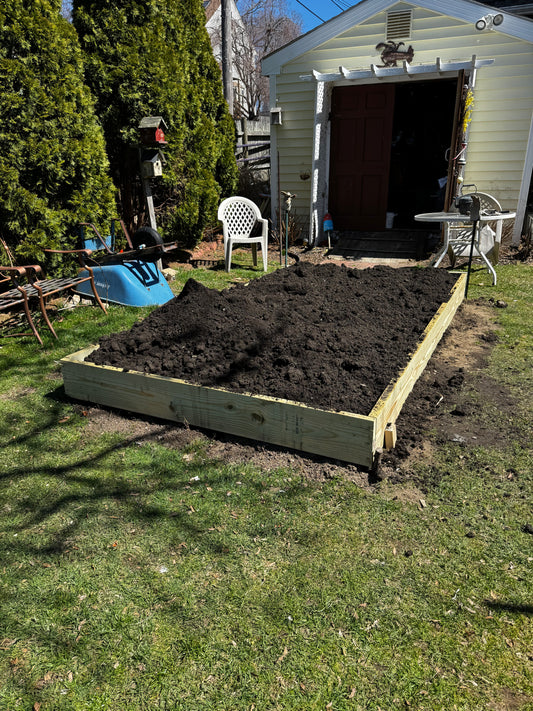
For the raised-bed termite question (different geometry, different rules), the Somerville raised-bed walkthrough covers the equivalent in raised-bed siting.
The short version: mulch color doesn't drive termite risk. Distance from the foundation does. Six inches off the siding, 2 inches deep, and Worcester County mulch beds stay safe.