Quick Answer
In Plymouth, MA, prune apples and pears in late February through mid-March, after the worst cold but before bud swell. Prune peaches, plums, and cherries later — early-to-mid March, just as buds swell. Skip mid-winter pruning entirely on stone fruits; February cold dieback on a fresh peach cut can lose the tree a leader. Keep total removal under one-third of canopy. The cuts you make now drive bud count, fruit size, and next year's crop.
Why Plymouth's Calendar Is a Touch Earlier Than Inland MA
Plymouth, Kingston, and the South Shore run roughly a week ahead of Worcester County and inland Middlesex on bud break thanks to ocean moderation. That means the dormant pruning window opens around mid-February for apples and pears in Plymouth, vs. late February inland. The window closes when buds swell — usually the last week of March in Plymouth. Pruning after that wastes plant energy and risks early-season disease entry.
The UMass Fruit Program is the New England reference for timing by species. The Cornell Cooperative Extension fruit guide carries the same regional logic with deeper cultivar-specific notes.
Q: When should I prune apple trees in Plymouth?
A: Late February through mid-March. Aim for the last four to six weeks before bud break. The trees are still dormant, but the worst polar-vortex cold is behind you, so cuts heal cleanly without freeze damage.
The optimal Plymouth window typically runs February 15 through March 20. Pick a dry afternoon above 25°F. Pruning when wood is brittle below 20°F splits stems instead of cutting them.
Q: Can I prune peach trees in February?
A: No, wait. Peach, plum, cherry, and other stone fruits should wait until early-to-mid March, just before or as buds begin to swell.
Stone fruits are more vulnerable to winter dieback at fresh cuts. A February peach cut, followed by a single 5°F night, can kill back six inches of the cut branch — sometimes more. Wait until the worst cold is unambiguously past.
Q: What's the right cut on a young apple tree?
A: Build the structure now; you fix it forever. A young apple (years 1–4) needs three things established: a central leader (one main vertical stem), 4–5 scaffold branches spaced 6–10 inches apart vertically and pointing in different compass directions, and wide crotch angles (60–80° from vertical — narrow crotches split under fruit load).
Make these cuts: - Remove any competing leaders that try to outgrow the central one. - Remove crossing branches that rub each other. - Remove water sprouts (vertical, fast, useless shoots) at the base. - Remove any branch with a narrow crotch angle (under 45°). - Head back the central leader by about a third to encourage scaffold development.
For a sharp cut, use bypass pruners on stems under ¾", loppers for thicker, a folding pruning saw for anything over 1.5". Sharp blades are non-negotiable — see the Hingham pruner sharpening walkthrough and the bypass vs anvil test on Worcester apple wood.
Q: What's the right cut on a mature apple tree?
A: Open the center, thin the top, drop the height. A mature tree (year 5+) wants:
- Open center: light needs to reach interior fruiting wood. Remove inward-growing branches.
- Thinned top: the upper canopy shades the lower. Remove a third of the topmost branches each year.
- Reasonable height: 12–14 feet maximum for backyard picking. Drop the leader if it's higher.
- Renewed fruiting wood: 2–4 year-old wood produces the best fruit. Remove the oldest, gnarliest fruiting spurs to make room for new ones.
Q: How much can I prune in one year?
A: Stay under one-third of total canopy. Heavy pruning triggers water sprouts — fast vertical shoots that waste a year of growth and kill the following year's fruit set. If the tree has been neglected for years and needs a major reset, spread the work across three winters, not one.
The mistake is universal across pruning, not just fruit trees. See 5 pruning mistakes that set back a garden by a full year for the broader pattern.
Q: Should I seal the cuts with paint or wound dressing?
A: No. Wound paint was standard advice 30 years ago and has been thoroughly discredited. The tree heals fastest with the wound exposed to air. Wound paint can trap moisture and increase fungal infection. Make a clean cut at the branch collar and walk away.
Q: What about pear, plum, and cherry?
A: Pears prune like apples — same window, same structural goals. Plums and cherries are stone fruits — wait for the early-March window, like peaches. Sweet cherries especially want minimal pruning; over-pruning a cherry triggers gummosis (sap-bleeding wounds that won't close).
Q: Do I need to amend the soil after pruning?
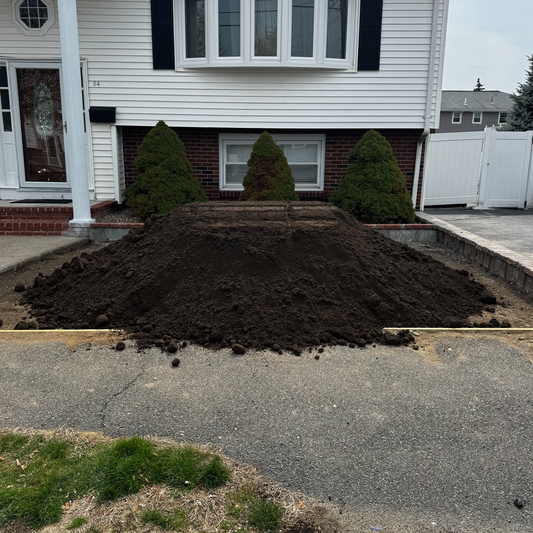
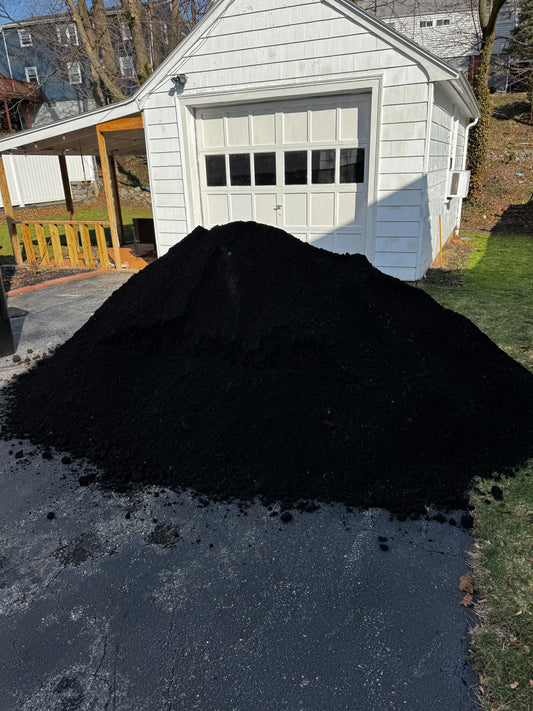
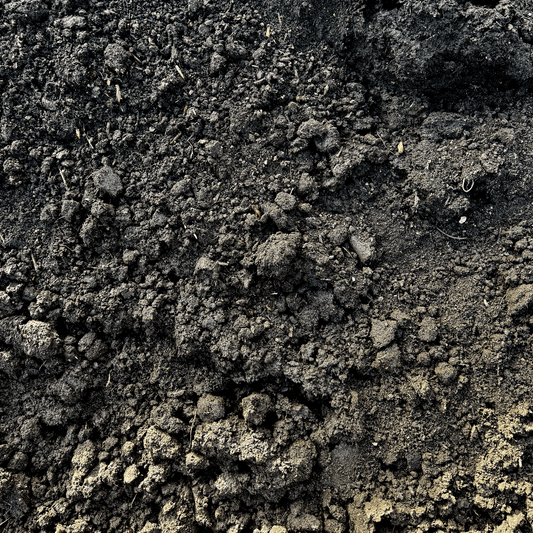
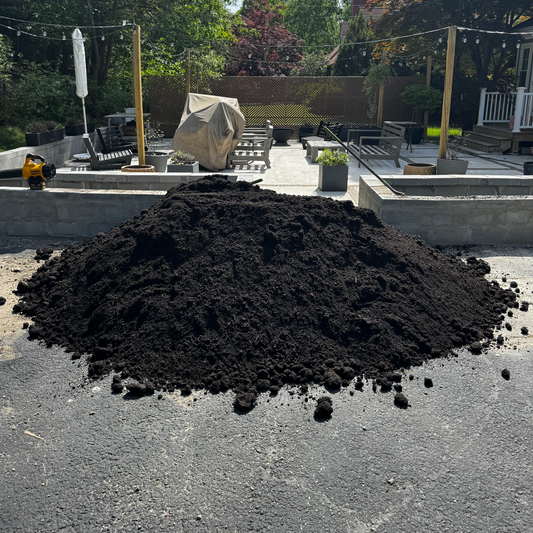
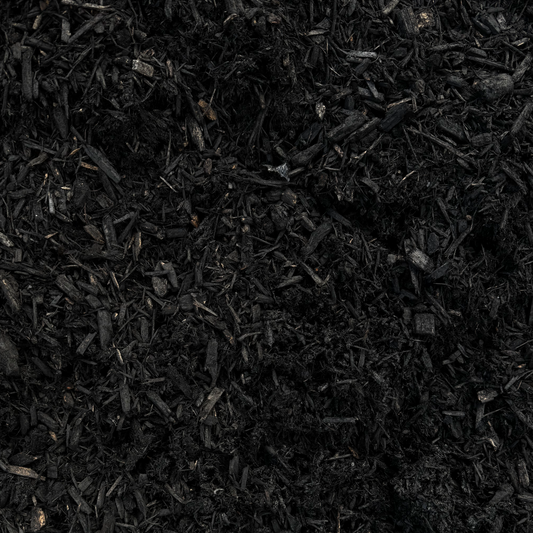
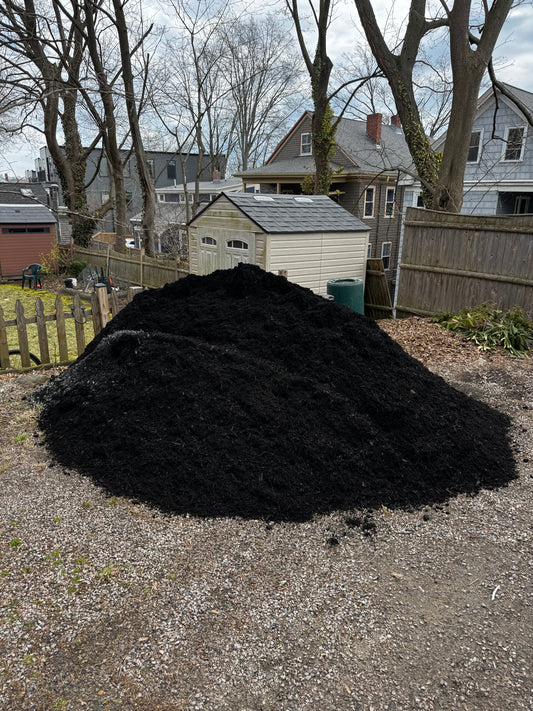
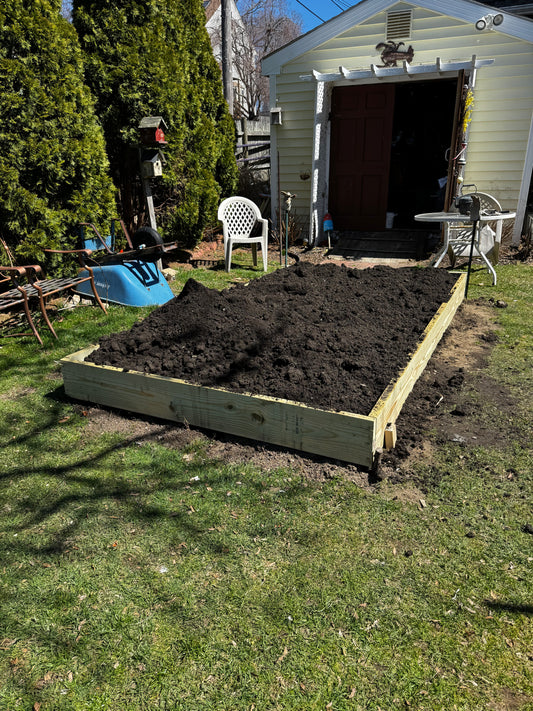
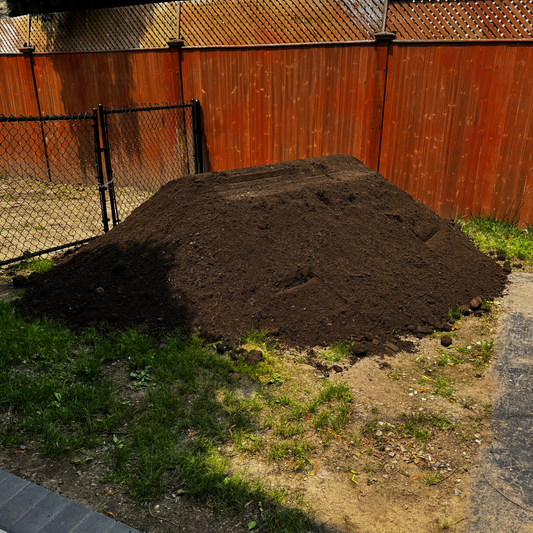
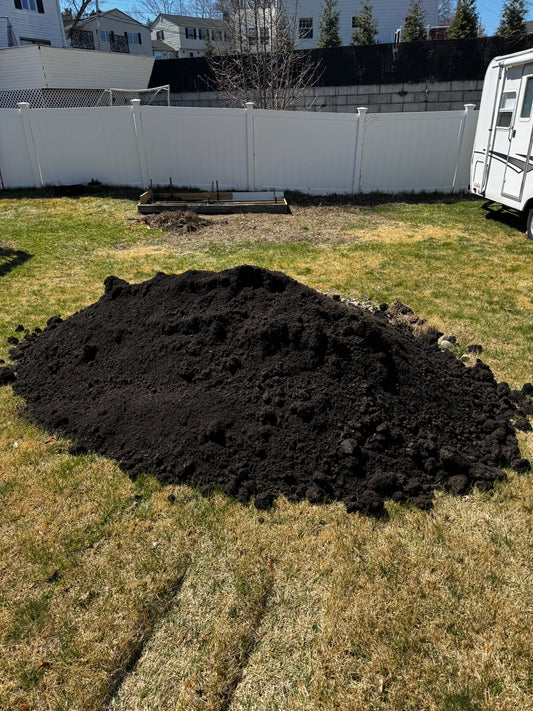
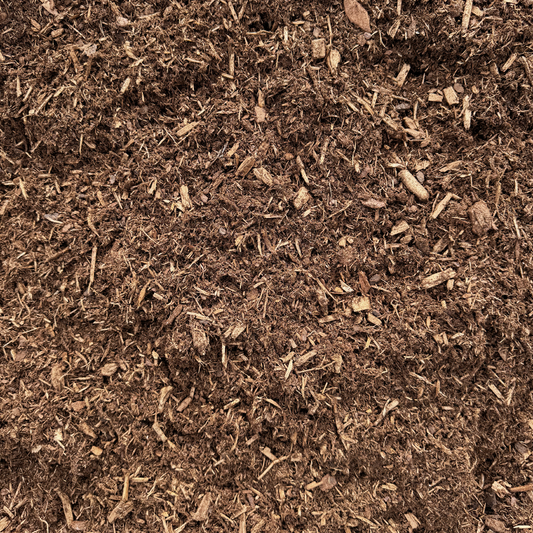
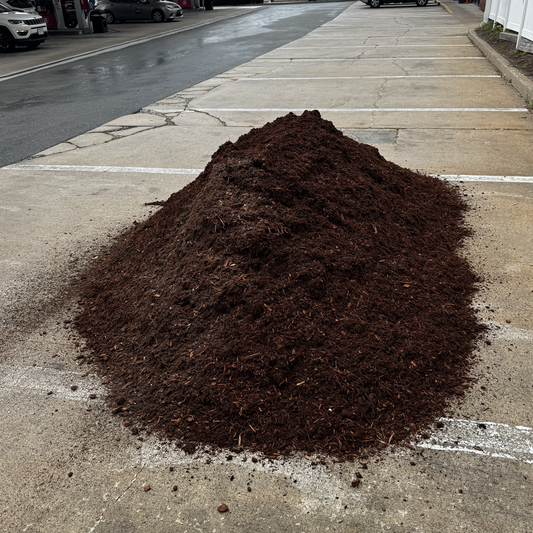
A: A light topdressing of compost helps. Lay a 1–2" ring of compost out to the drip line, kept off the trunk. Don't pile a deep mulch volcano against the bark — it rots cambium and invites voles. Browse the plant establishment and tree planting collection for bulk compost and loam options. For mulching technique on newly planted trees, see how to mulch around a Winchester tree (the right donut).
Q: Does Plymouth have any orchard-specific considerations?
A: Salt spray and ocean wind on the east side. Plymouth properties within a mile of the bay see salt-laden wind that toughens apples but stresses peaches. South-facing slopes warm earlier and risk premature bud break. Plant peaches on north slopes where possible to delay bloom past the last frost.
The Plymouth Fruit-Tree Pruning Calendar
- Feb 15–Mar 1: Apples and pears — younger trees first.
- Mar 1–Mar 15: Mature apples and pears finish; stone-fruit window opens.
- Mar 5–Mar 20: Peaches, plums, sweet cherries.
- After bud break: Stop. Save remaining cuts for summer (waterspout removal in July).
For the rest of the February pruning lineup in Eastern MA — hydrangeas, roses, summer shrubs — see the Brookline hydrangea pruning guide, the Newton late-winter rose pruning piece, and 5 shrubs Belmont gardeners prune before buds break. Same afternoons, same pruners — just different cut logic per plant.
Ottr Landscape Supply delivers bulk compost, loam, and mulch across Plymouth, Kingston, and the South Shore. Topdress after pruning, plan the spring mulch order in February, and the trees will reward you in August.