Quick Answer
Brookline has two hydrangea camps: new-wood bloomers (paniculata, arborescens) get a confident February cut down by a third to a half. Old-wood bloomers (macrophylla, quercifolia, serrata — the blue mopheads, oakleaf, and mountain hydrangea) get nothing in February or you lose this summer's flowers. If you can't tell which is which from the bare stems, wait. The plant will tell you in May.
Why February Is the Brookline Window
Brookline's micro-climate runs a touch warmer than inland Middlesex thanks to the Charles River corridor and the dense triple-decker masonry holding heat. Hydrangeas in front yards from Coolidge Corner up through Chestnut Hill break dormancy a week or two ahead of Newton or Belmont. Pruning early-to-mid February gives the plant six weeks of rest before sap moves — clean cuts heal cleanly, and you avoid the late-March bleed that wastes plant energy.
The UMass Extension hydrangea guide is the regional reference for species ID; the Arnold Arboretum's hydrangea collection is two miles from most Brookline yards and shows mature examples of every species under discussion here.
The Five Species You'll See on Brookline Streets
- Hydrangea paniculata ('Limelight', 'Quick Fire', 'Pinky Winky', 'Bobo') — cone-shaped flowerheads. Blooms on new wood. Prune hard in February.
- Hydrangea arborescens ('Annabelle', 'Incrediball') — large round white flowerheads, looser stems. Blooms on new wood. Prune hard in February.
- Hydrangea macrophylla (mophead and lacecap blues, pinks, and purples) — classic Brookline front-yard look. Blooms on old wood. Do not prune in February.
- Hydrangea quercifolia (oakleaf) — oak-shaped leaves, panicle flowers, exfoliating bark. Blooms on old wood. Do not prune in February.
- Hydrangea serrata (mountain hydrangea, lacecap-style) — daintier, smaller leaves. Blooms on old wood. Do not prune in February.
If the shrub is unlabeled and bare, three signals separate the camps: paniculata stems are stiff and woody with peeling buff bark; arborescens stems are softer and often flop; macrophylla stems show fat green-tipped buds in pairs along last year's growth — those are next summer's flowers.
Step 1 — Identify the Species (Don't Skip This)
Walk the yard on a 40°F afternoon. Look at three things on each shrub: bark texture, bud arrangement, and flower head remnants from last summer. Paniculata cones from last summer often hang on through winter — that's a tell. If you can't decide, leave it. A missed pruning costs a year of slightly less-tidy shape; a wrong cut on a macrophylla costs you the entire summer's bloom.
Step 2 — Cut New-Wood Bloomers Hard
For paniculata and arborescens:
- Reduce the shrub by one-third to one-half of last year's growth.
- Cut to an outward-facing bud pair about ¼" above the bud.
- Remove any crossing, dead, or pencil-thin stems all the way to the base.
- On arborescens 'Annabelle' specifically, cut hard — down to 18–24" above the ground. Stronger spring stems will hold the heavy flowerheads upright.
- Use bypass pruners for stems under ¾", loppers for thicker. Anvil pruners crush hydrangea stems; skip them. (See bypass vs anvil pruners tested on Worcester wood for the comparison.)
A sharp blade matters more than which brand pruner you own. Twenty minutes with a file before you start the bed pays back across every cut. Walk through the pruner sharpening sequence if your blades have been in the garage since October.
Step 3 — Leave Old-Wood Bloomers Alone
For macrophylla, quercifolia, and serrata:
- No February cuts. The flower buds are already set on last year's stems.
- Wait until immediately after bloom in July for any shaping.
- The only February-acceptable work is removing clearly dead stems (snap test: dead wood breaks dry; live wood bends). Cut those at the base.
This is the rule that distinguishes a Brookline yard that blooms every June from one that's all leaf, no flower. The mistake is universal — see 5 pruning mistakes that set back a garden by a full year for the broader pattern.
Step 4 — Topdress and Walk Away
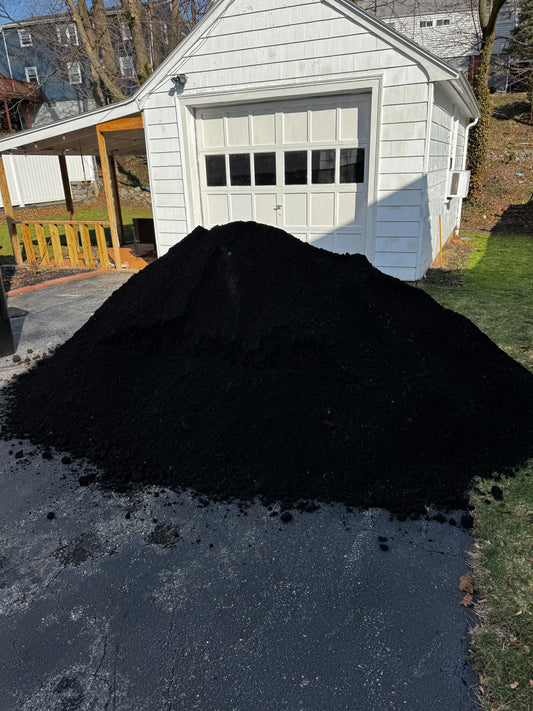
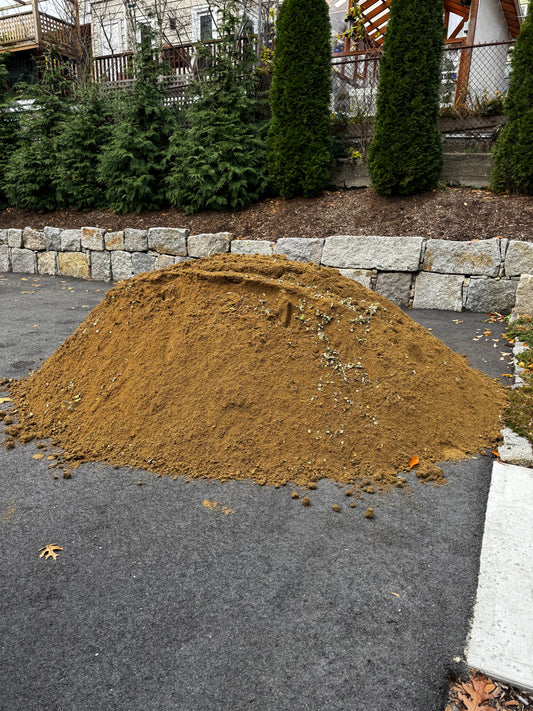
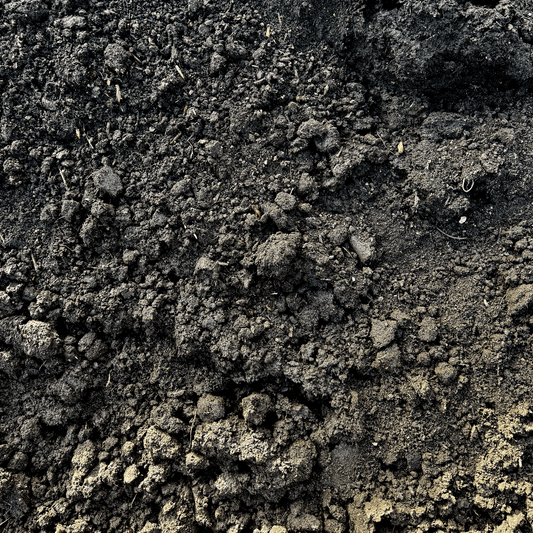
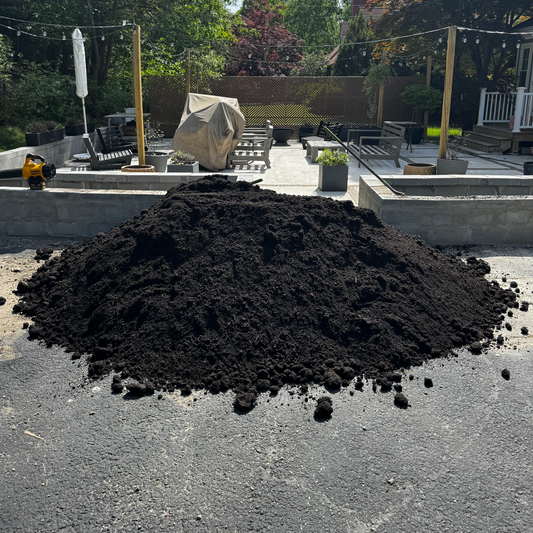
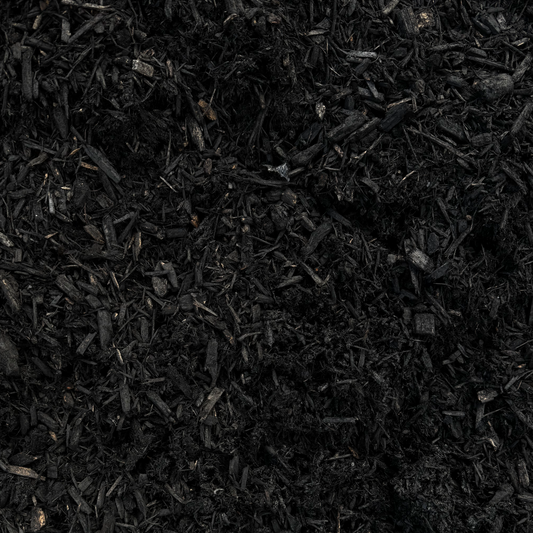
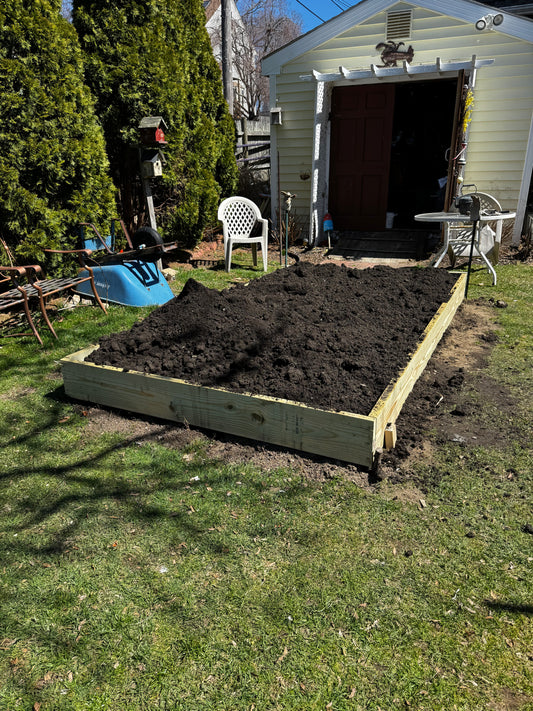
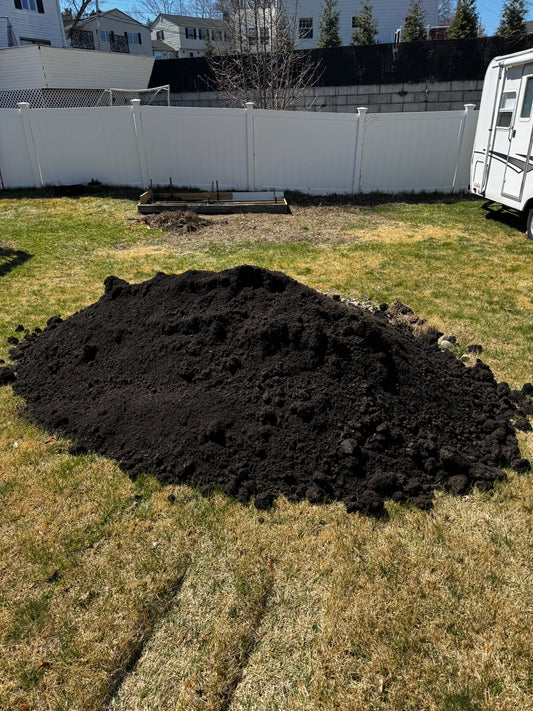
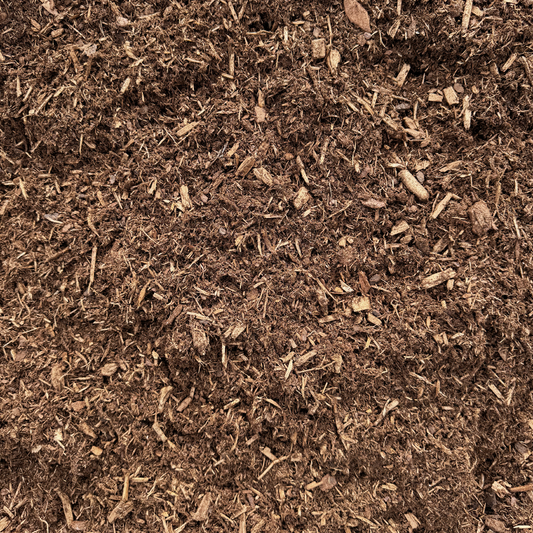
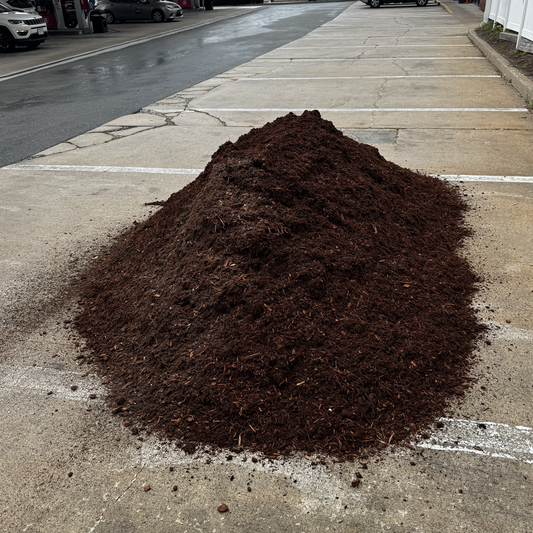
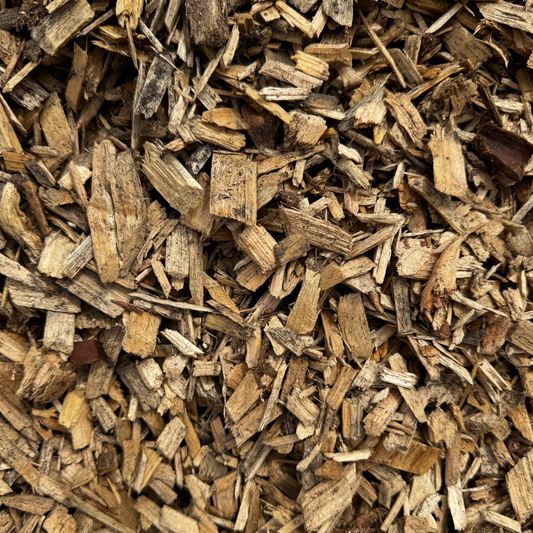
After pruning, lay a 1" ring of compost out to the drip line. Don't pile it against the stems. The compost feeds the spring flush and holds soil moisture as Brookline's clay-leaning soils dry through April. Browse the plant establishment and tree planting collection for compost and bulk loam options sized for residential yards. For a finished look, hardwood mulches that hold color in a Brookline front yard covers the right top layer.
What Comes Next
Brookline's pruning calendar continues right after hydrangeas: fruit trees (Plymouth fruit-tree dormant pruning Q&A), late-winter roses (Newton rose pruning), and summer-blooming shrubs (5 shrubs Belmont gardeners prune before buds break). Same pruner, same afternoon, same compost bag. The plants that get the right cut in the right week reward you in June and again in August.
For the full mulch lineup once spring drops, browse the Ottr mulch collection — pre-booking now locks March pricing.