Quick Answer
Prune Newton roses in late winter — typically the last week of February through mid-March, timed to forsythia tips just turning yellow. Cut hybrid teas back to 4–5 strong outward canes at 18–24 inches. Cut knockouts and shrub roses harder if they're getting leggy — down to 12–18 inches works fine. Leave climbers and old-garden roses alone in February; they bloom on old wood. Always cut at a 45° angle ¼ inch above an outward-facing bud, sloping away. Sharp pruners are non-negotiable.
Why Newton's Garden City Reputation Survives in February
Newton has more mature rose plantings than any city in eastern Massachusetts — Garden City for a reason. From the formal beds of Chestnut Hill to the cottage gardens of Newton Centre, hybrid teas, knockouts, climbers, and rugosas all show up on the same blocks. Pruning kicks each one to a different rhythm in late winter, and getting it right is the difference between a bed that flushes in May and one that limps until July.
The American Rose Society pruning guide is the national reference; the UMass Extension landscape program is the regional one. Newton's USDA zone 6b means we time the cut to forsythia indicator — when the local forsythia tips show yellow but haven't fully bloomed, it's go-time. That's typically February 20 through March 15 in Newton.
What You'll Need
- Sharp bypass pruners (NOT anvil — they crush rose canes). See bypass vs anvil tested on apple and lilac wood for why bypass wins on live stems.
- Loppers for canes thicker than ¾".
- Pruning saw for old, woody base canes on neglected shrub roses.
- Heavy leather gloves and long sleeves. Roses fight back.
- Bucket for cuttings — never compost diseased rose material; bag it.
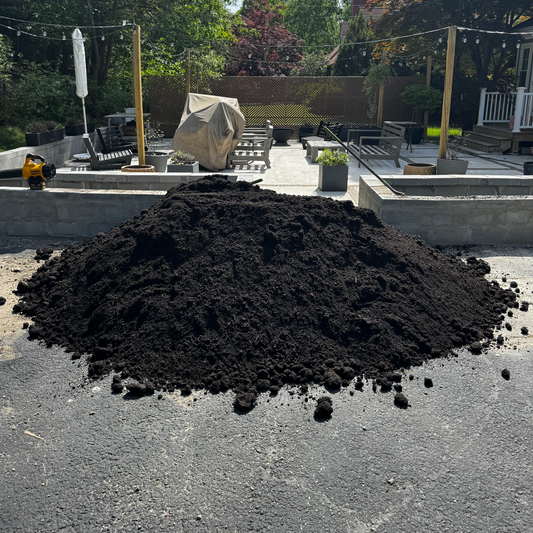
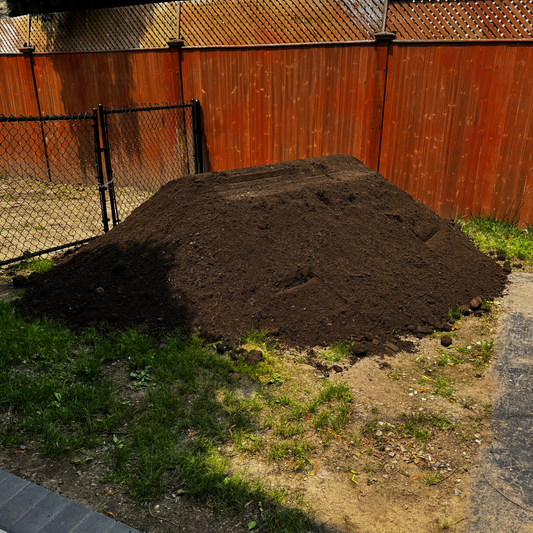
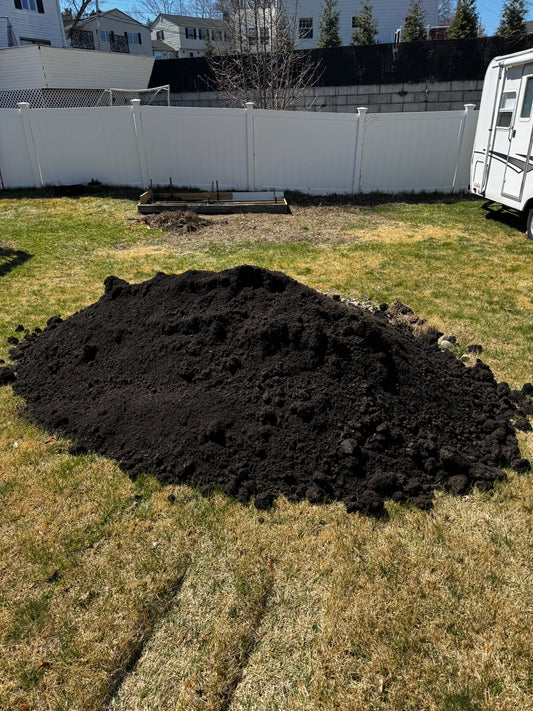
- Bulk compost for topdressing after the cut.
If your blades have been in the garage since November, take twenty minutes to sharpen them. The Hingham pruner sharpening walkthrough is the procedure. A ragged cut on a rose cane invites cane borers and dieback all season.
Step 1 — Identify the Rose Type
Different roses get different cuts. Walk the bed first.
- Hybrid teas (long stems, single blooms — 'Mister Lincoln', 'Peace', 'Double Delight'): hardest cut, down to 18–24" with 4–5 canes.
- Floribundas / grandifloras: medium cut, 24–30" with 5–6 canes.
- Knockout and shrub roses: forgiving — cut to whatever shape and size you want, 12–24".
- Climbers: skip in February. Prune after their first June bloom.
- Old-garden roses, rugosas, ramblers: skip in February. Most bloom on old wood. Light shaping only.
Mismatched timing is the most common rose mistake — see 5 pruning mistakes that set back a garden by a full year.
Step 2 — Remove Dead, Damaged, Diseased Canes (the 3 Ds)
Before any structural cut, remove:
- Dead canes — black, shriveled, or hollow. Cut to the base.
- Damaged canes — split, broken, or chewed. Cut below the damage to clean wood.
- Diseased canes — black spot, cane canker, or borer holes. Cut 6 inches below visible damage. Disinfect blades between cuts (a quick wipe with isopropyl alcohol).
Live cane shows green outer bark and creamy-white pith. Dead cane shows brown pith. Cut until you see white.
Step 3 — Open the Center
Roses bloom best on canes that catch direct sun and air movement. Remove:
- Crossing canes that rub against each other.
- Inward-growing canes that crowd the center.
- Pencil-thin canes under ¼" diameter — they won't support flowers.
- Suckers below the graft on grafted varieties (vigorous shoots from the rootstock — they'll take over if left).
Keep 4–5 strong outward-facing canes evenly spaced around the crown. The shape goal is an open vase, not a tight ball.
Step 4 — Make the Right Cut
Every cut on a kept cane:
- 45° angle, sloping away from the bud.
- ¼ inch above an outward-facing bud.
- The high side of the cut on the same side as the bud.
Why: the angle sheds water away from the bud (no rot), and outward-facing buds send the new shoot outward (open vase, not crowded center).
For hybrid teas, cut canes to 18–24 inches above the ground. For floribundas and grandifloras, 24–30 inches. For knockouts, cut to whatever height suits your bed — they're forgiving.
Step 5 — Topdress and Mulch
Roses are heavy feeders. After pruning:
- Lay a 1-inch ring of compost out to the drip line.
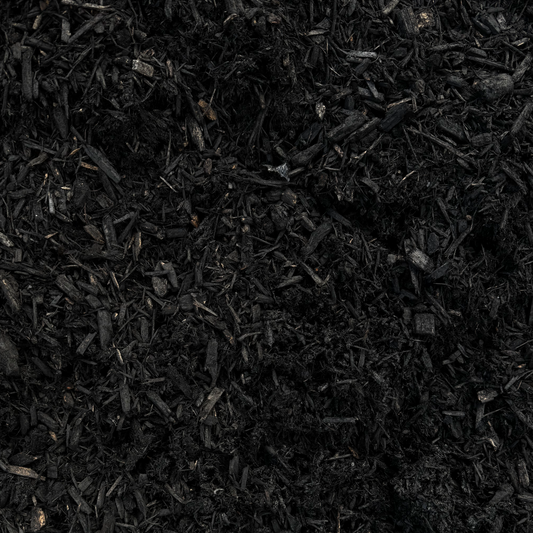
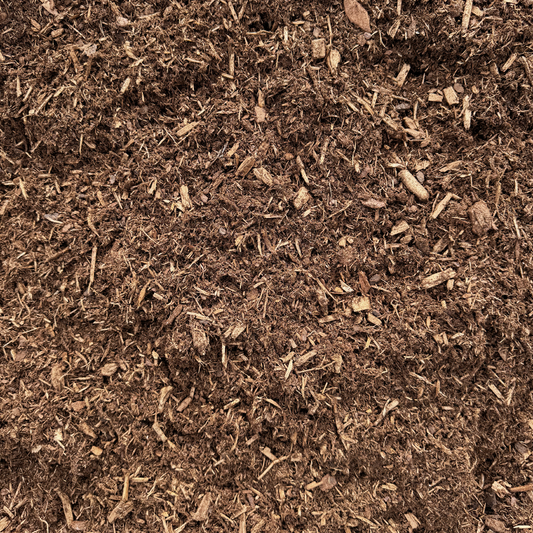
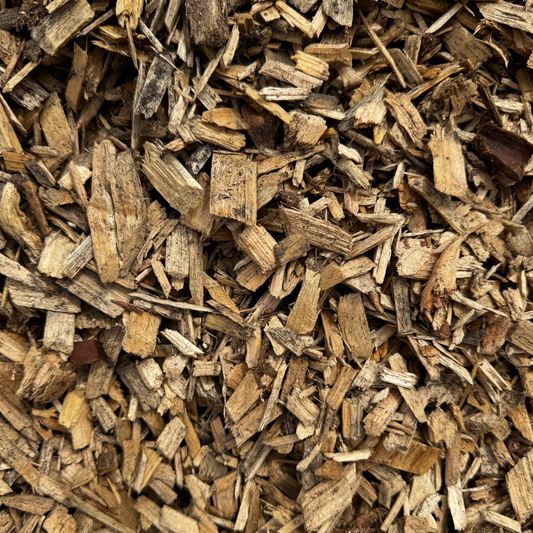
- Add a 2-inch layer of mulch on top — hardwood or pine bark. Don't pile against canes; leave a 2" donut around the crown.
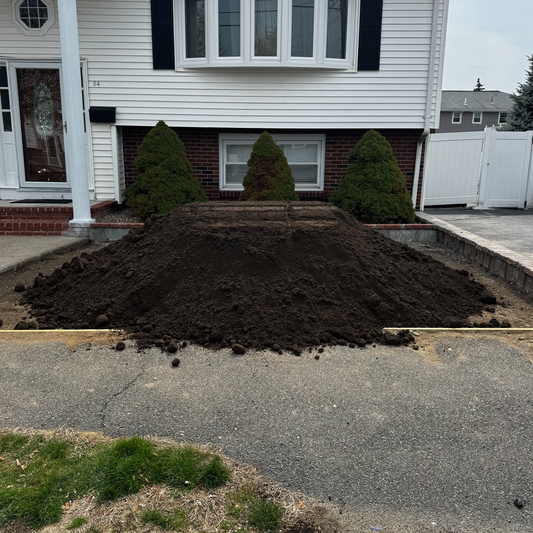
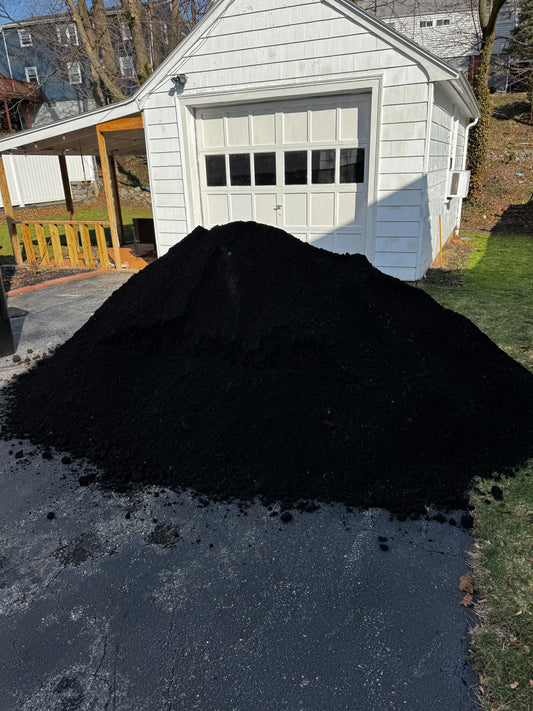
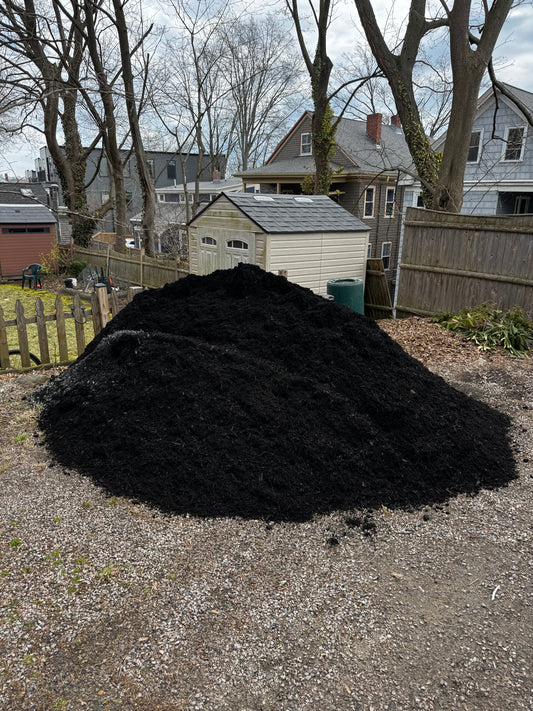
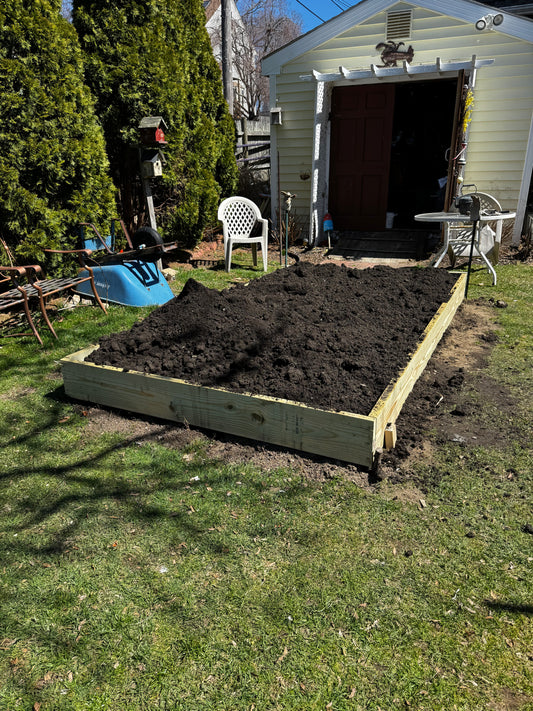
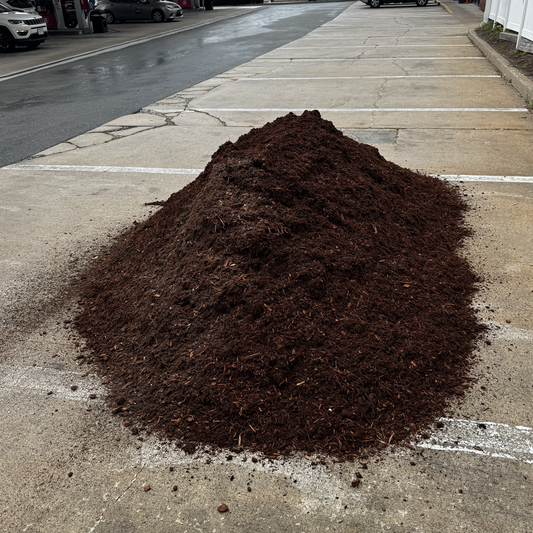
- Browse the plant establishment collection for bulk compost and loam, and the hardwood mulch lineup for topcoat options.
Once spring rains hit, the compost feeds the spring flush. By the time forsythia drops yellow, your roses are 4–6 inches into new growth.
What Comes After Roses
Newton's pruning calendar runs straight from roses into shrubs and fruit trees. See the Brookline hydrangea pruning guide for new-wood vs. old-wood logic, the Plymouth fruit-tree dormant pruning Q&A for apples and peaches, and 5 shrubs Belmont gardeners prune before buds break for butterfly bush, summer spirea, and the rest. Same Saturday, same pruners, different cut logic per plant.
Ottr delivers bulk compost, loam, and mulch across Newton and Middlesex County. Pre-book the March drop in February to lock winter pricing.