Quick Answer
Five shrubs that need a February-into-early-March cut in Belmont gardens: butterfly bush (cut hard to 12"), summer spirea (cut to 6–8"), redtwig and yellowtwig dogwood (renew oldest third for color), panicle hydrangea (reduce by a third), and smooth hydrangea / 'Annabelle' (cut to 18–24"). All five bloom on new wood — the harder you cut, the better they flush. Skip lilac, forsythia, azalea, and bigleaf hydrangea — those bloom on old wood and February cuts cost you the show.
Why Belmont's February Window Matters
Belmont sits inland of the Charles, slightly cooler than Cambridge or Brookline, and with mature plantings on Hill Estates, Belmont Center, and the Winn Brook neighborhood. The shrub mix here is dense — every Belmont garden seems to have at least one butterfly bush, a dogwood for winter color, and a hydrangea or three. Late February through the first week of March is the ideal cut window: cold enough that sap isn't running, but past the worst polar-vortex weeks.
The UMass Extension landscape program is the regional reference. The Arnold Arboretum — fifteen minutes from most Belmont yards — has mature examples of every species below to study before you cut your own.
#1 — Butterfly Bush (Buddleia davidii)
Cut hard. Buddleia blooms entirely on new wood and looks ragged if left alone. Take it down to 12 inches above the ground. If the plant is large or has woody dead wood at the base, cut harder — 6 inches is fine. New growth from the base will be 4–6 feet by July.
The mistake: leaving last year's stems "for shape." You get spindly, weak flowering up high and dead bare base. The aggressive cut is the right cut.
Tools: bypass pruners on stems under ¾", loppers above. Sharpen them first — see the Hingham pruner sharpening walkthrough.
#2 — Summer Spirea (Spiraea japonica, Spiraea bumalda)
Cut hard. 'Anthony Waterer', 'Goldflame', 'Magic Carpet' — all the summer-blooming spireas — bloom on new wood. Cut to 6–8 inches above ground. They'll flush back to 2–3 feet by June and bloom strong.
Important: this rule is for summer-blooming spireas only. Spring-blooming spireas (bridal wreath / Spiraea x vanhouttei) bloom on old wood. Don't cut those in February — wait until after they flower in May.
If you can't tell the two apart, look at last summer's flower remnants: pink/red flat-topped clusters mean summer spirea (cut now). White clusters along arching stems mean spring spirea (skip).
#3 — Redtwig and Yellowtwig Dogwood (Cornus sericea, Cornus sanguinea)
Renewal pruning, not all-over cut. The brilliant red and yellow winter color comes from young stems — 1–2 year old wood is bright; 3+ year old wood goes dull gray-brown.
Each February, remove the oldest one-third of stems at the base. Leave the rest. Over a 3-year rotation, the entire shrub renews and the winter color stays vivid.
The mistake: shearing the whole shrub flat across the top. You get dead-looking old wood at the bottom and a dome of green — no color, all year.
These plants are gorgeous in Belmont's snow-covered landscapes. The International Society of Arboriculture's Trees Are Good has the renewal-pruning illustrations.
#4 — Panicle Hydrangea (Hydrangea paniculata)
Reduce by one-third to one-half. 'Limelight', 'Quick Fire', 'Pinky Winky', 'Bobo' — all panicle hydrangeas — bloom on new wood. February pruning produces stronger stems and bigger flower cones in August.
Cut last year's growth back by 12–18 inches on most varieties. Cut to outward-facing bud pairs. Remove crossing or pencil-thin stems entirely.
For full species comparison and the difference between paniculata and macrophylla, see the Brookline hydrangea pruning guide. Belmont's panicles bloom about a week behind Brookline's, so you have a little more pruning latitude in late February.
#5 — Smooth Hydrangea / 'Annabelle' (Hydrangea arborescens)
Cut hard. 'Annabelle' and 'Incrediball' — the white-mophead arborescens hydrangeas — have soft stems that flop under flower weight. Cut down to 18–24 inches above ground. New stems will be stiffer and hold the heavy heads upright.
Some Belmont gardeners cut these even harder — to 6–12 inches — for an extreme reset. The plant doesn't mind. The flowers come on new growth regardless.
Skip These In February
For reference — the shrubs you should not cut in February in Belmont:
- Forsythia — blooms on old wood; cut after May bloom.
- Lilac — blooms on old wood; cut after May bloom.
- Azalea / Rhododendron — blooms on old wood; cut after May bloom (and usually only deadheading).
- Bigleaf hydrangea (macrophylla) — blooms on old wood; cut after July bloom.
- Spring-blooming spirea (bridal wreath) — blooms on old wood; cut after May bloom.
- Mountain laurel — minimal pruning; cut only deadwood.
- Viburnum — most species bloom on old wood; cut after spring bloom.
A February cut on any of those costs you this year's flowers. The 5 pruning mistakes that set back a garden by a full year walks the broader pattern.
What to Do With the Cuttings and What to Order
Bag diseased material; everything else can compost. After pruning:
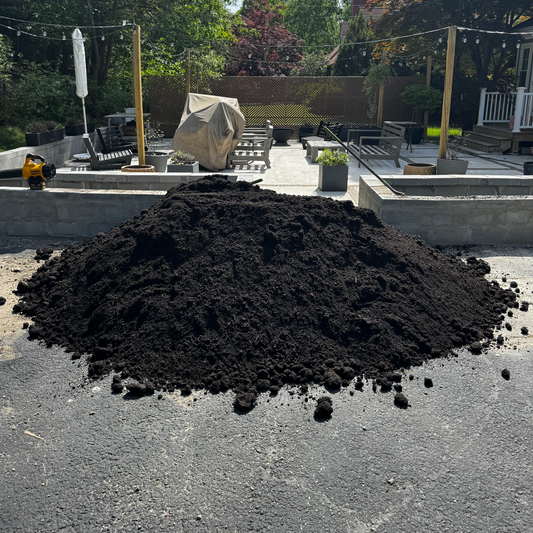
- Topdress with 1" of compost out to the drip line.
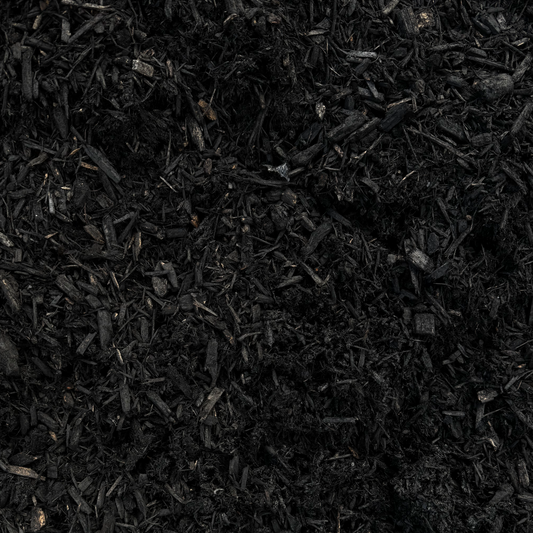
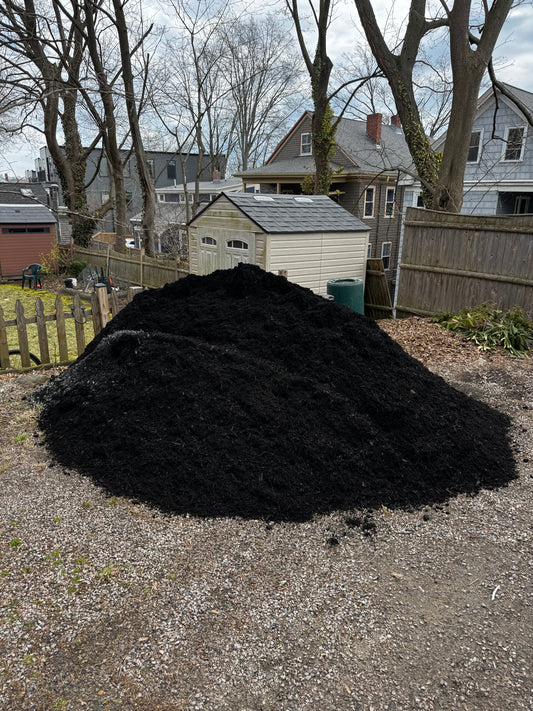
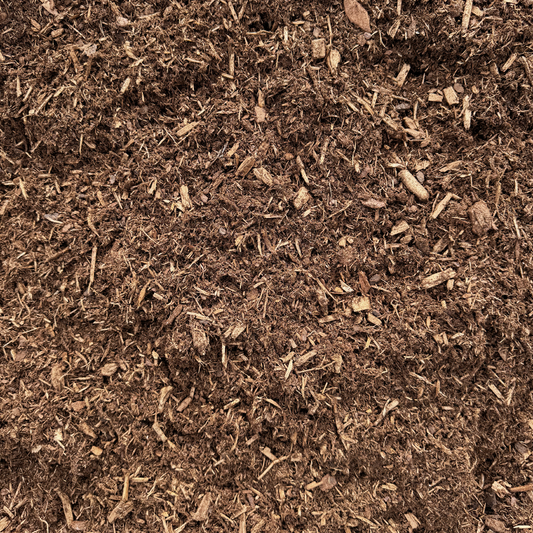
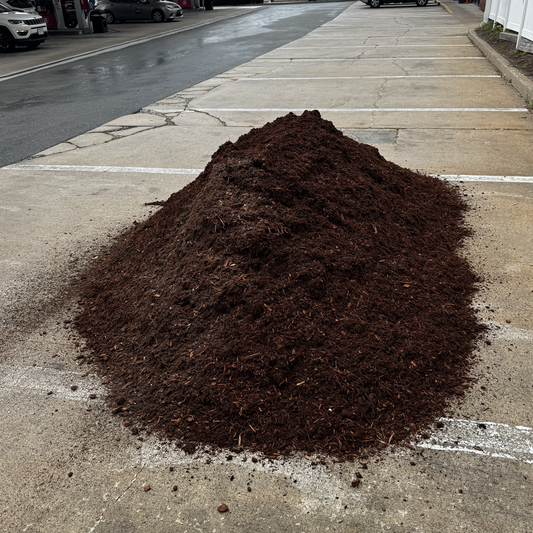
- Refresh mulch to 2" in the bed — see the Ottr mulch lineup and the plant establishment and tree planting collection for what works in mature Belmont beds.
For the rest of the February pruning lineup — fruit trees, roses, hydrangeas — see the Plymouth fruit-tree pruning Q&A and the Newton late-winter rose pruning piece. One Saturday with sharp pruners can hit half a Belmont yard.
Ottr delivers across Belmont and Middlesex County — pre-book mulch and bulk compost in February to lock winter pricing before the March bump.