Quick Answer
A Worcester County driveway prep takes about 2 hours: walk the surface for potholes, set stake markers every 10 feet along both edges, stage ½ cubic yard of Treated Rock Salt and ¼ cubic yard of Salt & Sand 50/50 inside the garage, pre-treat with brine 2 to 6 hours before any forecast above 1 inch, and confirm tools are accessible. Worcester County gets the first measurable snow earlier than Boston-adjacent towns, and the prep window closes hard around December 12.
Why Worcester County Drives Different Math
Worcester County winters run 20 to 30 inches more snow than Suffolk County in a typical year — the elevation step from Boston to the Worcester Plateau adds enough cold air for snow that Boston gets as rain. First measurable snow in Worcester typically lands the second week of December, sometimes earlier in the hills around Princeton, Sterling, and Holden.
If the front bed and steps are sorted, see 5 Slip-Prevention Tips for Bristol County Front Steps — the front-step prep applies to Worcester County identically.
Tools and Supplies
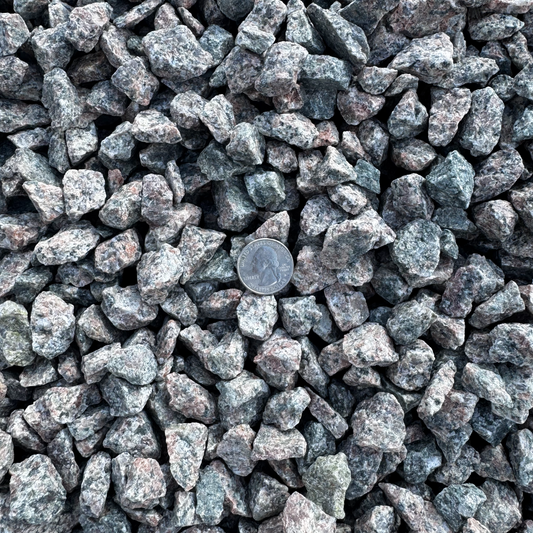
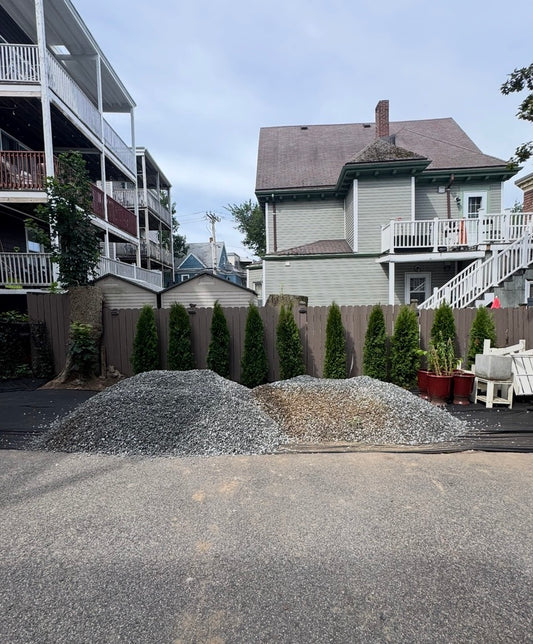
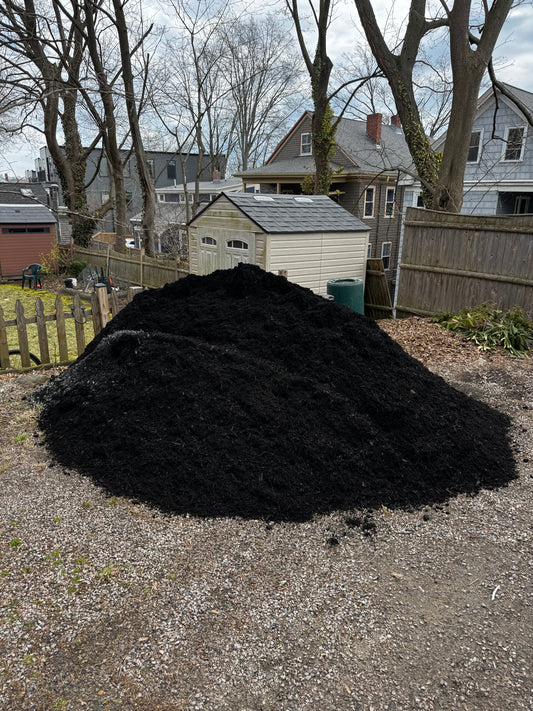
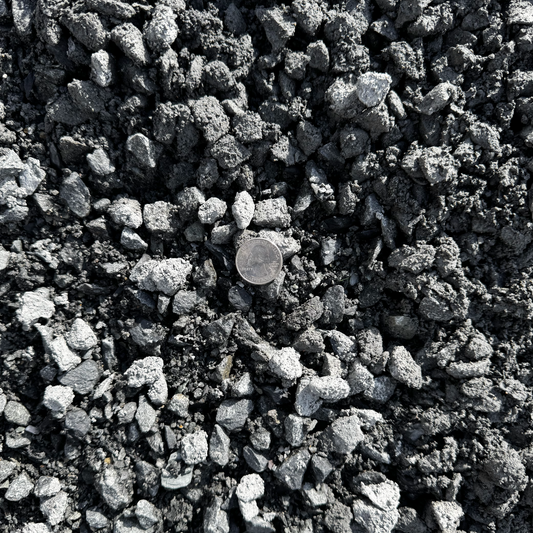
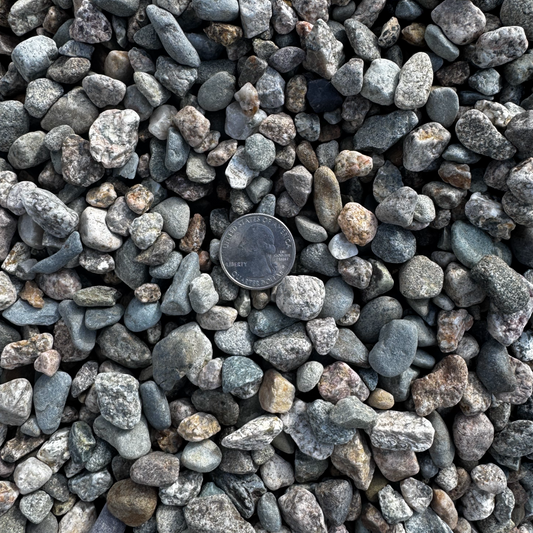
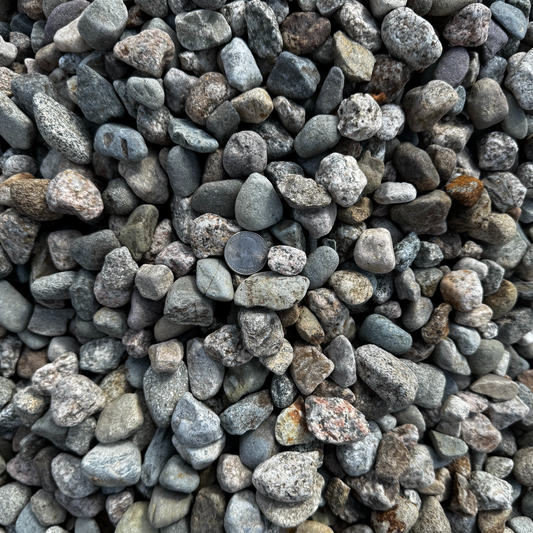
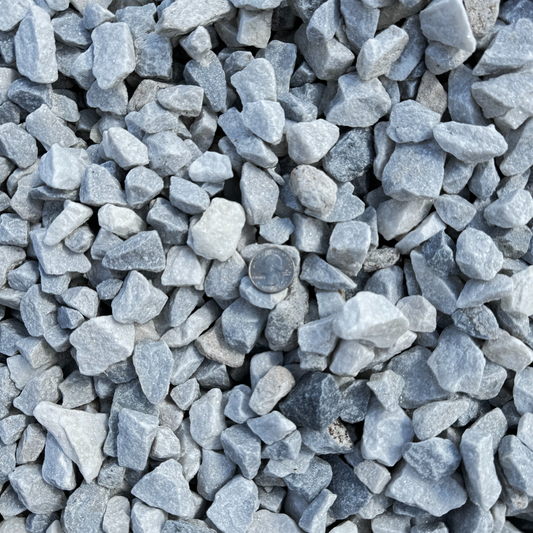
- ½ cubic yard Treated Rock Salt (the deeper-cold workhorse for Worcester County)
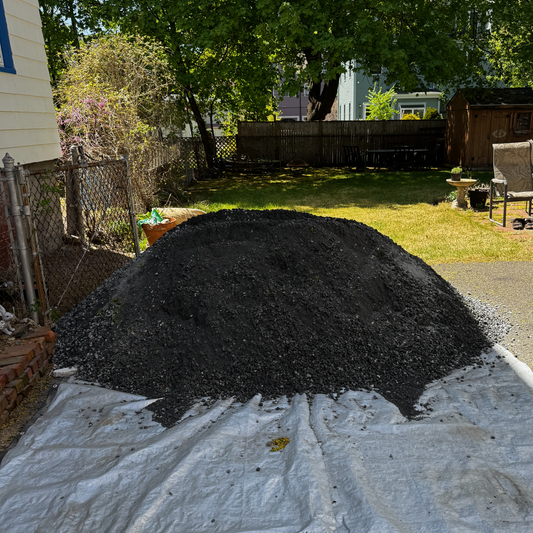
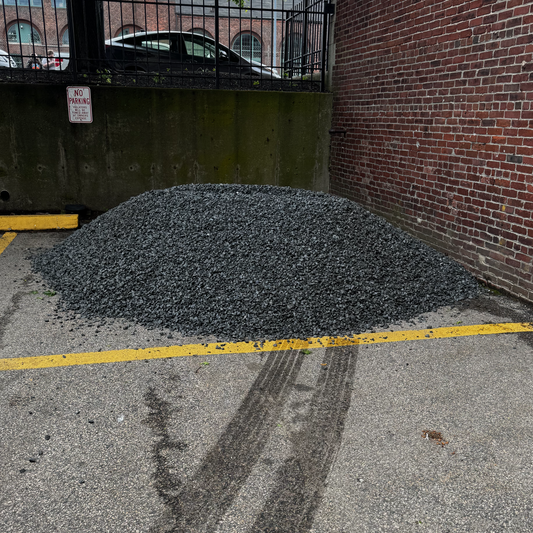
- ¼ cubic yard Salt & Sand 50/50 for the lawn-edge stretches
- 10 to 20 stake markers (orange or reflective)
- Snow shovel, push broom
- Snowblower (verified running)
- Tarps for indoor salt storage
Order from the Snow & Ice Management collection.
Step 1 — Walk the Driveway (15 minutes)
Walk the full driveway end to end. Mark potholes, settled spots, and drainage issues with garden flags or spray paint. Once snow covers the surface, you can't see them — and a plow blade catching a settled crack rips the patch open. If you spot a problem, fix it now or note it so you broom-clear that spot first after every storm.
Step 2 — Mark Plow Lines (30 minutes)
Set stake markers along both driveway edges every 10 feet. Reflective stakes ($1 to $2 each) prevent plows (yours or a contractor's) from peeling lawn off the edge. The markers also keep you from steering wrong by 6 feet at 3 AM during a heavy storm.
For lawns that already took plow damage in past years, see How to Reseed a Bare Spot Where the Snow Plow Tore Out a Medford Lawn — same April playbook applies in Holden, Sterling, and Princeton.
Step 3 — Stage Materials at the Garage (45 minutes)
Move ½ cubic yard of Treated Rock Salt and ¼ cubic yard of Salt & Sand 50/50 inside the garage onto tarps. Worcester County hits 5°F to 10°F colder than coastal MA on a typical winter night — Treated Rock Salt extends working temperature 5 to 10°F lower than untreated, and that buys you usable melt down to about 5°F vs. 15°F.
For storage best practice, see How to Pre-Order Bulk Rock Salt for a Plymouth County Property — same indoor-bin approach.
Step 4 — Pre-Treat With Brine If Storm Imminent (20 minutes)
A pre-storm brine application 2 to 6 hours before snow starts stops the snow-to-pavement bond from forming in the first place. For a Worcester County driveway (typically 600 to 1,200 sq ft), that's about 1 to 2 gallons of brine broadcast across the surface.
For the full brine method, see How to Apply Pre-Treatment Brine in a Plymouth Driveway.
Step 5 — Confirm Tools Are Ready (10 minutes)
Verify the snowblower starts (don't wait until 6 AM during a storm to find it doesn't). Verify the shovel handle is intact. Verify the push broom is accessible. If you contract snow removal, confirm the contractor has your address on this season's route.
For first-snow contractor scheduling, see First-Snow Crew Routes for Winchester Snow-Removal Operators — same logic applies in Worcester County.
A Note on Forecasting
The National Weather Service — Boston issues Winter Weather Advisories and Winter Storm Warnings 24 to 48 hours ahead of major events. Worcester County crosses two NWS coverage zones (Worcester and Northern Worcester); subscribe to both and watch the Winter Weather Discussion product for the most useful 24-hour outlook.
What's Next in December
December 12 covers the pre-salt routine for a Wellesley walkway — see What's the Right Pre-Salt Routine for a Wellesley Walkway? for the next article in the cluster.