Quick Answer
A Wellesley walkway pre-salt routine works on 3 numbers: apply 1 to 2 ounces per square foot of walkway, time it 2 to 6 hours before snow or ice is forecast, and use Treated Rock Salt or Salt & Sand 20/80 for landscape-adjacent walks. For a typical 50 sq ft Wellesley front walk, that's 4 to 6 ounces of salt — less than half a coffee mug. The whole routine takes 5 minutes and prevents the snow-to-pavement bond that makes post-storm cleanup ten times harder.
Why Pre-Salting Matters in Wellesley
Wellesley walkways run between two failure modes: over-salted (blackens beds, kills curb-edge lawn, scales concrete) and under-prepared (slip risk, hard cleanup, ice that lasts a week). Pre-salting threads the needle — small amount of product, applied early, prevents the worst of both.
If you're prepping the driveway too, see How to Prep a Worcester County Driveway for the First Snow — same pre-treatment logic.
Q: What is pre-salting?
A: Applying a small amount of salt or brine to a dry walkway 2 to 6 hours before snow or ice arrives. The salt creates a thin chemical barrier that prevents snow from bonding to the pavement surface. When snow does land, it sits loose and brooms off in seconds rather than welding to concrete in 20 minutes.
Q: How much salt do I need for a Wellesley walkway?
A: 1 to 2 ounces per square foot. A typical 50 sq ft Wellesley front walk needs roughly 4 to 6 ounces of salt — less than half a coffee mug. Heavier than that and you're over-applying — saving lawn and concrete starts with using less, not more.
For per-driveway math by size, see How to Calculate Salt-Sand for a Dorchester December Driveway.
Q: When should I apply pre-salt?
A: 2 to 6 hours before snow or ice is forecast. Earlier than 6 hours and salt blows or washes away. Later than 2 hours and snow may already be sticking. The sweet spot for Wellesley is 3 to 4 hours ahead — typically late afternoon for an overnight storm or mid-morning for an evening storm.
Q: What product works best for pre-salting?
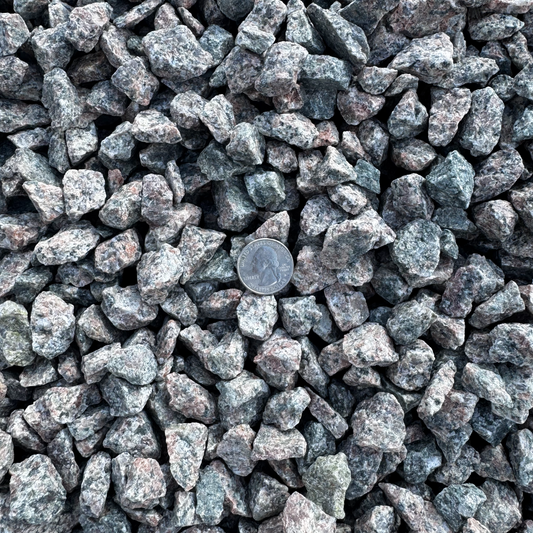
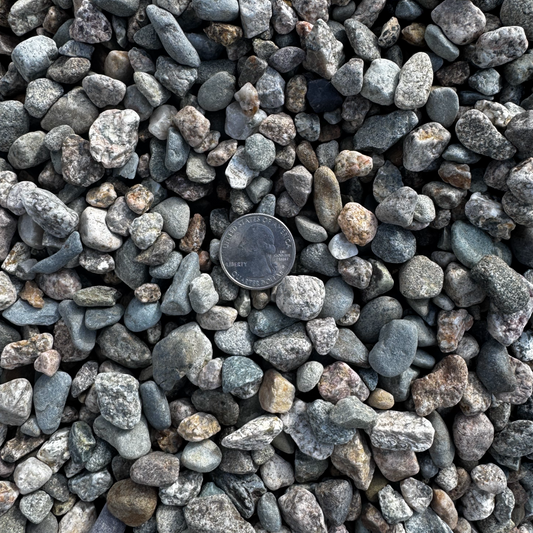
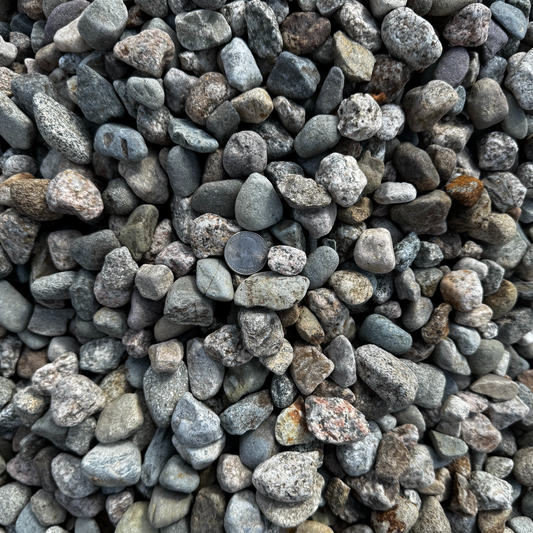
A: Treated Rock Salt or a brine pre-mix. - Treated Rock Salt has a liquid coating that sticks to the surface and resists blow-off. Best for residential pre-salting. - Brine (a 23% salt solution) sprayed at 35 to 50 gallons per acre is the contractor-grade approach. Browse the Snow & Ice Management collection for both. For Wellesley delivery, see the Wellesley Landscape Supply page.
Q: Can I pre-salt with rock salt and sand?
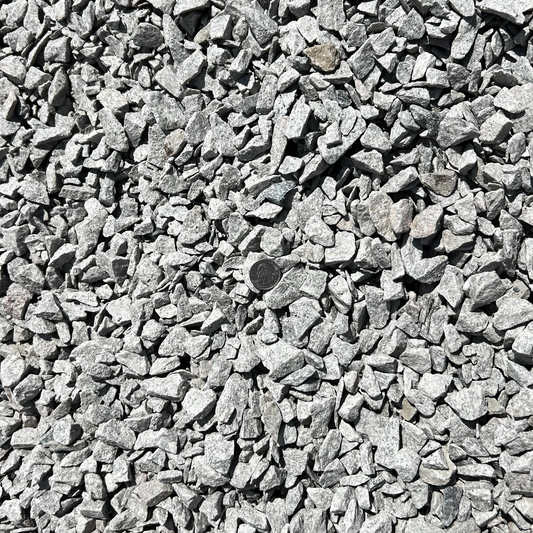
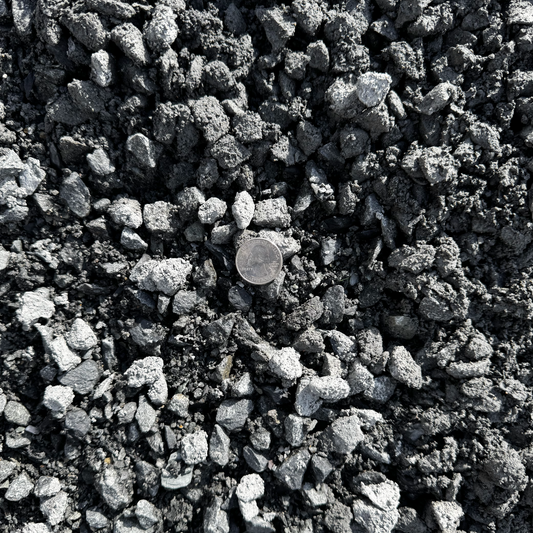
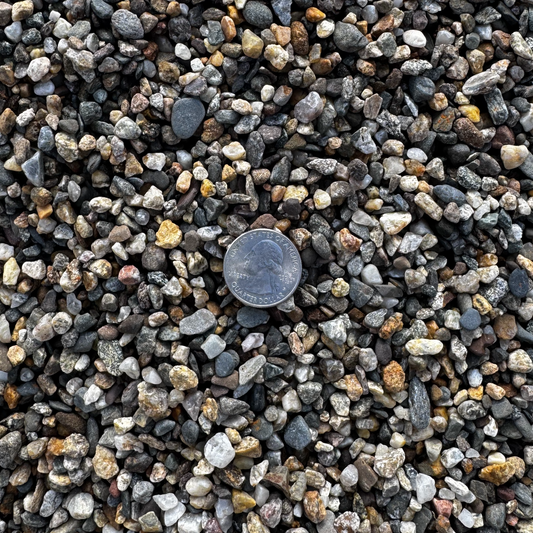
A: Yes — Salt & Sand 20/80 works for pre-treatment near landscaping. The 20/80 blend (20% salt, 80% sand) carries enough chloride to break the snow bond while keeping the chloride load low enough to protect lawn edges and ornamental beds. The sand also provides traction immediately — useful if frost forms before snow arrives.
Q: Will rain wash my pre-salt away?
A: Heavy rain washes salt; light rain often doesn't. Watch the forecast for rain-then-snow patterns. If rain falls before snow, re-apply salt 2 hours before the snow starts. If snow falls dry from the start, the original pre-salt holds.
Q: Is pre-salting safe for plants and pets?
A: Yes — at recommended rates, it uses about half the salt of post-storm treatment. Lower chloride load means less curb-edge damage and less paw irritation. For full landscape protection, see Does Rock Salt Really Kill Newton Lawns? — Wellesley front walks have the same exposure pattern as Newton.
For chloride runoff impact, the EPA Smart Salting program is the regional authority.
Q: Can I pre-salt the day before?
A: Not effectively. Salt left on a dry walkway for more than 8 hours either blows away or absorbs ambient moisture and loses concentration. Stay in the 2 to 6 hour window.
A Wellesley Walkway Pre-Salt Routine
- Watch the forecast Sunday night for the week's storm risk.
- 3 to 4 hours before any forecast snow or ice, broadcast 1 to 2 oz/sq ft of Treated Rock Salt or Salt & Sand 20/80.
- Don't over-apply — half a coffee mug for a typical 50 sq ft front walk.
- Re-apply if rain comes through before the snow.
- After the storm, broom snow off within 2 hours — pre-salt prevents the bond, but you still need to remove the snow itself.
For ice-prevention material picks, see Top 5 Ice-Prevention Materials for Newton Driveways.
What's Next in December
December 13 covers the top ice-prevention materials for Newton driveways — see Top 5 Ice-Prevention Materials for Newton Driveways.