Quick Answer
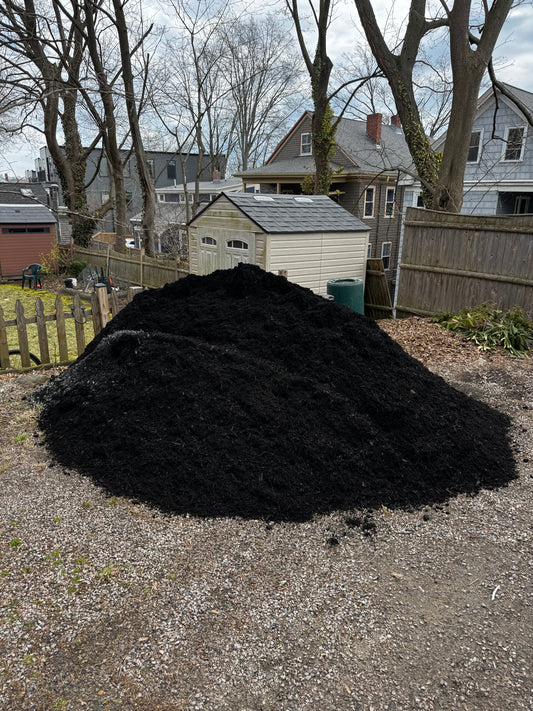
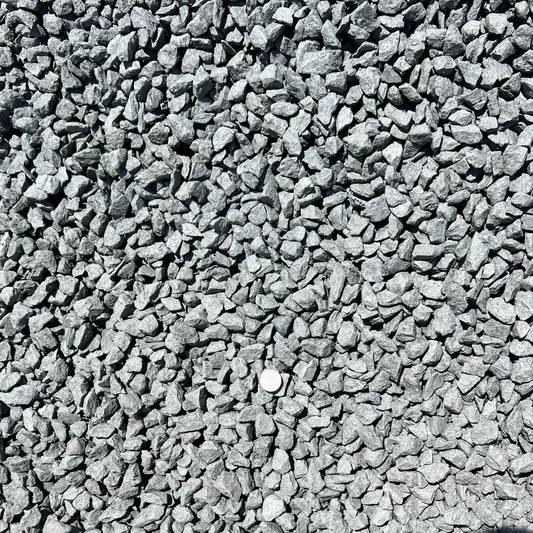
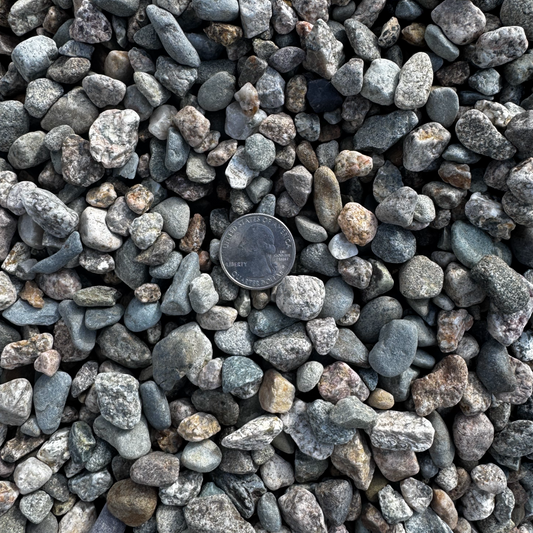
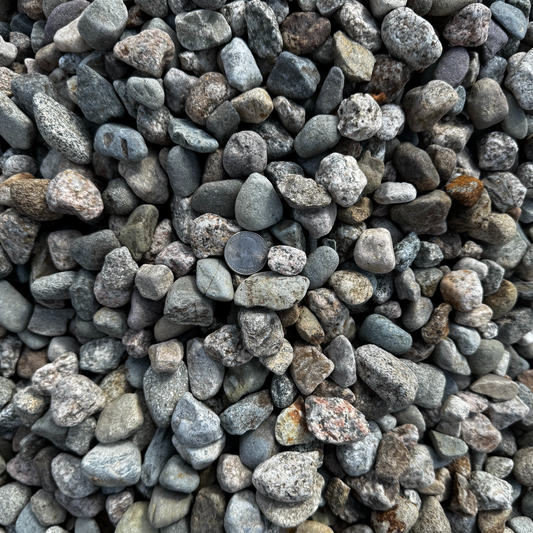
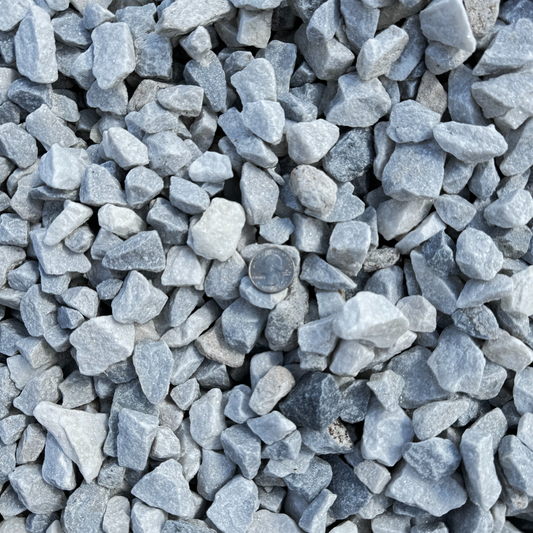
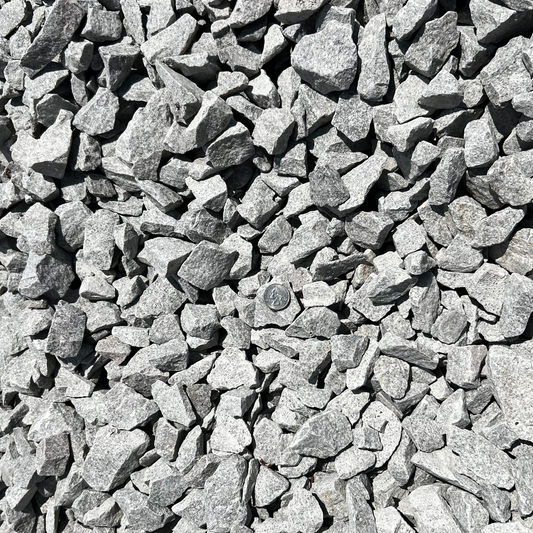
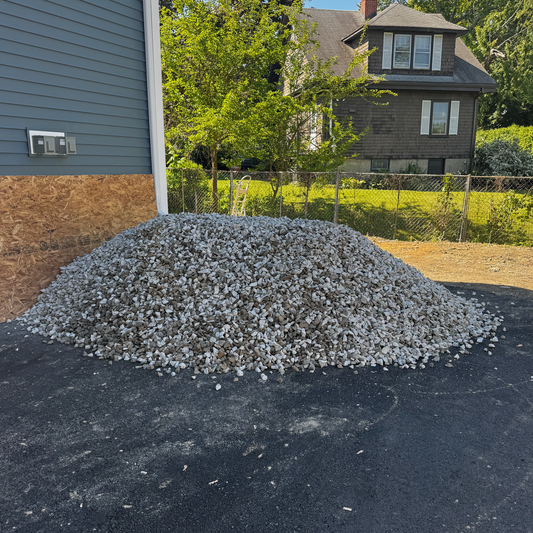
Five ice-prevention materials cover every Newton driveway scenario: Treated Rock Salt for the deeper-cold workhorse, Salt & Sand 20/80 for landscape-adjacent stretches, Salt & Sand 50/50 for moderate-traction zones, pre-treatment brine for proactive coverage 2 to 6 hours before storms, and Mason Sand for the lawn-edge sections where you want zero chloride. The right Newton stack runs Treated Rock Salt central + Salt & Sand 20/80 at the lawn edge + brine pre-treatment.
Why Newton Driveways Need a Tiered Approach
Newton lawns are the single most-protected curb edge in eastern MA — Garden City reputation, mature plantings, irrigated front yards. Uniform rock salt application across the whole driveway costs more in salt and kills the curb-edge grass. A tiered approach saves both.
If the curb-edge damage stripe is already familiar, see Does Rock Salt Really Kill Newton Lawns? for the full damage and recovery playbook.
1. Treated Rock Salt
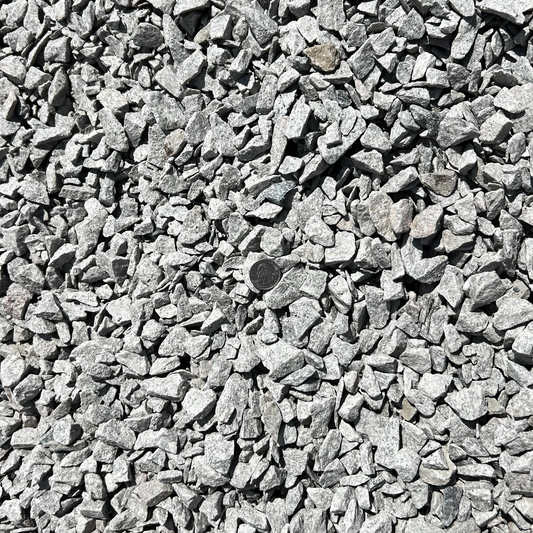
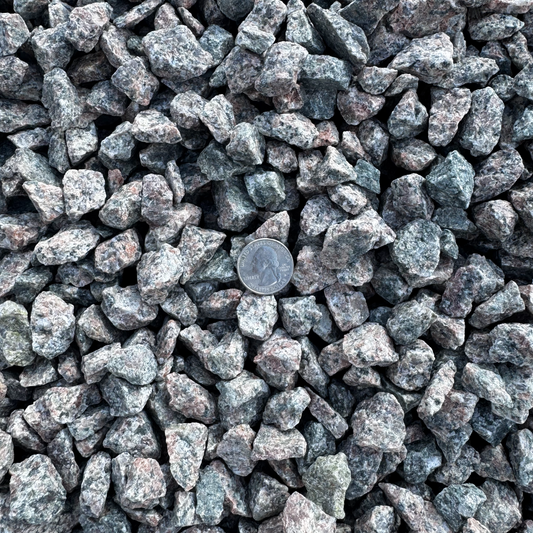
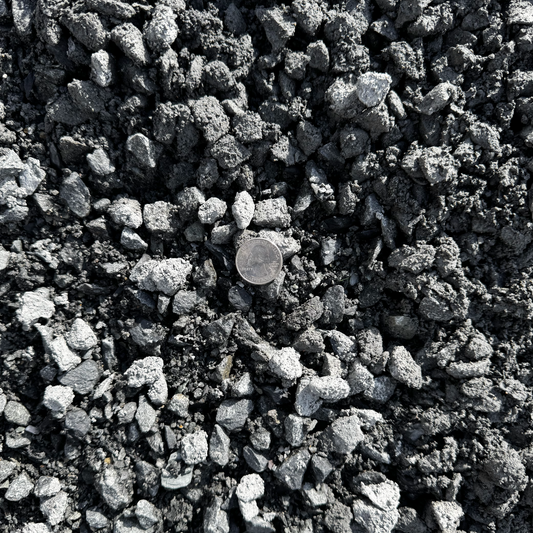
Effective to roughly 5°F. Liquid-coated rock salt sticks to surfaces better than untreated, resists blow-off, and extends working temperature 5 to 10°F lower. Use this for the central driveway — the section that gets the heaviest plowing and walking traffic.
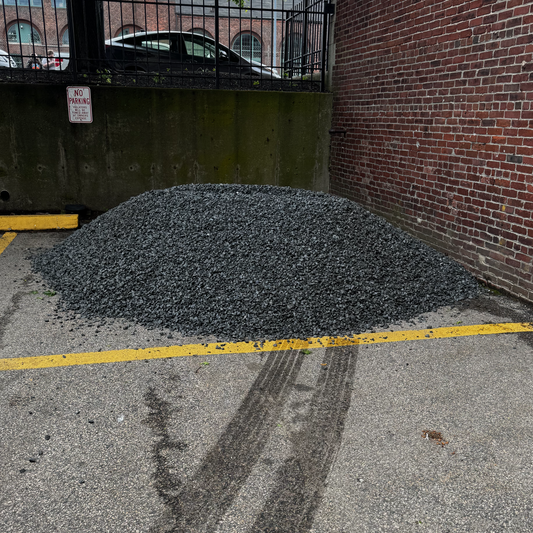
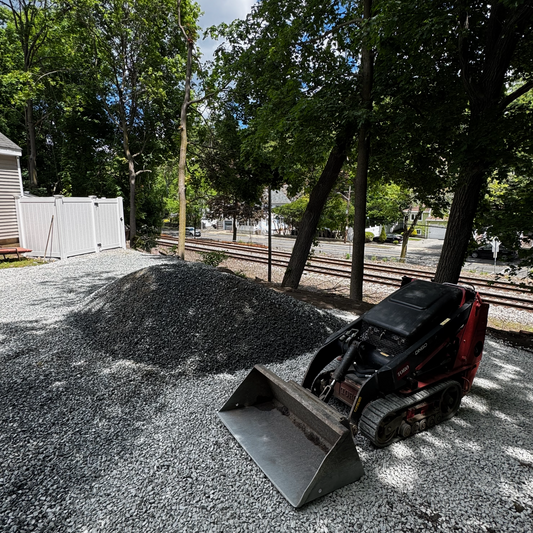
Order by the cubic yard from the Snow & Ice Management collection. For Newton delivery, see the Newton Landscape Supply page.
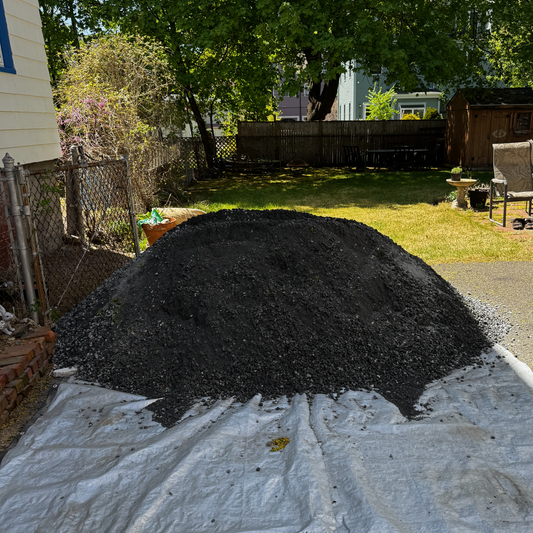
2. Salt & Sand 20/80
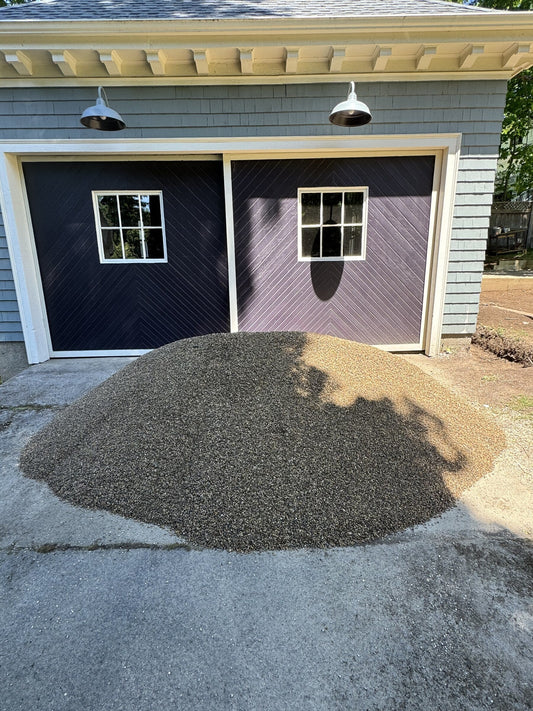
The Newton lawn-edge specialist. 20% rock salt, 80% sand. Provides traction with one-fifth the chloride load of straight rock salt. Use within 6 feet of any lawn or planting bed — that's where curb-edge damage shows up by April.
For application math, see What's the Right Pre-Salt Routine for a Wellesley Walkway? — same per-square-foot rates apply in Newton.
3. Salt & Sand 50/50
Mid-tier blend. Half rock salt, half sand. Use for moderate-traction zones — the mid-driveway transition between the heavily salted center and the lawn-edge sand zone. Faster melt than 20/80, less chloride than straight rock salt.
4. Pre-Treatment Brine
The proactive option. A 23% salt solution applied 2 to 6 hours before snow prevents the snow-to-pavement bond from forming. For Newton driveways, brine is the move when forecasts show 1"+ snow or freezing rain. Cuts post-storm salt use by 30 to 50%.
For the brine application method, see How to Apply Pre-Treatment Brine in a Plymouth Driveway.
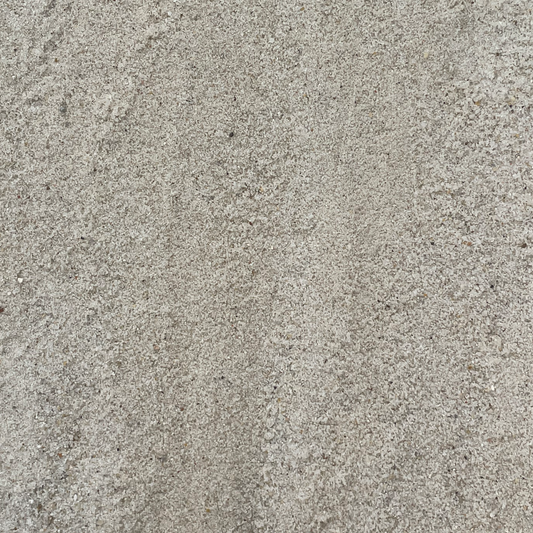
5. Mason Sand (Traction-Only)
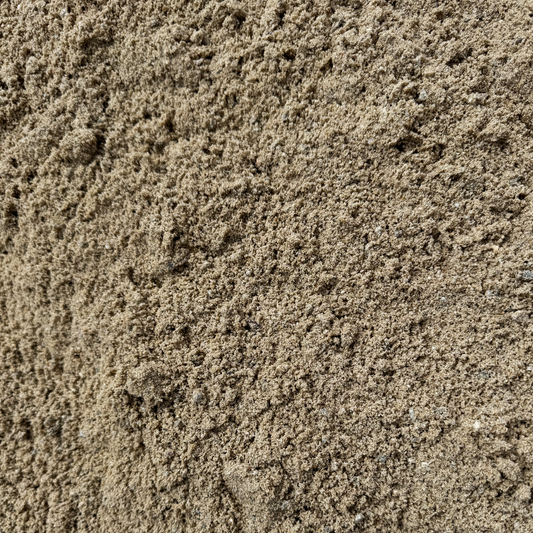
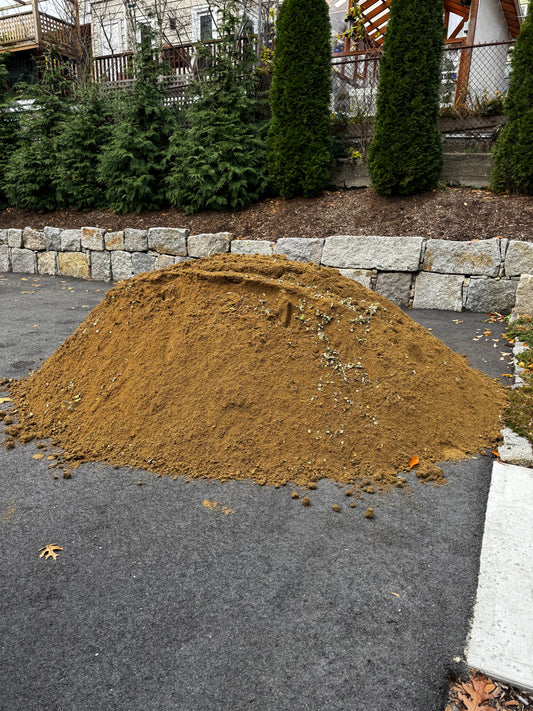
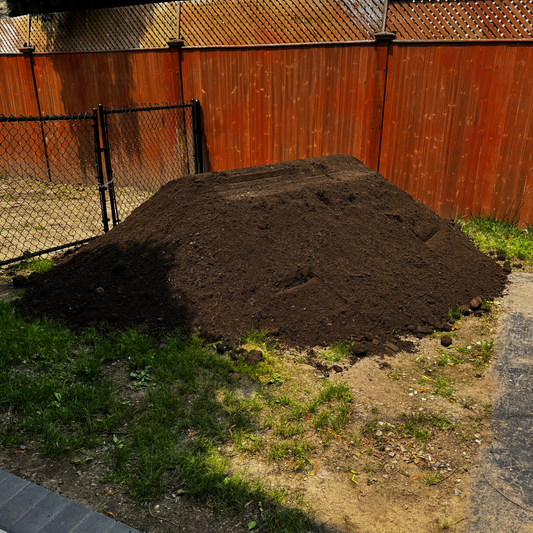
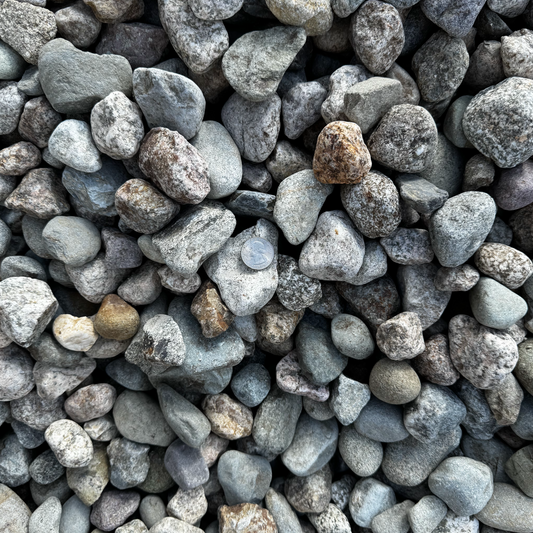
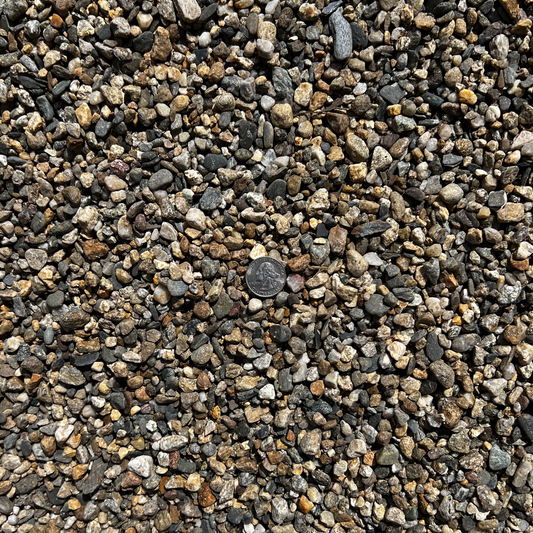
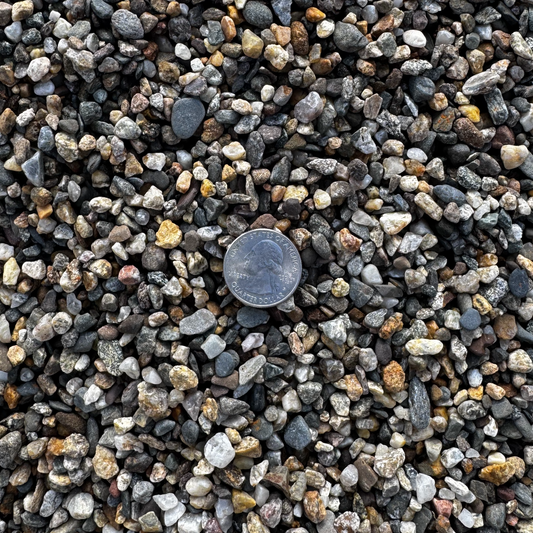
Zero chloride. Pure sand for the last 2 feet adjacent to flower beds, irrigation heads, and ornamental shrubs. No melting power — but full traction and zero plant or pet exposure. Sweep up in spring and reuse in the bin.
Order Mason Sand by the cubic yard from the same Snow & Ice Management collection.
The Newton Driveway Application Map
| Zone | Material | Why |
|---|---|---|
| Driveway center (top 60%) | Treated Rock Salt | Maximum melt, plowed traffic |
| Mid-driveway transition | Salt & Sand 50/50 | Balance melt + traction |
| Lawn-edge band (6 ft from grass) | Salt & Sand 20/80 | Protects curb-edge lawn |
| Bed-adjacent strip (2 ft from beds) | Mason Sand | Zero chloride near plants |
| Pre-storm proactive | Brine | Stops bond formation |
Cost vs. Lawn-Damage Math
A typical Newton driveway uses 300 lb of straight rock salt per winter under uniform application. Switching to the tiered approach above: - ~150 lb Treated Rock Salt (center) - ~100 lb Salt & Sand 50/50 (transition) - ~150 lb Salt & Sand 20/80 (lawn edge) - ~50 lb Mason Sand (bed-adjacent) - ~5 gal brine (pre-treatment)
Total chloride load drops by roughly 40% — and the curb-edge lawn typically goes from a 12-inch damage stripe to a 3-inch (or none).
For broader chloride-runoff impact, the EPA Smart Salting program has the most authoritative regional guidance.
What's Next in December
December 14 covers contractor first-snow routes for Winchester operators — see First-Snow Crew Routes for Winchester Snow-Removal Operators.