Quick Answer
Winchester first-snow routes work best when densified by neighborhood and material loadout: cluster 8 to 12 driveways within a 1-mile radius, run 2 cubic yards of Treated Rock Salt + 1 cubic yard of Salt & Sand 20/80 per truck, and bill the first-snow event at the early-season rate ($85 to $135 per residential driveway depending on size). The Winchester operating window for the first storm is typically December 10 to 22, and the crews that pre-stage materials by December 5 finish the route 30% faster.
Why Winchester Matters for First-Snow Logistics
Winchester sits in a higher-elevation pocket between Boston and the Middlesex Fells — first measurable snow lands 1 to 3 days earlier than Boston-adjacent Medford or Arlington. Crews running mixed-town routes need to prioritize Winchester accounts when the forecast is borderline.
If you handled Worcester County prep, see How to Prep a Worcester County Driveway for the First Snow — same prep logic, applied to a contractor route.
Route Density: 8 to 12 Driveways Within 1 Mile
The single biggest profit lever on a Winchester first-snow route is driveway density. Crews running 8 to 12 residential driveways within a 1-mile radius pull $1,000 to $1,600 per truck per event. Crews scattered across 4 towns pull $400 to $700 per truck for the same hours.
Densify the route now, before the first storm hits. Drop scattered accounts that don't fit the cluster pattern.
Material Loadout per Truck
For a Winchester first-snow truck (typical 2-yard salt spreader):
| Material | Volume | Use |
|---|---|---|
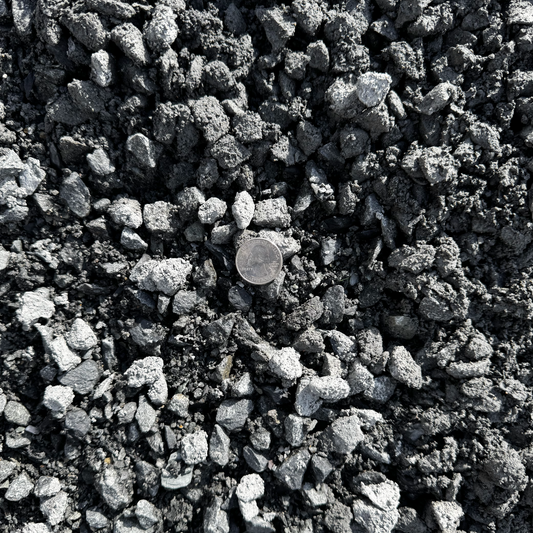
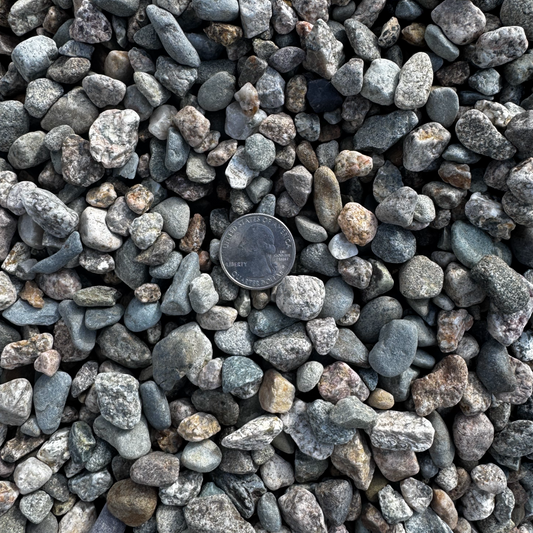
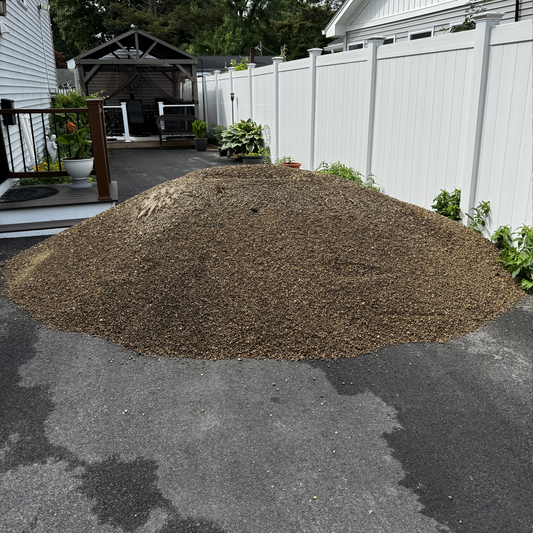
| Treated Rock Salt | 2 cubic yards | Driveway centers, commercial lots |
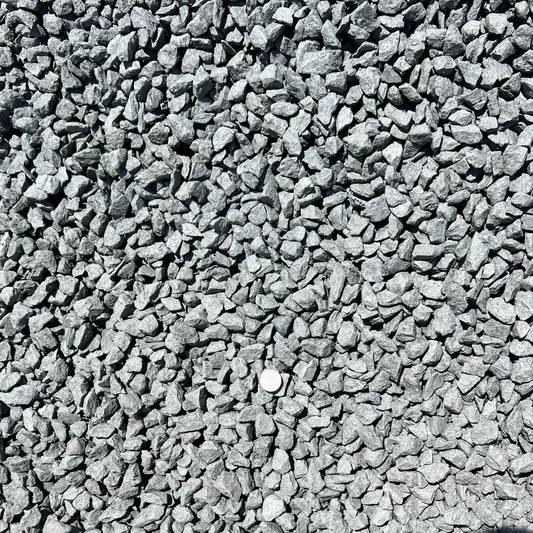
| Salt & Sand 20/80 | 1 cubic yard | Lawn-edge stretches, residential walks |
| Calcium Chloride flake | 50 lb bag | Sub-15°F cold spots |
| Pre-mix brine | 25 gallons | Pre-treatment runs |
Order from the Snow & Ice Management collection. For Winchester delivery scheduling, see the Winchester Landscape Supply page.
Bidding Math: $85 to $135 per Residential Driveway
The Winchester first-snow rate range:
| Driveway type | Size | First-snow rate |
|---|---|---|
| Single-car flat | <600 sq ft | $85–$95 |
| Two-car flat | 600–1,000 sq ft | $95–$110 |
| Two-car sloped | 600–1,000 sq ft | $110–$125 |
| Estate / multi-car | >1,000 sq ft | $125–$160 |
Built into those rates: labor, fuel, plow blade wear, salt at $0.08 to $0.12/lb actual cost. Don't undersell first-snow events — the rate sets your margin for the whole season.
Pre-Stage by December 5
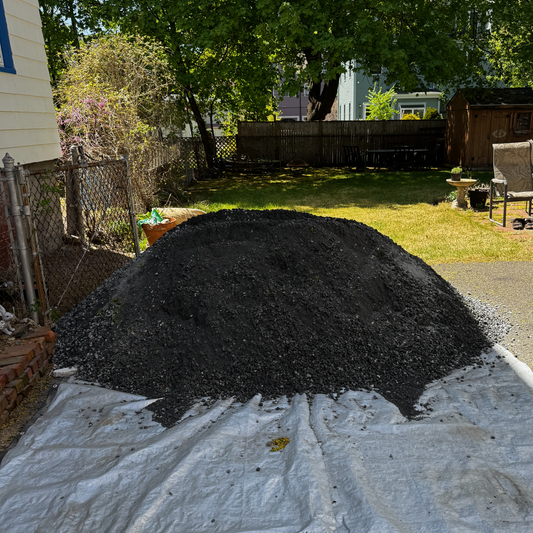
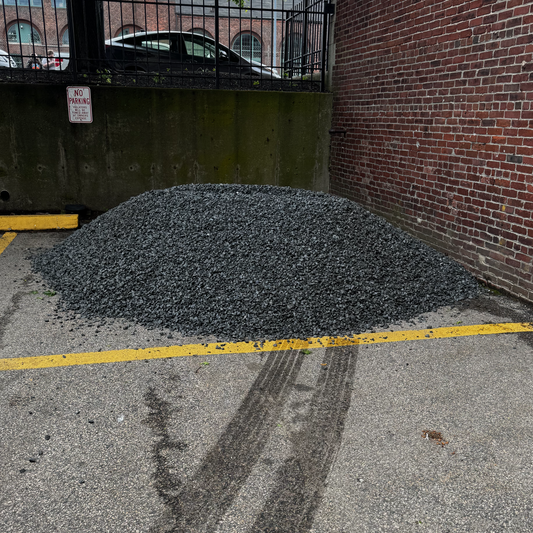
Crews that pre-stage materials by December 5 finish first-snow routes 30% faster. The math: backed-up bulk yards in late December run 90+ minute waits; pre-bought salt sitting in your shop is a 5-minute pickup. Order 4-yard bulk loads from Ottr the first week of December for delivery before the 10th.
For pre-order strategy, see How to Pre-Order Bulk Rock Salt for a Plymouth County Property — same logic at contractor scale.
Pre-Treatment as a Profit Center
A brine pre-treatment service ($25 to $40 add-on per residential account) is the highest-margin add-on most Winchester crews aren't selling. Application takes 2 minutes per driveway; product cost is under $2. Margin runs 85%+.
For application method, see How to Apply Pre-Treatment Brine in a Plymouth Driveway. Sell it to all accounts as part of the season package, not à la carte.
Crew Schedule for the First Event
A typical Winchester first-snow event:
- T-12 hours: Confirm forecast. Crew check-in via group text.
- T-6 to T-2 hours: Brine pre-treatment runs (smaller crew, 1 truck, 30 to 50 driveways).
- T+1 hour after snow ends: Plow + salt main runs. 2 trucks, 8–12 driveways each, 4 to 6 hours total.
- T+24 hours: Walkway re-treatment for any refreeze. 1 truck, 30 driveways, 2 hours.
For walkway routine details, see What's the Right Pre-Salt Routine for a Wellesley Walkway? — same routine scales to a route.
What's Next in December
December 15 covers December salt tips for Suffolk County driveways — see 5 December Salt Tips for Suffolk County Driveways.
For broader winter operations guidance, the MA Department of Transportation publishes salt-use and road-condition guidance that scales useful at the residential level.