Quick Answer
Pre-order bulk rock salt for a Plymouth County property by November 18–25 — before the forecast lands on the first major storm and the regional supply runs tight. Calculate your need at 0.5–1.0 cubic yard per 1,000 sq ft of driveway-and-walk for a typical season. Pick Untreated Rock Salt for general-use driveways, Treated Rock Salt for sub-15°F overnights, or Salt & Sand 20/80 for lawn-edge protection. Schedule the delivery 7–10 days out during peak winter; clear an 8'×10' drop site; tarp the pile.
Why November Pre-Order Matters in Plymouth County
Plymouth County — South Shore, coastal exposure, moderate snowfall but heavy ice events — sees its first measurable snow between December 5 and 18 in most years. Once a storm lands on the 7-day forecast, every Plymouth County contractor and DIY homeowner is calling Ottr the same day. Lead times stretch from 2–3 days in November to 7–10 days in storm-watch weeks.
Pre-ordering in November locks pricing, secures the truck slot, and means you're stocked before the demand spike.
For homeowner-side context, see How to Order Bulk Winter Sand for a Plymouth, MA Driveway and Top 5 Salt-Sand Pre-Order Strategies for Plymouth Properties.
What You Need
- Tape measure for driveway + walkway sq ft
- Phone or order form to call/email Ottr
- 8'×10' clear, level drop site (driveway entry usually fine)
- Tarp or plywood to protect the asphalt from staining (optional but smart)
Step 1 — Calculate Need
Measure total area to be treated: - Driveway sq ft (length × width) - Walkway sq ft - Steps and landings (count as 1.5x footprint due to repeat applications)
Apply the 0.5–1.0 cubic yard per 1,000 sq ft rule for a full Plymouth County winter (roughly 18–25 application events).
Examples: - 800 sq ft single-family driveway + 100 sq ft walk = ~1 cubic yard - 1,500 sq ft two-car driveway + 200 sq ft walk + 30 sq ft steps = ~1.7 cubic yards - Commercial Plymouth lot, 5,000 sq ft = 4–5 cubic yards
For the homeowner-side application math, see How Much Rock Salt Do I Need for a Roslindale Driveway This Winter?.
Step 2 — Pick the Product
Three core Ottr stocked products by the cubic yard:
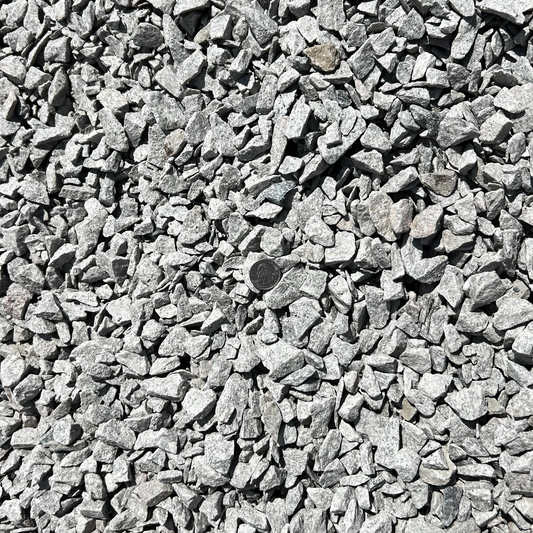
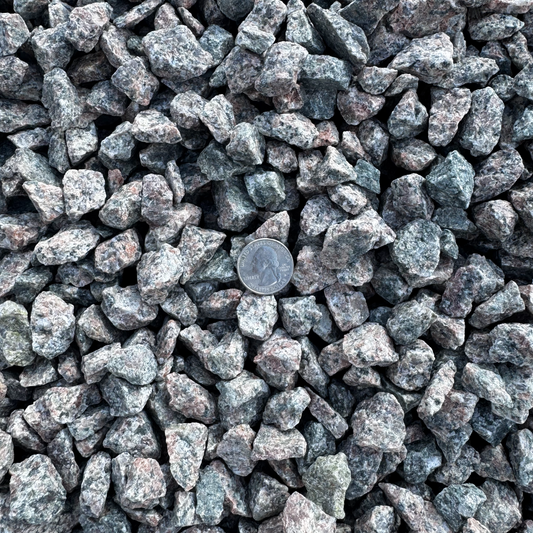
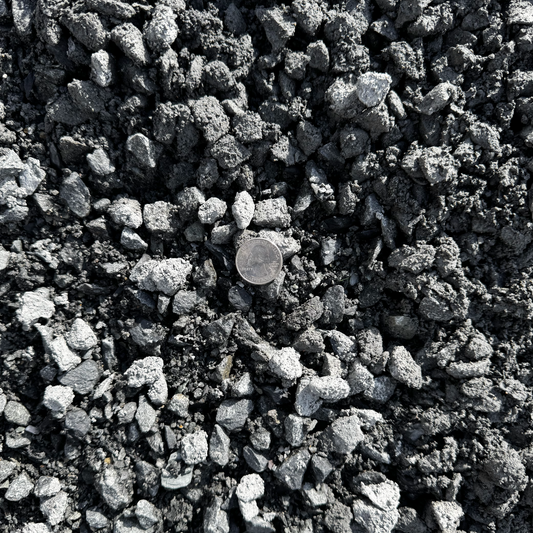
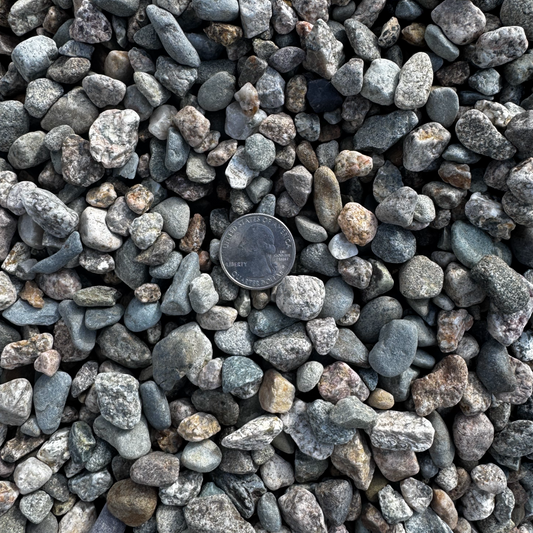
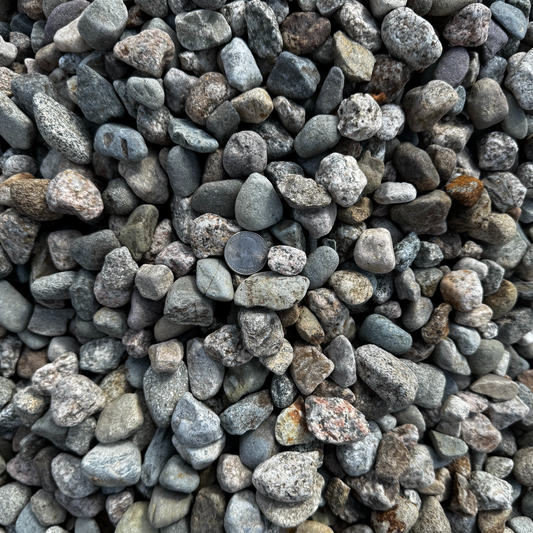
- Rock Salt (Untreated) — sodium chloride. The general-use workhorse. Effective down to 15°F. Cheapest per yard. Right call for the central drive.
- Rock Salt (Treated) — sodium chloride pre-blended with magnesium chloride or calcium chloride brine. Effective down to 0°F. ~30% more per yard. Right call for cold-snap reliability and overnights below 15°F.
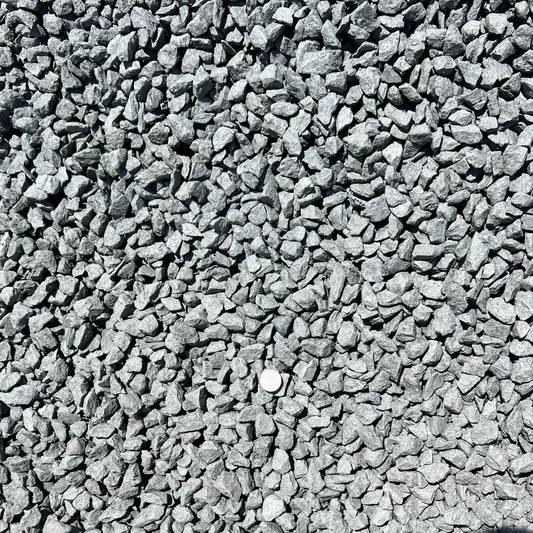
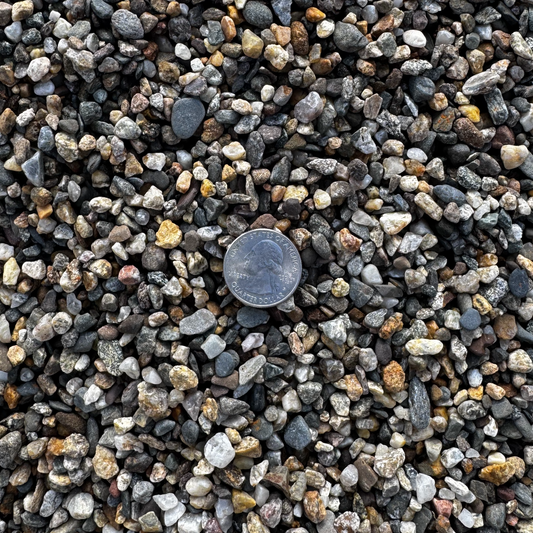
- Salt & Sand 20/80 — 20% salt, 80% sand. Lighter chloride load. Right call for lawn-adjacent edges, brick walks, and old concrete.
- Salt & Sand 50/50 — half salt, half sand. Heavy melt + traction. Right call for shaded driveways that ice over and stay icy.
Most Plymouth County properties want a mix: 60–70% of yardage in Untreated for the central drive, 30–40% in Salt & Sand 20/80 or 50/50 for the edges and walks.
Step 3 — Schedule the Delivery
Lead time math: - November pre-order: 2–5 days - December storm-watch week: 7–10 days - After a storm forecast lands: delivery may not happen before the storm
Pre-book by November 18–25. Provide the dispatcher:
- Address + cross-street markers
- Cubic yards by blend
- Preferred drop location (driveway entry, side yard)
- Access constraints (low branches, narrow turn radius, gate codes)
- Date or time window
Truck options at Ottr: - 5–7 yard single-axle — for 1–3 yard residential orders - 14-yard tri-axle — for 4+ yard commercial orders
The smaller truck handles tight Plymouth cul-de-sacs better. Specify when ordering.
Step 4 — Prep the Drop Site
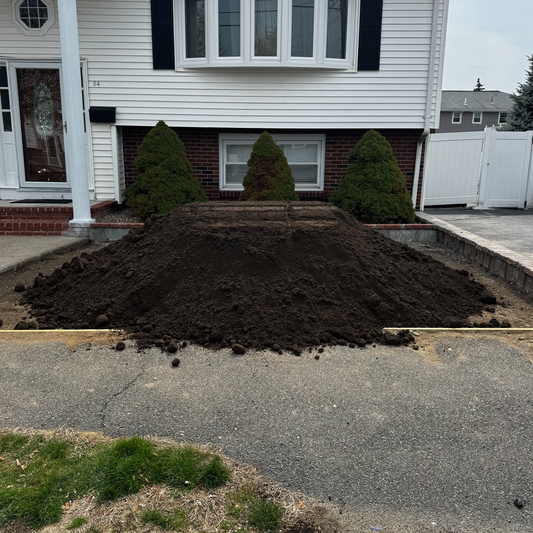
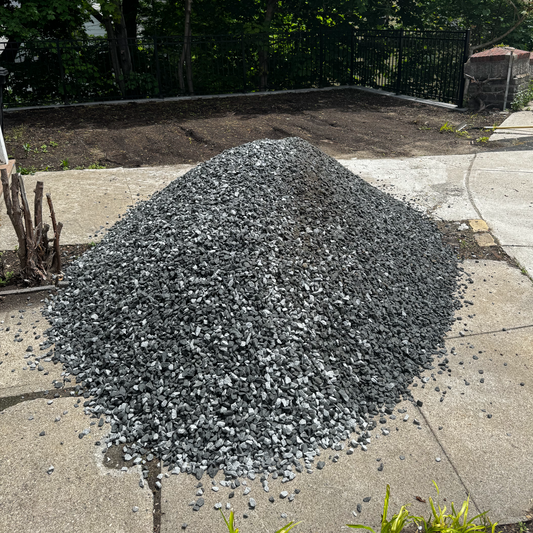
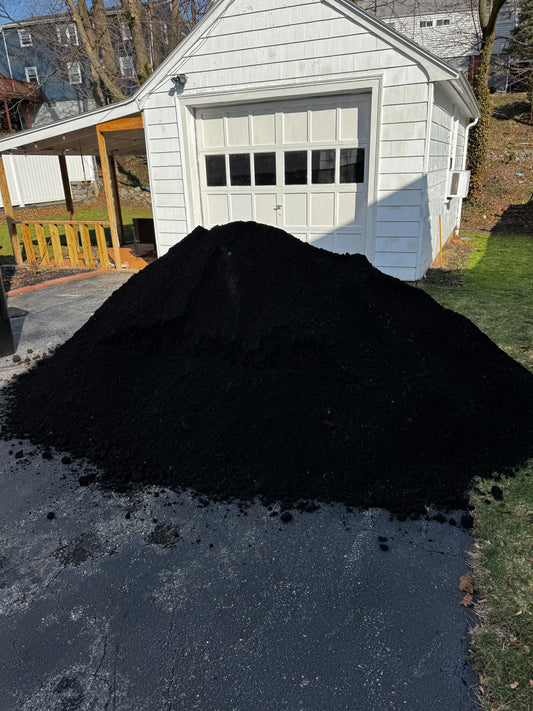
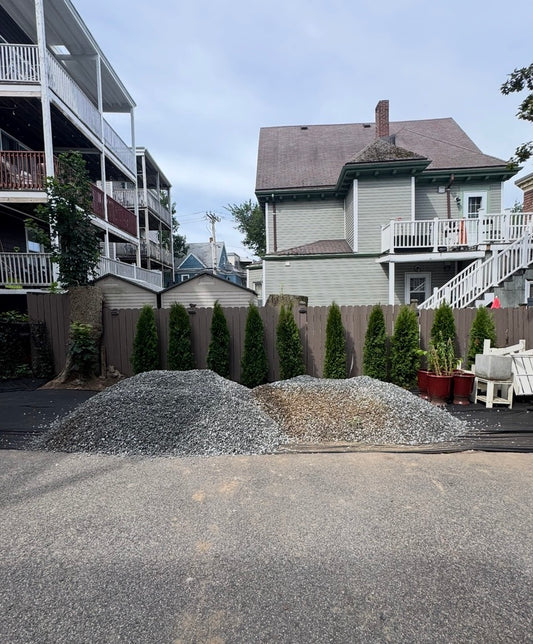
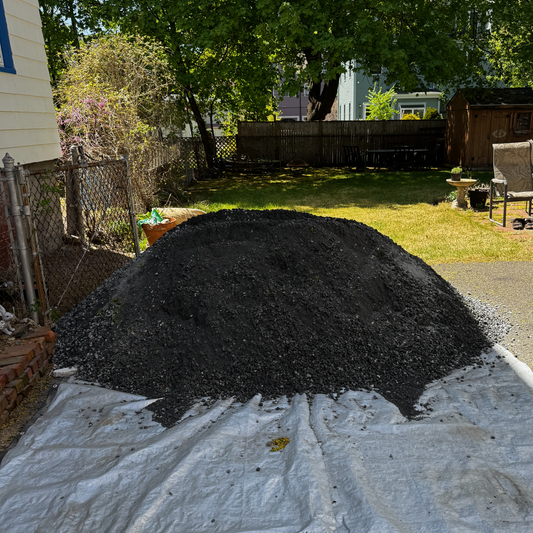
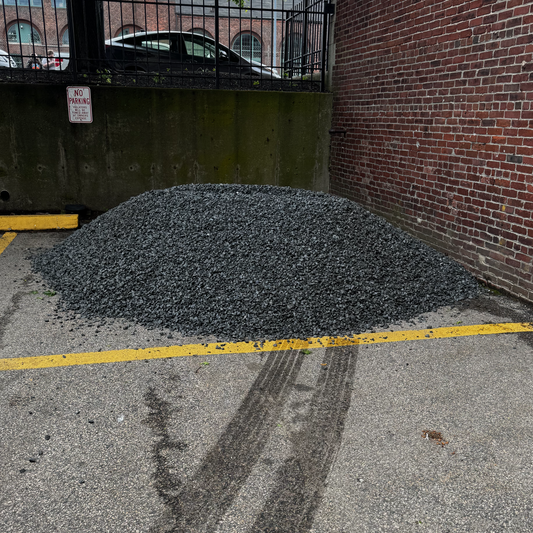
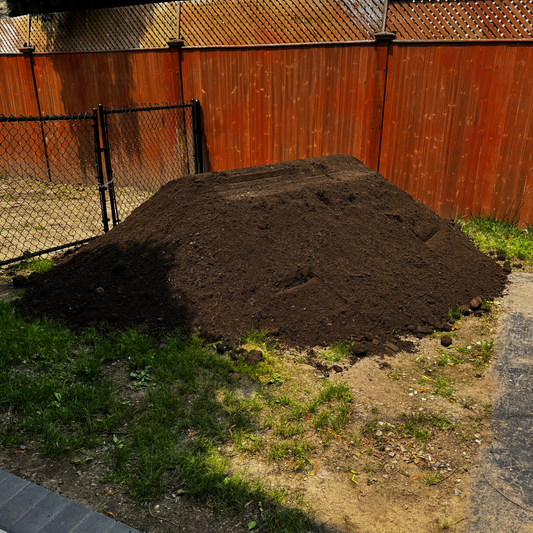
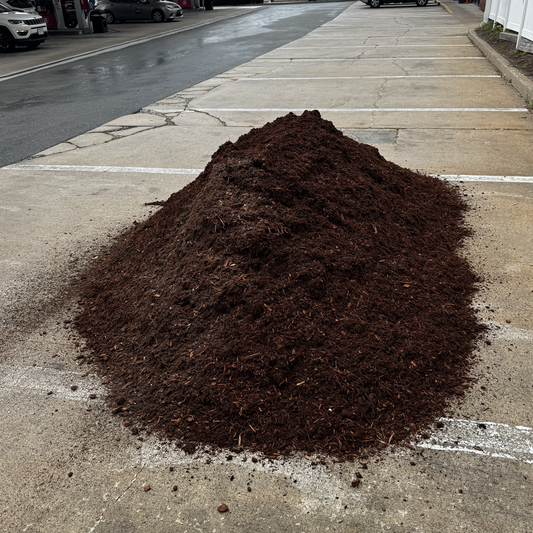
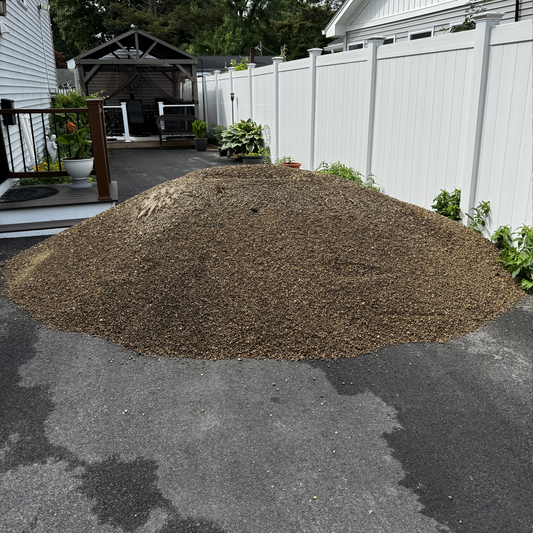
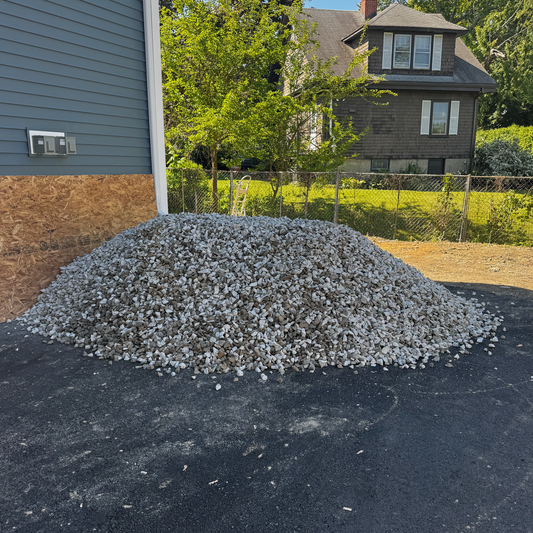
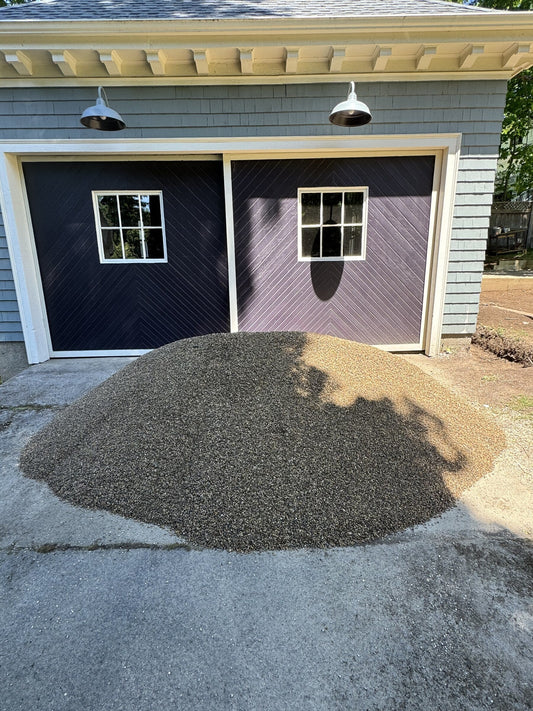
Clear an 8'×10' flat area. Pile heights: - 1 yard = 3 ft tall - 2 yards = 4 ft tall - 4 yards = 5 ft tall
Pad with tarp or plywood to prevent salt staining the asphalt. Especially important for treated salt — the brine tint stains.
If the truck can't reach your preferred drop location, dispatch can coordinate a curbside drop. Just ask in advance.
Step 5 — Inventory and Tarp
When the truck arrives, confirm the yardage before signing. A 2-yard pile shouldn't look like a 1-yard pile.
After unload: - Tarp the pile between storms — wet salt clumps fast and loses spreadability - For multi-yard orders, transfer to lidded bins as you work through it. See How to Build a Weatherproof Salt-Sand Bin for a Quincy Property for a DIY bin that works for Plymouth properties.
Common Mistakes
- Ordering after the storm forecast lands. You won't get delivery before the storm.
- Skipping the tarp. Salt absorbs moisture from November rains and clumps into a bricked pile.
- Mixing blends in the same drop. Order each blend as a separate drop so you don't lose the chemistry distinction.
- Forgetting curb-cut treatment. The metal curb edge needs its own salt application — usually a half pound at the cut.
- Under-ordering then re-ordering in December. The second order in storm-watch week is the one that doesn't show up in time.
Pricing Note
Ottr's bulk rock salt and salt-sand blend pricing drops in November pre-order season versus December storm-watch pricing. Pre-order discounts run 5–10% on volume orders.
Browse the Snow & Ice Management collection for current per-yard rates.
For Plymouth County-specific delivery, see the Plymouth County landscape supply collection.
The MA Department of Transportation salt management resources maintain the authoritative state salt application standards.