Quick Answer
Five mistakes account for most year-one plant deaths across Plymouth County: planting too deep (the root flare must be visible at grade), over-amended backfill (creates a soil sponge that drowns roots), mulch volcanoes (rots the trunk), wrong watering rhythm (small frequent vs. deep weekly), and skipping the staking decision (over- or under-staking both kill in different ways). Each is fixable. Most kill quietly — the tree looks fine in June and dies in August. Below: the diagnostic for each and how to course-correct.
Why Plymouth County Has a Year-One Problem
Plymouth County yards span everything from sandy coastal Cohasset and Marshfield to clay-heavy inland Bridgewater and Halifax. New homeowners (and even contractors) keep applying one technique to all those soils. The plants pay the price. The International Society of Arboriculture tracks these five errors as the cause of roughly 70% of year-one tree deaths in residential settings nationally.
This list is the diagnostic walk-through Plymouth County homeowners need every April when last year's plantings start to underperform.
#1 — Planting Too Deep
The mistake: Tree or shrub goes in with the top of the root ball flush with finished grade. The root flare (where the trunk widens) ends up 1–4 inches below grade.
Why it kills: Buried root flare slowly suffocates the trunk's cambium layer. Tree looks fine for 1–3 years, then declines suddenly. Often misdiagnosed as "drought stress" or "blight."
The fix: Brush soil off the top of the root ball before planting until you find the flare. Plant with the flare at or 1 inch above grade. If you've already planted too deep, excavate the top of the root ball this spring — the flare must see daylight. Detail in How to Plant a New Tree in a Lexington Yard With Loam and Compost.
#2 — Over-Amended Backfill
The mistake: Mixing 50% (or more) compost or "tree planting mix" into the backfill, especially in heavy clay yards.
Why it kills: The amended hole becomes a soil sponge. Water collects faster than the surrounding native clay can drain. Roots stay submerged. The tree drowns over a year or two. The classic "I dug a beautiful hole and the tree still died" mistake.
The fix: 75% native soil + 25% compost. No more. The roots have to leave the hole eventually; if the inside of the hole is much richer than the outside, roots circle within it and never spread out. For Plymouth County's clay-heavier zones (Bridgewater, Halifax, Plympton), How to Amend Heavy Clay Soil Common Across Norfolk County walks the broader-area amendment approach (same logic).
#3 — Mulch Volcanoes
The mistake: Mulch piled 6–12 inches deep against the trunk in a cone shape — the "volcano."
Why it kills: Constant moisture against the bark causes cambium rot. Roots grow upward into the mulch instead of out into soil. Tree starves at the cambium and eventually fails.
The fix: Mulch as a donut, not a volcano. 2 inches deep, 4-foot diameter, pulled back 4 inches from the trunk. Bare soil should touch bark. Detailed in How to Mulch Around a Newly Planted Winchester Tree (the Right Donut). If your existing trees have volcanoes, fix them this spring — pull the mulch back, expose the flare. Most trees recover if caught within 3 years.
#4 — Wrong Watering Rhythm
The mistake: Daily light watering through summer.
Why it kills: Shallow watering trains roots to stay near the surface. When August heat dries the top 2 inches, the entire root zone bakes. Tree dies in late summer despite the homeowner watering "every day."
The fix: Deep, infrequent watering. A 1.5"-caliper Plymouth County tree planted in April needs about 10 gallons every 5 days through summer, delivered slowly to the basin or via soaker hose. The bare-root planting walkthrough has the schedule: How to Plant Bare-Root Trees and Shrubs in a Cohasset Yard Before Bud Break.
#5 — Skipping the Staking Decision
The mistake A: Staking every tree, leaving stakes on for 2+ years. The mistake B: Staking nothing, leaving small new trees in high-wind sites unsupported.
Why each kills: - Over-staking prevents the trunk from flexing in wind, which is what builds taper and root anchorage. The trunk grows weak and pencil-thin. - Under-staking lets a 2"+ caliper tree rock in the planting hole during storms, which prevents root establishment and pulls the tree out of plumb permanently.
The fix: Stake only trees over 2" caliper or in genuinely high-wind sites. Use two stakes outside the root ball with loose flexible ties that allow some trunk flex. Remove all stakes after one year, full stop. If you're unsure, err on the side of not staking — the small flex actually strengthens trunks.
How These Five Show Up Together
A single Plymouth County homeowner often hits 3–4 of these in one planting:
- Too-deep planting + over-amended backfill = drowned root flare
- Mulch volcano + daily light watering = surface-rooted, then bark-rotted tree
- Permanent stakes + over-amendment = weak-trunked, root-circling tree
Done correctly, all five are easy. The cost is reading the spec and following it. The cost of getting them wrong is replacing trees in year 3.
Where to Buy the Right Bed-Prep Materials
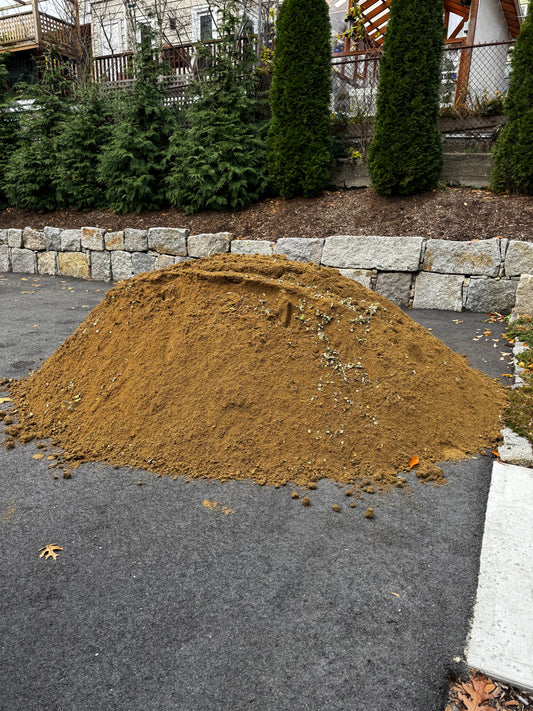
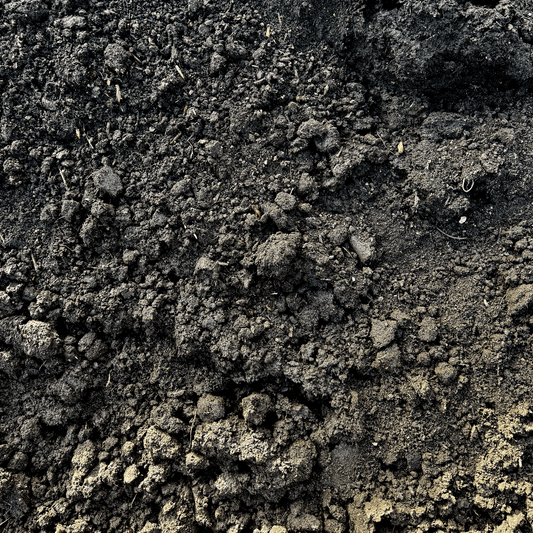
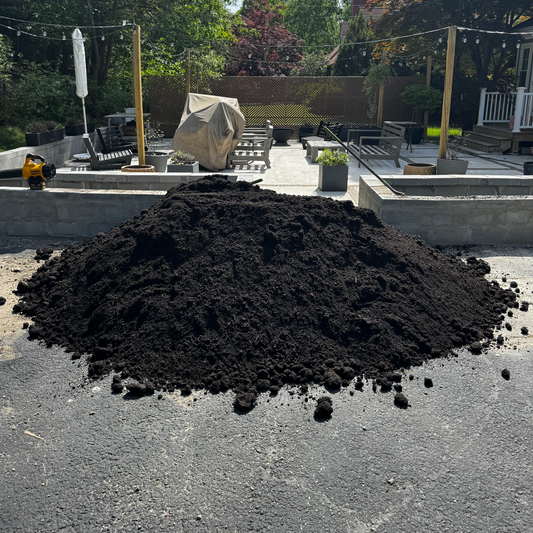
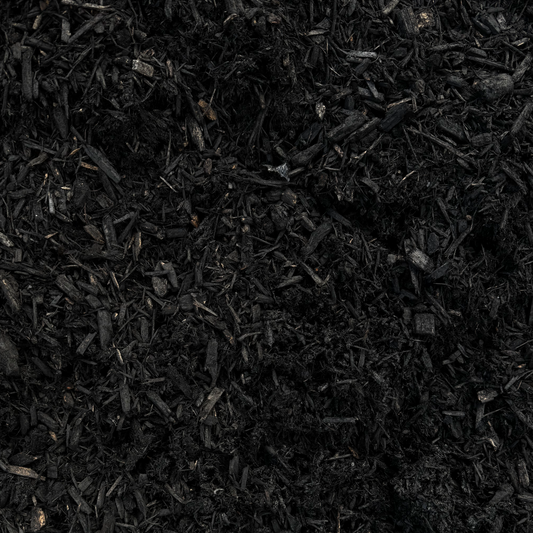
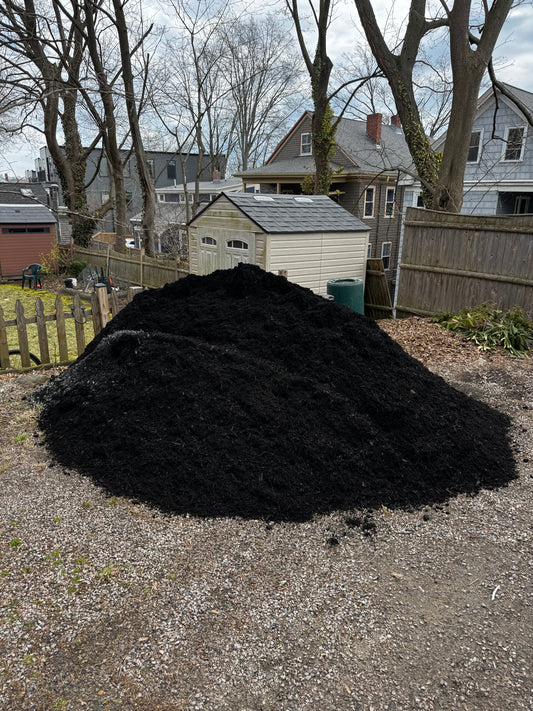
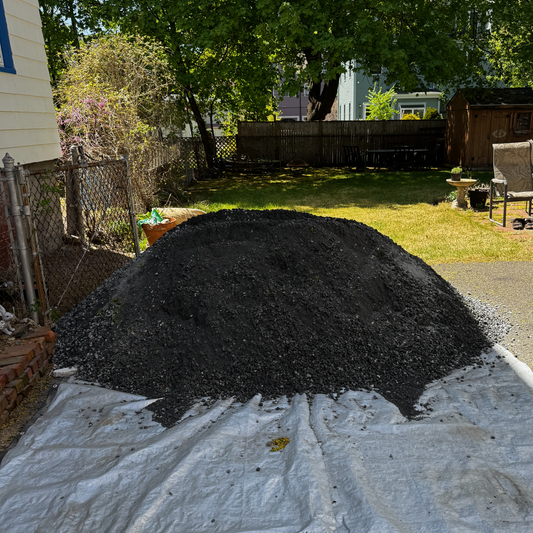
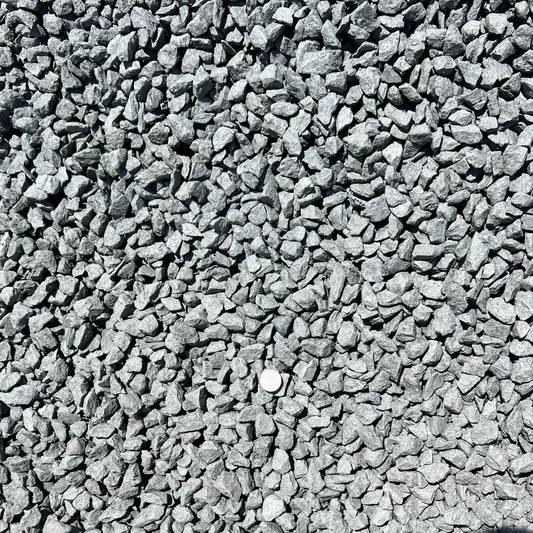
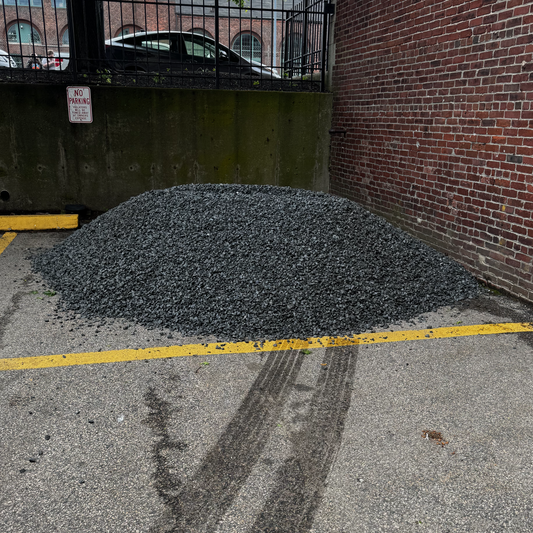
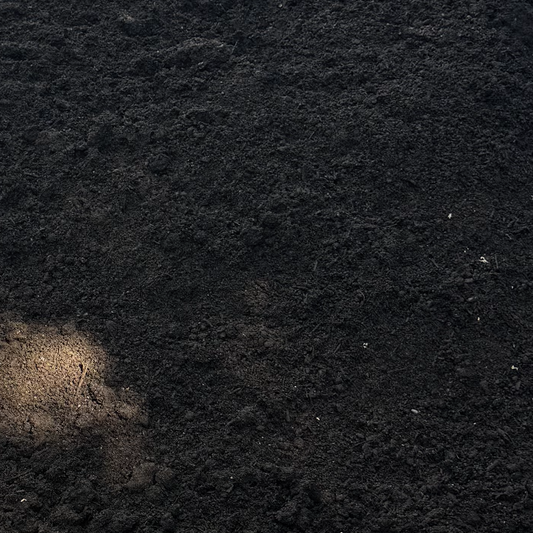
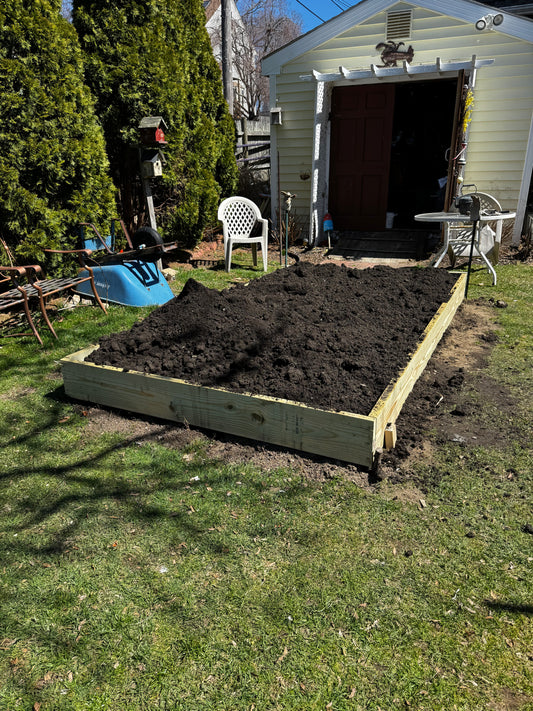
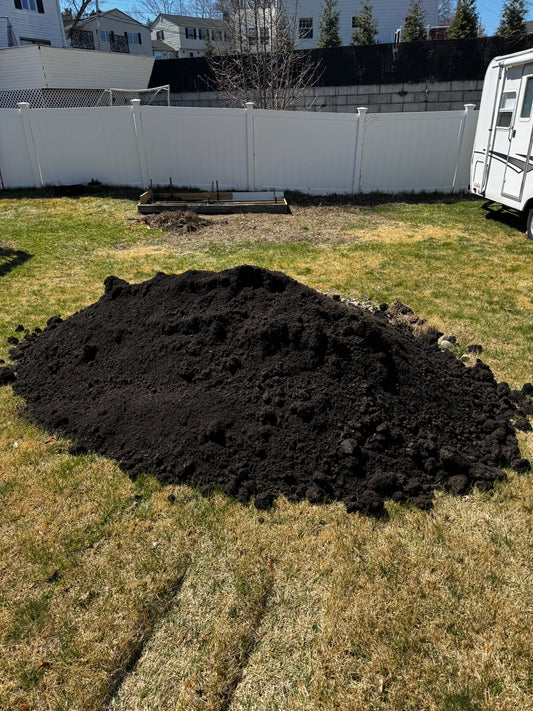
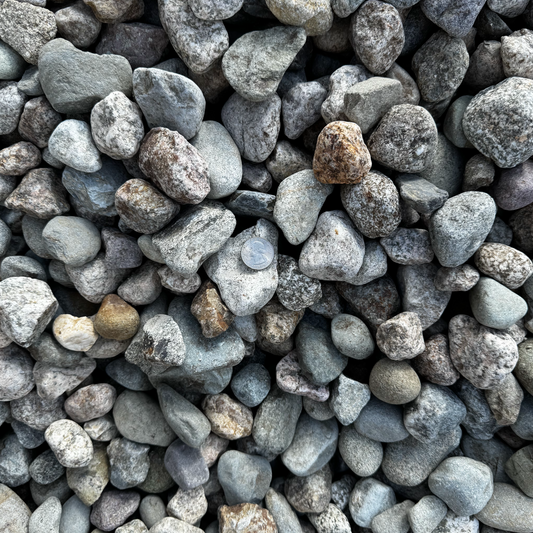
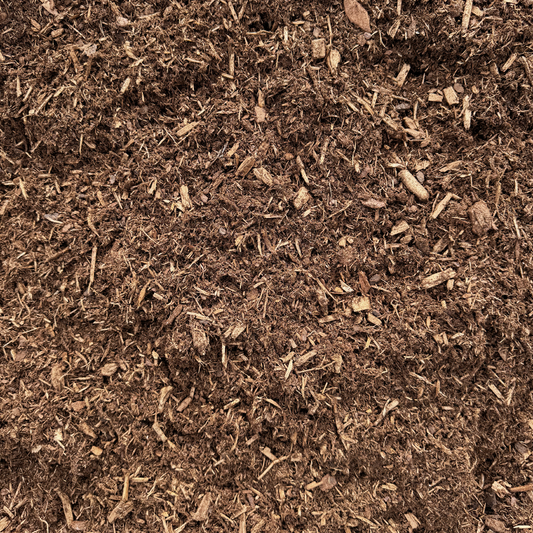
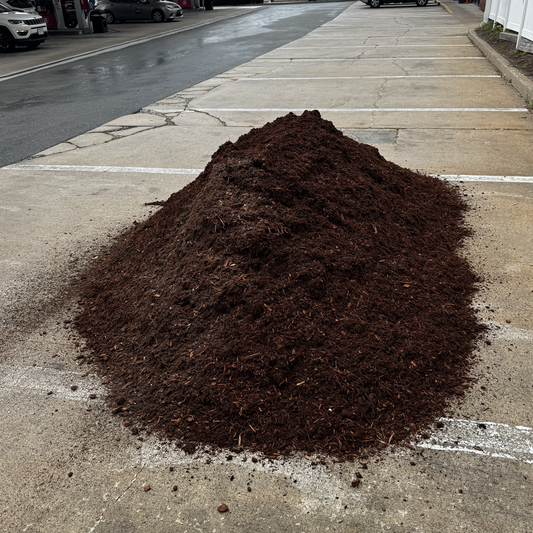
Bulk loam, compost, and pre-blended planting mix are in the Plant Establishment & Tree Planting collection. For Plymouth County delivery scheduling on small loads (1–3 yards covers most residential planting jobs), the Plymouth County Landscape Supply page has same-week availability through April and May.
For the native-plant pick list that pairs with these planting techniques, 5 Native MA Plants That Thrive in Average Norfolk County Suburban Yards carries over to Plymouth County (with bayberry and beach plum added for coastal sites).
For ongoing tree-care reference, ISA Trees Are Good and Native Plant Trust cover MA-specific species selection and establishment guidance.