Quick Answer
Norfolk County yards lose plants to mulch every year — and the failures cluster around five mistakes. Ranked by frequency: mulch volcanoes around trees, burying perennial crowns, over-application (4+ inches deep), the wrong mulch type for the bed, and skipping the no-touch gap at house siding. Each one is fixable in 20 minutes. Each one costs plants and time when ignored. The fix list below — same logic across Brookline, Wellesley, Dedham, Sharon — saves the spring landscape.
Why Norfolk County in Particular
Norfolk County packs in a lot of high-investment landscapes. Wellesley estates, Brookline brownstones, Dedham capes, Sharon woodland lots — all running mulch budgets in the hundreds-to-thousands of dollars per spring. The plants underneath are even more expensive. When mulch mistakes kill a 10-year-old hosta or a 20-year-old maple, the loss isn't recoverable.
The five mistakes below are the ones we see on every spring delivery.
#1 — Mulch Volcanoes Around Trees
The cone-shaped mulch piles you see around suburban trees everywhere — sometimes 8+ inches deep against the bark — are the single most destructive mulch mistake in Norfolk County. They kill trees over 5–10 years.
Why it fails: Mulch piled against tree bark traps moisture. The constant wet causes bark rot and invites fungal disease. Roots, sensing wet "soil" up high, grow into the mulch instead of down — surface roots that fail to support the tree in wind and drought. Five to ten years later, the tree dies or breaks.
The fix: Pull the mulch back from the trunk. Spread it into a flat ring, 3–4 feet diameter, 2 inches deep, with a 3-inch clear gap from the bark. The shape should be a donut, never a cone. The ISA Trees Are Good guidance on tree mulching is the authoritative source on the donut technique.
For the worked example on a new planting, How to Mulch Around a Newly Planted Winchester Tree (the Right Donut) covers the new-tree case.
#2 — Burying Perennial Crowns
Hostas, daylilies, peonies, irises, and most herbaceous perennials have a "crown" — the spot where the roots meet the stems at the soil surface. Mulch dumped over the crown traps moisture, rots the crown, and kills the plant.
Why it fails: Most mulch crews work fast and spread mulch uniformly across the bed. The mulch ends up 3–4 inches deep over plants that should have 0 inches over their crowns.
The fix: Before the mulch goes down, walk the bed and place a 6-inch-diameter saucer (a flowerpot lid, an old plate, anything flat) over each perennial crown. Mulch around the saucer. Pull the saucer afterward. The crown is exposed; the rest of the bed is mulched.
For the technique on dense perennial beds, How to Spread Mulch Without Smothering Brookline Hostas, Daylilies, and Perennials walks through the spread technique without crown damage.
#3 — Over-Application (4+ Inches Deep)
The most common general-bed mistake. Homeowners (or contractors) lay mulch 3–5 inches deep, thinking thicker is better. It's not. Over 3 inches, you start suffocating roots, blocking water and oxygen exchange, and creating an anaerobic layer at the bottom that can host pathogens.
Why it fails: Roots need oxygen as much as they need water. Mulch piled over 3 inches compacts at the bottom and goes anaerobic. Soil gas exchange stops. Roots either grow up into the mulch (bad — surface roots) or suffocate.
The fix: 2 inches in established beds, 3 inches in newly planted beds. Use a finger to check. See The Two-Inch Rule for the depth math and how to measure without tools.
If your bed is already over-mulched, rake half of it off before adding more. Don't keep building up year after year — in 4 seasons of annual top-dressing, untouched beds reach 5–6 inches deep.
#4 — Wrong Mulch Type for the Bed
Norfolk County yards mix bed types — sloped property-line beds, flat foundation beds, dense perennial beds, simple shrub beds — and applying the same mulch to all of them is a mistake. Each bed type wants a different material.
Why it fails: Fine-shred hardwood mulch washes off slopes in spring storms. Chunky pine bark sheds water away from delicate perennials. Dyed mulch fades fastest on south-facing beds. The wrong product in the wrong bed underperforms regardless of brand or quality.
The fix: Match the mulch to the bed:
- Sloped beds (steeper than 4:1): pine bark mini-nuggets — they interlock and resist wash. See Hemlock vs Pine Bark Mulch: A Plymouth County Side-by-Side for the full comparison.
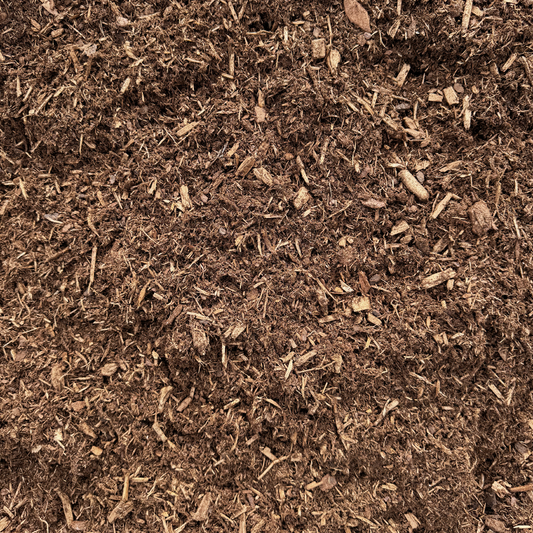
- Flat ornamental beds with perennials: hemlock or fine-shred hardwood — easy to spread around plants without burying.
- Tree rings: larger pine bark or coarse hardwood — durable, resists wash.
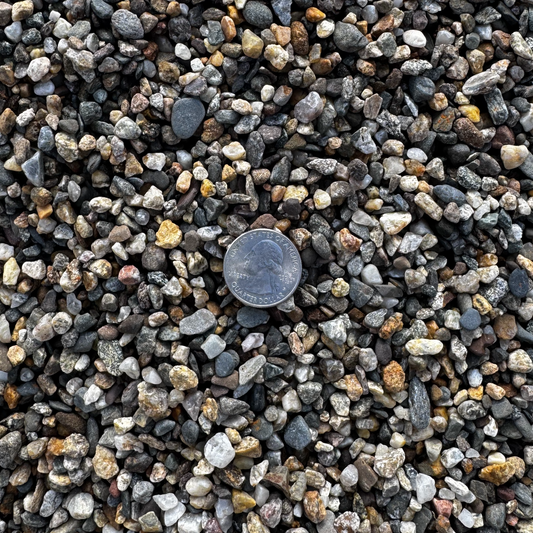
- Pet-traffic zones: smooth pea stone, not mulch — see 5 Pet-Safe Mulch and Stone Picks for a Watertown Backyard.
For the full mulch lineup by bed type, browse the mulch collection.
#5 — Skipping the No-Touch Gap at House Siding
The mistake nobody sees until it's too late: mulch piled directly against the house siding or foundation. The constant moisture wicks into wood siding, rots the bottom-edge clapboards, and creates a highway for carpenter ants and termites.
Why it fails: Wood siding bottom edges are weather-sealed but not designed for constant soil-level moisture. Mulch in contact with siding holds moisture against the wood and accelerates rot. It also gives carpenter ants a covered, moist approach to the framing.
For the broader question of whether mulch attracts termites, Does Mulch Attract Termites? A Straight Answer for Plymouth Homeowners covers the actual research and the right precautions.
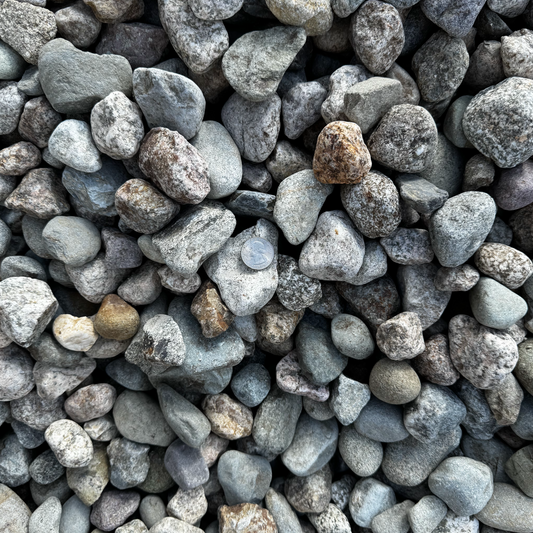
The fix: Leave a 3- to 6-inch gap between the mulch and any wood siding, foundation parge, or wood structure (deck posts, fence posts). Crushed stone in the gap is even better — it doesn't hold moisture and gives carpenter ants nowhere to hide.
The 20-Minute Spring Walkthrough
Before the mulch truck shows up, walk the yard with these five mistakes in mind. At each tree, perennial bed, sloped bed, and house-foundation interface, ask: am I about to make this mistake? The fix at each spot takes a minute. The plant losses you avoid pay for the year's mulch.
For broader spring-prep guidance — what else to do before mulch goes down — see March 1 Kickoff: What Your Boston Yard Needs Before Mulch Goes Down.
For MA-specific authoritative guidance on landscape mulching, UMass Extension Landscape is the regional source. For tree-specific mulching, ISA Trees Are Good has the most authoritative recommendations.