Quick Answer
Mulch does not attract termites in any meaningful way. University studies show termite colonies don't establish themselves because of mulch. What mulch can do is provide a moist, sheltered approach to a foundation if it's piled against the siding — and that's a problem regardless of termites. The fix is simple: keep a 6-inch gap between mulch and any wood structure. Termites don't see your mulch and decide to move in. They follow moisture. Don't give them moisture against the house.
Why This Question Comes Up Every Spring
Plymouth homeowners hear "termites in mulch" from a neighbor or a pest control salesperson and reasonably wonder if they're funding their own foundation damage. The fear isn't wild — termites are real in southeastern MA, and they do damage homes. But the connection between bagged mulch and termite establishment is mostly myth. Here's what the research actually shows.
Q: Do termites live in mulch?
A: Sometimes, but not in the way the fear implies. Subterranean termites (the species common in Massachusetts) live in the soil, not in mulch. They forage through surface materials — including mulch, but also leaf litter, lawn thatch, fallen branches, and any wood-soil contact. Mulch isn't a termite habitat; it's a forage path.
The University of Maryland Extension and the UMass Extension landscape guidance both confirm: termites don't establish colonies in mulch. The colony is in the soil. The mulch is just one of many surfaces they cross.
Q: Does mulch type matter — is cypress or cedar safer?
A: Mulch type matters less than placement. Older marketing claimed cypress mulch was termite-resistant; the actual research shows mature cypress heartwood has some natural resistance, but most "cypress mulch" sold today is from young trees with low heartwood content — the resistance claim doesn't carry through. Cedar mulch has mild repellent properties from its oils, but the effect dissipates as the mulch weathers.
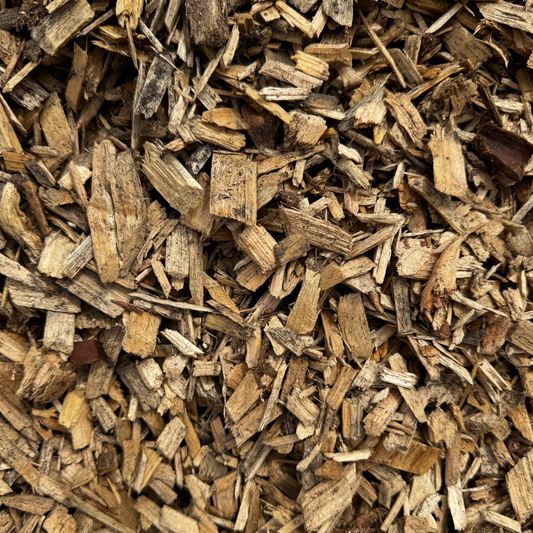
The honest answer: the species of mulch isn't the variable that matters. Where you put it is. Hardwood, hemlock, cedar, pine bark — all are fine if installed correctly. See Hemlock vs Pine Bark Mulch: A Plymouth County Side-by-Side for the species comparison.
Q: What does mulch actually do that's bad for foundations?
A: It can hold moisture against the house if it's piled wrong. Mulch directly against wood siding, foundation parge, or any wood structure (deck posts, fence posts) wicks moisture into that wood. The wood gets soft. Carpenter ants and termites both prefer moist wood. The mulch isn't bringing them — but the moisture is making your house attractive once they show up.
This is the same warning covered in 5 Mulch Mistakes That Cost Norfolk County Homeowners Plants Every Year — the foundation gap is a top-5 mistake.
Q: How big should the gap be?
A: 6 inches minimum, 12 inches is better. The gap can be:
- Bare soil (acceptable, but weeds grow there)
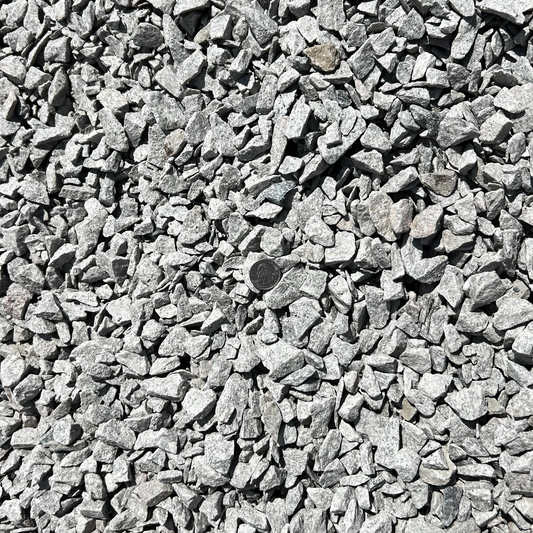
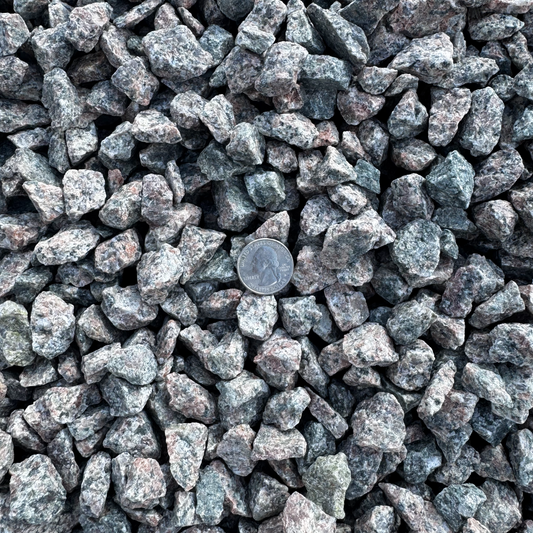
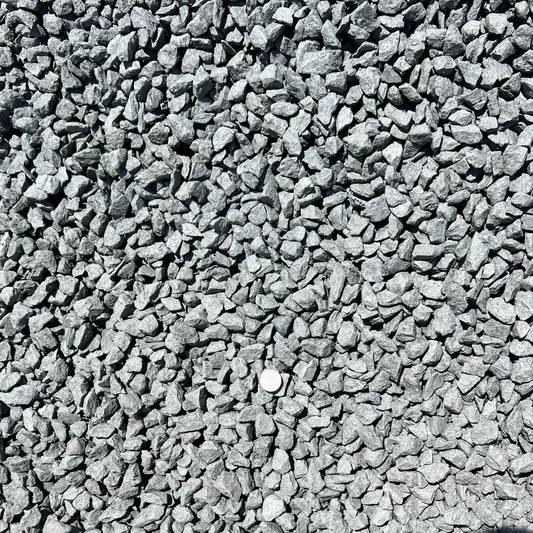
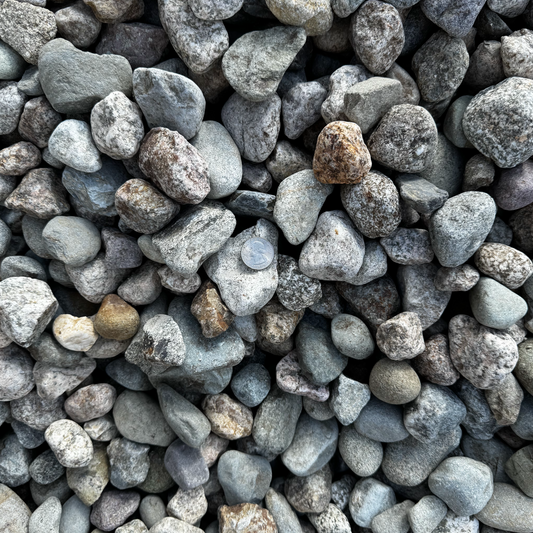
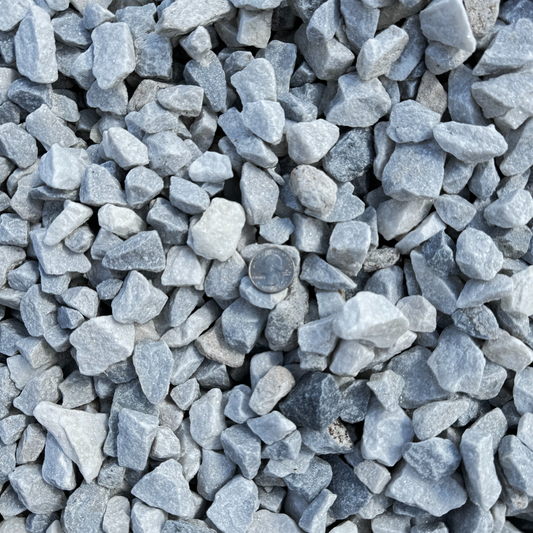
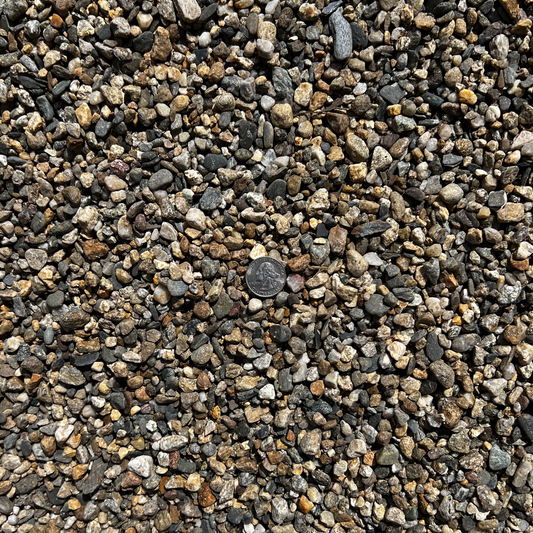
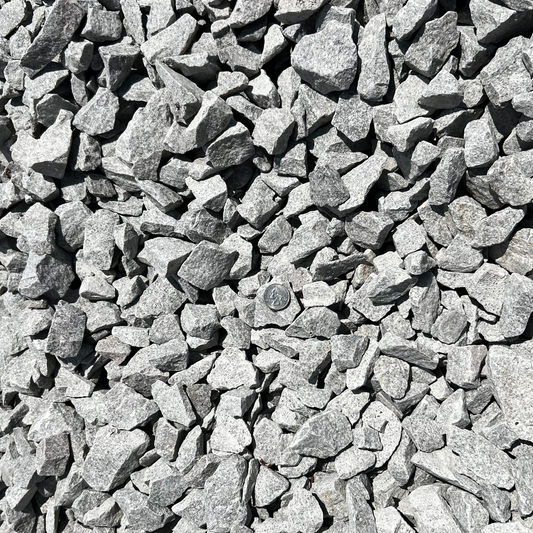
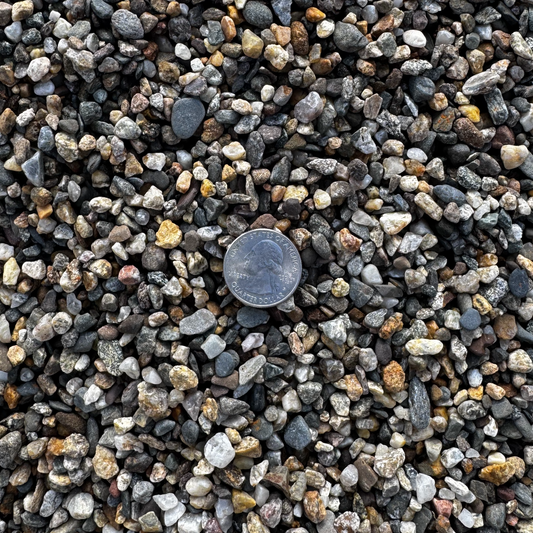
- Decorative stone (best — drains fast, holds no moisture, gives no cover)
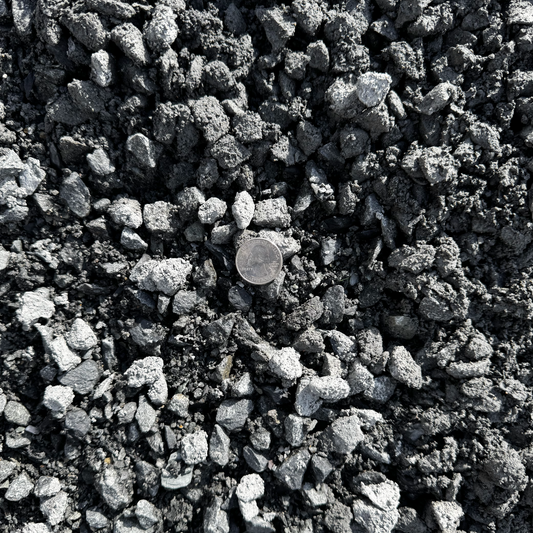
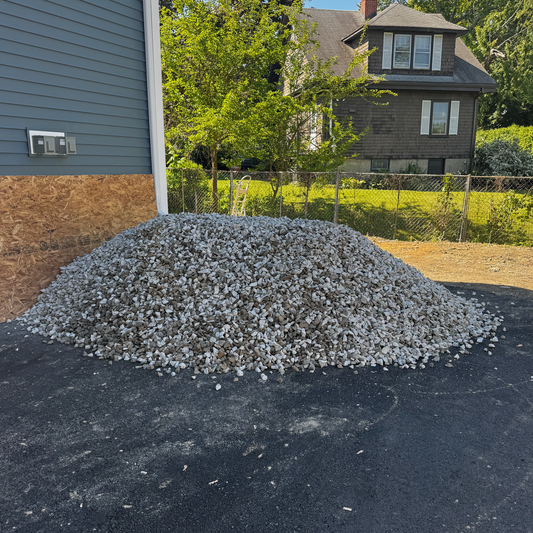
- Crushed stone (also good)
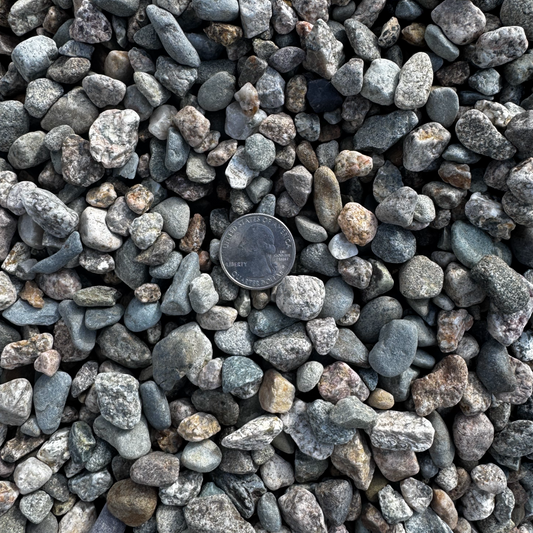
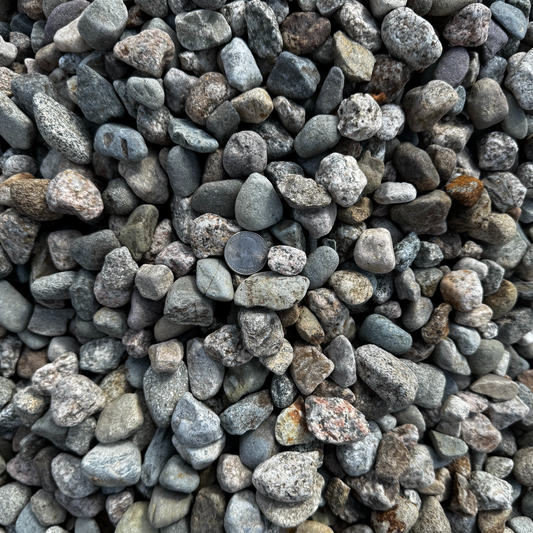
A 6-inch wide strip of pea stone or river rock between the mulch and the foundation is the gold standard for Plymouth foundations. Doesn't hold water. Visible enough that you'd see termite mud tubes if they appeared. Browse the decorative stone collection for the strip material.
Q: Are Plymouth-area termites a real concern?
A: Yes, but localized. Plymouth, Carver, Kingston, and Duxbury have established subterranean termite populations. Houses on lower elevations, near wetlands, or with moisture issues are most at risk. The risk goes up sharply on:
- Houses with damp basements or crawlspaces
- Houses with wood-to-soil contact (deck posts not on concrete piers, wood siding extending to grade, wood-frame retaining walls)
- Houses with persistent gutter overflow that wets the foundation
If any of these apply, mulch placement matters more, and an annual termite inspection by a licensed Massachusetts pest control company is worth the call. The MA Department of Agricultural Resources licenses pest control operators — verify before hiring.
Q: I have a wood-framed deck near a mulched bed. Should I worry?
A: Worth a look. Deck posts that touch soil are the most common termite entry point in Plymouth-area homes. If you've got mulch piled around deck posts, pull it back to expose 6 inches of bare soil or stone around each post. If the post sits on dirt rather than a concrete pier, schedule a termite inspection.
Q: What about mulch right around shrubs and trees in the foundation bed?
A: Fine — keep it away from the house, not the plants. The 6-inch gap rule applies to the house, not to the plants. Mulch around boxwood, holly, or hydrangea in a foundation bed is normal and beneficial. The gap is between the back of the mulched zone and the building. So you mulch the bed normally, then leave a clean strip between the mulch and the siding/foundation.
Q: Does mulch depth affect termite risk?
A: Slightly. Deeper mulch holds moisture longer, which favors termite foraging activity. Stick to the 2-inch rule (The Two-Inch Rule) — it's the right depth for plants and incidentally the right depth for not creating a perpetually moist forage zone.
Q: What about the mulched zones around mailboxes, fence posts, and shed bases?
A: Same logic. Any wood post sunk into soil and surrounded by mulch is a forage opportunity. The fix is identical: 6-inch gap, or a stone collar around the post.
For the full list of mulch spots that are easy to overlook, see 5 Spots Quincy Homeowners Forget to Mulch in Spring — and apply the gap rule at each one.
Q: Are there mulches I should avoid for foundation beds specifically?
A: Avoid wood that's already infested. Buy from suppliers who screen feedstock. The risk isn't the mulch chemistry; it's whether the mulch came from a feedstock pile that already had termite activity. Reputable bulk suppliers (Ottr included) screen for this. Bagged mulch from low-quality sources can occasionally contain termite debris — it doesn't introduce termites, but it doesn't help either.
The Three Sensible Precautions
- Maintain a 6-inch gap between mulch and any wood-bearing surface (siding, deck posts, fence posts). Stone or bare soil in the gap.
- Keep mulch at 2 inches deep, not 4–6 inches. Doesn't change termite biology, but it minimizes moisture that favors termite activity.
- Annual visual check. Walk the foundation in April and October. Look for mud tubes (pencil-thick brown tubes climbing the foundation) — that's the telltale sign of subterranean termite traffic. If you see them, call a licensed inspector.
Where to Buy
The mulch collection covers the full lineup; the decorative stone collection has the pea stone and river rock for the foundation gap.
For broader landscape mulch standards, the US Composting Council maintains feedstock and quality reference. For MA-specific landscape practice and pest guidance, UMass Extension is the regional authority.
The short version: mulch doesn't attract termites. Moisture against your house attracts termites. Keep the mulch off the siding, keep the depth at 2 inches, and the worry resolves itself.