Quick Answer
Five drainage issues that Brockton homeowners can diagnose in late February — and fix before the April rains: erosion lines (washed-out channels along the driveway edge), ponding spots (low areas holding meltwater), frost heaves (lifted patches), clogged drainage swales (overgrown ditches alongside the drive), and runoff hitting the foundation (water flowing toward the house instead of away). All five are visible right now, with snow receding. Fix order: divert water first, repair the surface second.
Why February Is the Right Diagnostic Window
Brockton driveways tell you what they need in the second week of February. Snow has been on and off, the freeze-thaw cycle is at peak, and meltwater is running across the surface every 35°F+ afternoon. That meltwater shows you exactly where the driveway is failing — without it, the same problems hide under summer dust.
Across Brockton — Campello, the West Side, Montello, Brockton Heights — gravel and asphalt driveways alike fail in the same five patterns. The diagnostic doesn't take more than a 20-minute walk. The fix matters before the heavy April rains compound everything.
The UMass Extension landscape program and the EPA Stormwater management guidance both have homeowner-facing materials on diagnostic patterns. The Plymouth crushed stone driveway base piece covers the deeper fix logic when issues require base reset.
#1 — Erosion Lines (Washed-Out Channels Along the Edge)
What you'll see: Linear ruts or channels along one edge of the driveway, typically the down-slope side, where water has carved a path. On gravel driveways, the channel exposes the base layer or even bare soil. On asphalt driveways, you'll see a clean separation between the edge of the asphalt and the lawn.
What it means: Water is sheeting off the driveway in a concentrated path instead of spreading evenly. Either the crown is gone (the driveway has flattened over time) or the downhill edge has lost the soft shoulder that used to absorb it.
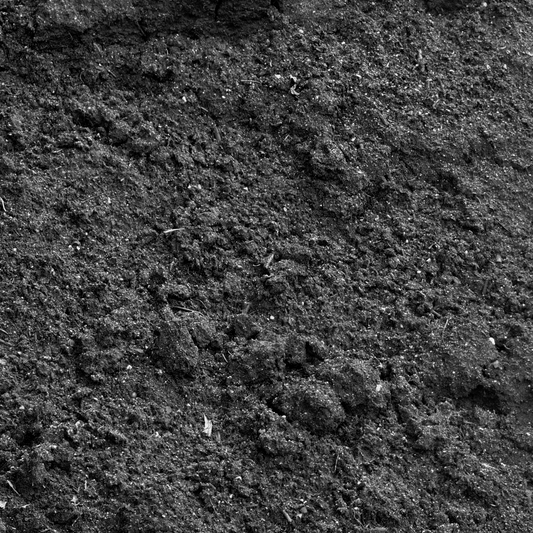
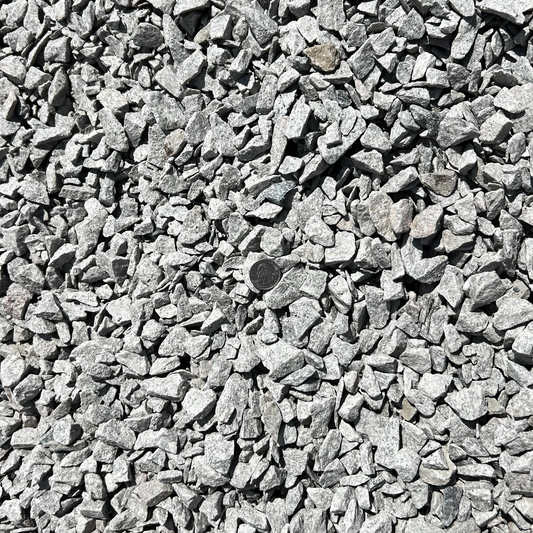
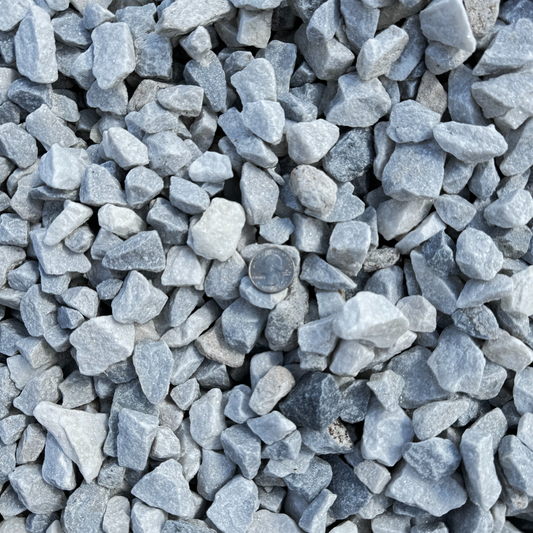
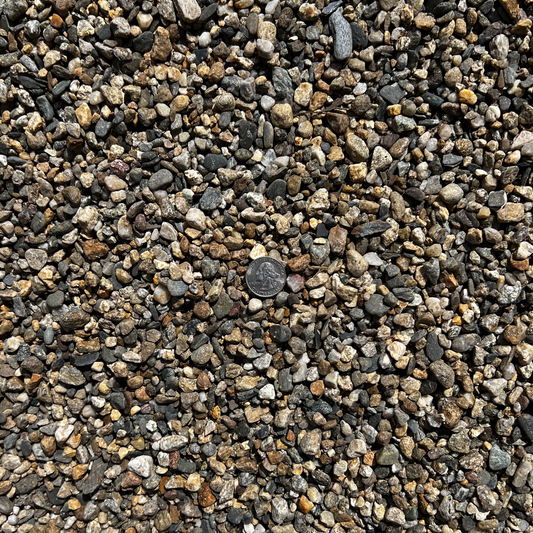
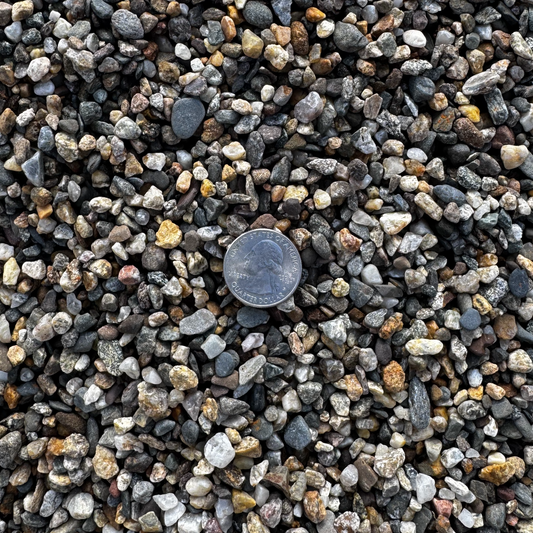
Fix in spring: Re-crown the driveway by adding ¾" processed gravel to the center. Build the soft shoulder back up with topsoil or a stabilized aggregate. Browse the crushed stone collection for processed gravel options. For gravel driveways specifically, 5 gravel driveway mistakes common across Plymouth County covers the pattern.
#2 — Ponding Spots (Low Areas Holding Meltwater)
What you'll see: A persistent puddle in one or two spots after a thaw. Usually 4–8 feet across. The water sits there for a day or two before draining.
What it means: A low spot has developed in the surface, usually because the base settled unevenly or because vehicle traffic compressed a localized area.
Fix in spring: - Asphalt: patch with hot-mix in May. - Gravel: rake out the low spot, add 2–3 inches of ¾" processed gravel, compact with the truck rolling over it (or rented plate compactor for serious fix). - Persistent ponding that doesn't respond to surface fixes signals a base failure — see 3/4-inch crushed stone vs 1-1/2 inch on a Middleborough driveway test for stone-size selection on a base reset.
#3 — Frost Heaves (Lifted Patches)
What you'll see: A localized bump in the driveway surface that wasn't there in October. Usually 2–4 feet across, lifted ½" to 2" above surrounding surface. Often accompanied by surface cracking on asphalt.
What it means: Water is freezing in the base or subgrade and expanding. Frost heaves form where drainage is poor or where the base is too thin.
Fix: - Mark the location in February — by April the heave will partially settle and you'll forget where it was. - In May or June: dig out the heaved section to 8 inches deep, replace base material with ¾" processed gravel compacted properly, repave or regravel. - For full-driveway base resets, see the Plymouth crushed stone driveway base piece.
Frost heaves are not "wait and see" problems. Repeat freeze-thaw cycles will worsen them every winter until the base is fixed.
#4 — Clogged Drainage Swales
What you'll see: The grass or shallow ditch alongside the driveway is filled with leaves, gravel washout, or sediment. Water meant to flow along the swale is now backing up onto the drive.
What it means: The swale that's supposed to carry runoff to the street, woods, or rain garden has filled in.
Fix in spring: - Clear the swale of debris. - Re-shape it to hold a continuous slope — typically 1% minimum (1 foot of drop per 100 feet of run). - Line with cobbles or river rock if erosion is recurring. The Scituate dry river bed piece walks through the install on a related drainage feature. - Don't pile snow into the swale — most Brockton driveways with this issue have it because the plow has been dumping snow into the drainage path all winter.
#5 — Runoff Hitting the Foundation
What you'll see: Water running across the apron of the driveway toward the house, rather than away. Often shows as wet basement walls in March/April, sometimes as ice patches at the foundation in February. The most expensive of the five problems if left unfixed.
What it means: The driveway slopes toward the house, or a low spot at the apron concentrates flow toward the foundation.
Fix: - Short-term: dig a temporary diversion at the apron — a shallow trench filled with crushed stone to redirect flow. - Long-term: regrade the apron away from the house. This may require excavation and base resetting. Get a contractor estimate; the Eastern MA contractor account setup playbook covers how to source bulk material at contractor rates if the project is in your DIY range. - Add a French drain at the foundation if the issue is severe — see the upcoming Stoneham trench guide for the install sequence.
The EPA's stormwater program treats foundation runoff as both a homeowner durability issue and a watershed-quality issue — every gallon hitting the foundation is a gallon eroding soil and carrying chloride into Brockton's storm system.
The 20-Minute Brockton Driveway Walk
Pick a 35°F+ afternoon mid-thaw. Walk the driveway from street to garage door. Look for:
- Channels along the edges → erosion
- Standing puddles → ponding
- Surface bumps → frost heaves
- Filled-in ditches alongside → clogged swales
- Flow direction at the apron → runoff to foundation
Note each issue with a phone photo and a stake or garden flag. The fix list goes into your March planning. By April rains, every diagnosed issue has a planned fix.
For the rest of the Brockton spring driveway calendar, the Plymouth crushed stone driveway base reset, stone tonnage math for a Bridgewater driveway, and the 3/4 vs 1-1/2 inch stone test carry the full repair sequence.
Browse the Ottr crushed stone collection and the broader driveway-construction repair use-case collection for what to order. Pre-book in February for April-May fixes.