Quick Answer
Five xeriscape picks for a Norfolk County front bed — Dedham, Brookline, Quincy, Milton, Wellesley, Walpole, Foxborough — that hold up through July dry spells with weekly deep watering once established: (1) Lavender (Lavandula angustifolia 'Munstead'), (2) Sedum 'Autumn Joy' (Hylotelephium telephium), (3) Yarrow (Achillea millefolium), (4) Switchgrass (Panicum virgatum 'Shenandoah'), (5) Threadleaf Coreopsis (Coreopsis verticillata 'Moonbeam'). All five are deer-resistant, look good June through October, and need minimal water year 2 forward.
Why Norfolk County Needs Xeriscape Choices
Norfolk County has an unusual range — from Brookline's tight urban front beds to Foxborough's sprawling suburban yards. What unites them: increasing summer drought frequency, rising water bills, and growing deer pressure that knocks out the obvious water-hog choices (hosta, hydrangea, daylily). The five below thrive in all those conditions.
1. Lavender 'Munstead' (Lavandula angustifolia)
Why it works in Norfolk County: Compact (12-18 inches), reliably hardy in zones 5-8 (Norfolk County is solidly in zone 6b), purple bloom spires from June into August. Aromatic foliage that deer ignore.
Best location: Full sun, well-drained sandy soil, walkway edges. Critical: lavender HATES wet feet. If your bed retains water, this isn't your plant.
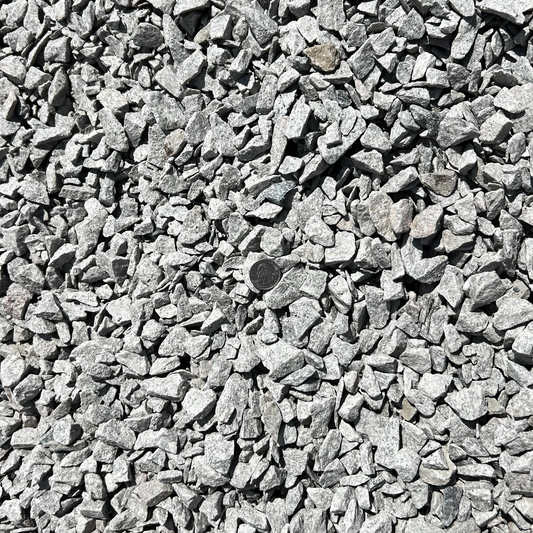
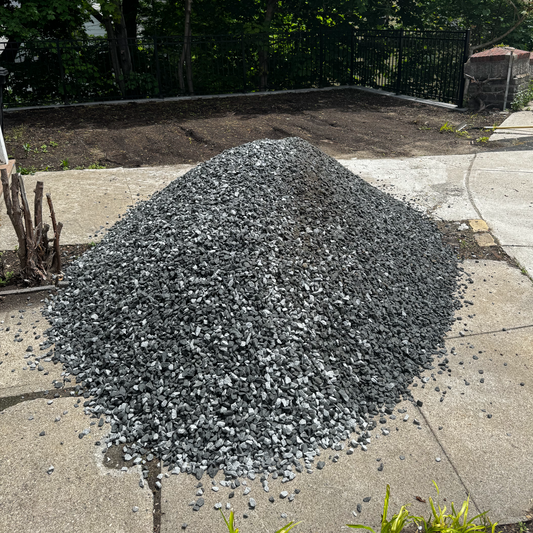
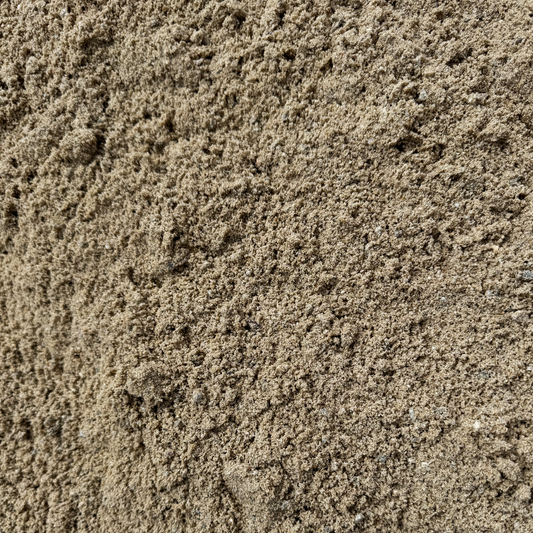
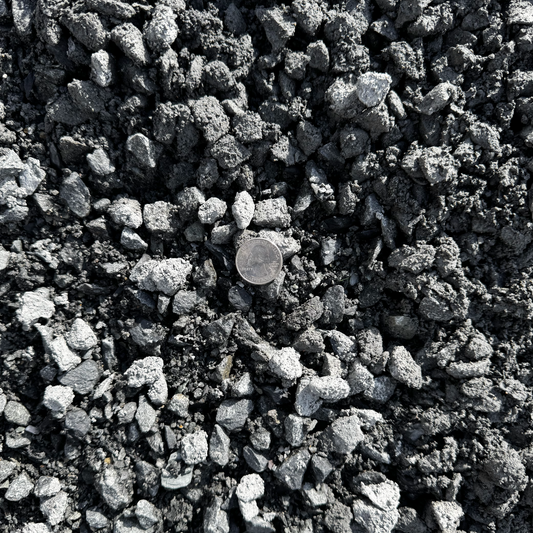
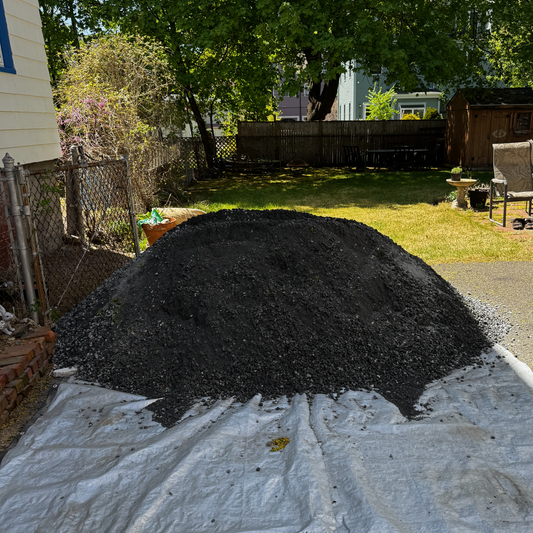
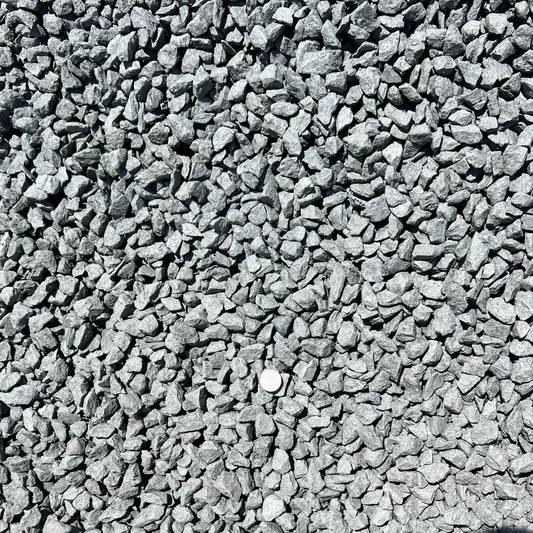
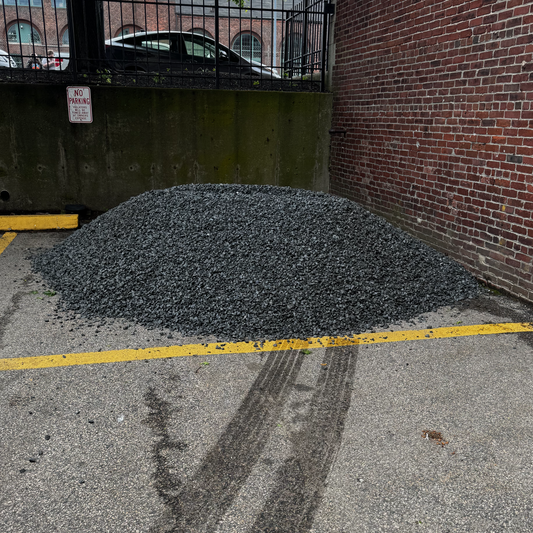
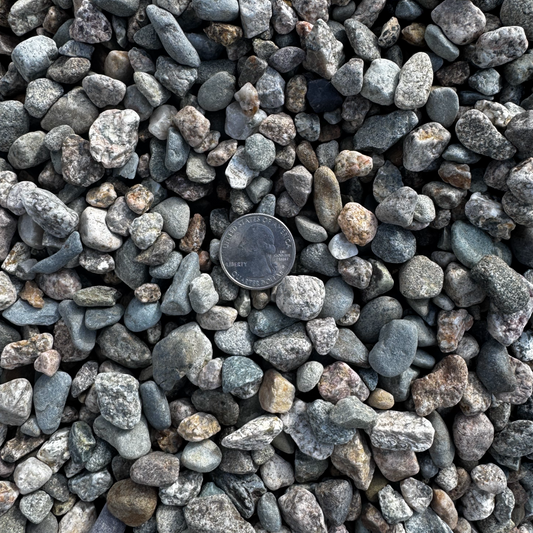
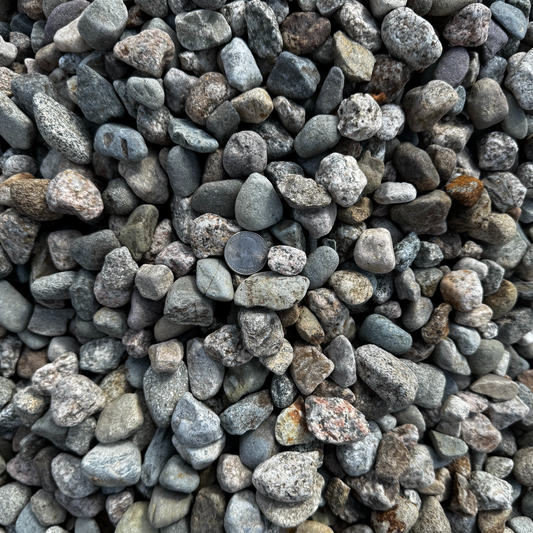
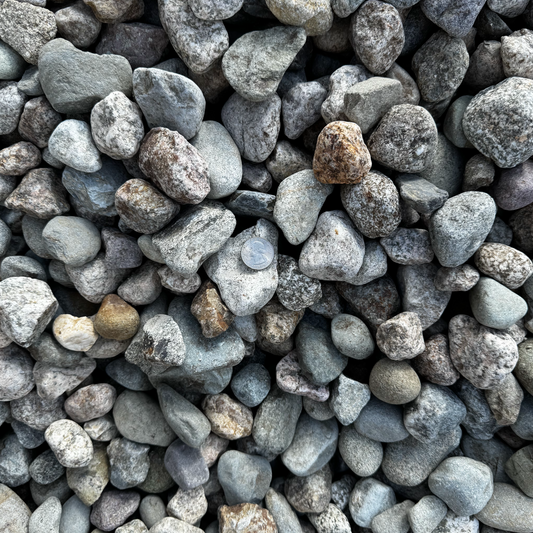
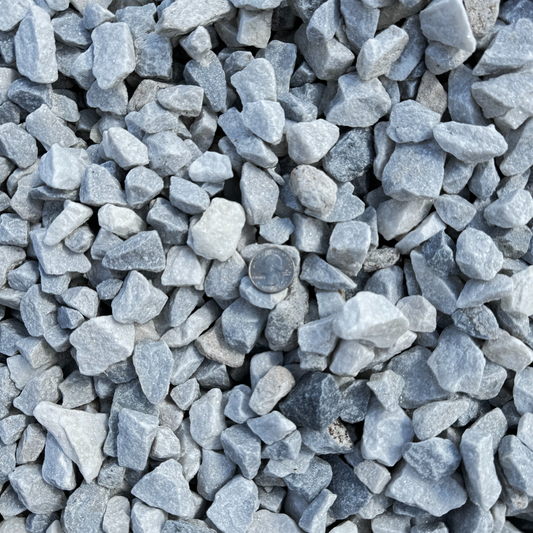
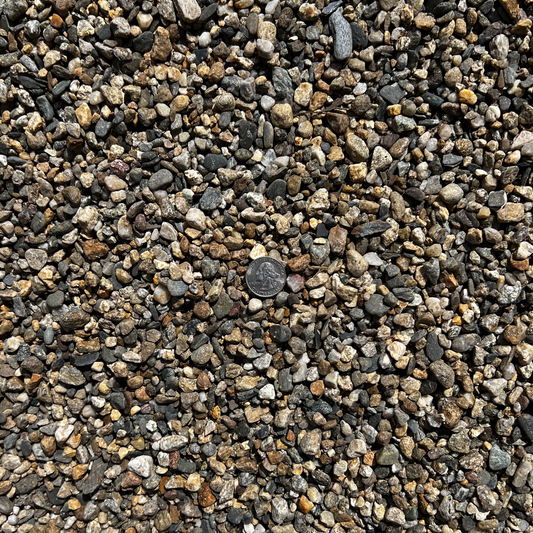
Establishment: Spring planting. Amend soil heavily with sand or gravel — Mason Sand or Concrete Sand from the crushed stone collection works. Water weekly the first year. Year 2+: rainfall is enough.
Maintenance: Cut back by one-third in early March. Don't cut into woody growth — lavender doesn't regenerate from old wood.
2. Sedum 'Autumn Joy' (Hylotelephium telephium)
Why it works in Norfolk County: Succulent leaves store water. Pink flower heads in late August aging to bronze through fall. Provides 3-season structure (the dried heads stand through winter).
Best location: Full sun, any drainage, mid-bed. Tolerates Norfolk County's hot south-facing foundation beds where most plants fail.
Establishment: Plant any season except mid-summer. Water at planting; minimal after.
Maintenance: Cut to 6 inches in early spring. That's it. The most low-maintenance perennial in this list.
3. Yarrow 'Moonshine' (Achillea millefolium)
Why it works in Norfolk County: Native species form, ferny gray-green foliage, flat-topped sulfur-yellow flower clusters June through August. Deer-resistant. Tolerates poor lean soil — actually prefers it.
Best location: Full sun, mid-border, any drainage.
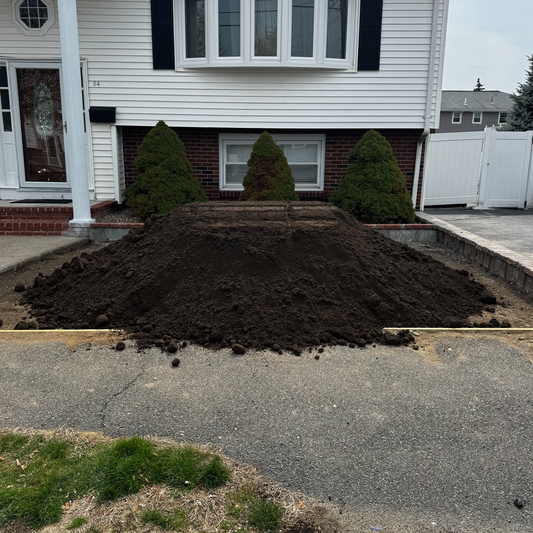
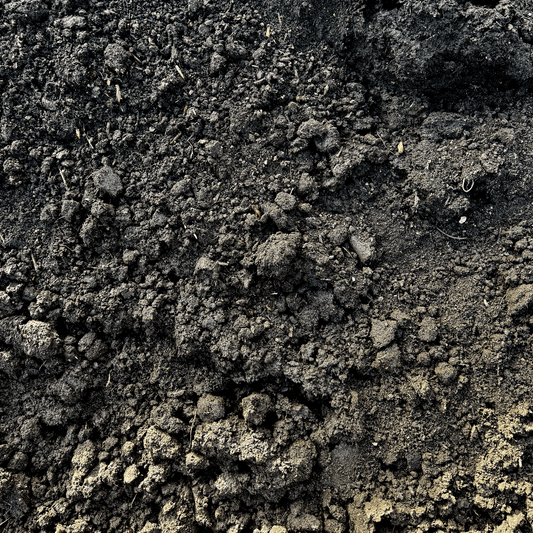
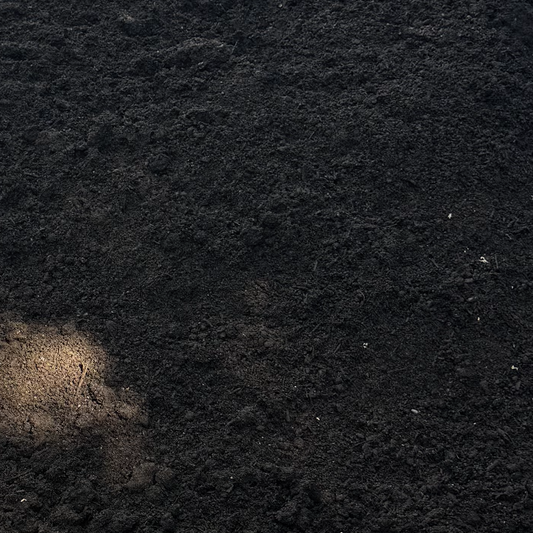
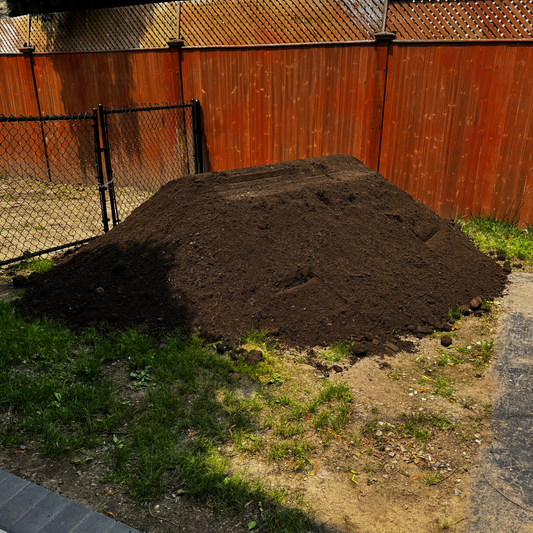
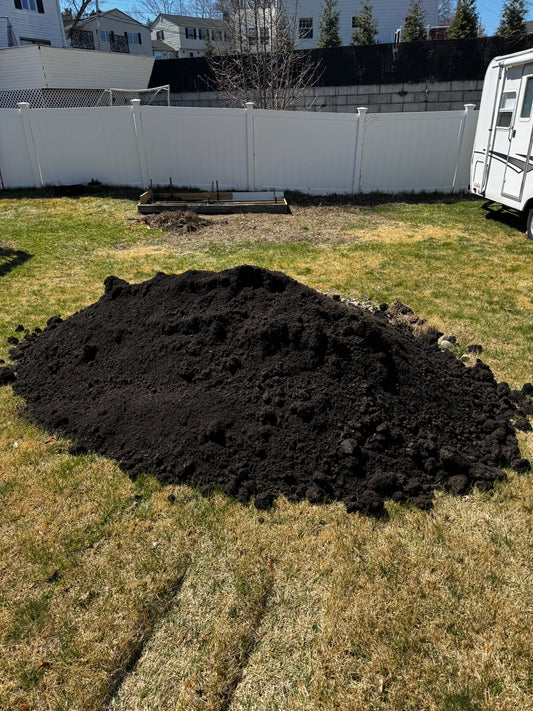
Establishment: Spring or fall planting in Topsoil Loam ½" Screened — but skip the compost amendment. Yarrow flowers more in lean soil. Water weekly first year; minimal after.
Maintenance: Shear back after first flush in late June for a second flush in late August. Divide every 3-4 years to prevent center die-out.
4. Switchgrass 'Shenandoah' (Panicum virgatum)
Why it works in Norfolk County: Native warm-season grass, 3-4 feet tall, blue-green foliage turning burgundy-red in fall, airy flower panicles in late summer. Drought-tolerant once established. Deer-proof.
Best location: Back of border or mass plantings. Striking when planted in groups of 3 or 5.
Establishment: Spring planting only — fall-planted ornamental grasses often fail to establish before winter. Water weekly first year. Year 2+: rainfall is enough. Browse the Native Plant Trust Garden Shop for nursery-propagated stock.
Maintenance: Cut to 6 inches in early March. The dried winter form is striking — leave it standing through winter.
5. Threadleaf Coreopsis 'Moonbeam' (Coreopsis verticillata)
Why it works in Norfolk County: Pale-yellow flowers June through October, ferny green foliage, 18 inches tall. Deer- and rabbit-resistant. Excellent front-of-border plant.
Best location: Full sun, well-drained soil, front-of-bed.
Establishment: Spring planting. Water weekly first year; minimal after.
Maintenance: Shear by half after first bloom flush in late June. This is the "second-flush" perennial that delivers fresh bloom into October. For the dead-heading technique, see How to Dead-Head Perennials in a Essex County Bed.
What to Avoid in Norfolk County Xeriscape
- Hosta in full sun — scorches by July 15.
- Hydrangea (big-leaf) — needs daily water in heat. See Should I Prune Hydrangeas in July in Lexington? for the broader context.
- Astilbe — wilts in 2 dry days.
- Dahlias and other tubers — need consistent moisture and irrigation.
Establishment Material Cost
For a 100 sq ft Norfolk County xeriscape front bed:
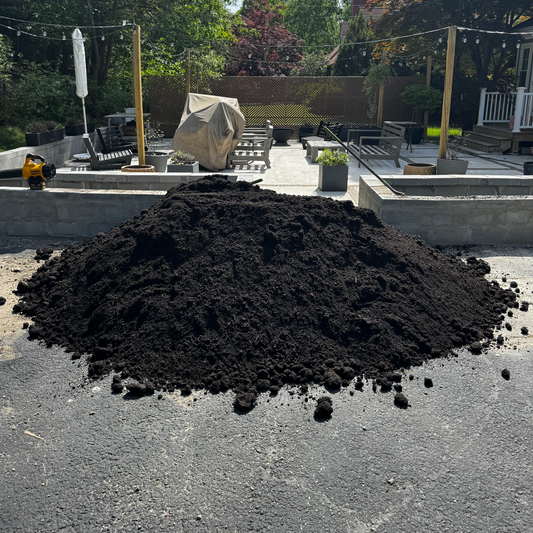
- ½ cubic yard Topsoil Loam ½" Screened (~$30)
- ¼ cubic yard Compost (skip if planting yarrow/lavender) (~$22)
- ¼ cubic yard Mason Sand for drainage amendment (~$22)
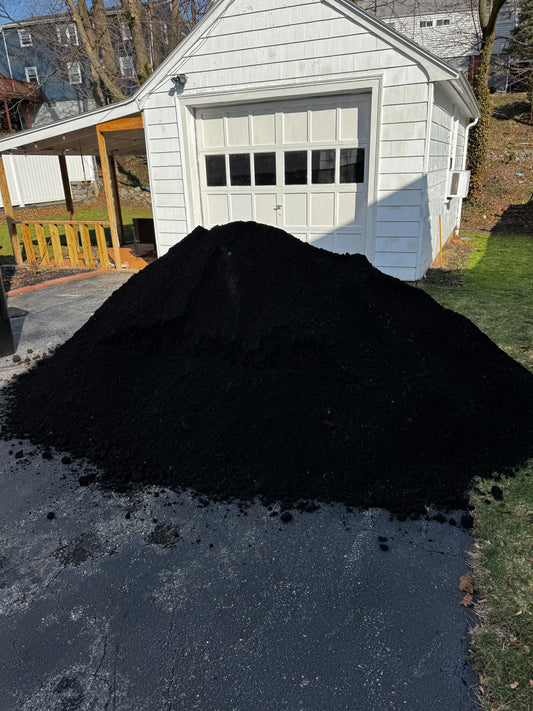
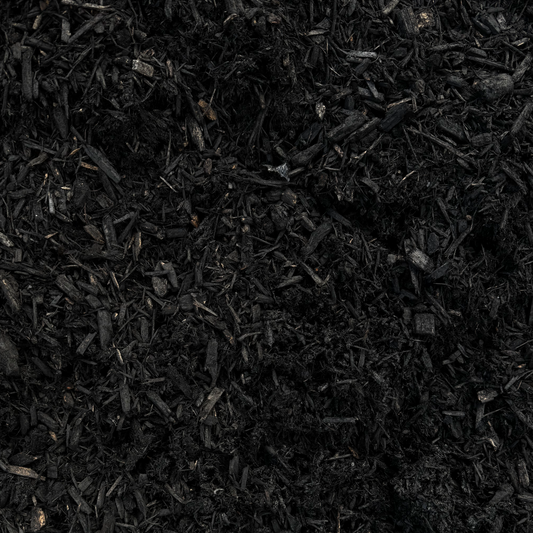
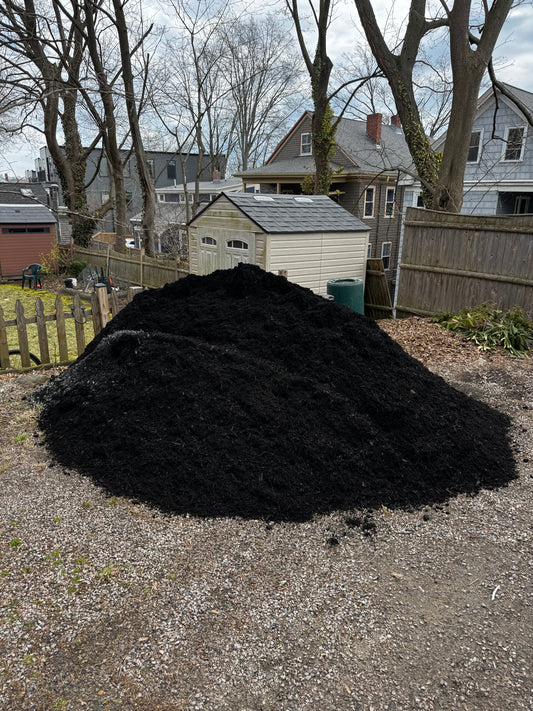
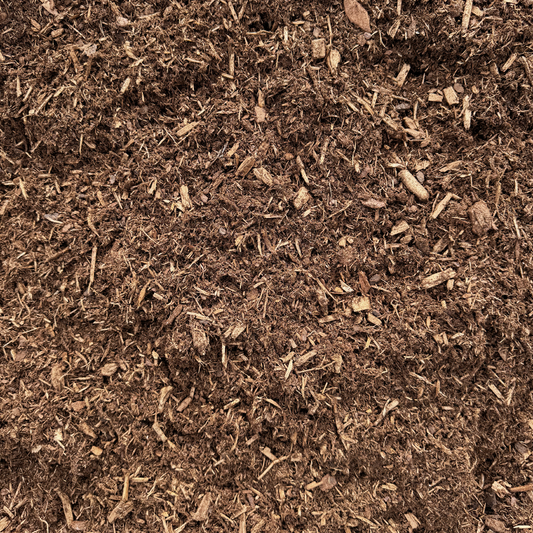
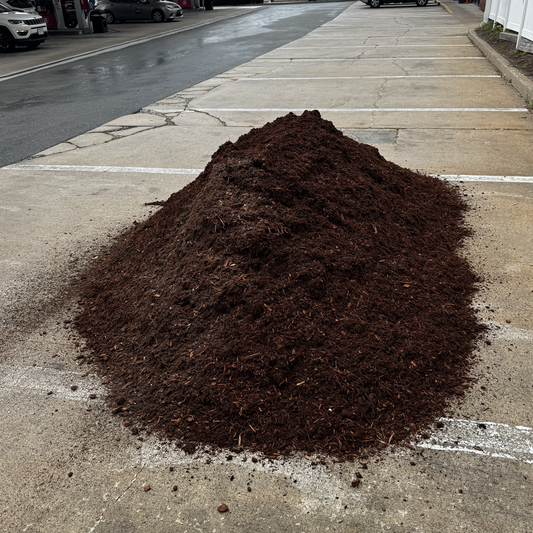
- ½ cubic yard Hemlock Mulch top-off after planting (~$30)
- Plants: ~$200-280 for 12-15 well-sized perennials/grasses
- Total bulk material: ~$80-100 from Ottr's bulk yard
Watering Setup for Establishment
Lay a soaker hose in the bed before mulching. For the full setup, see Soaker Hose vs Sprinkler for Arlington Foundation Beds. After establishment (year 2+), unplug the timer — these plants don't need it.
Companion Reads
For the Watertown drought-tolerant plant list, Top 5 Drought-Tolerant Plants for Watertown Yards overlaps with three of these picks but adds bearberry and Russian sage. For the broader water-conservation strategy, How to Conserve Water in a Cape Cod Yard During a Dry Spell covers the structural moves. For the contractor-side pivot, Drought-Smart Service Pivots for Crews is the bidding-math companion.
For the broader Norfolk County landscape supply catalog including bulk material delivery, see the regional collection.