Quick Answer
Dead-heading perennials in an Essex County bed — Beverly, Salem, Marblehead, Gloucester, Andover — takes about 1 hour for a typical 100 sq ft bed. Tools: sharp bypass pruners, hand snips, a bucket. Technique varies by species: peonies cut to basal foliage, daylilies snapped at the joint, Shasta daisies sheared by one-third for a second flush, irises cut to 1 inch above the rhizome. Skip dead-heading on plants you want to self-seed (echinacea, rudbeckia at the season's end).
Why Mid-July Is the Right Window in Essex County
Essex County beds — coastal, mature, often shaded by white oaks — peak in late June. By July 9, peony and iris bloom is finished, daylilies are mid-bloom, and Shasta daisies are tipping past prime. Dead-heading now triggers second-flush bloom on the daisies and coreopsis by early August, keeps the bed tidy for late-summer entertaining, and prevents seed-set on plants you don't want spreading.
Supplies Checklist
- Bypass pruners (Felco #2 or equivalent — clean cuts beat squashed cuts)
- Hand snips for fine work (deadheading individual flowers)
- Hedge snips or shears for shearing-back plants
- Bucket or tarp for cuttings
- Rubbing alcohol for blade cleaning between species
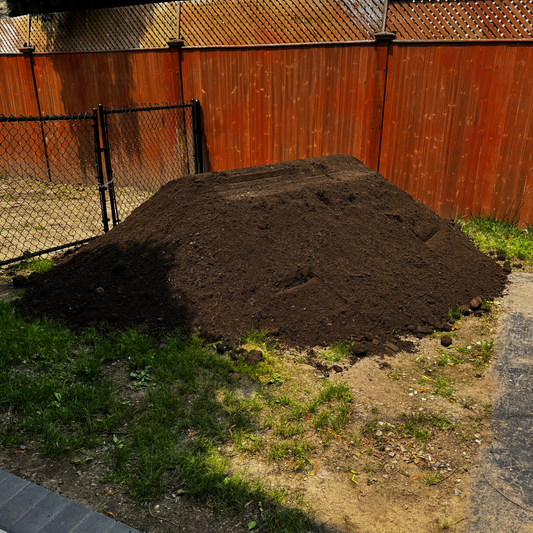
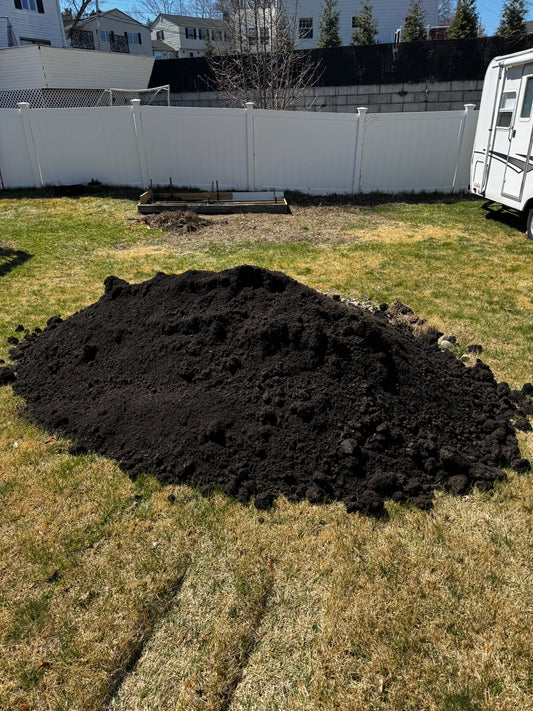
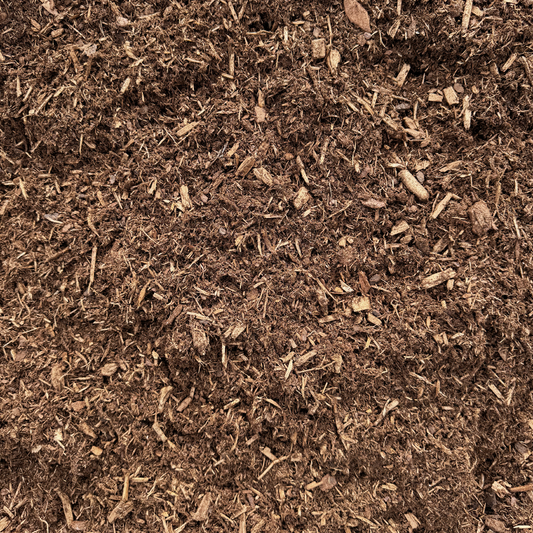
Browse the broader plant establishment & tree planting collection for compost, Topsoil Loam ½" Screened, and other bed-amendment material if you're refreshing while you're in there.
Step 1 — Survey the Bed
Walk the bed with a bucket and a mental list. Note which plants are in bloom, which are spent, and which are fading. Different stages need different cuts. About 5 minutes for a typical Essex County mixed border.
Step 2 — Sharpen and Sterilize
Sharp pruners cut cleanly; dull pruners crush stems and invite disease. Run blades across a sharpening stone before starting. Wipe with rubbing alcohol between species to prevent disease transmission — this matters most when moving from peonies (botrytis-prone) to other plants.
Step 3 — Peonies: Cut to Basal Foliage
Once peony blooms are spent and petals dropped, cut the bloom stalk all the way back to the basal foliage at ground level. Leave the green leaves — they feed the rhizome for next year's bloom. Don't cut peony foliage until it yellows in late September.
Step 4 — Daylilies: Snap at the Joint
Each daylily flower lasts one day. Snap spent blooms off at the joint where the flower meets the stalk — they snap cleanly with a thumb-and-finger pinch. When the whole stalk has finished its sequence (typically 7-14 days), cut the entire stalk at the base.
Step 5 — Shasta Daisies and Coreopsis: Shear by One-Third
For mass-bloom plants like Shasta daisies, threadleaf coreopsis, and catmint, hedge-shears the whole plant down by one-third when the first flush starts to fade. This triggers a second flush in 3-4 weeks. The UMass Extension Landscape summer-care guide considers this the highest-ROI mid-summer perennial intervention.
Step 6 — Irises: Cut Stalks, Trim Leaves
Cut spent iris bloom stalks to 1 inch above the rhizome. Trim any browned, yellowed, or spotted leaves at a 45-degree angle, removing the worst third of the leaf. Heavily spotted leaves should be removed entirely and bagged for trash (iris leaf-spot disease overwinters in fallen foliage).
Step 7 — What NOT to Dead-Head
Skip dead-heading on:
- Echinacea (coneflower) in late summer if you want to feed goldfinches in fall
- Rudbeckia (black-eyed Susan) in late summer for the same reason
- Hydrangea — never dead-head; cut stems for indoor arrangement instead. For the full hydrangea-pruning question, see Should I Prune Hydrangeas in July in Lexington?
- Lupines and aquilegia if you want self-seeding in mature meadow-style beds
Step 8 — Dispose Properly
Compost healthy spent material — peony stems, daisy heads, daylily stalks. Bag and trash any foliage with leaf spot, powdery mildew, or other disease symptoms. Adding diseased material to compost spreads the problem to next year's beds.
Companion Reads
For Brockton-area homeowners running a similar mid-summer reset, 5 Cookout-Ready Yard Tips for Brockton Homeowners covers the broader holiday-prep playbook. The Top 5 July Maintenance Tasks for Brookline Yards puts deadheading in the full mid-summer task context.
For the heat-stress side, 5 Heat-Resistant Plants for a Cambridge Front Bed covers plant choices that hold up through Essex County heat waves.