Quick Answer
The five heat-resistant plants for a Cambridge front bed: purple coneflower (Echinacea purpurea), switchgrass (Panicum virgatum), butterfly weed (Asclepias tuberosa), autumn joy sedum, and Russian sage (Perovskia atriplicifolia). All five tolerate full sun, infrequent watering, and Cambridge's heat-island summers without wilting. Total install for a 60 sq ft front bed: ~$200 in plants plus 0.4 cubic yards of garden soil mix and 2-inch hardwood mulch.
Why Cambridge Front Beds Need Heat-Resistant Plants
Cambridge's urban heat-island effect adds 4–7°F to summer temperatures vs. surrounding suburbs. South-facing front beds in Inman, Central Square, Mid-Cambridge, and Porter routinely hit soil-surface temperatures of 110°F+ in July. Plants chosen for shaded suburban beds wilt by 11 a.m. and look bad all summer.
Per the Native Plant Trust, MA-native heat-tolerant plants need 70% less water than typical bedding plants once established. The five below are all native or near-native, drought-tolerant, and pollinator-supporting.
1. Purple Coneflower (Echinacea purpurea)
The Cambridge front-bed workhorse. Native to MA, blooms June through September, drought-tolerant once established, butterfly-magnet.
Specs: - Height: 24–36 inches - Spread: 18–24 inches - Sun: Full sun - Water: Once established (year 2+), water only during 14+ day dry stretches - Bloom: June–September, purple-pink ray flowers - Plant in groups of 3–5 for visual impact
Cambridge tip: Plant in late spring or early fall, not midsummer. Mulch ring 2 inches deep to hold moisture during first-season establishment.
Browse plant establishment & tree planting for soil amendments.
2. Switchgrass (Panicum virgatum)
Architectural backbone for any Cambridge bed. Native MA prairie grass, drought-tolerant, beautiful seed heads in fall, deer-resistant.
Specs: - Height: 36–60 inches - Spread: 24–36 inches - Sun: Full sun to part sun - Water: Once established, virtually no supplemental water - Bloom: July–September, airy seed panicles - Plant in groups of 3 or as a single specimen
Cambridge tip: Cultivars 'Northwind' (upright, 5 ft) and 'Shenandoah' (red-tipped, 4 ft) work especially well for tight Cambridge beds.
3. Butterfly Weed (Asclepias tuberosa)
Pollinator powerhouse, drought champion. MA-native milkweed cousin, monarch host plant, blooms vivid orange in midsummer.
Specs: - Height: 18–30 inches - Spread: 12–18 inches - Sun: Full sun - Water: Once established, drought-tolerant in deep fashion - Bloom: June–August, bright orange flat-topped clusters - Slow to establish (year 1–2 minimal growth, year 3+ explosion)
Cambridge tip: Don't transplant once established — taproot. Plant in final location and leave it. Tolerates Cambridge's poor urban soils better than most natives.
4. Autumn Joy Sedum (Hylotelephium 'Herbstfreude')
The succulent solution to Cambridge heat. Drought-tolerant, fleshy leaves store water, pink-to-bronze fall flowers.
Specs: - Height: 18–24 inches - Spread: 18–24 inches - Sun: Full sun - Water: Almost none. Overwatering kills it. - Bloom: August–October, dome-shaped pink-to-rust flowers - Spreads slowly via offsets — divide every 4–5 years
Cambridge tip: The most forgiving plant on this list. If you've killed plants before, start here. Loves the heat-island effect.
5. Russian Sage (Perovskia atriplicifolia)
Lavender-blue haze for sunny Cambridge beds. Tolerates urban pollution, deer-resistant, blooms long, smells aromatic.
Specs: - Height: 36–48 inches - Spread: 24–36 inches - Sun: Full sun - Water: Drought-tolerant, prefers dry conditions once established - Bloom: July–October, lavender-blue spikes - Cut back to 6 inches in early spring for best shape
Cambridge tip: Plant 24" from path edges — gets larger than expected. Pairs beautifully with coneflower (#1) and sedum (#4).
How to Prep a Cambridge Front Bed for These Plants
For a 60 sq ft front bed (typical Cambridge front-yard strip):
- Test soil pH. Most Cambridge urban soil reads 6.0–6.8 — fine for these plants. Order a UMass Soil Test if uncertain.
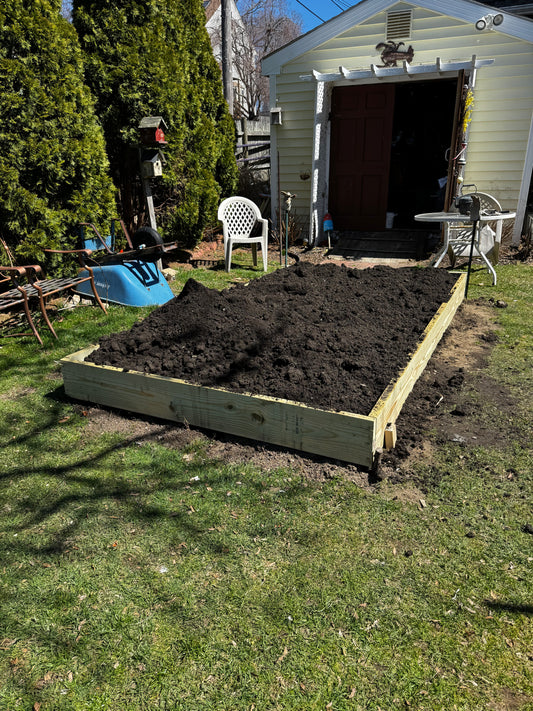
- Loosen soil to 12-inch depth. Cambridge's compacted urban soils benefit from a one-time double-dig.
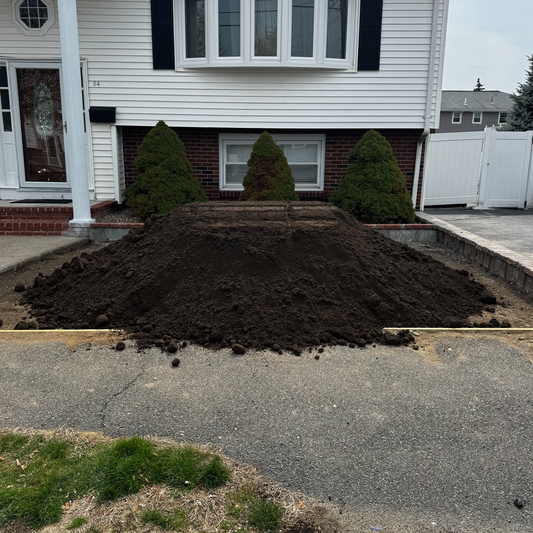
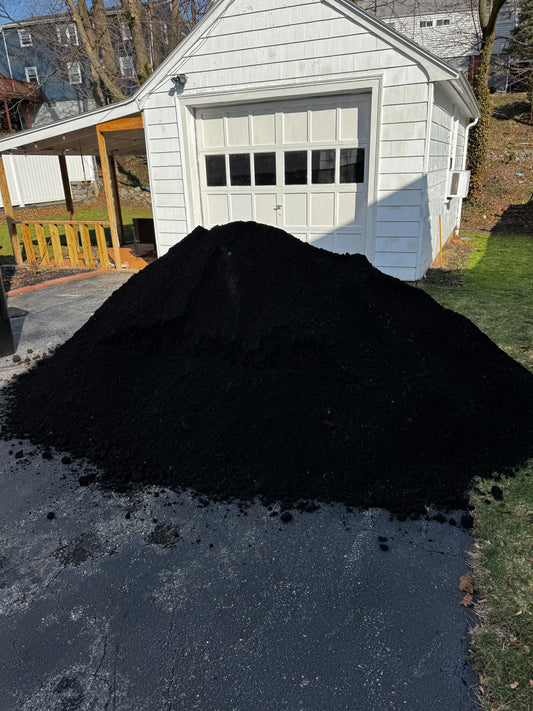
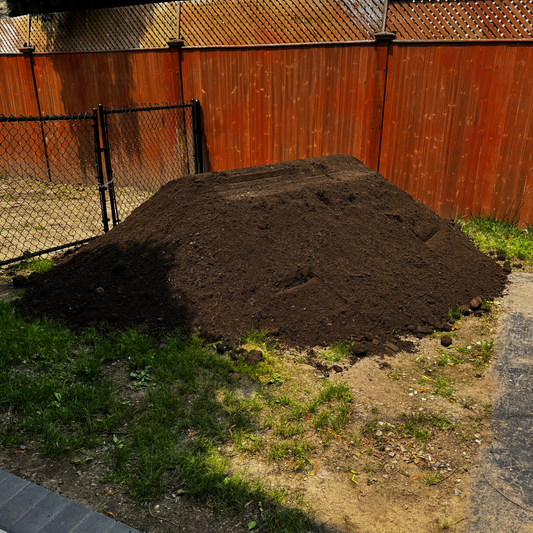
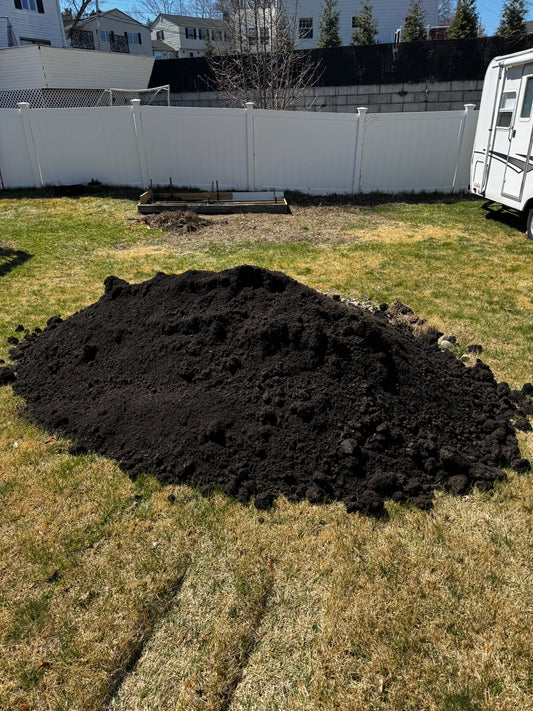
- Amend with garden soil mix at 30% by volume. Mix into existing soil. About 0.4 cubic yards for a 60 sq ft bed.
- Plant at proper spacing (per spec above).
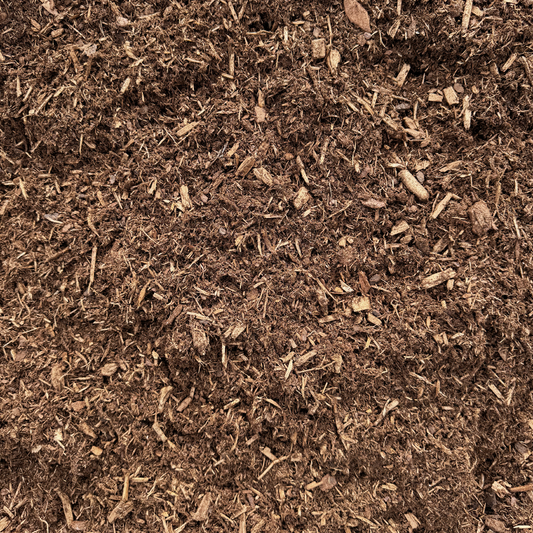
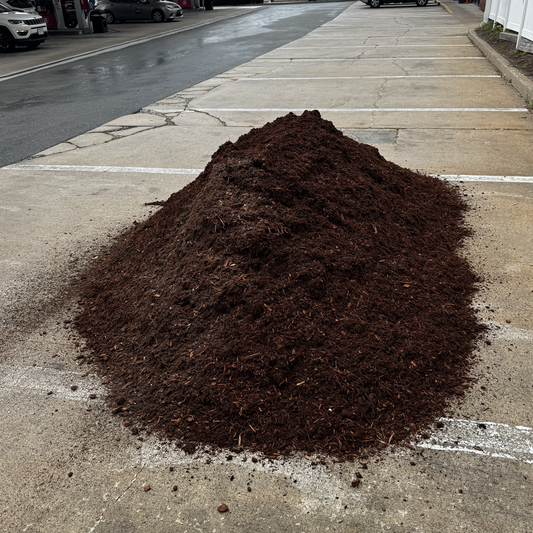
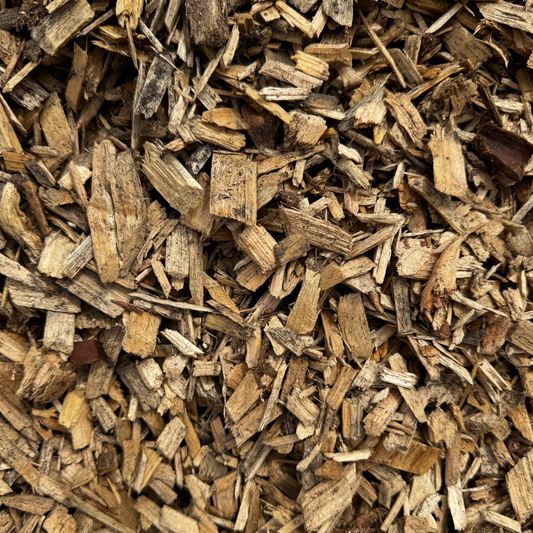
- Mulch 2 inches with hardwood or hemlock mulch. About 0.4 cubic yards.
- Water twice weekly for first 4 weeks (establishment), then drop to once weekly through year 1, then minimal.
What You'll Need from Ottr (60 sq ft Bed)
| Material | Quantity |
|---|---|
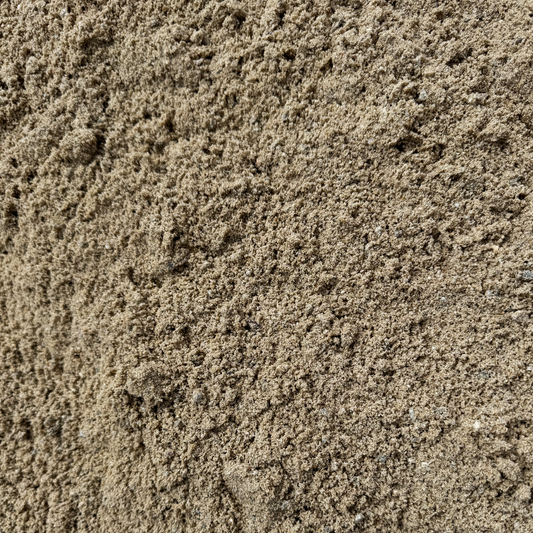
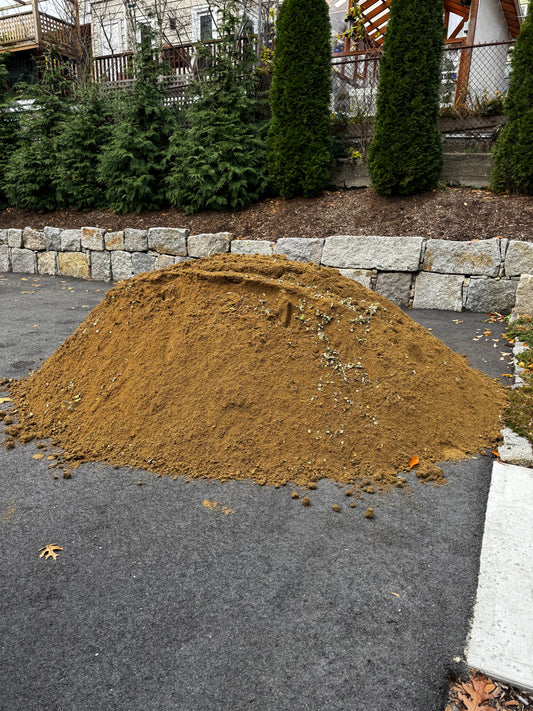
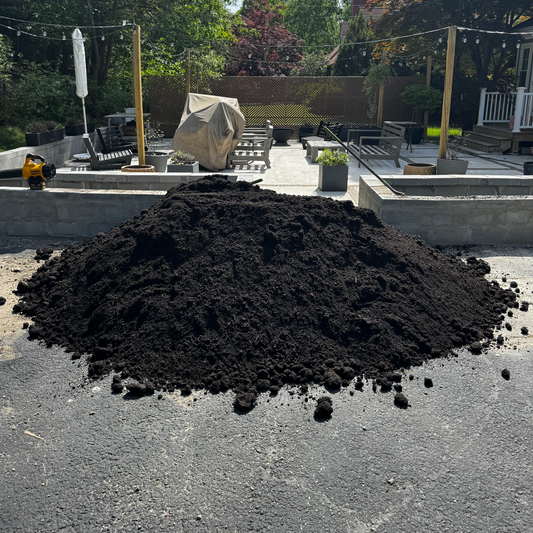
| Garden Soil Mix | 0.4 cubic yards |
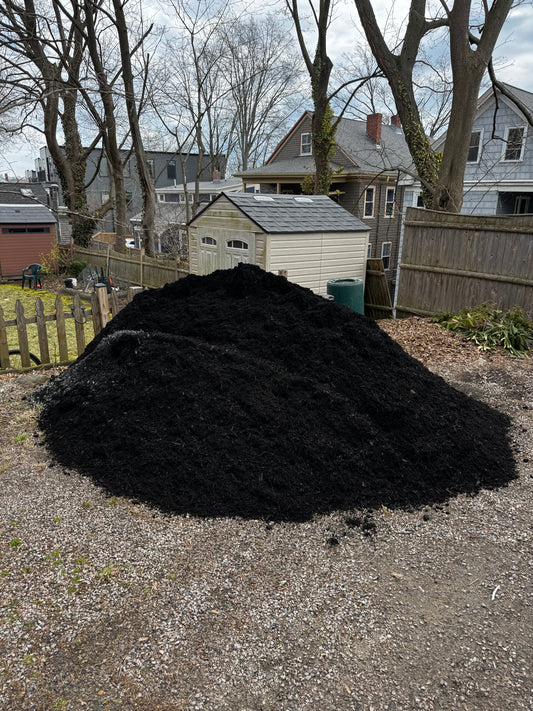
| Hardwood mulch (or hemlock) | 0.4 cubic yards |
| Compost | 0.2 cubic yards (top-dress) |
Plant material from local nurseries — total $150–250 for 12–15 plants of the five varieties.
Browse plant establishment & tree planting, mulch, and Cambridge landscape supply for delivery.
For the matching summer-watering playbook, see 5 Drought-Prep Steps for Bridgewater Yards Before June and How to Refresh Mulch in a Melrose Bed in Mid-Summer.
The short version: coneflower, switchgrass, butterfly weed, sedum, Russian sage. Five plants, native or near-native, drought-tolerant, pollinator-friendly. Plus 2 inches of mulch and you have a Cambridge front bed that handles July heat without daily watering.