Quick Answer
For most Lexington hydrangeas, no — don't prune in July. The two most common Lexington varieties (big-leaf and oakleaf) bloom on old wood, meaning the buds for next year's flowers form on this year's stems within weeks of this year's bloom. Pruning now removes those buds. The exceptions: panicle hydrangeas (Limelight, Bobo) and smooth hydrangeas (Annabelle) bloom on new wood and tolerate light July shaping. The right move for nearly all Lexington homeowners is to identify your variety first, then leave the pruners in the shed.
Why Lexington Hydrangeas Are Especially Sensitive
Lexington's mature plantings — Lexington Center, East Lexington, the historic homes along Mass Ave and Bedford Street — frequently include 20- to 50-year-old big-leaf hydrangeas. These are the iconic blue and pink mophead bushes. They bloom on old wood, and they have already set 2026's flower buds by late July. Lexington homeowners ask "should I prune?" every year because the bushes look enormous and untidy by July 10. The answer is almost always: leave them alone, or you'll lose next year's flowers.
Q: Should I prune hydrangeas in July in Lexington?
A: Mostly no. It depends on the variety. Old-wood bloomers (big-leaf, oakleaf) form their next-year buds within weeks of this year's bloom. Pruning in July removes those buds. New-wood bloomers (panicle, smooth/Annabelle) tolerate light July shaping but don't actually need it.
Q: How do I tell which hydrangea I have?
A: Look at the leaves and the flowers.
- Big-leaf (Hydrangea macrophylla) — broad, glossy, slightly serrated leaves. Pink or blue mophead or lacecap flowers. Most common Lexington variety. Old wood.
- Oakleaf (H. quercifolia) — oak-shaped leaves, white cone-shaped flowers, fall color in red and burgundy. Old wood.
- Panicle (H. paniculata) — pointed cone flowers that age from white to pink. Common cultivars: Limelight, Bobo, Pinky Winky, Phantom. New wood.
- Smooth (H. arborescens) — white globe-shaped flowers, often floppy. Annabelle is the classic cultivar. New wood.
The UMass Extension Landscape hydrangea identification guide has photos for each.
Q: Can I cut hydrangea flowers for arrangements?
A: Yes — that's the right way to enjoy them in July. Cut on a long stem (12+ inches) with leaves attached, plunge into water immediately, and use indoors. This doesn't compromise next year's bloom on any variety because you're cutting individual flowers, not bulk-pruning. Leaves replenish.
Q: My big-leaf hydrangea didn't bloom this year. Was it the pruning?
A: Likely yes — or a late spring freeze on the buds, or both. The number-one cause of big-leaf hydrangea bloom failure in Lexington is pruning at the wrong time. The number-two cause is a hard April freeze hitting newly-emerged flower buds. Neither is recoverable for the current season — you wait for the next year. If you suspect pruning was the problem, don't cut it again.
Q: When IS the right time to prune big-leaf hydrangeas?
A: Right after bloom, July at the latest, and only lightly. If you must prune a big-leaf for size or shape: do it within 2 weeks of bloom finishing, cut only to remove dead wood or shape lightly to an outward-facing bud, and never cut more than one-third of the plant. After mid-August, all pruning of big-leaf and oakleaf risks removing next year's flower buds. Better: don't prune at all and accept the natural form.
Q: When is the right time to prune panicle hydrangeas?
A: Late winter or early spring (March in Lexington). Panicle hydrangeas bloom on new wood, so you cut while they're dormant. Cut last year's stems back by one-third to half. This produces fewer but larger blooms. July is too late — by then the new-wood stems are already developing this season's flower buds.
Q: Can I move/transplant a hydrangea in July?
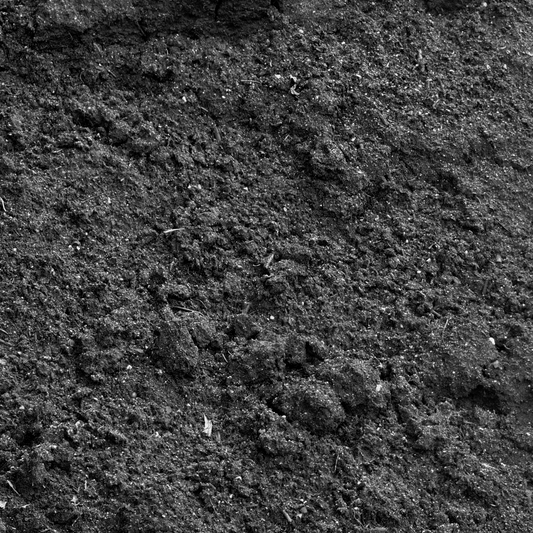
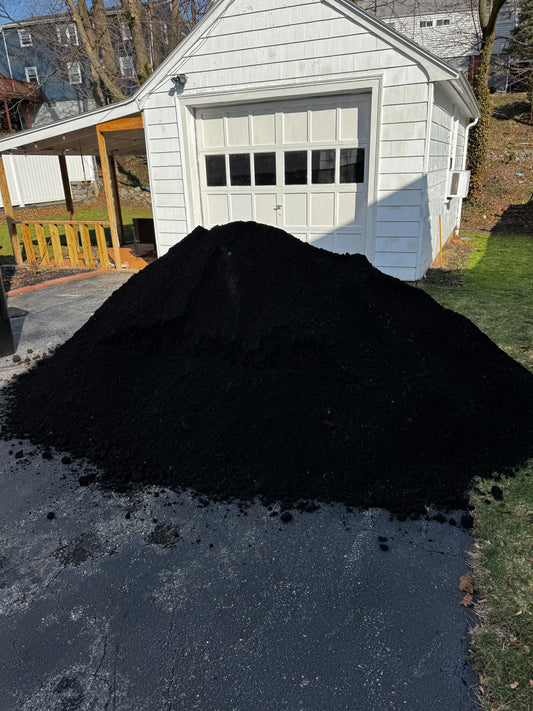
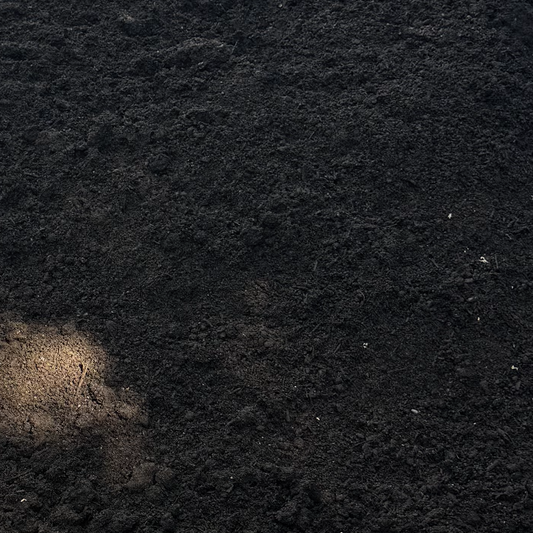
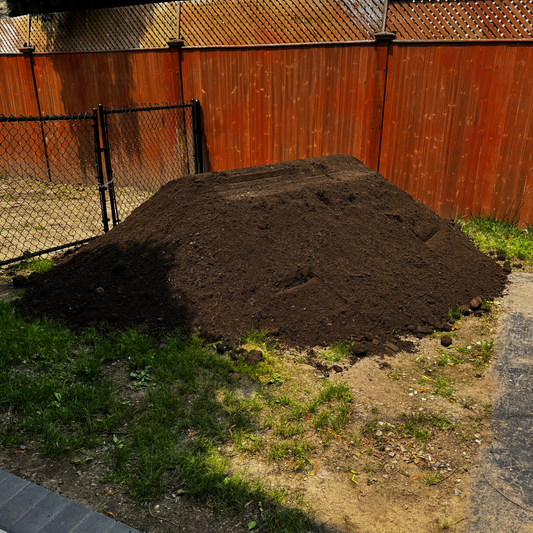
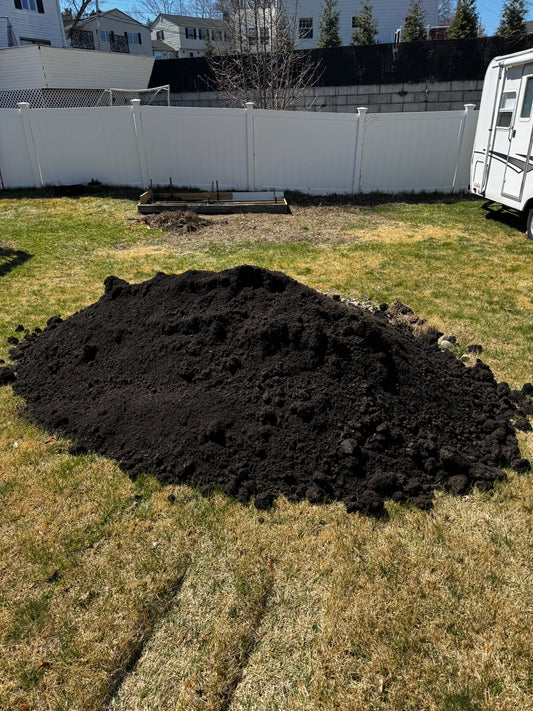
A: No — wait until October or April. July transplant in Lexington heat almost always kills hydrangeas. The shallow root system can't keep up with leaf transpiration in the relocation stress. Mark the plant now, plan the move for fall after the first frost, and prep the new location with Topsoil Loam ½" Screened and Compost.
Q: What about dead-heading just the spent flowers?
A: Dead-heading is not the same as pruning, and is fine on all varieties. Cut the spent flower (and only the flower) back to the first set of large leaves. This is cosmetic — it doesn't affect next year's bloom. Some homeowners skip it because dried hydrangea blooms are attractive through fall.
For the broader perennial-deadheading playbook, see How to Dead-Head Perennials in a Essex County Bed — the principle is the same.
Q: My hydrangea is huge — when can I cut it back hard?
A: Almost never, and only on panicle or smooth varieties. Big-leaf and oakleaf can't take hard pruning without losing the next 1-2 years of bloom. Panicle and smooth hydrangeas tolerate hard pruning in March, but even there, "hard" means cutting to 18 inches above ground — not to the soil line. If your big-leaf is genuinely too large, the right move is to transplant it (in October) to a location matched to its mature size.
Q: Does Ottr stock material to amend a hydrangea's planting bed?
A: Yes. Hydrangeas in Lexington benefit from a soil that holds moisture without staying soggy — Topsoil Loam ½" Screened mixed with Compost is the standard amendment. Browse the plant establishment & tree planting collection. For acid-loving big-leaf hydrangeas (which influence flower color), pH testing through the UMass Soil Testing Lab tells you whether to amend with sulfur (toward blue) or lime (toward pink).
The Lexington Hydrangea Playbook
- Identify your variety first. Big-leaf and oakleaf are old-wood; panicle and smooth are new-wood.
- Old-wood varieties: don't prune in July. Cut flowers for indoor arrangement instead.
- New-wood varieties: light shaping in July is fine. Hard pruning waits for March.
- Dead-heading is fine on all varieties — cut just the spent flower, not the stem.
- Skip transplanting until October — July moves almost always kill the plant.
For the universal version of this Q&A covering all of Massachusetts, see Should I Prune Hydrangeas in July in Any MA?. For the broader mid-summer maintenance picture, Top 5 July Maintenance Tasks for Brookline Yards covers the full task list.