Quick Answer
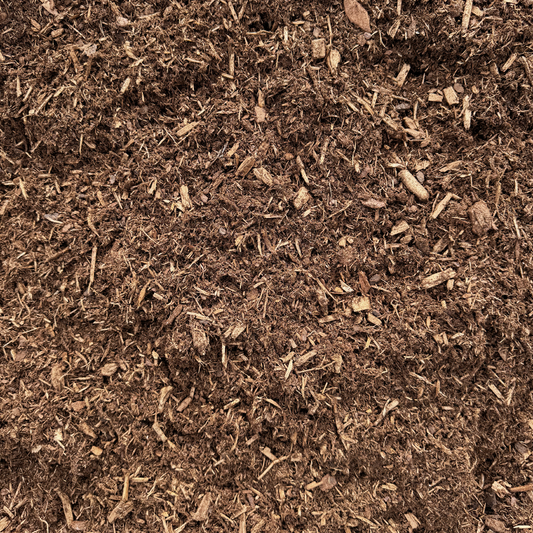
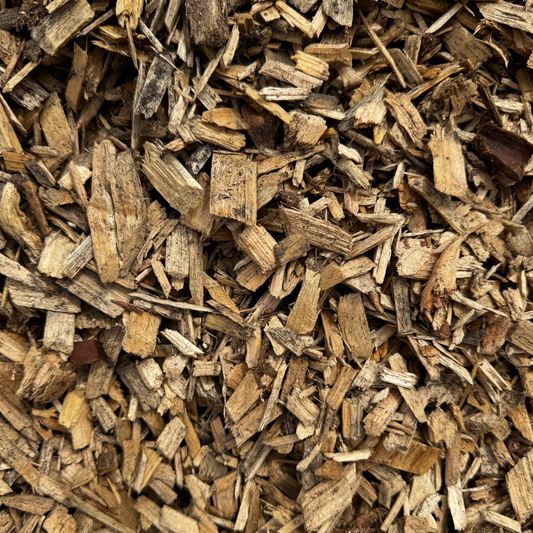
A Cape Cod yard — Barnstable, Falmouth, Mashpee, Yarmouth, Brewster, Chatham — can cut outdoor water use by 40-50% with three structural moves: (1) top off all mulch beds to 3 inches with Hemlock Mulch (slows evaporation by 25-40%), (2) convert foundation-bed sprinklers to soaker hose mulched over (raises efficiency from 40-60% to 80%+), (3) reset lawn schedule to 2 deep waterings per week instead of daily shallow. About 3 hours of work, ~$200 in bulk material. Pays back in one season on most Cape water bills.
Why Cape Cod Conservation Matters Especially
The Cape's water table is uniquely vulnerable. Most Cape towns rely on groundwater wells; sandy soils mean rainfall recharge is fast but storage is shallow. Mid-summer outdoor irrigation in towns like Mashpee, Falmouth, and Brewster can spike town demand 30-40% above winter baseline. By mid-July, most Cape towns have mandatory odd/even outdoor watering restrictions — and several have full bans during severe dry spells.
The conservation moves below cut water use without giving up the yard.
Supplies Checklist
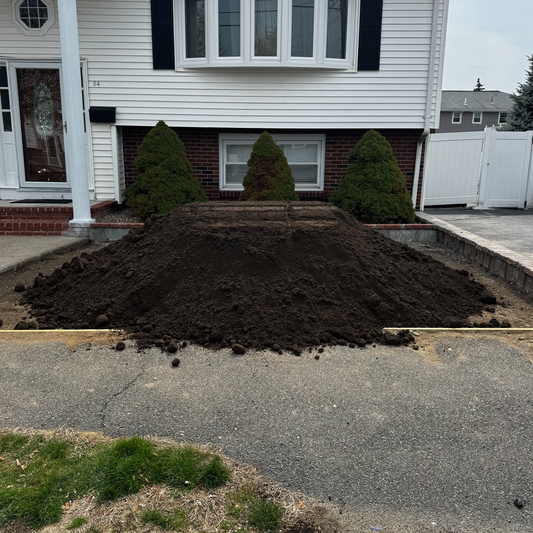
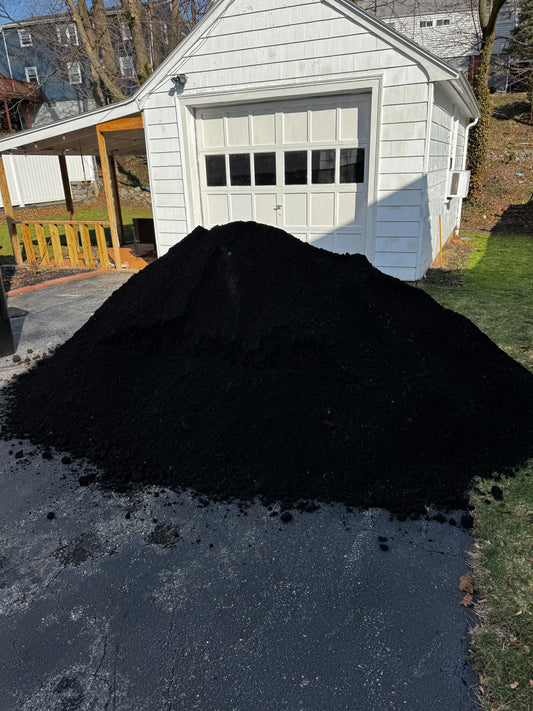
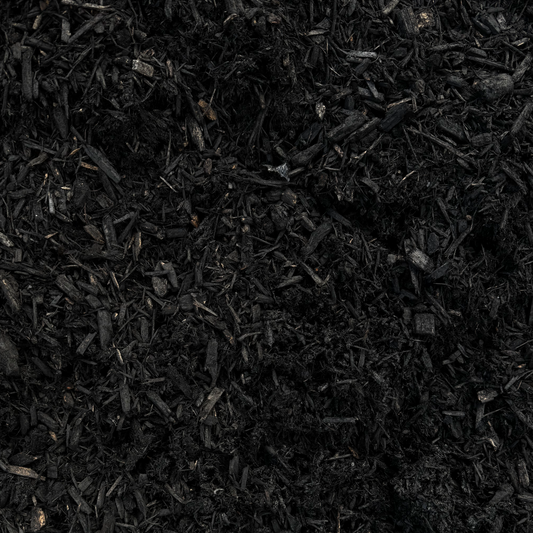
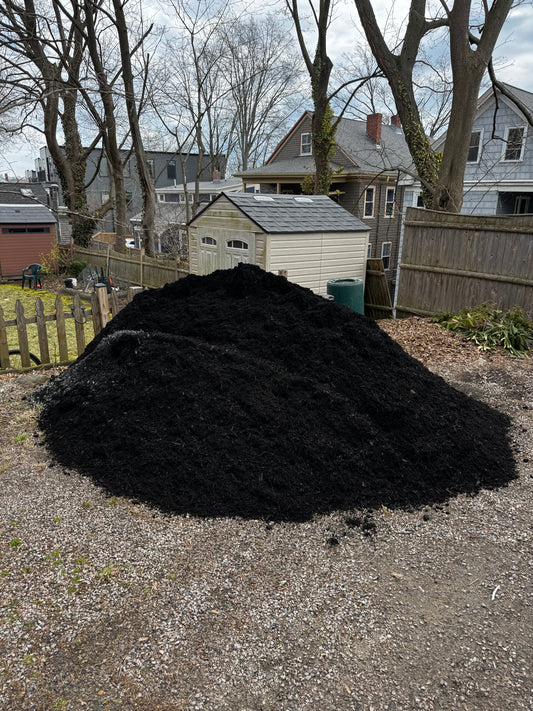
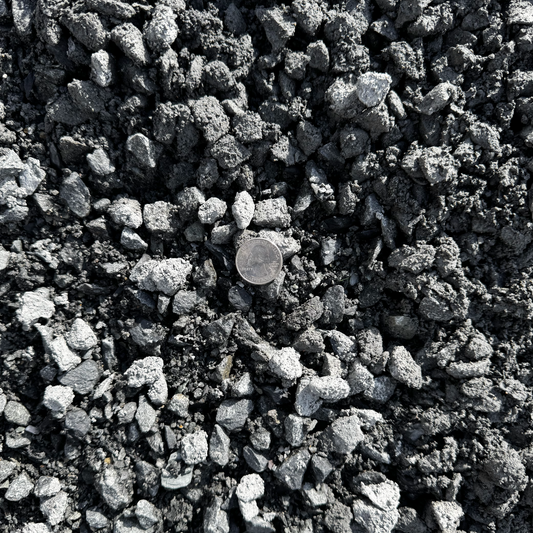
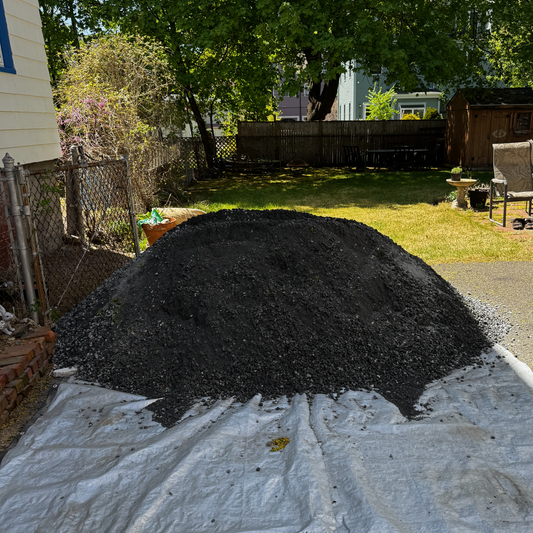
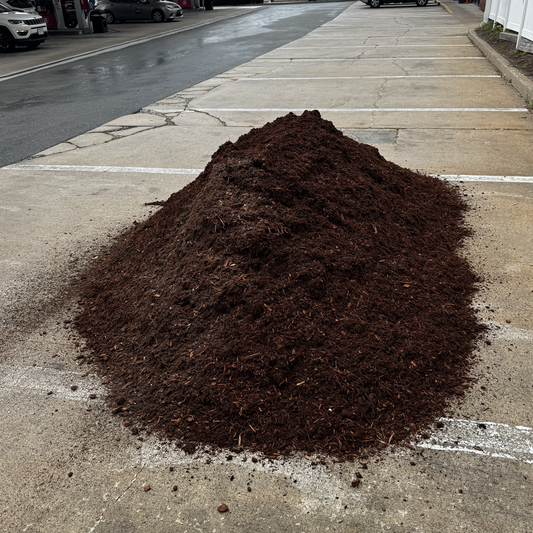
- 1 cubic yard Hemlock Mulch for top-offs across all beds (typical Cape yard)
- 1-2 soaker hoses (50 feet each, $22 each)
- 1-2 battery hose timers ($35 each)
- 1 tuna can for rain-gauge verification
- Steel rake, hori-hori knife for the work itself
Browse the mulch collection for per-yard pricing on Hemlock and Pine Bark Mulch. For Cape delivery from Ottr's Dispatch Office, contact dispatch for routing - the Cape runs 55 to 80+ driving miles out, so delivery is $100 per truckload for the first 30 miles plus $4 per mile beyond.
Step 1 — Audit Each Watering Zone
Walk the yard with a notepad. List every irrigated area with size:
- Front lawn: ___ sq ft
- Back lawn: ___ sq ft
- Front foundation bed: ___ linear feet
- Back foundation bed: ___ linear feet
- Vegetable garden: ___ sq ft
- Containers: ___ pots
- Lawn edges and pathways
This is the baseline you optimize against. Most Cape yards have 4-6 zones running on independent schedules — and most are over-watered.
Step 2 — Top Off Mulch to 3 Inches
Mulch is the single most effective evaporation barrier in landscape practice. The USEPA WaterSense outdoor-water guide credits 2-3 inches of mulch with 25-40% evaporation reduction in mid-summer conditions.
Top off all beds to a total depth of 2-3 inches. Add only 1 inch if existing mulch is in good shape — the depth-math from How to Top-Off Mulch Without Smothering Dorchester Plants applies here. Pull mulch back from stems.
Step 3 — Convert Beds to Soaker Hose Mulched Over
Replace overhead sprinkler watering of foundation and perennial beds with soaker hose. For the full setup and ROI math, see Soaker Hose vs Sprinkler for Arlington Foundation Beds.
Cape Cod-specific note: the sandy soils here make soaker hose performance even better than inland — water reaches roots quickly and doesn't sheet-flow.
Schedule: 2 cycles per week, 30 minutes each, at 5 AM. Verify with rain gauge that each cycle delivers ½ inch.
Step 4 — Reset Lawn Schedule
The single biggest source of waste on Cape lawns is daily shallow watering. Switch to:
- 2 deep waterings per week (Tuesday and Friday)
- 45 minutes per zone with rotary sprinkler (delivers ½ inch)
- 5 AM start to beat evaporation
- No watering above 90°F unless lawn is genuinely wilting
If your town is in odd/even-day restriction mode, schedule accordingly. Browse the lawn leveling and repair collection for the right material to patch any spots that don't survive the dry spell.
Step 5 — Group Containers and Shade
Containers in full afternoon sun lose 1+ inches of water daily on the Cape. Two structural moves:
- Group containers together — reduces wind exposure and creates a moisture microclimate.
- Move to morning-sun-only locations — east or north sides of the house cut water demand 30-40%.
Both moves are free.
Step 6 — Verify Water Restrictions
Check your town's outdoor-water status. Most Cape towns post current restrictions on the town website. Common rules:
- Voluntary: suggested odd/even days, no daytime watering 9 AM-5 PM
- Mandatory: odd/even enforced with fines, 9 AM-5 PM ban, hand-watering only
- Full ban: no automated outdoor watering
What Long-Term Conservation Looks Like
If dry spells recur (and they will), the year-2 move is structural conversion to drought-tolerant plantings. For the plant list, 5 Xeriscape Picks for Norfolk County Front Beds and Top 5 Drought-Tolerant Plants for Watertown Yards translate to Cape conditions — though the Cape's sandy soils mean lavender and bearberry are even better fits than they are inland.
For the broader Cape landscape supply catalog, see the regional collection.
Companion Reads
For the contractor-side pivot during regional dry spells, see Drought-Smart Service Pivots for Crews. For the news side of the dry-spell picture in mainland Massachusetts, Drought Watch Update for Norfolk County, MA tracks the regional moisture picture.
For the lawn-side question of whether to water a brown lawn at all, Is It Worth Watering a Brown an MA Lawn in July? is the Q&A pillar.