Quick Answer
Top 5 drought-tolerant plants for a Watertown yard — Coolidge Square, East Watertown, Watertown Square — that survive July dry spells without daily watering: (1) Little Bluestem (Schizachyrium scoparium) — native warm-season grass, (2) Russian Sage (Perovskia atriplicifolia) — silver foliage, blue spires, (3) Purple Coneflower (Echinacea purpurea) — pollinator magnet, (4) Bearberry (Arctostaphylos uva-ursi) — native ground cover, (5) Catmint (Nepeta x faassenii) — long-blooming front-bed staple. All five thrive on weekly deep watering once established and zero water in the second year forward.
Why Watertown Needs Drought-Tolerant Choices
Watertown's location along the Charles River creates a sunny, often hot microclimate — especially in the older residential blocks south of Mount Auburn Street where mature street trees have been lost to disease. Combined with rising summer temperatures and increasing water-rate pressure, the case for drought-tolerant plantings has gotten stronger every year. The five below are battle-tested in Watertown conditions.
1. Little Bluestem (Schizachyrium scoparium) — Native Warm-Season Grass
Why it works in Watertown: Native Massachusetts grass, evolved for exactly this climate. Mature clumps reach 2-3 feet, with blue-green summer foliage turning orange-red in fall. Survives weeks without water once established.
Best location: Sunny front beds, hellstrips, the strip between sidewalk and street.
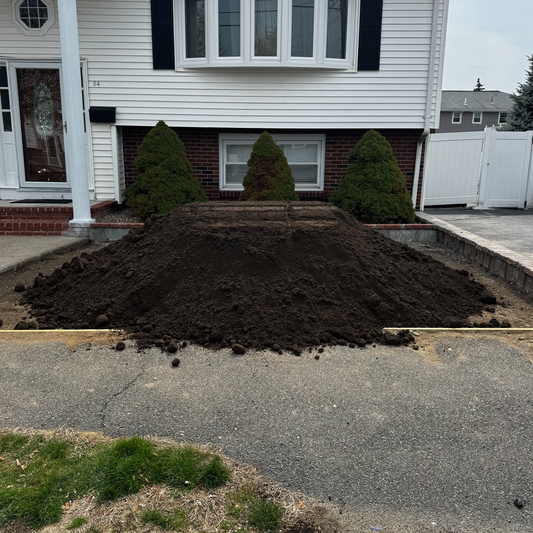
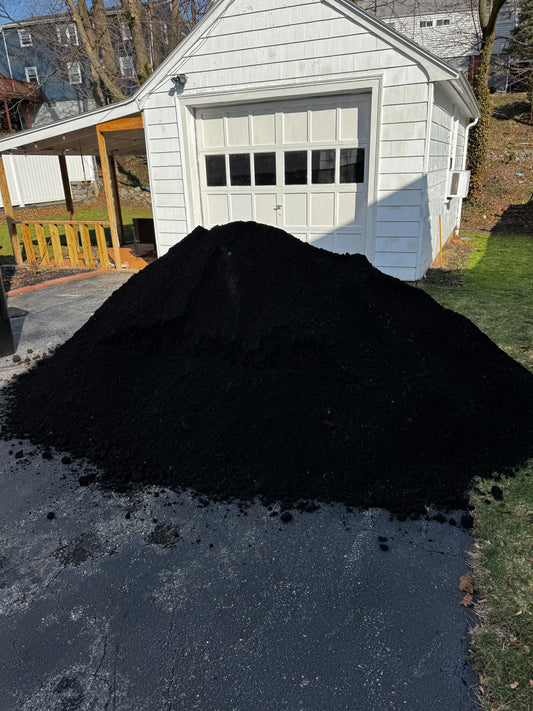
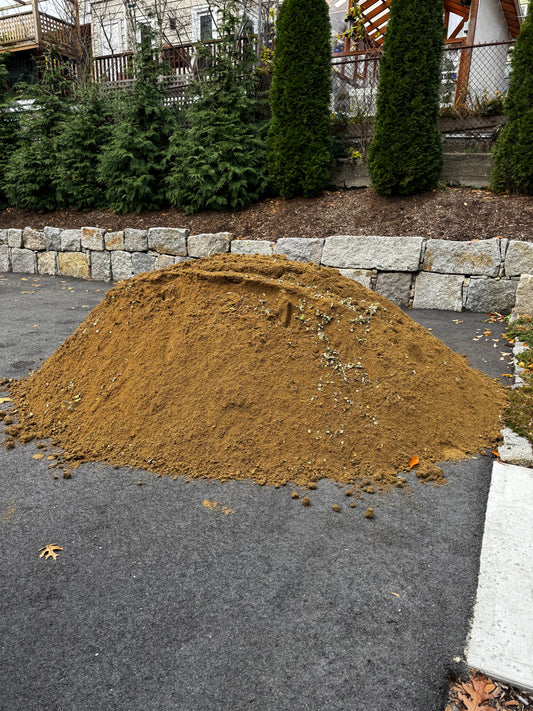
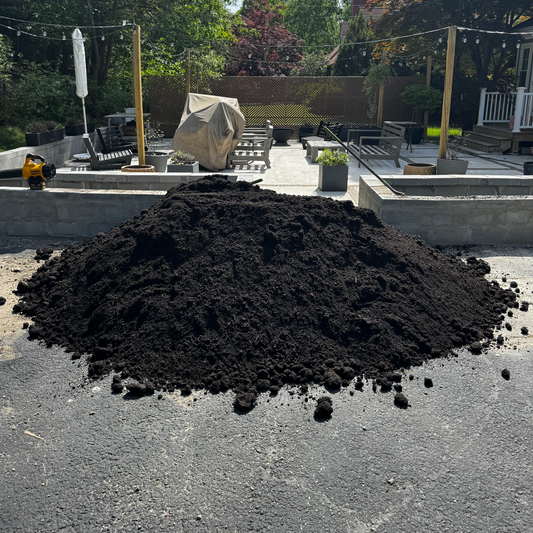
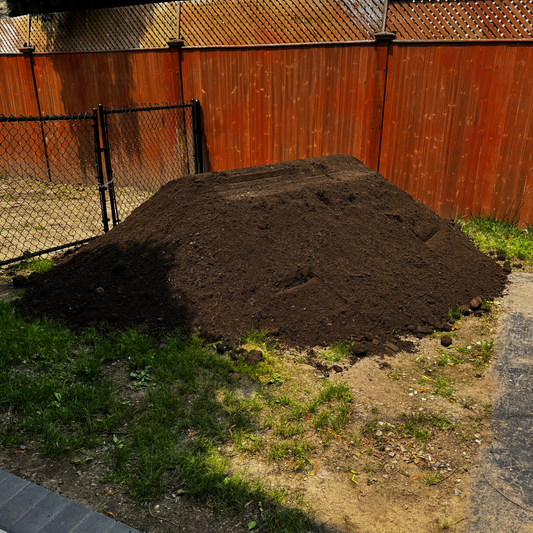
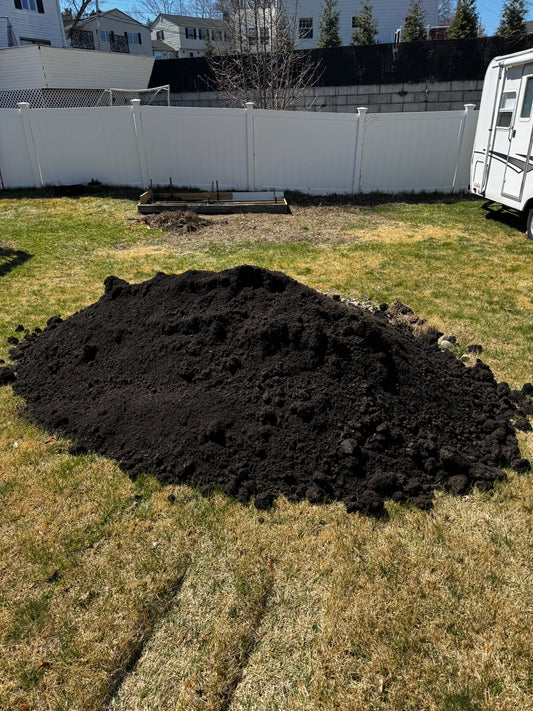
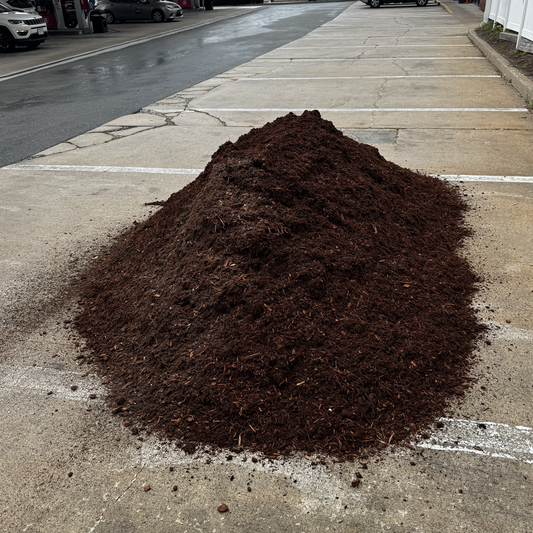
Establishment: Plant in spring or fall (NOT summer). Water weekly the first season; nothing the second year forward. Skip fertilizer — bluestem prefers lean soil. Browse the plant establishment & tree planting collection for Topsoil Loam ½" Screened to amend establishment beds.
Source: Native Plant Trust Garden in the Woods (Framingham) sells nursery-propagated Little Bluestem.
2. Russian Sage (Perovskia atriplicifolia) — Structural Silver
Why it works in Watertown: Silver-gray foliage with lavender-blue flower spires from late June through October. 3-4 feet tall and wide. Tolerates poor soil, full sun, and complete neglect once established.
Best location: Back of border, hot south-facing foundation beds.
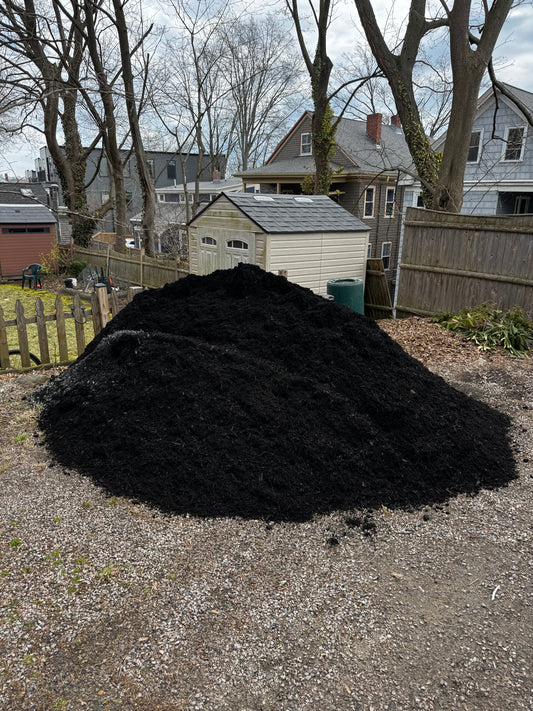
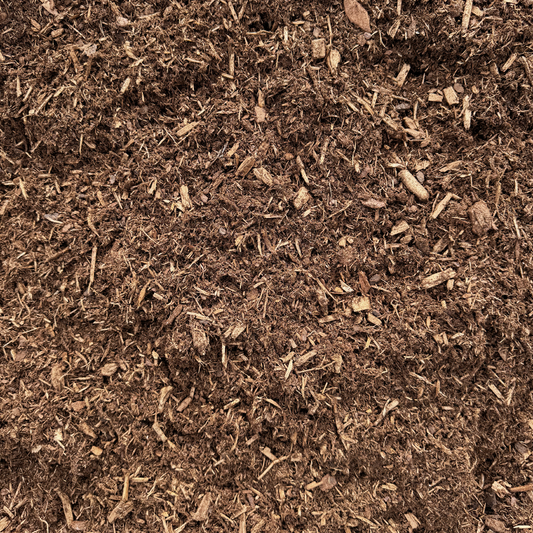
Establishment: Spring planting only. Mulch with 2 inches of Hemlock Mulch (browse the mulch collection). Cut to 6 inches in early March each year — this is the rare shrub that benefits from hard March pruning. After the first year, it survives Watertown summers without supplemental water.
3. Purple Coneflower (Echinacea purpurea) — Pollinator and Bird Magnet
Why it works in Watertown: Native to the eastern US, well-adapted to Mass conditions. Pink-purple daisy flowers June-September. Goldfinches feed on the seed heads in late summer (a reason to skip dead-heading in July).
Best location: Mid-border, sunny mixed perennial beds, prairie-style plantings.
Establishment: Spring or fall planting. Water weekly first year, then minimal. Echinacea forms the structural backbone of Watertown drought-tolerant beds.
Cultivar pick: 'Magnus' is the most reliable, deer-resistant option for Watertown's increasingly visible deer pressure.
4. Bearberry (Arctostaphylos uva-ursi) — Native Ground Cover
Why it works in Watertown: Massachusetts native ground cover, glossy evergreen leaves, pink urn-shaped flowers in May, red berries fall through winter. Drought-tolerant once established. Spreads slowly to form dense mats.
Best location: Sunny slopes, hellstrips, replacement for tired-out turf in low-traffic strips.
Establishment: Plant 18 inches apart in spring or fall. Acidic, well-drained soil — amend with Topsoil Loam ½" Screened and Compost. Water weekly the first year. After year 1, virtually no water needed.
5. Catmint (Nepeta x faassenii) — The Workhorse
Why it works in Watertown: Months of blue flowers (May through August with one shear-back), gray-green aromatic foliage, deer- and rabbit-resistant. Grows in lean soil.
Best location: Front-of-border, walkway edges, mass plantings under shrubs.
Establishment: Spring planting. Shear back by half after first bloom flush in late June for a second flush. Water weekly the first year; minimal after. Cultivars 'Walker's Low' and 'Six Hills Giant' are most reliable.
What to Avoid
Watertown homeowners frequently install these and regret it within 2 summers:
- Hydrangea (big-leaf) — needs daily water in July heat. See Should I Prune Hydrangeas in July in Lexington? for context.
- Hosta in full sun — scorches by July 15 every year.
- Astilbe in dry beds — needs constant moisture.
- Standard Kentucky bluegrass turf in full-sun lawns — see Top 5 Drought-Tolerant Plants for Watertown Yards — wait, that's this article. The lawn-replacement question is covered in How to Conserve Water in a Cape Cod Yard During a Dry Spell.
Establishment Material Cost
For a typical 100 sq ft drought-tolerant front bed planted in fall:
- ½ cubic yard Topsoil Loam ½" Screened (~$30)
- ¼ cubic yard Compost (~$22)
- ½ cubic yard Hemlock Mulch (~$30)
- Plants: ~$200-300 for 12-15 well-sized perennials/grasses
- Total bulk material: ~$80 from the Watertown landscape supply catalog
Companion Reads
For the broader water-conservation strategy, How to Conserve Water in a Cape Cod Yard During a Dry Spell covers the structural moves. For Norfolk County's drought-front-bed picks, 5 Xeriscape Picks for Norfolk County Front Beds is the regional companion.
For the watering setup that complements drought-tolerant plantings during establishment, see Soaker Hose vs Sprinkler for Arlington Foundation Beds.