Quick Answer
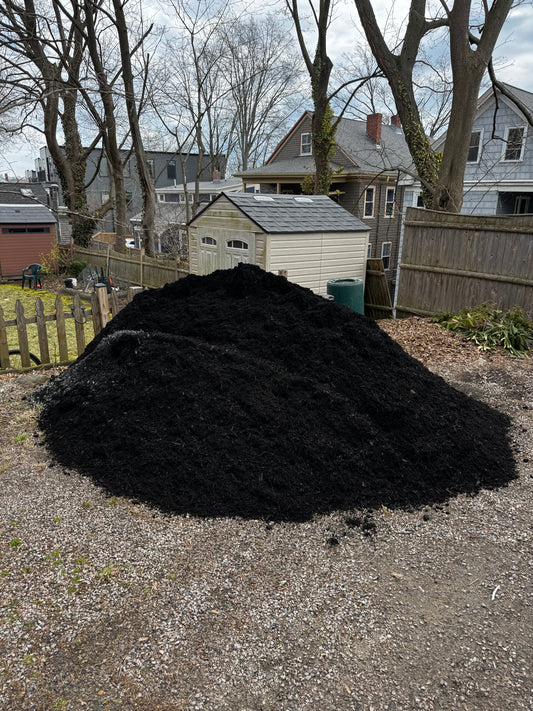
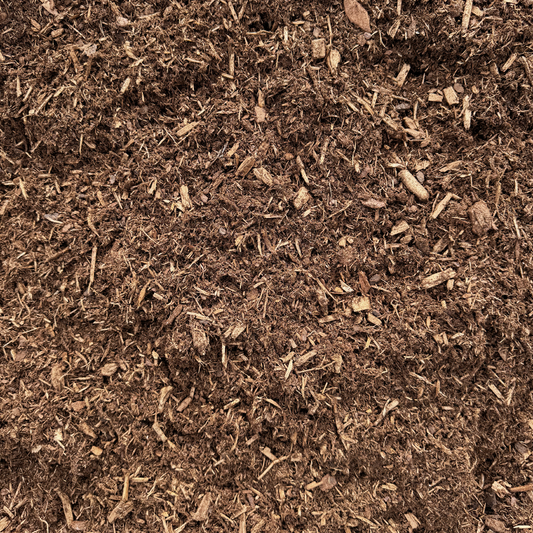
July is the wrong month to dump 3 inches of fresh mulch on a Dorchester bed. The right move: stick a screwdriver into your existing mulch first. If it reads under 2 inches, top off with only 1 inch of new mulch — total depth should land at 2 to 3 inches. Pull mulch back 3 inches from every stem and trunk to prevent rot. Use Hemlock Mulch or Pine Bark Mulch for the best heat-and-moisture balance. About 45 minutes for a 100 sq ft bed.
Why Dorchester Beds Get Smothered in July
Dispatch Offices — Ashmont, Codman Square, Lower Mills, Savin Hill — share a common pattern. Spring mulch went down 3 inches deep in April. By July, the top layer has dried out and bleached, but underneath, that mulch is still doing its job. Pile another 2 to 3 inches on top and you've created a 5-inch barrier that suffocates roots, holds moisture against stems, and breeds fungal disease.
Mid-summer mulch is a top-off, not a refresh. The total target depth is 2 to 3 inches across the bed, period.
Supplies Checklist
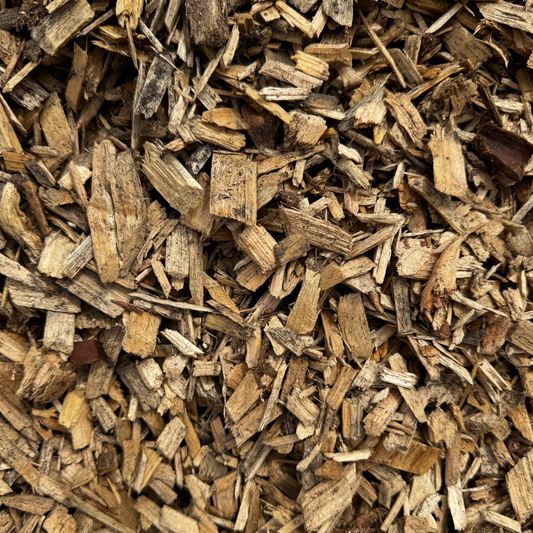
- Hemlock Mulch or Pine Bark Mulch — 1 cubic yard covers ~150 sq ft at 1-inch depth
- Steel landscape rake (for fluffing)
- Garden fork (for aerating matted areas)
- Wheelbarrow + mulch fork
- Soaker hose for the post-mulch watering
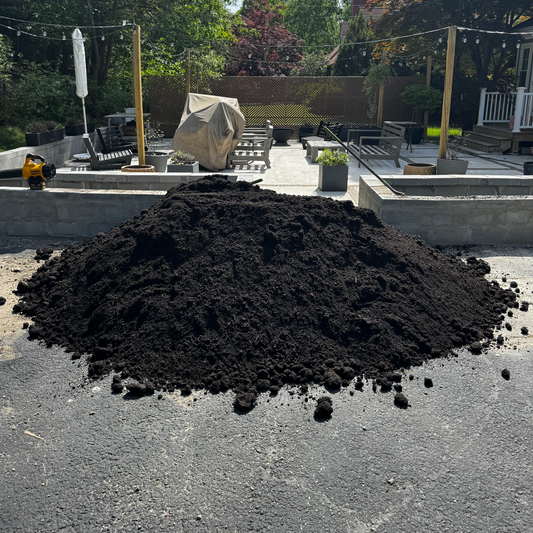
Browse the mulch collection for current per-yard pricing on Hemlock, Pine Bark, Red Cedar, and Black Mulch. Dorchester delivery is standard from our Dorchester landscape supply staging.
Step 1 — Measure Before You Order
Stick a screwdriver straight down into the mulch in three spots per bed. If it slides through more than 2 inches before hitting soil, don't top off — you already have enough. If it stops at 1 inch or less, you're a candidate for a 1-inch top-off.
Step 2 — Pull Mulch Back From Every Stem
Walk the bed first. Hand-pull or rake mulch back 3 inches from every shrub trunk, perennial crown, and tree base. Mulch volcanoes are the leading cause of stem rot and pest harborage in Dispatch Offices. This step alone saves more plants than the actual top-off does.
Step 3 — Aerate Matted Layers
Where last spring's mulch has matted into a hydrophobic crust (water beads on top instead of soaking in), use a garden fork to puncture the layer. Stab and twist every 12 inches. This restores water infiltration before you add anything new.
Step 4 — Add Only 1 Inch
Spread no more than 1 inch of new mulch with a steel rake. Total depth across the bed should now be 2 to 3 inches. If you have a low spot, fill it. Don't blanket-cover the whole bed if it doesn't need it.
Step 5 — Re-Pull From Stems
After spreading, walk the bed again and pull mulch back from every stem. The act of spreading inevitably nudges some material against trunks. Fix it before you walk away.
Step 6 — Water Deeply
Run a soaker hose for 30 minutes. This settles the new mulch, drives moisture into the root zone, and starts the new layer's microbial integration with the old.
Pricing for a Typical Dorchester Bed
A typical Dorchester triple-decker front bed runs 80 to 120 sq ft. At 1 inch top-off depth, that's about 0.4 cubic yards. Most homeowners order ½ cubic yard with the leftover used in a back bed or container topdress. For a step-by-step timing decision in similar Suffolk County conditions, see Will Adding Mulch in July Help My Suffolk County Plants Survive Heat? — the answer drives the depth math here.
For broader summer-bed timing guidance, the UMass Extension Landscape, Nursery & Urban Forestry program is the authoritative source on mulch depth and plant health in eastern Massachusetts. Looking ahead, our Top 5 July Maintenance Tasks for Brookline Yards covers the full mid-summer checklist.
If you also need to plan around the Plymouth County paver-patio pricing worksheet, schedule the mulch top-off for the week before — pavers throw dust onto fresh mulch.