Quick Answer
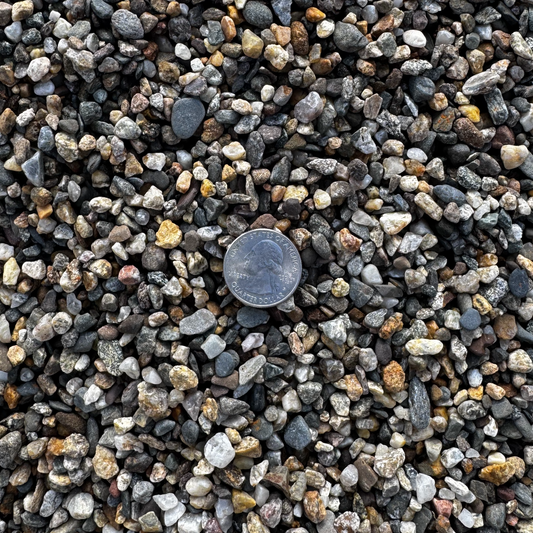
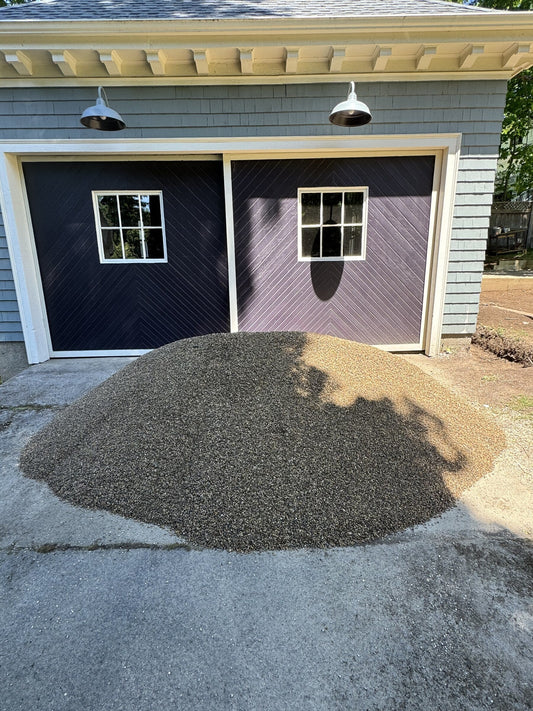
The five biggest winter-material savings for a Quincy homeowner: buy bulk by the cubic yard (cuts per-pound cost roughly in half vs. bagged), switch to salt-sand 20/80 for traction-only zones, pre-treat lightly before storms instead of post-storm overapplication, share a delivery with a neighbor to amortize the trucking cost, and pre-book mulch in January to lock pricing before the spring run-up. Done together, these typically cut a Quincy household's winter-material spend by 30–40%.
#1 — Buy Bulk by the Cubic Yard
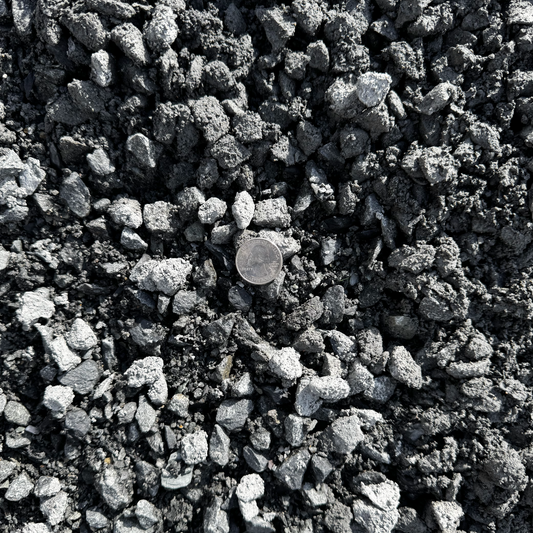
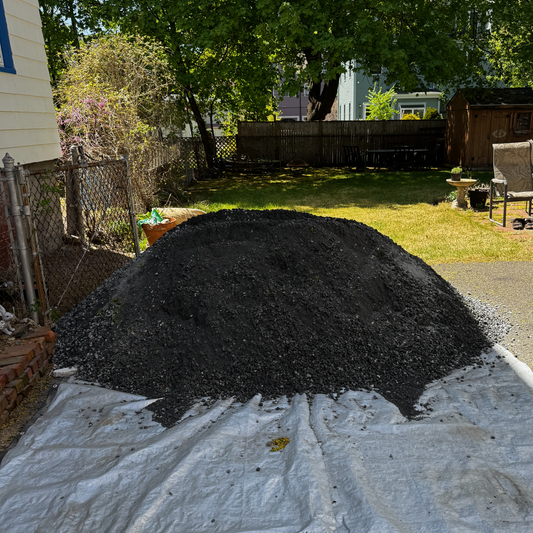
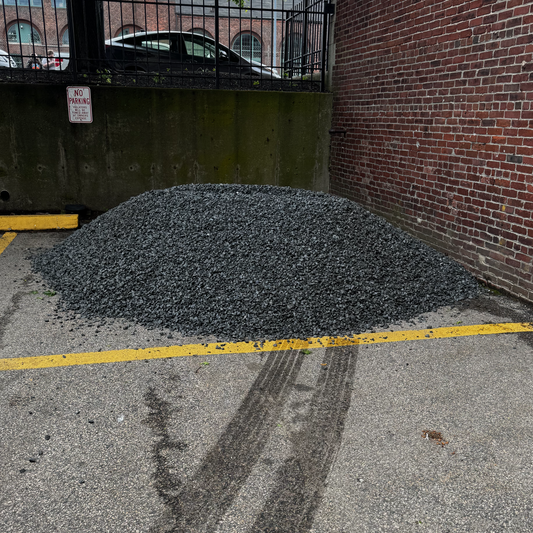
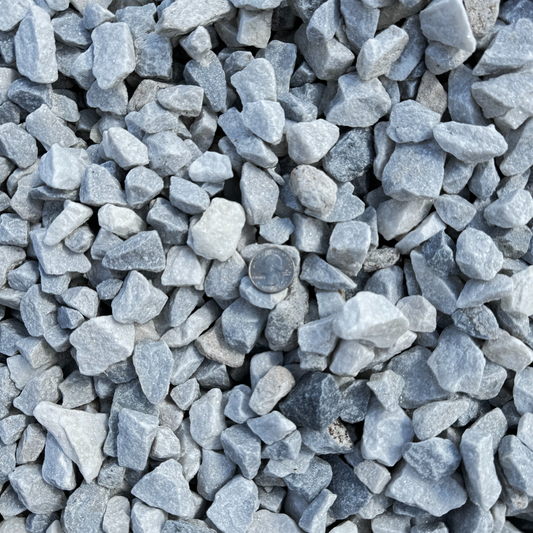
A 50-lb bag of rock salt at a hardware store runs roughly $0.30–$0.40 per pound. Bulk rock salt by the cubic yard from Ottr Landscape Supply runs closer to $0.12–$0.18 per pound — about half the cost. A typical Quincy two-car driveway uses 1.5–2 cubic yards across a Boston winter (see How to Calculate Driveway Salt Coverage for a Brookline Apartment-Building Apron for the math — same logic applies to Quincy).
Storage matters: keep bulk salt in a 30-gallon trash can or a covered bin lifted off the cold concrete. Lasts the season.
#2 — Switch to Salt-Sand 20/80 Where Traction Beats Melting
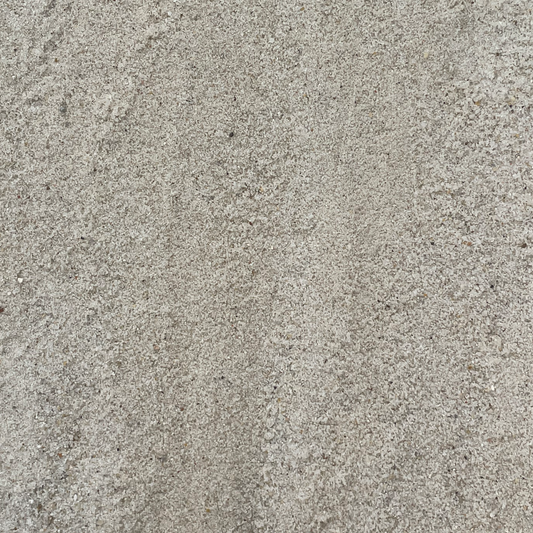
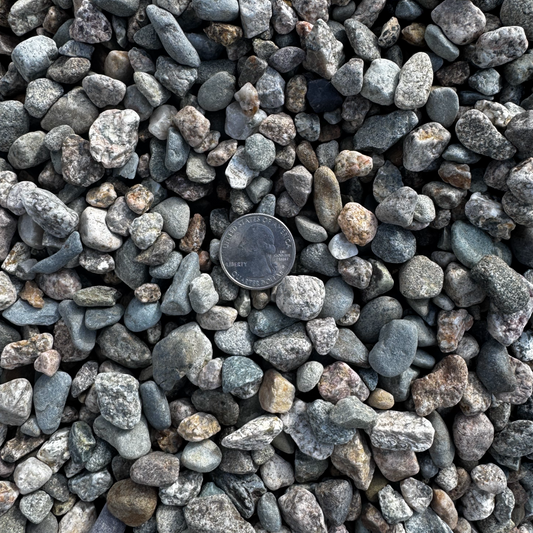
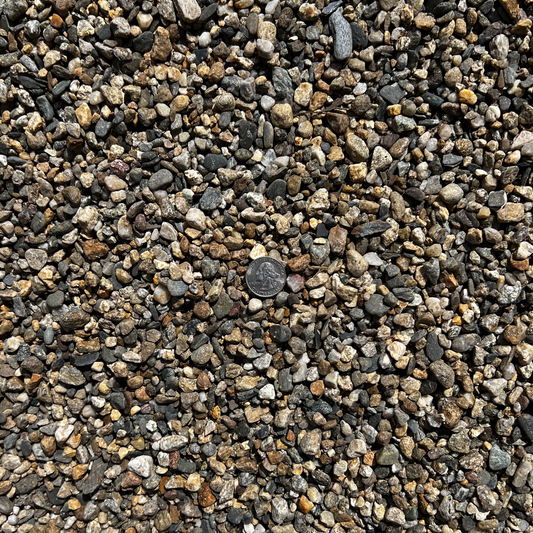
Most Quincy driveways use straight rock salt for the whole surface. That's wasteful — you don't need melting power on every square foot. Salt-sand 20/80 (20% salt, 80% sand) provides traction with one-fifth the chloride load at a lower per-cubic-yard cost.
Use the 20/80 blend for: - The lawn-adjacent strip (protects grass — see Does Rock Salt Really Kill Newton Lawns? for why) - Walkways with old concrete or brick - Sub-15°F days when straight salt slows down anyway
Reserve straight rock salt for the central drive and the apron.
#3 — Pre-Treat Lightly Before Storms
Pre-treatment with 1–2 ounces of salt per square foot before forecast snow lets the bottom layer of snow melt on contact, so the plow scrapes cleaner and you need less salt afterward. Far cheaper than reactive salting after a storm has already bonded ice to the surface.
Catch: skip pre-treatment for storms forecast to dump 12+ inches. The plow sweeps your investment away. Pre-treat for under-6" events; salt after the first plow on bigger storms.
#4 — Share a Delivery With a Neighbor
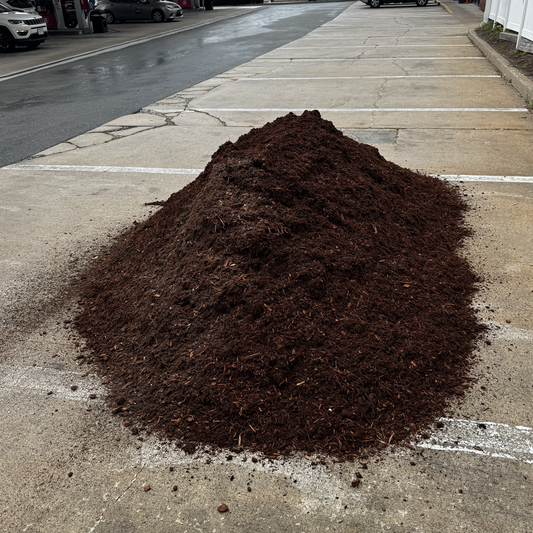
Bulk delivery has a fixed trucking component — same cost whether the truck drops 1 yard or 5. If your neighbor needs salt or mulch too, splitting a load cuts the per-yard delivery fee in half.
Quincy's neighborhoods (Squantum, Wollaston, North Quincy) have plenty of side-by-side driveways where this works. Ottr's hauling truck holds up to 14 yards — split-loads are routine. Ask the dispatcher when you order to coordinate spot-drop locations.
#5 — Pre-Book Spring Mulch in January
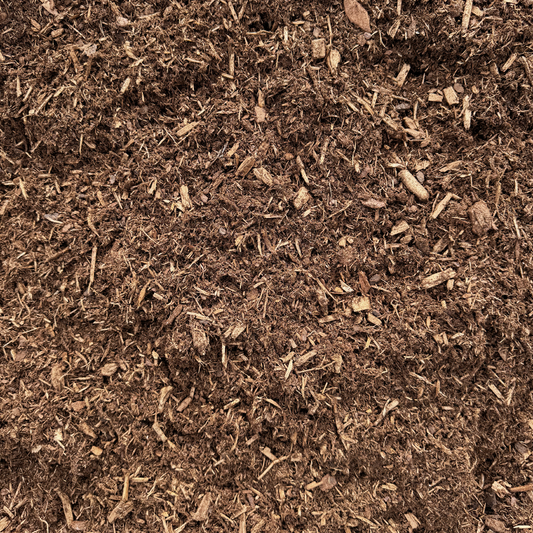
Spring mulch prices climb as April approaches. Locking in your spring delivery in January or February holds you at winter pricing — usually a 10–15% savings.
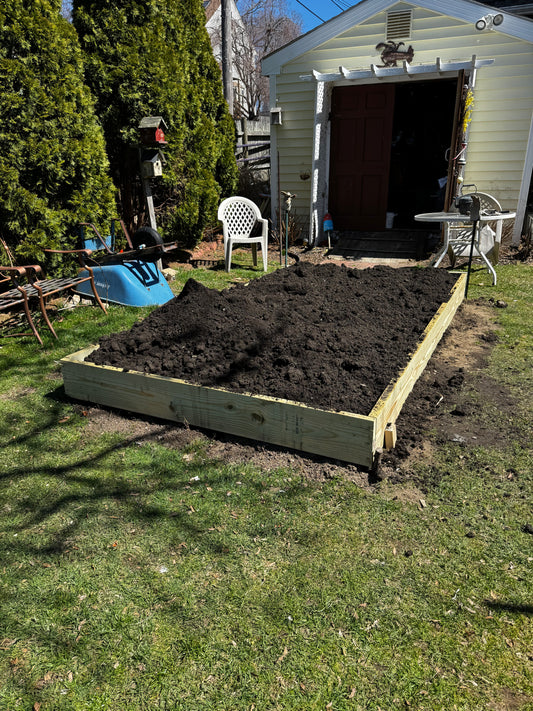
Same logic applies to bulk loam if you're planning bed expansion or a lawn-leveling project (see contractor pre-booking playbook). Many homeowners forget mulch is a budget item until April; January is the cheaper plan.
Putting It Together: A Worked Quincy Budget
- Winter salt + sand (1.5 yds rock salt + 1 yd salt-sand 20/80): roughly $250–$320 bulk, vs. $450–$600 bagged.
- Light pre-treatment approach saves another $40–$60 per season vs. reactive salting.
- Shared delivery with a neighbor saves $40–$60 per drop.
- Spring mulch pre-book for a typical 6-yard order saves $30–$80 vs. April pricing.
Total annual savings: $200–$400 per household.
Where to Buy
Snow & Ice Management collection — bulk rock salt, treated salt, and salt-sand blends by the cubic yard.
For winter-sand-specific ordering on a Plymouth driveway (same logic for Quincy), see How to Order Bulk Winter Sand for a Plymouth, MA Driveway.
For broader application standards and runoff impact in the Quincy / Boston Harbor watershed, the EPA Smart Salting program is the authoritative source.