Quick Answer
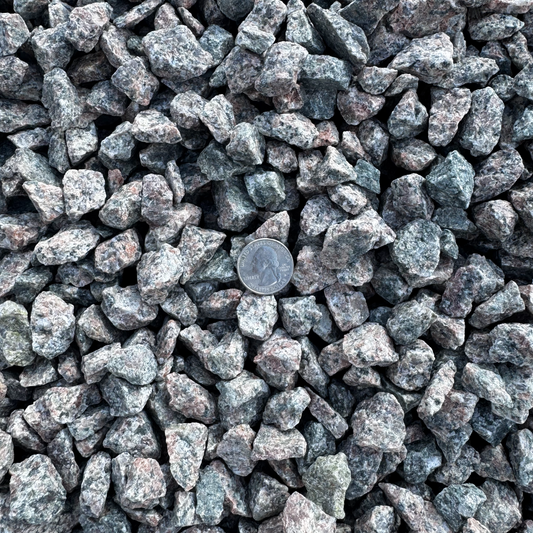
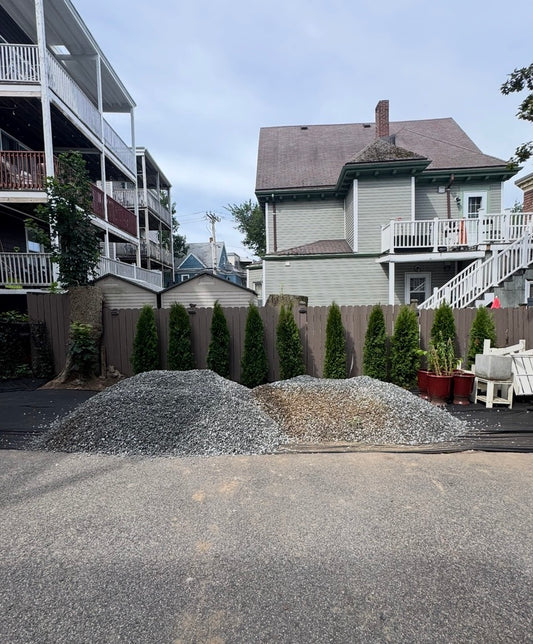
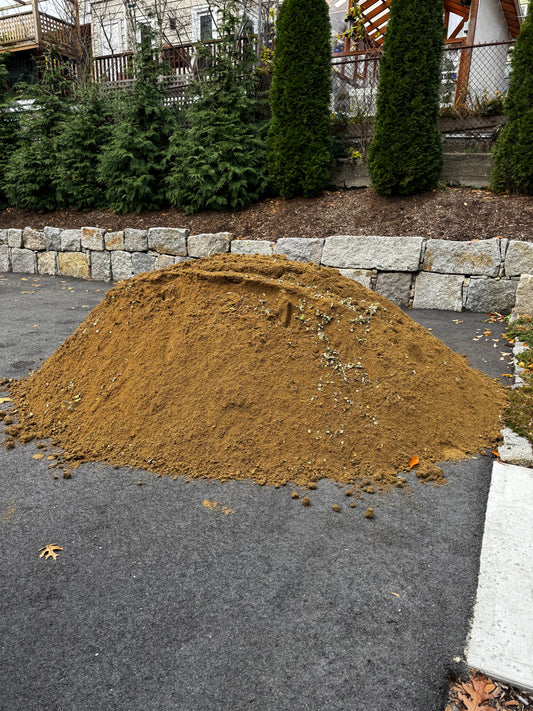
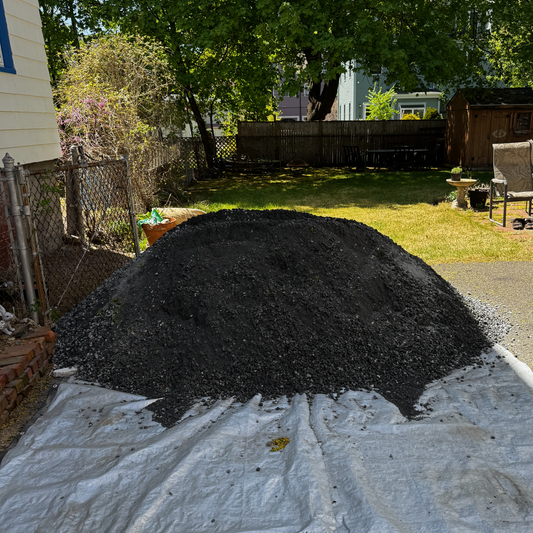
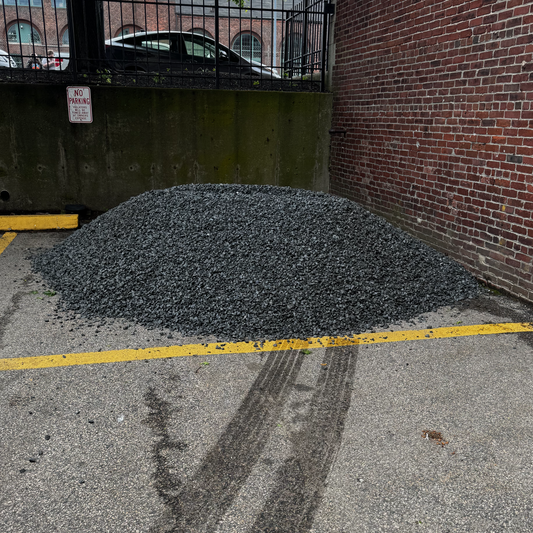
A Waltham home needs 150 to 250 pounds of ice melt for December alone (¼ to ½ cubic yard bulk; 6 to 10 fifty-pound bags) and 600 to 1,200 pounds for the full winter (1 to 1.5 cubic yards bulk). Waltham gets 5 to 10 inches more snow than Suffolk County, so plan slightly higher than the Boston-area baseline. The smart Waltham mix is 60% Treated Rock Salt + 30% Salt & Sand 20/80 + 10% Mason Sand. Order by November 25 for headroom; bulk runs roughly half the per-pound cost of bagged.
Why Waltham Math Differs From Suffolk County
Waltham sits 15 miles inland from Boston Harbor and runs 3 to 5°F colder on a typical winter night. The result: more measurable snow (per-storm and seasonal) and more days below 15°F when treated salt becomes the cold-tolerant choice over untreated.
If you're working through general winter math, see 5 Winter-Material Math Tips for Mattapan Homeowners — Waltham scales the math up by ~20%.
Q: How much ice melt does a Waltham home need for December?
A: 150 to 250 pounds. A typical Waltham two-car driveway (700 to 1,000 sq ft) plus front walk uses 40 to 60 lb per storm event at the recommended ¼ lb/sq ft. Multiply by 2 to 4 December storms = 150 to 250 lb total.
For per-driveway math, see How to Calculate Salt-Sand for a Dorchester December Driveway — the math works the same in Waltham.
Q: How much for the full winter?
A: About 600 to 1,200 pounds. That's 1 to 1.5 cubic yards of bulk salt. Order from the Snow & Ice Management collection. For Waltham delivery, see the Waltham Landscape Supply page.
Q: How is Waltham different from Suffolk County for salt math?
A: 5 to 10 inches more snow per winter, plus slightly colder nights. Plan for 10 to 12 storm events vs. 8 to 10 in Suffolk County. The cold side of the math also favors Treated Rock Salt over Untreated — Treated extends working temperature to about 5°F vs. 15°F for Untreated.
Q: Should I buy bulk or bagged?
A: Bulk if you have a garage or shed.
| Format | Per-pound cost | Best for |
|---|---|---|
| Bulk by cubic yard | ~$0.08–$0.12/lb | Garage, shed, lidded bin |
| 50-lb bags | ~$0.18–$0.25/lb | Curbside, no indoor storage |
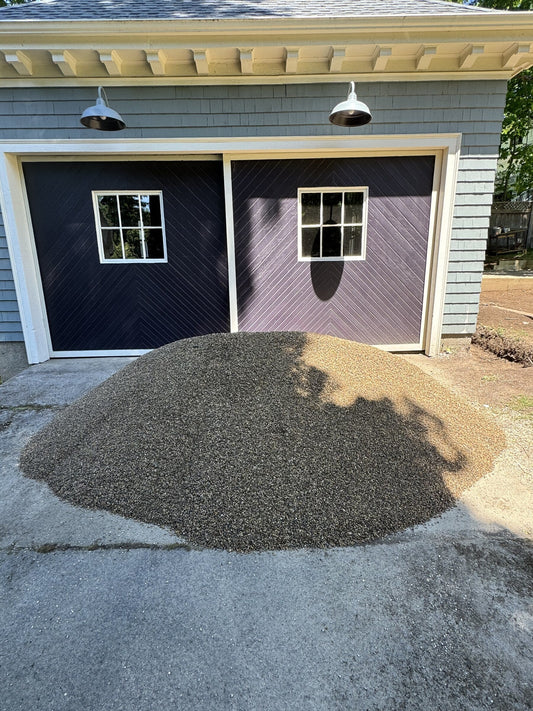
Most Waltham single-family homes have garage corner space for ½ to 1 cubic yard on a tarp.
Q: What product mix for Waltham?
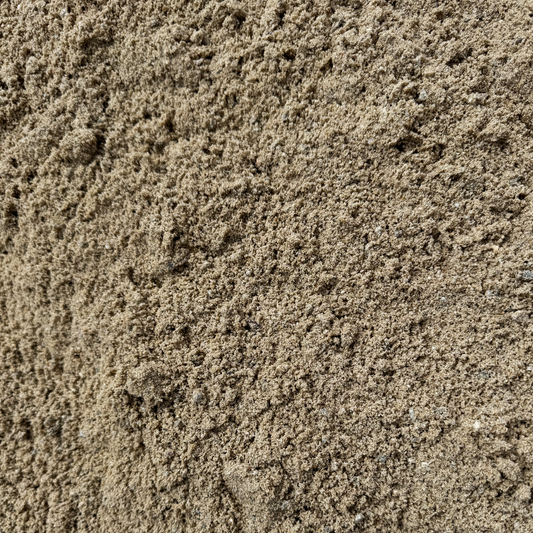
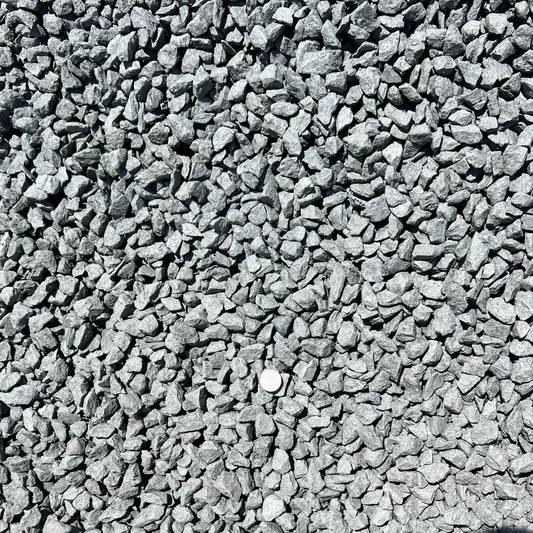
A: 60% Treated Rock Salt + 30% Salt & Sand 20/80 + 10% Mason Sand.
| Product | Volume (1.25 yd order) | Use |
|---|---|---|
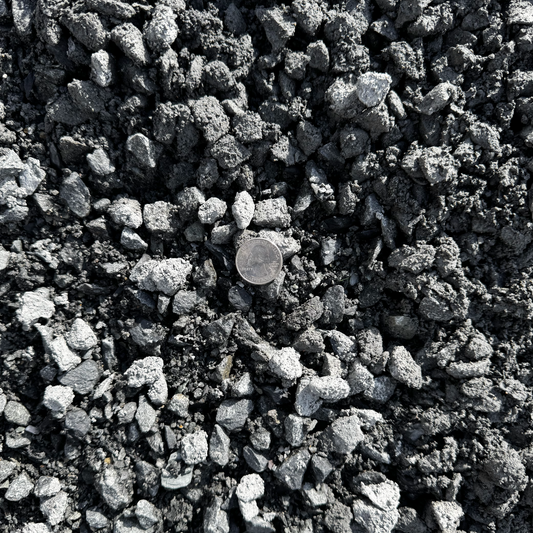
| Treated Rock Salt | 0.75 yd | Driveway center |
| Salt & Sand 20/80 | 0.4 yd | Lawn-edge stretches |
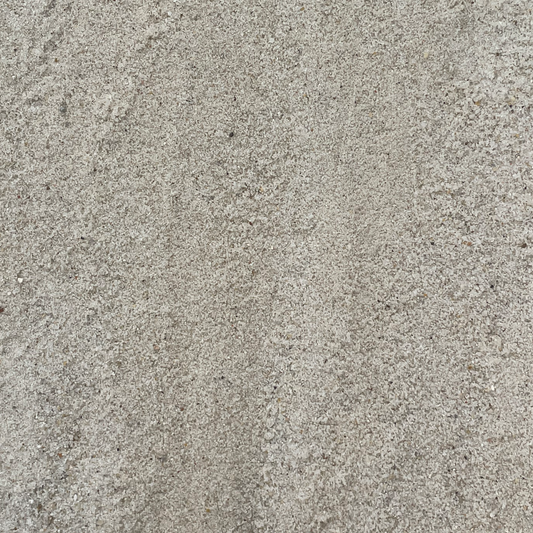
| Mason Sand | 0.1 yd | Near ornamental plantings |
Waltham's mature lawns make the lawn-edge tier especially worth doing — the chloride savings alone protect curb-edge grass through April. For why it matters, see Does Rock Salt Really Kill Newton Lawns? — applies in Waltham identically.
Q: When should I order in Waltham?
A: By November 25. Middlesex County delivery slots fill fast — by December 15, expect 5- to 10-day lead times. After Christmas, slots extend into the first week of January. The pre-order playbook is in How to Pre-Order Bulk Rock Salt for a Plymouth County Property.
Q: How should I store it?
A: Indoor on a tarp or in a lidded bin. Outdoor uncovered storage compacts bulk salt into a brick within 2 weeks of Waltham humidity and rain. Garage corner with an 8x10 tarp underneath is the standard setup.
Q: What if I need more mid-December?
A: Big-box bagged through Christmas at 2x bulk cost; Ottr can usually slot a top-up within 5 to 10 days. The holiday week (Dec 22 to Jan 2) runs reduced delivery hours — call ahead.
For broader contractor-scale stockpile logic, see Holiday-Week Crew Schedules for West Roxbury Snow-Removal.
A Note on Pre-Treatment Savings
A pre-treatment brine application before every storm above 1" cuts post-storm salt by 30 to 50%. Full Waltham winter:
- Without pre-treatment: 1.25 cubic yards rock salt
- With pre-treatment: 0.7 cubic yards + 30 gallons brine
For application method, see How to Apply Pre-Treatment Brine in a Plymouth Driveway.
For chloride-runoff impact, the EPA Smart Salting program is the regional authority on application rates.
What's Next in December
December 23 covers pre-wet salt vs. dry salt for Plymouth County — see Pre-Wet Salt vs Dry Salt for a Plymouth County Driveway.