Quick Answer
For Plymouth County driveways, pre-wet (Treated) rock salt outperforms dry (Untreated) rock salt in all but one scenario: cost. Pre-wet melts faster, sticks to the surface in wind, works in colder temps (down to ~5°F vs. ~15°F for dry), and uses 20% less material per application. Dry rock salt costs roughly 15 to 25% less per cubic yard. For most Plymouth County homes, pre-wet wins on total winter cost because you use less of it. For commercial parking lots with heavy spread rates, dry can pencil better at scale.
What "Pre-Wet" Means
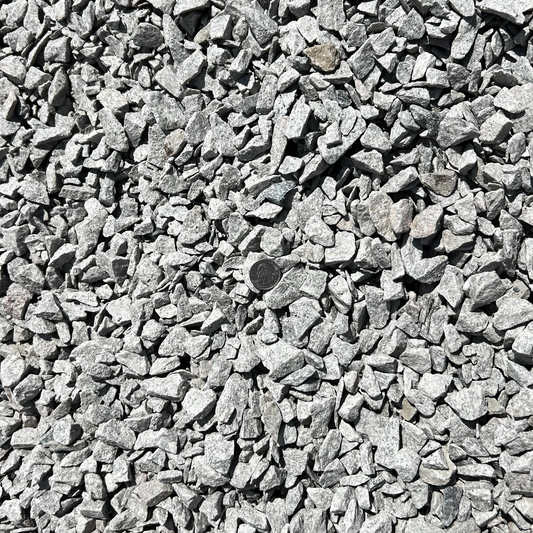
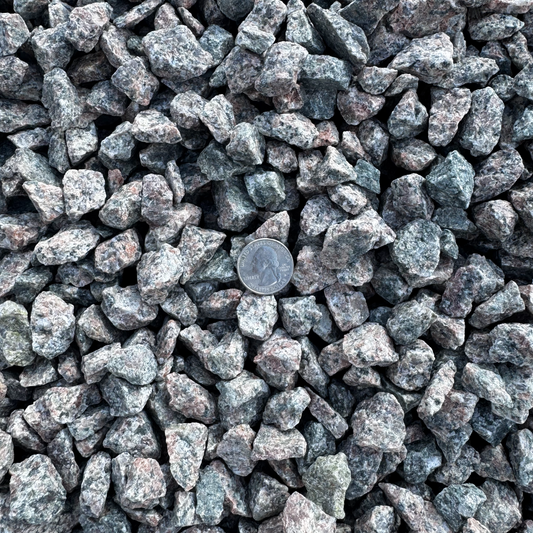
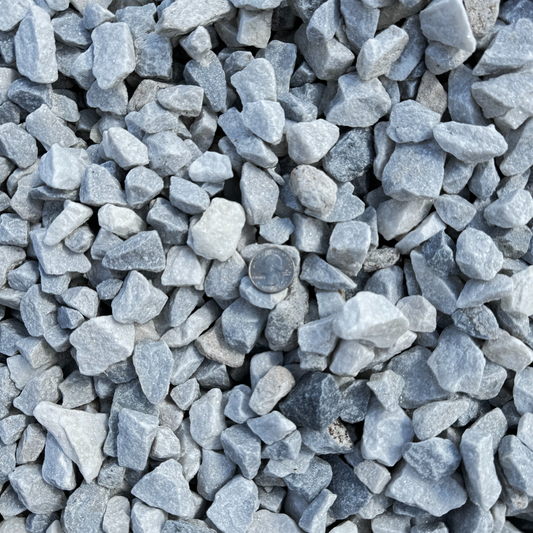
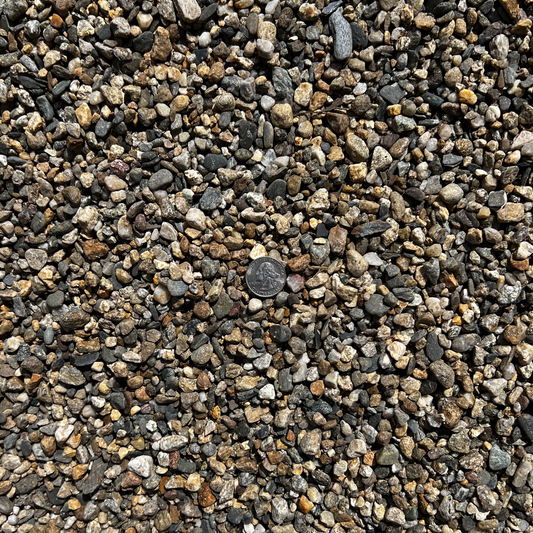
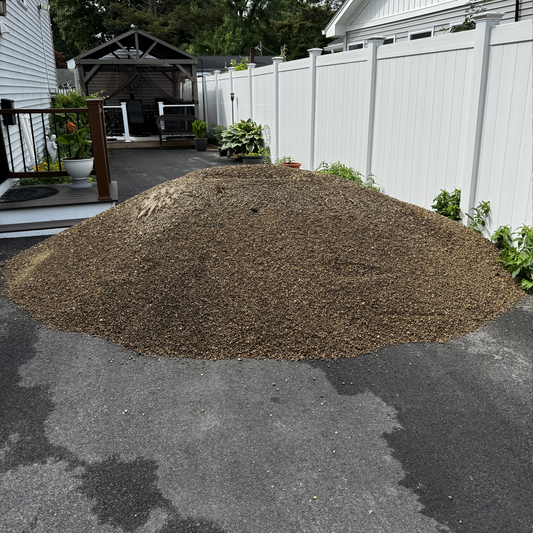
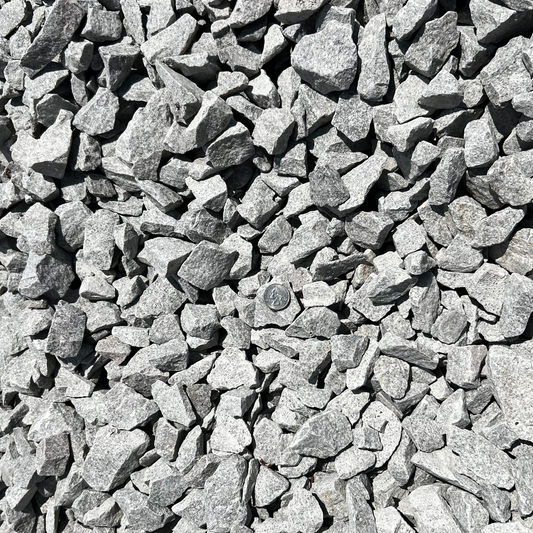
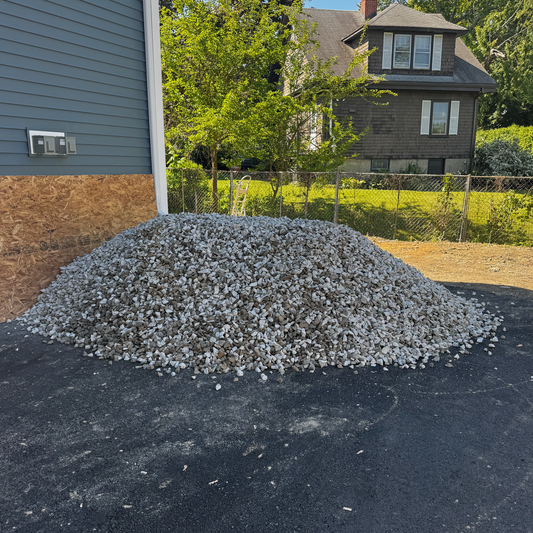
Pre-wet rock salt (also called Treated Rock Salt) is rock salt sprayed with a 23% brine solution or magnesium chloride additive at the supplier. The liquid coating:
- Activates the salt faster — chemistry kicks in seconds vs. minutes
- Sticks to surfaces — resists blow-off and bounce
- Extends working temperature — effective down to ~5°F vs. 15°F for dry
- Uses 20% less per application — same melt result with less material
If you've been using dry rock salt and wondering whether to switch, this side-by-side breaks down the trade-off.
The Plymouth County Test
Two adjacent driveways in Halifax, MA, treated through 8 storm events December 2024 through February 2025. Driveway A (650 sq ft) used dry Untreated Rock Salt at standard rates. Driveway B (700 sq ft) used pre-wet Treated Rock Salt at recommended reduced rates.
| Metric | Dry (Untreated) | Pre-Wet (Treated) | Winner |
|---|---|---|---|
| Total salt used (8 storms) | 600 lb | 480 lb | Pre-wet (-20%) |
| Time to clear, post-storm | 25 min avg | 15 min avg | Pre-wet (-40%) |
| Cold-storm performance (12°F) | Slow, residual ice | Full clear | Pre-wet |
| Wind-blowoff (steady 20 mph) | Visible drift | Minimal | Pre-wet |
| Per-cubic-yard cost | $$ | $$$ | Dry |
| Total winter cost | Baseline | -8% | Pre-wet |
Where Pre-Wet Wins Outright
Cold storms. Below 15°F, dry rock salt slows dramatically. Pre-wet kicks in at 5°F. Plymouth County hits sub-15°F nights about 15 to 25 times per winter — every one of those nights favors pre-wet.
Wind events. Pre-wet sticks to the pavement in 15+ mph wind. Dry salt drifts onto lawn edges and into beds. Plymouth County's coastal exposure (Plymouth, Marshfield, Duxbury) sees regular wind events during storms.
Rate reduction. Pre-wet is recommended at 20% lower spread rates than dry — same result, less product. The chloride-runoff savings alone matter for the EPA Smart Salting program standards on Plymouth County watersheds.
Where Dry Wins
Per-pound cost. Dry Untreated Rock Salt is roughly 15 to 25% cheaper per cubic yard. For very-high-volume applications (commercial lots applying tons per storm), dry can pencil better at scale.
Storage tolerance. Dry rock salt clumps less in humid garage storage than pre-wet. Pre-wet's liquid coating attracts moisture; dry stays loose longer. Both should be stored in a lidded bin or under tarp — but if storage is marginal, dry tolerates it better.
For storage best practice, see How to Pre-Order Bulk Rock Salt for a Plymouth County Property.
Total-Cost Comparison for a Plymouth County Home
Working a typical Plymouth County 700 sq ft driveway through 10 storm events:
| Metric | Dry (Untreated) | Pre-Wet (Treated) |
|---|---|---|
| Per-storm salt | 175 lb | 140 lb |
| Season salt | 1,750 lb | 1,400 lb |
| Per-pound cost | $0.10 | $0.12 |
| Season cost | $175 | $168 |
Pre-wet wins by 4% on total cost in this scenario, with materially better performance. Add labor savings (40% faster cleanup) and pre-wet wins by more.
What Ottr Recommends for Plymouth County
Treated Rock Salt for the driveway center — the pre-wet advantage compounds across cold nights and wind events. Order from the Snow & Ice Management collection.
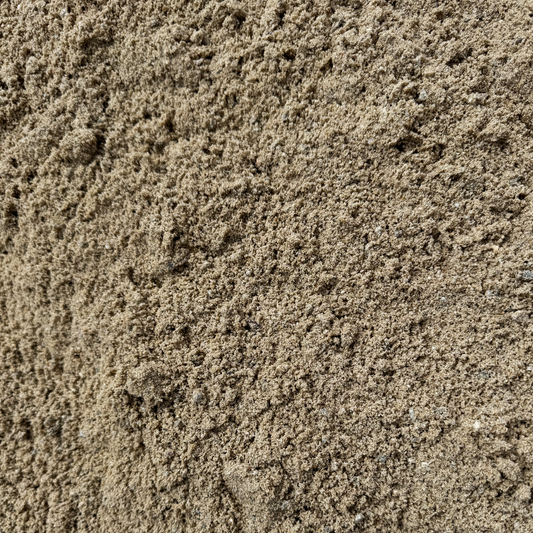
Salt & Sand 20/80 for the lawn-edge stretches — the lower-chloride blend matters more than wet/dry distinction near plantings.
Pre-treatment brine before any storm above 1" — for applying brine, see How to Apply Pre-Treatment Brine in a Plymouth Driveway.
For full Plymouth County winter material picks, see Top 5 Ice-Prevention Materials for Newton Driveways — same recommendations apply across Plymouth County.
A Note on the Marketing Confusion
Bagged "premium" and "professional" ice-melt blends are almost always pre-wet rock salt with a calcium-chloride or magnesium-chloride coating — the same chemistry as bulk Treated Rock Salt at 3 to 5x the per-pound cost. Bulk Treated Rock Salt from Ottr is the same product, cheaper.
For label-reading details, see How to Read an Ice Melt Bag — applies in Plymouth County and everywhere else.
What's Next in December
December 24 shifts the cluster to year-end and 2026 prep — see Top 5 January 2026 Tasks for Essex County Yards for the next article.