Quick Answer
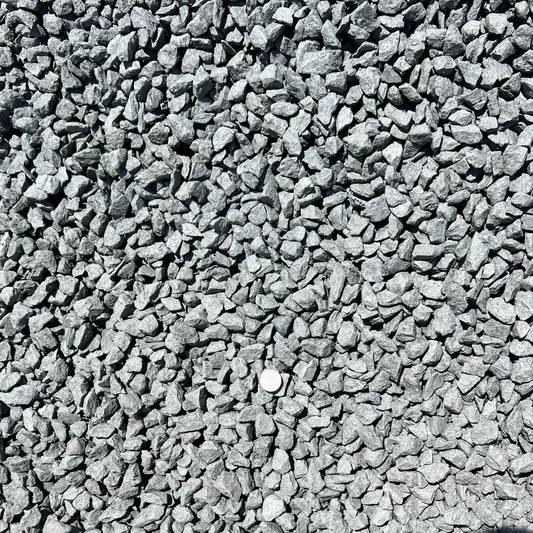
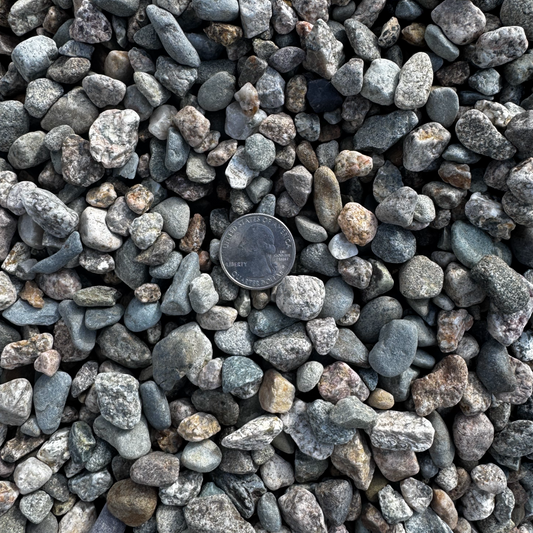
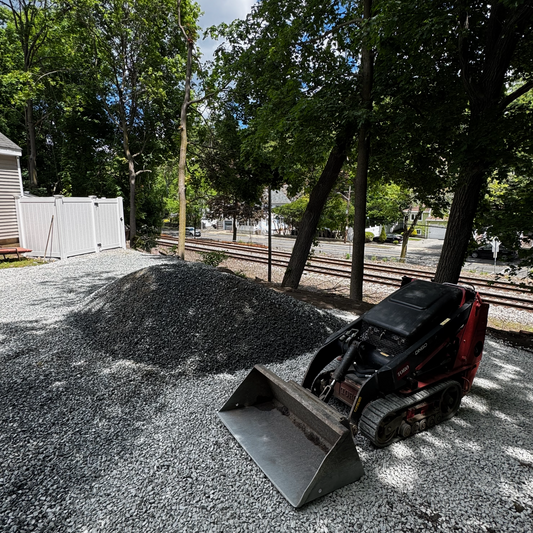
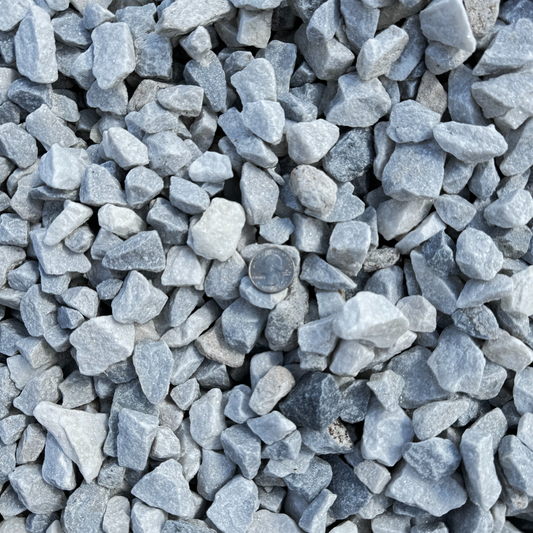
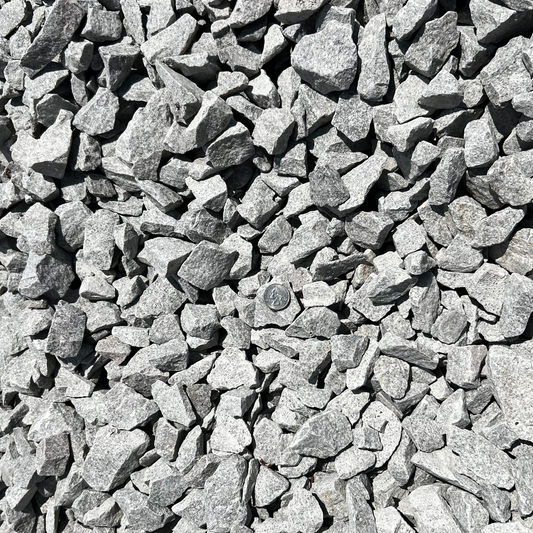
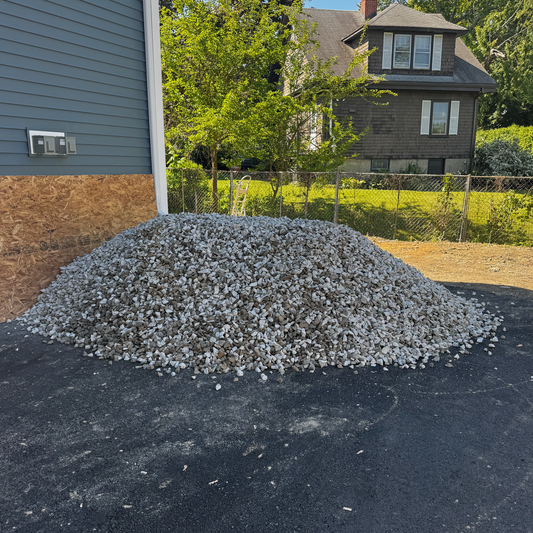
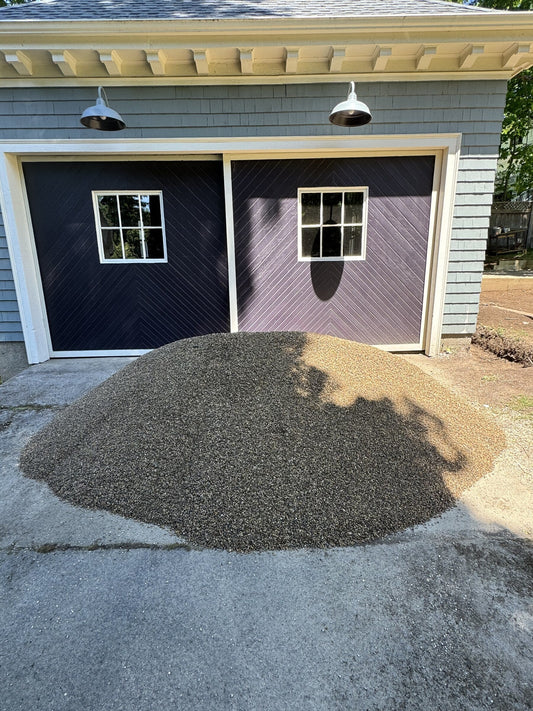
For a Plymouth County backyard shed foundation, 3/4-inch processed gravel (crushed stone with fines) is the right base — 4–6 inches deep, compacted in 2-inch lifts, over geotextile fabric, extended 12 inches past the shed footprint on each side. Pea stone and decorative river rock fail under shed loads. Dense-pack works for heavy sheds (workshop builds with concrete tools). Below: the Q&A walk-through every Plymouth County homeowner asks before ordering, with the depth and drainage spec that prevents the foundation from settling or heaving.
Why Plymouth County Shed Foundations Fail
Three causes. Pea stone or river rock used as a primary base — the rounded shapes don't lock together and the load shifts under the shed over time. Inadequate depth (2 inches of stone on bare clay heaves with every freeze-thaw). No geotextile fabric — soil migrates up into the stone, fines wash out, the pad dishes within 3 years.
The fix is straightforward. The walk-through below is the same Q&A we get from homeowners across Plymouth, Halifax, Middleborough, Bridgewater, and the rest of the county every spring.
Q: What stone should go under the shed?
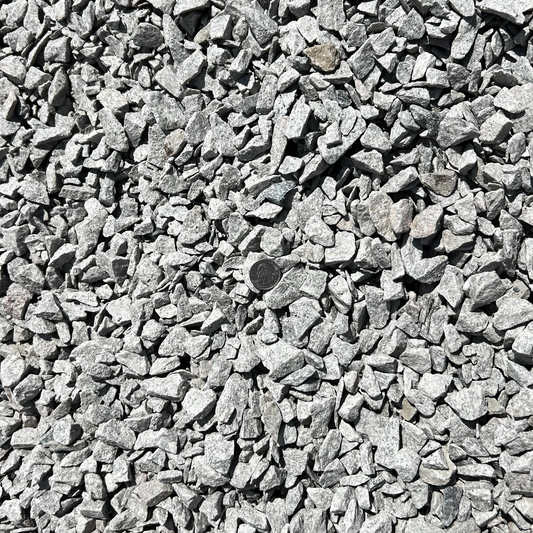
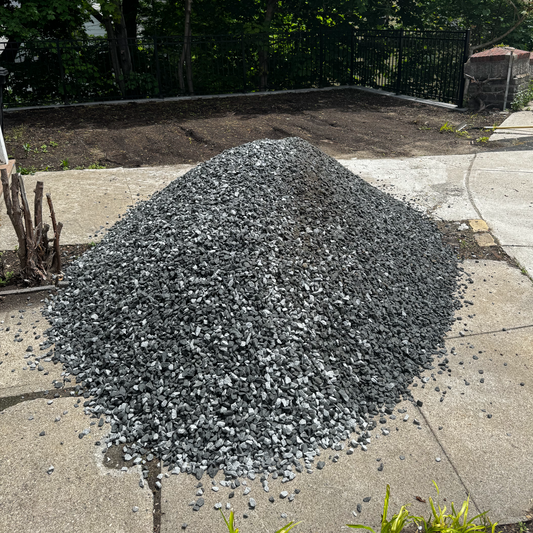
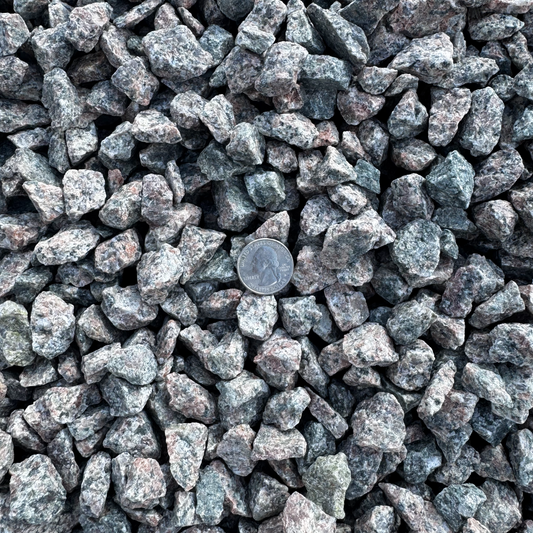
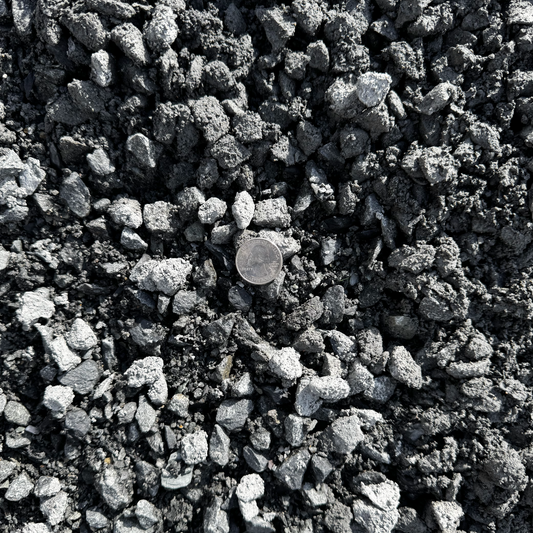
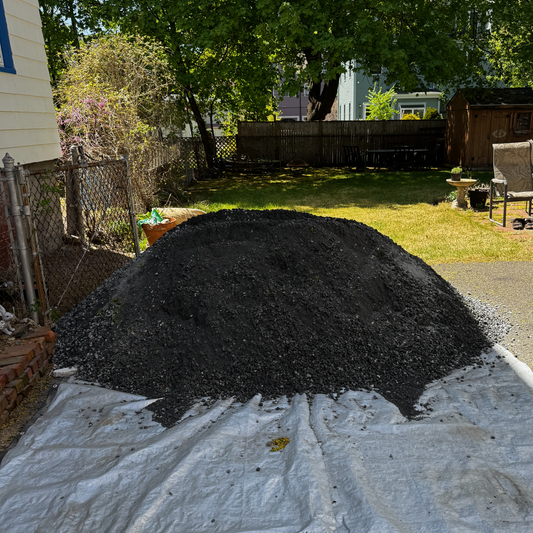
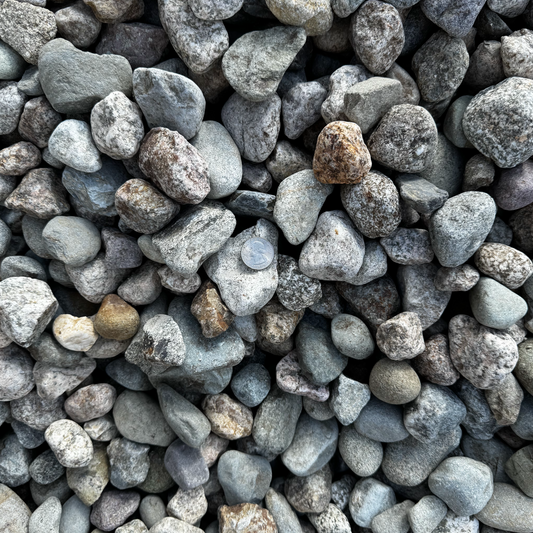
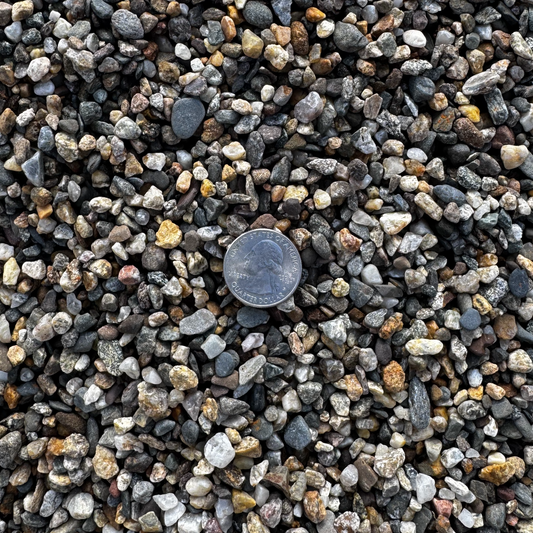
A: 3/4-inch processed gravel (crushed stone with fines).
This is the same product used as a driveway sub-base — see How to Set a Plymouth Crushed Stone Driveway Base That Lasts a Decade for the related driveway spec. The "with fines" is the critical detail. The fines fill voids between the larger stones and let the base compact to a near-concrete hardness. Without fines, you have decorative stone — pretty but unstable as a structural base.
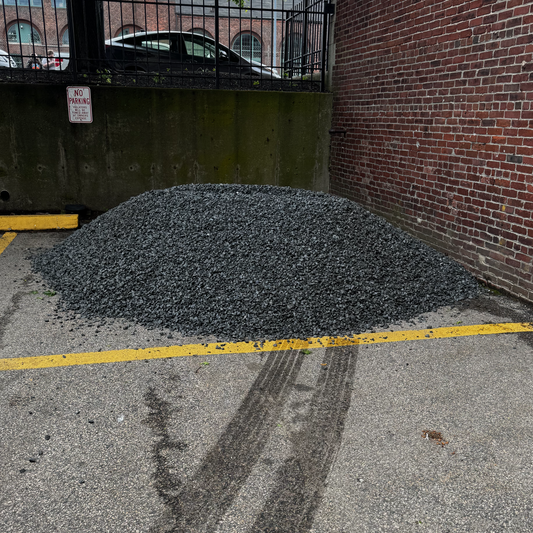
Available in the Crushed Stone collection. For Plymouth County delivery, the Plymouth County Landscape Supply page handles small-load scheduling.
Q: Why not pea stone or river rock?
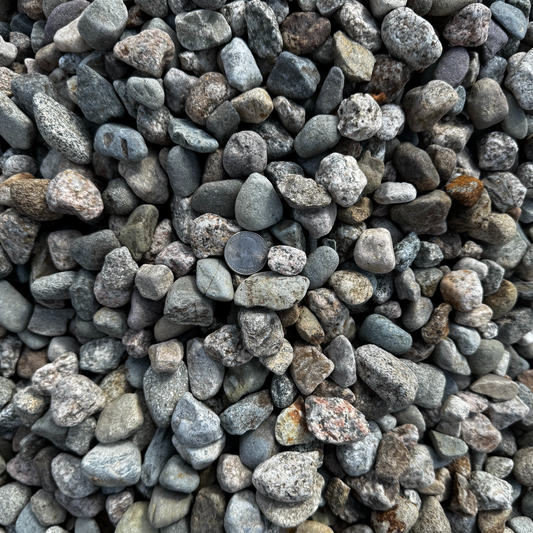
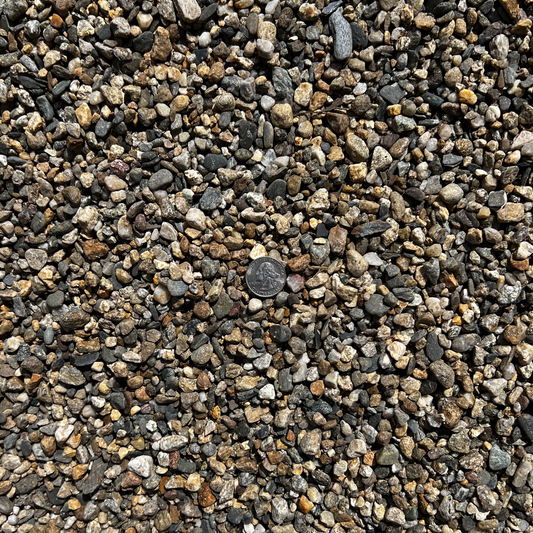
A: Both are rounded. Round stones don't lock together and don't compact. Under shed loads (especially loaded with mowers, fuel, tools), the rounded stones migrate. The shed corners settle and the door stops closing right within 2 years.
Pea stone has a place — see 5 Stones for a Marshfield Backyard Walking Path That Won't Wash Out for valid uses (decorative paths, top-dress on planted beds, drainage filler). It's not a foundation material.
Q: How deep does the pad need to be?
A:
- 4 inches for sheds under 100 sq ft (an 8'×10' garden shed)
- 6 inches for sheds 100–200 sq ft (a 10'×16' shed)
- 8 inches for anything over 200 sq ft, or sites in heavy clay (Plympton, Halifax) that heave
Compact the stone in 2-inch lifts. Each lift gets a pass with a plate compactor (rented for under $80/day) or hand tamper for small areas.
Q: Do I need geotextile fabric under the stone?
A: Yes, always. Geotextile prevents the underlying soil from migrating up into the stone base over time. Without it, the base mixes with subsoil over 3–5 years and loses its drainage and load-bearing properties. Fabric is cheap insurance for a 20-year shed foundation.
One residential roll (50 ft × 4 ft) covers most shed pads.
Q: How big should the pad be relative to the shed?
A: Extend 12 inches past each side of the shed footprint.
A 10'×12' shed needs a 12'×14' pad. The 12-inch overhang:
- Prevents edge erosion from rain runoff off the shed roof
- Creates a dry walking strip around the shed
- Stops soil from migrating into the pad edges
For sheds with heavy roof eaves, extend further on the eave side.
Q: Does the pad need to be perfectly level?
A: Slightly sloped is better than perfectly level.
Build the pad with a 2% slope away from the dominant drainage direction (or away from the house if the shed sits between house and yard). The slope prevents water from pooling at the shed sill and causing wood rot. It's invisible by eye but real — about 1/4" per foot.
For specific drainage that pairs with shed installations, How to Build a Dry River Bed for Yard Drainage in a Scituate Backyard covers a way to handle the discharge from the pad's downhill side.
Q: Do I excavate first, or build up?
A: Excavate first. Always.
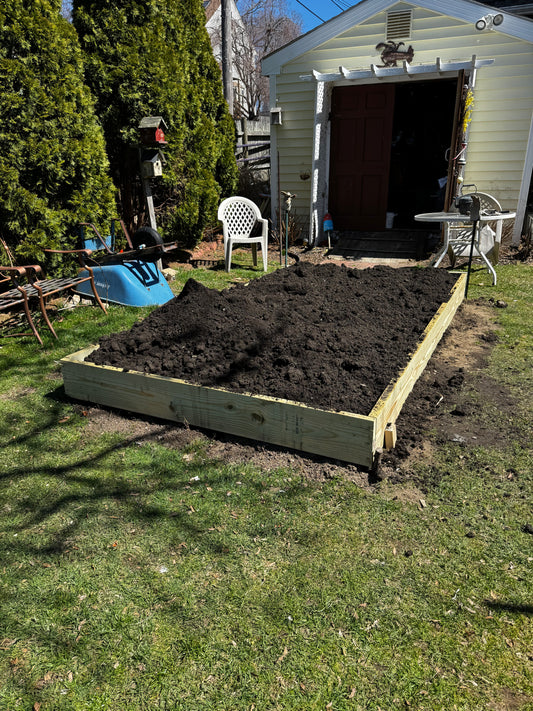
Excavate to the depth of your planned pad plus the natural settling and grading you need. Most Plymouth County homeowners excavate 6–8 inches and build the pad up to grade.
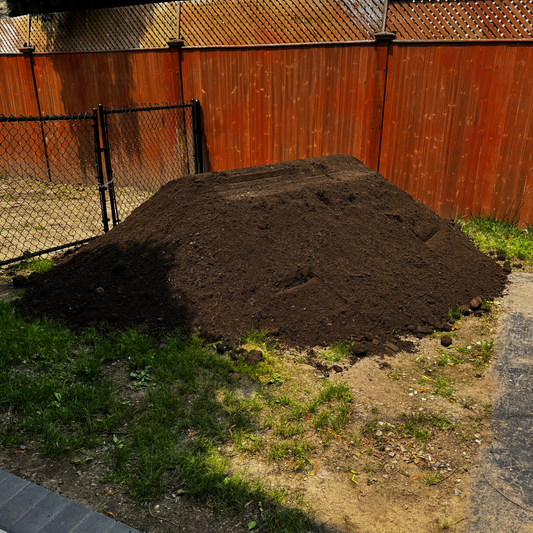
Building up on top of existing turf is the most common shed-foundation mistake. Grass and topsoil decompose underneath, the pad settles unevenly, the shed twists.
Q: How much stone do I need by yardage?
A: A typical 10'×12' shed pad with 12-inch overhang (so 12'×14' = 168 sq ft) at 6" depth needs:
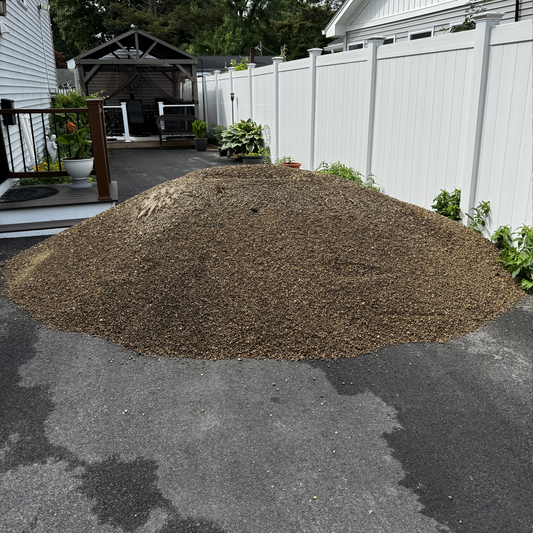
168 sq ft × 0.5 ft = 84 cubic feet = 3.1 cubic yards of processed gravel
Round up to 3.5 yards to allow for compaction loss and edge waste. Plus 0.5 yards extra is useful for backfill around the shed corners.
For yardage on driveway-scale jobs, How to Calculate Crushed Stone Tonnage for a Bridgewater Driveway Base walks the math; same conversion factors apply at smaller scale.
Q: Can I use dense-pack instead of regular processed gravel?
A: Yes — and it's the right call for workshop sheds with heavy equipment or sheds on clay sites that historically heave.
Dense-pack is screened to a tighter gradation and compacts to higher density. About 15–20% more expensive per cubic yard. Worth it for a $5,000+ shed where you don't want to redo the foundation in 10 years.
Q: Does the pad need a perimeter edge restraint?
A: For sheds, generally no. The shed itself sits on top of the pad and provides the perimeter restraint. For a pad without a structure on top (e.g., an outdoor work area), edge restraint with 4x4 pressure-treated lumber or steel edging extends the life of the pad.
The ICPI residential pavement standards cover edge restraint specs for pad applications.
Q: How much should this cost in materials?
A: For a typical 10'×12' shed with 12" overhang at 6" depth:
- 3.5 yards processed gravel: economical per cubic yard
- Geotextile fabric: small expense
- Excavation and labor: variable (DIY = free time, contractor = larger budget)
Most Plymouth County homeowners DIY the pad in one weekend with a rented plate compactor. Contractor cost varies by region but typically runs the same as a small driveway.
Q: Where do I order in Plymouth County?
A: Crushed Stone collection for the processed gravel. Plymouth County Landscape Supply for delivery scheduling. Geotextile available bundled with stone delivery on request.
For drainage that pairs with shed sites — especially low-yard shed installations — 5 Drainage Fixes a Stoneham Homeowner Can Tackle With One Pallet of Stone covers the techniques (same logic applies in Plymouth County).
For broader Massachusetts soil and drainage guidance, UMass Extension Landscape is the authoritative source. The ICPI reference covers paver-spec material details that translate directly to shed pad construction.
The Plymouth County Shed Pad Checklist
- Excavate to 6 inches plus grading
- Geotextile fabric
- 6 inches of 3/4" processed gravel in 2-inch lifts, compacted
- 2% slope away from dominant drainage direction
- 12" overhang past shed footprint on each side
- Set the shed level on the compacted pad
A pad built to this spec lasts the life of the shed — 20+ years for a quality build — without settling, heaving, or rotting the floor.