Quick Answer
Marshfield backyards (Brant Rock, Green Harbor, Rexhame) deal with sandy soil, occasional flooding, and salt spray — a walking path needs to handle all three. Five stones do the work: 3-inch bluestone steppers (heaviest, best for low spots), irregular fieldstone (rustic, cottage style), stabilized pea stone with steel edging (modern, drains fast), 3/4-inch processed gravel (utilitarian, contractor favorite), and river rock with steppers embedded (decorative drainage swales). Below: how each holds up against Marshfield's particular challenges and the install spec that prevents washouts.
Why Marshfield Paths Wash Out
Three forces. Sandy fast-draining soil that doesn't hold loose stone in place. Spring snowmelt and storm runoff that chases low spots through any unsealed path. Salt spray and storm surge in coastal yards that breaks down some stone and bedding materials over time.
A walking path that wins in Marshfield uses stones heavy enough to stay put, edge restraints that contain loose materials, and a base that drains without floating. The ICPI sets the residential spec at 4–6" of compacted base for stepping-stone paths.
#1 — 3-inch Bluestone Steppers (Best for: low-spot crossings, formal paths)
Heavy, irregular-shaped flat bluestone slabs about 3 inches thick, 18–24 inches across.
Wins when: Marshfield's typical low-back-yard spots that pool after a heavy rain. The thickness anchors the stone — won't wash, won't float. The slate-blue color reads formal but not fussy. Set on a 4" processed gravel base with stone-dust top layer.
Stops winning at: Cost. Bluestone is the premium pick at roughly $8–$14 per stepper. For a 30-foot path with stepping stones at 24" centers, you're looking at 15 stones — about $150–$200 in stone alone.
Cost: Premium per piece. Available in the Decorative Stone collection.
#2 — Irregular Fieldstone (Best for: cottage-garden, rustic Marshfield yards)
Native New England granite or schist fieldstone, irregular shapes, 2–4 inches thick.
Wins when: The yard wants a less-formal look — older Marshfield homes around the Rexhame Beach side of town pair beautifully with fieldstone. The irregular edges look intentional even when set imperfectly.
Stops winning at: Wheelchair access or stroller-friendly paths — the irregular edges create trip points. Skip for primary access routes.
Cost: Mid-tier. Often more available locally than bluestone.
#3 — Stabilized Pea Stone with Steel Edging (Best for: modern, fast-drain paths)
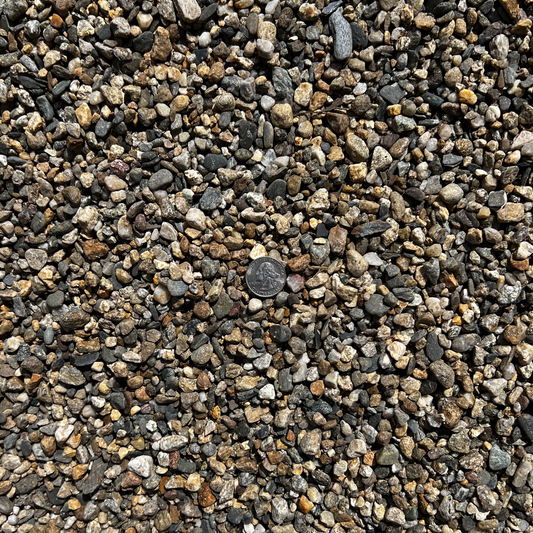
3/8-inch pea stone bound with a polymer stabilizer, contained by powder-coated steel edging.
Wins when: A modern Marshfield yard wants a continuous loose-stone-look path that doesn't wash. The polymer locks the pea stone into a semi-rigid surface; steel edging contains the perimeter. Drains nearly instantly — perfect for a sandy coastal yard. Reasonably wheelchair-friendly when properly installed and stabilized.
Stops winning at: DIY install — the polymer requires careful timing and the steel edging needs proper anchoring. Plan for a full weekend or contractor.
Cost: Mid-to-premium when you factor in the stabilizer and edging. The pea stone itself is inexpensive; the system is what costs.
#4 — 3/4" Processed Gravel (Best for: side yard service paths, contractor utility runs)
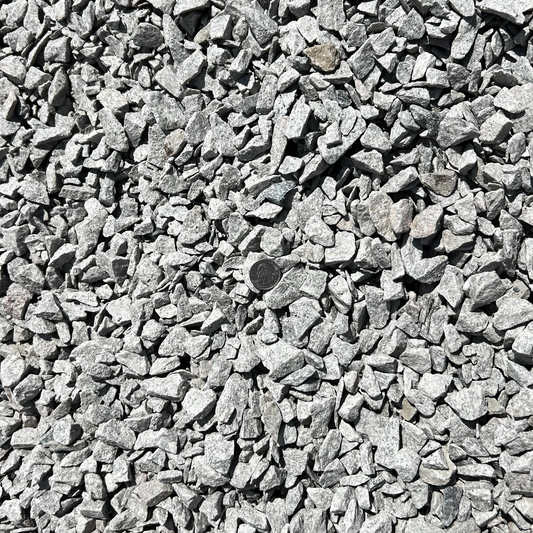
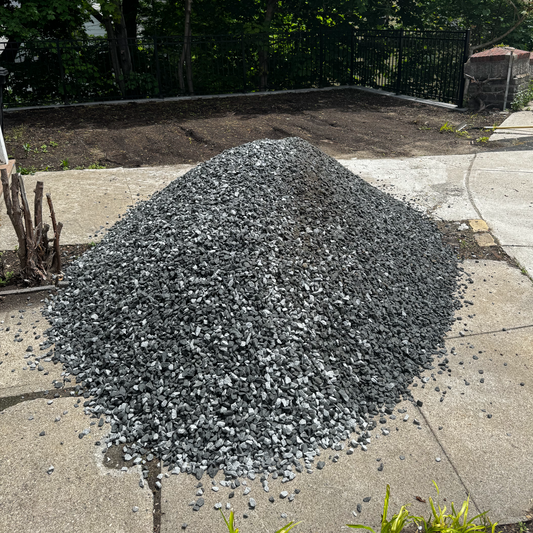
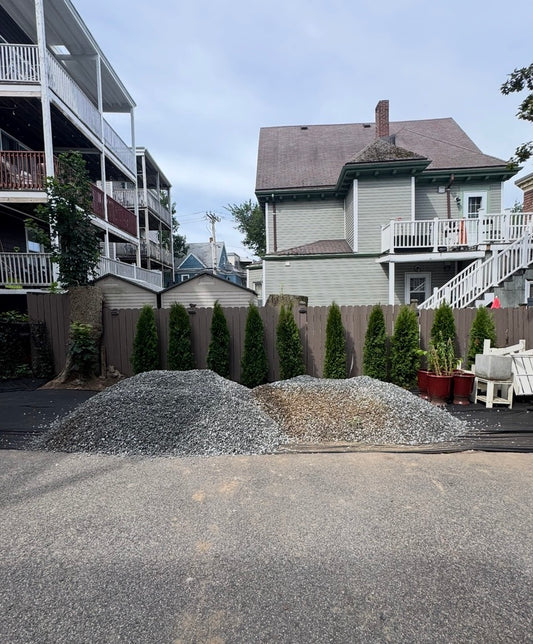
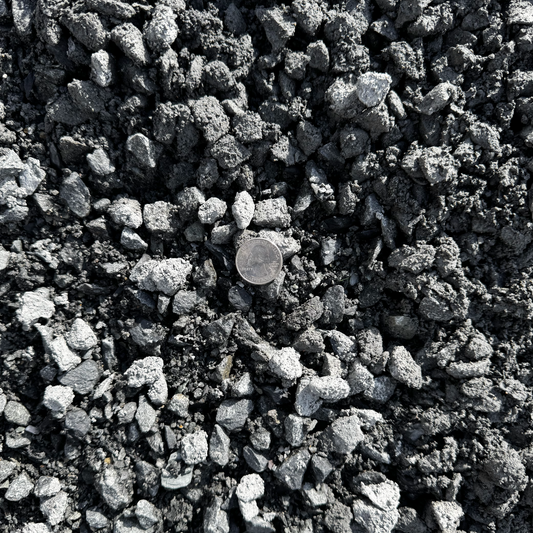
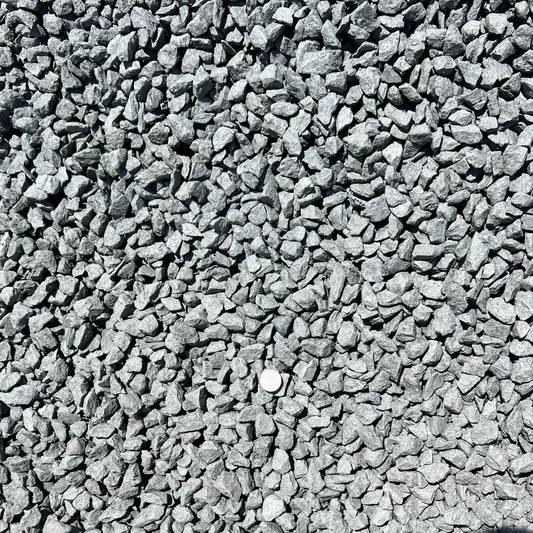
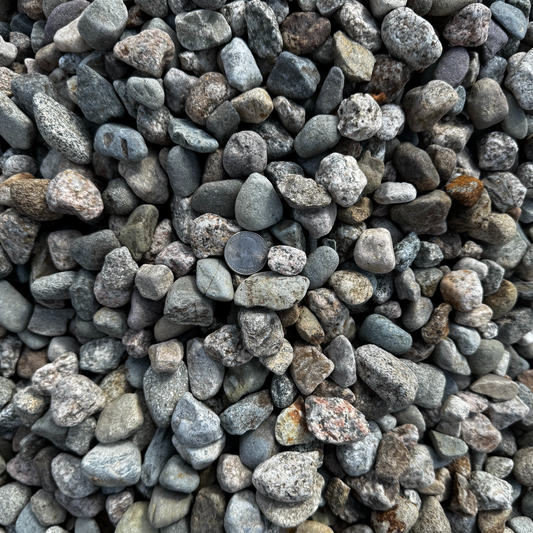
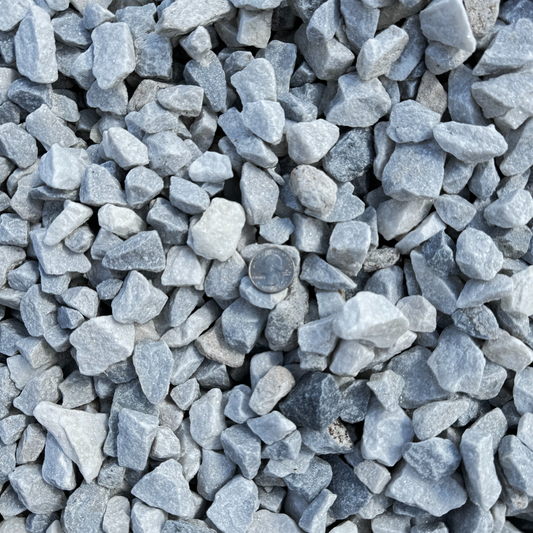
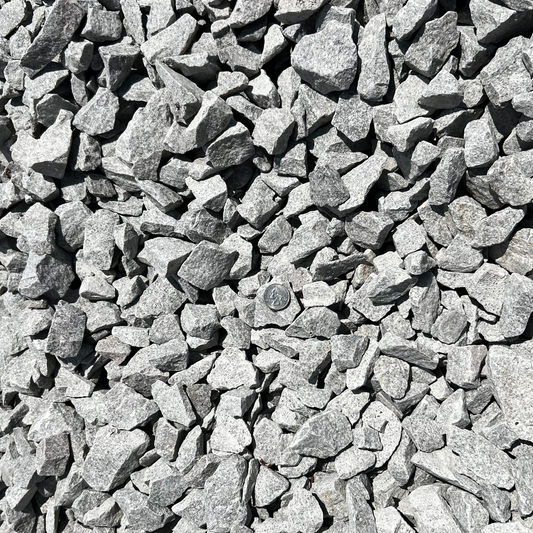
The contractor workhorse. Crushed stone with fines, compacts hard, drains, holds shape.
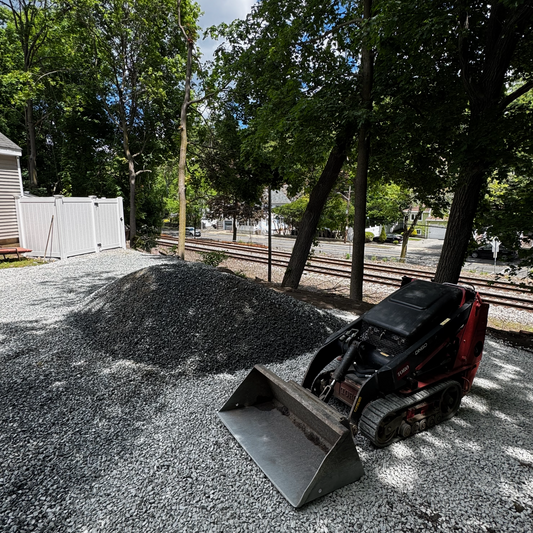
Wins when: A Marshfield side-yard service path between the driveway and the back gate. Compact 4 inches over geotextile fabric, edge with 4x4 pressure-treated lumber. Holds up to wheelbarrow traffic without ruts.
Stops winning at: Aesthetics — gray, utilitarian. The fines also dust onto adjacent lawn over time.
Cost: Economical per cubic yard. The right pick when cost matters and the path isn't a focal point. Available in the Patio & Walkway Base collection — same product spec as the Belmont walkway base review covers.
#5 — River Rock with Embedded Steppers (Best for: decorative drainage swales)
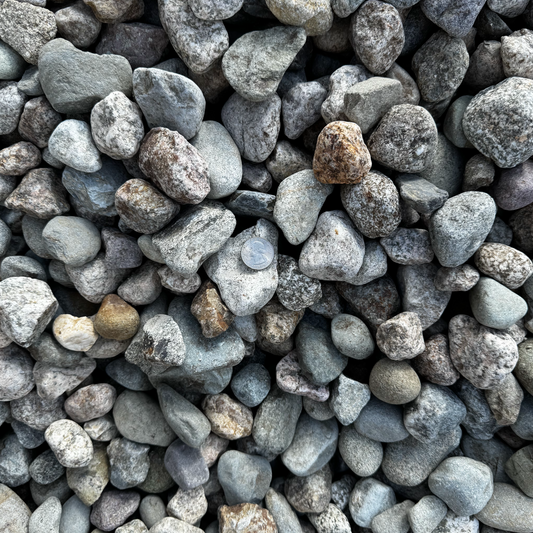
3"–6" rounded river stone laid in a designed channel, with flat steppers embedded at footstep intervals.
Wins when: A path that doubles as a drainage swale — common in Marshfield's lower yards near the salt marsh transition. Stormwater runs through the river rock channel; foot traffic crosses on the embedded steppers. Looks intentional, handles 1"–2" rain events without erosion.
Stops winning at: Dry-yard locations — without the drainage justification, the look reads forced. The technique is detailed for sloped yards in How to Build a Dry River Bed for Yard Drainage in a Scituate Backyard. For coastal-erosion contexts where a path wraps a slope, 5 Erosion Control Materials Compared for Coastal Plymouth County Properties covers the heavier-stone version.
Cost: Mid-tier per cubic yard. The steppers add bluestone or fieldstone cost on top.
How to Stack These for a Real Marshfield Backyard
A typical Brant Rock or Green Harbor backyard path of 30 feet from deck to garden gate:
- Excavate 6 inches below finished grade for stepping-stone paths, 4 inches for stabilized pea stone.
- Geotextile fabric at the base.
- 4 inches of processed gravel compacted in 2" lifts.
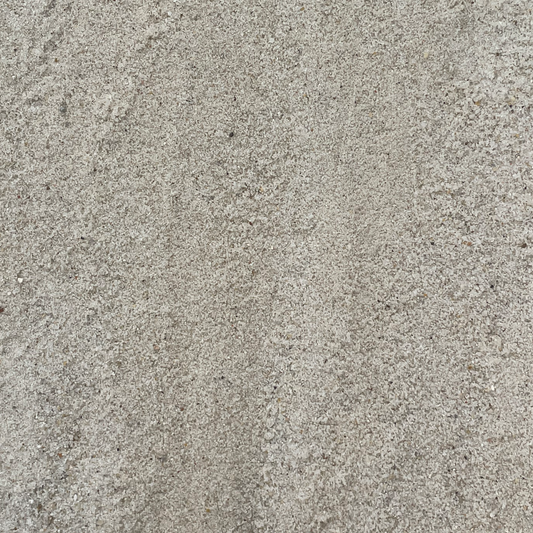
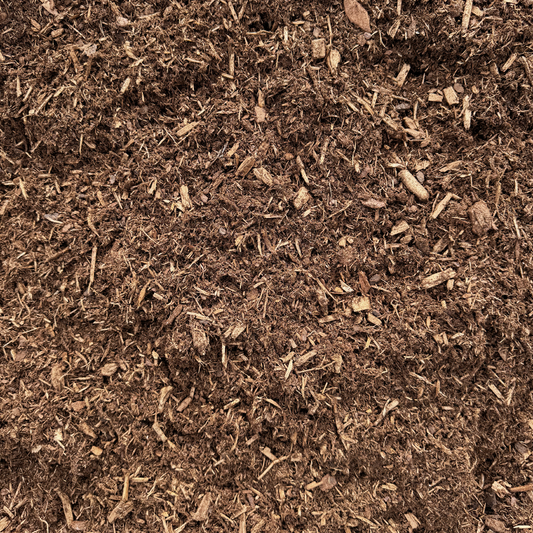
- 1 inch of stone dust as setting layer (for steppers) or skip (for stabilized pea stone).
- Set the chosen stones with edge restraint where loose stones are involved.
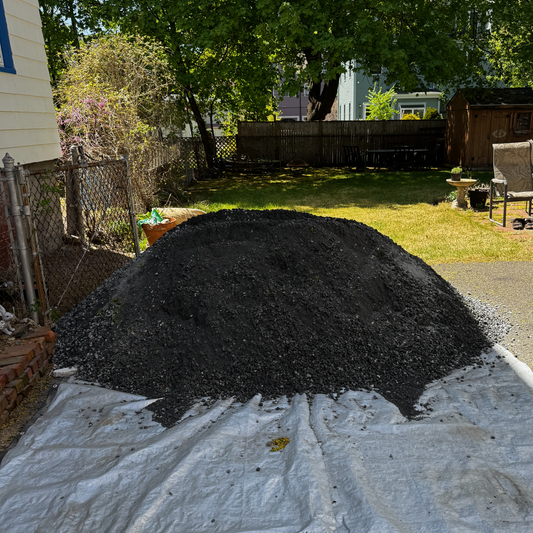
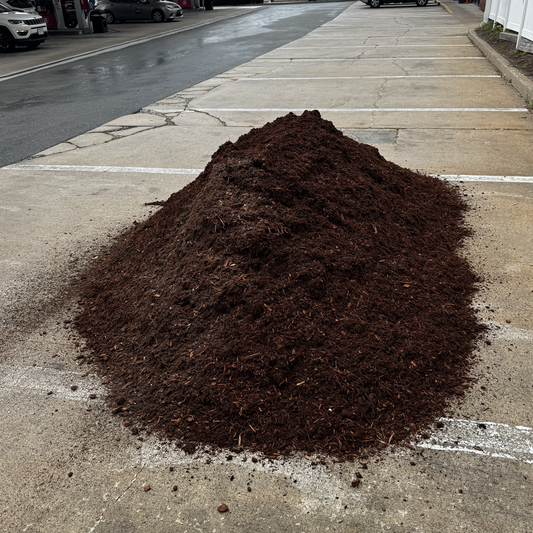
Total bulk material for that path: roughly 1.5 yards processed gravel, 0.5 yards stone dust, plus the surface stones themselves. The Decorative Stone collection has steppers and river rock; the Patio & Walkway Base collection has the gravel and stone dust. For Marshfield-area delivery, the Marshfield Landscape Supply page handles small-load scheduling.
For deeper guidance on MA-specific drainage and soils, UMass Extension Landscape is the go-to authority.