Quick Answer
For a Belmont front-yard walkway built to last 15+ years, the base is more important than the surface. Five materials cover almost every job: 3/4-inch processed gravel (the workhorse), dense-pack 3/4" (high-traffic premium), stone dust / decomposed granite (top setting layer), RCA recycled concrete (budget alternative), and mason sand (paver bedding only). Below: how each works, where it wins, and the standard 6"–8" sub-base depth that holds up to Belmont freeze-thaw.
Why the Base Is the Whole Job
Belmont walkways fail for one reason: the base wasn't deep or compacted enough. The pretty stones, bricks, or pavers on top are 80% cosmetic — once the base shifts, the surface follows in a single freeze-thaw cycle. The Interlocking Concrete Pavement Institute (ICPI) specs 6 inches of compacted base for residential walkways (8 inches in Belmont's heavier clay zones). Skip that, save a Saturday now, lose the walkway by year three.
Each material below ranks where it wins and where it loses for a typical Belmont front-yard installation.
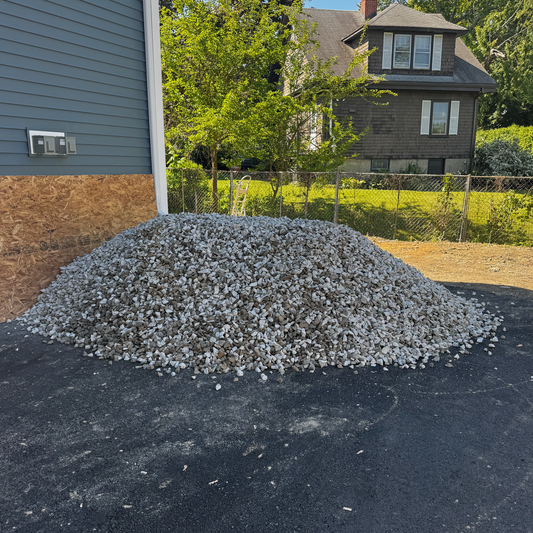
#1 — 3/4" Processed Gravel (Best for: 90% of Belmont walkways)
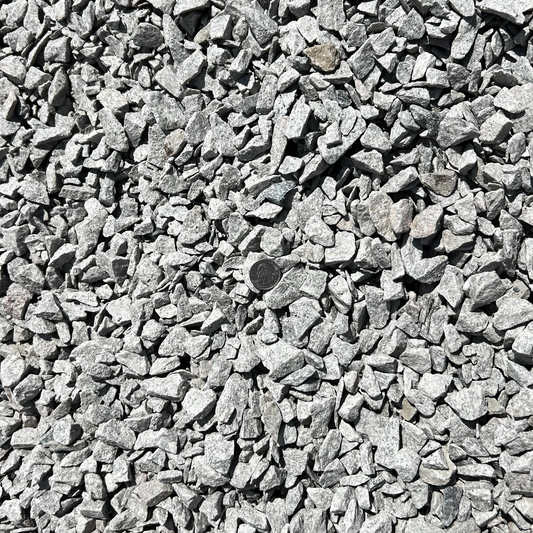
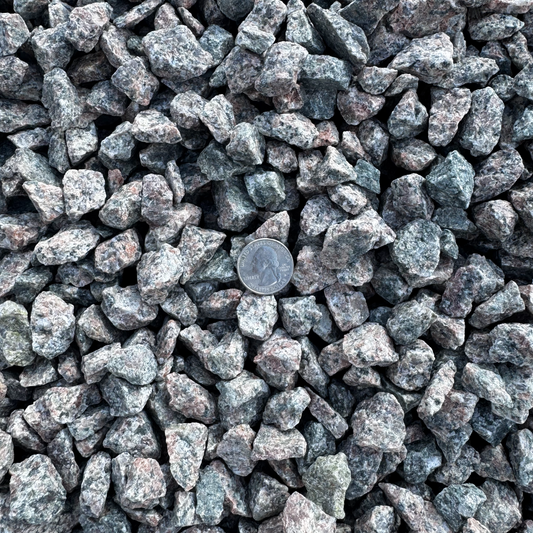
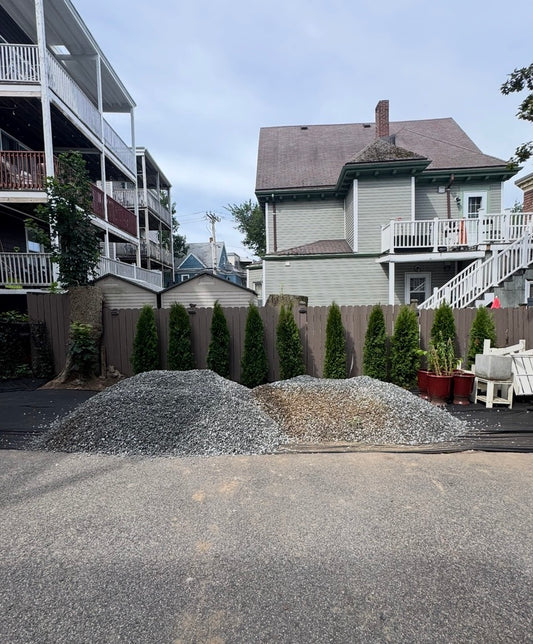
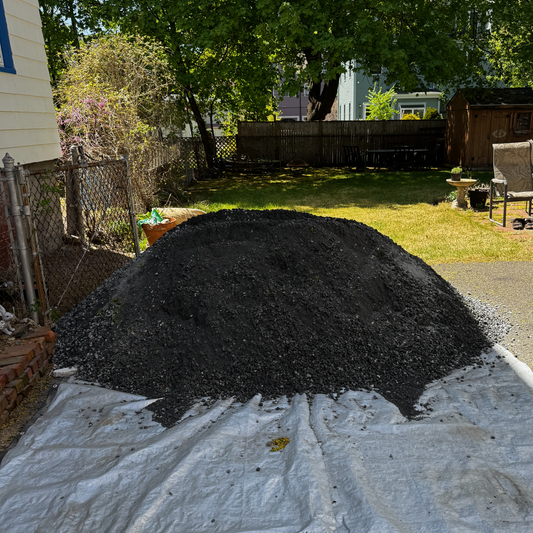
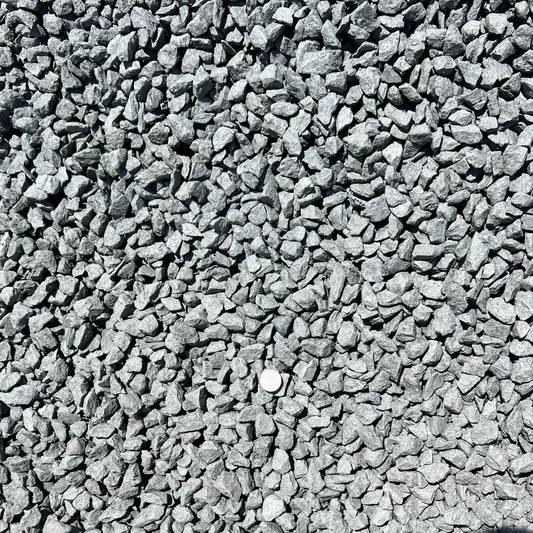
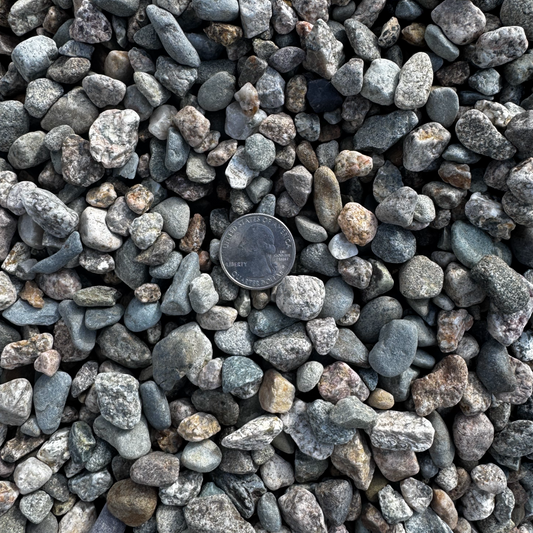
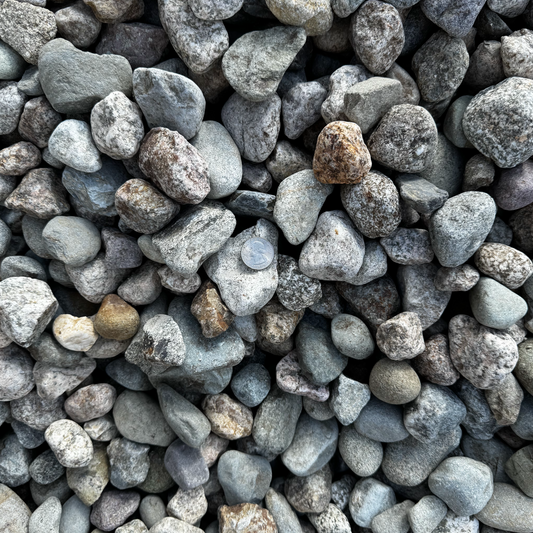
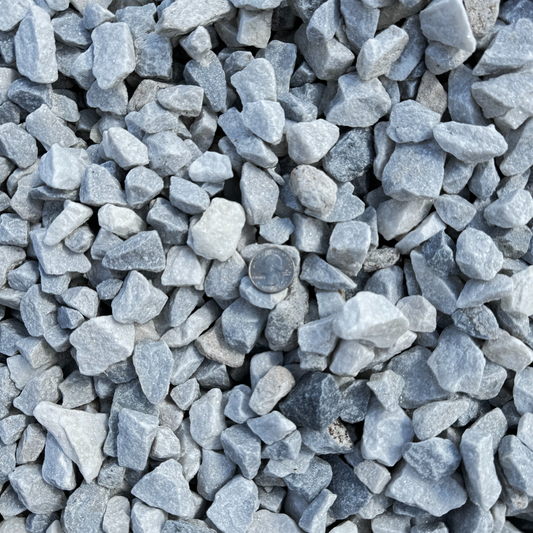
The default. Crushed stone with the fines included, which lets it lock together when compacted with a plate compactor. Drains well, compacts hard, holds shape through freeze-thaw.
Wins when: You're setting bluestone, brick, or pavers on a typical front walk under 60 feet long. Build at 6" depth in two 3" lifts, compact each lift.
Stops winning at: Heavy commercial traffic or driveway-grade loads. There you upgrade to dense-pack.
Cost: Mid-tier per cubic yard — by far the best dollars-per-square-foot for a residential walkway. Available in the Patio & Walkway Base collection.
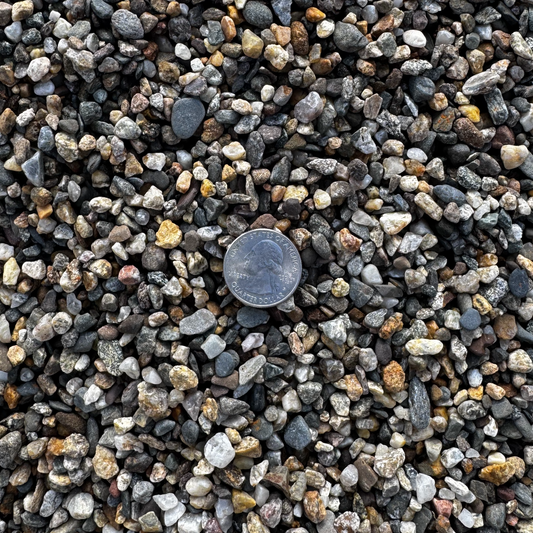
#2 — Dense-Pack 3/4" (Best for: heavy front-walk traffic, sloped grades)
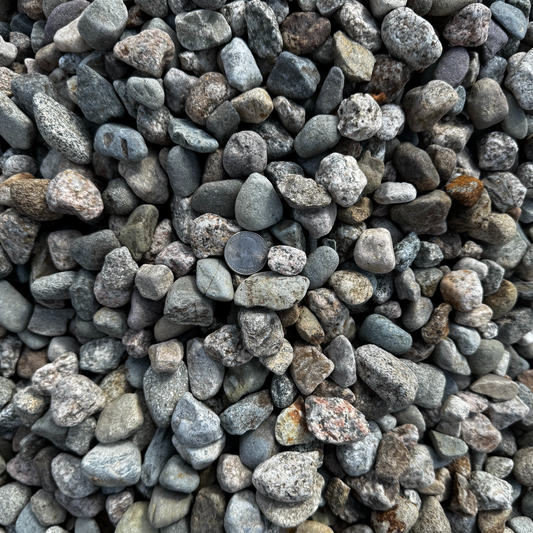
Same 3/4" stone, screened to a tighter gradation, compacts to a near-concrete hardness. Premium pricing reflects the screening.
Wins when: Belmont houses on Concord Avenue or Trapelo Road with high pedestrian and dog-walking traffic, or front walks on a 3"+ grade where conventional processed gravel might creep over time.
Stops winning at: A standard short walk where you'd be paying for performance you don't need.
#3 — Stone Dust / Decomposed Granite (Best for: top setting layer)
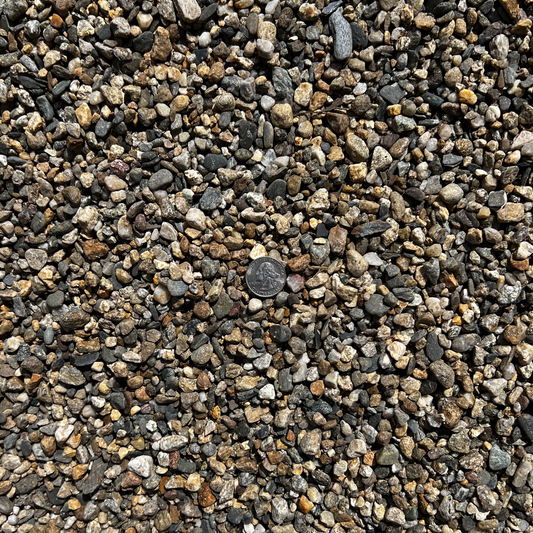
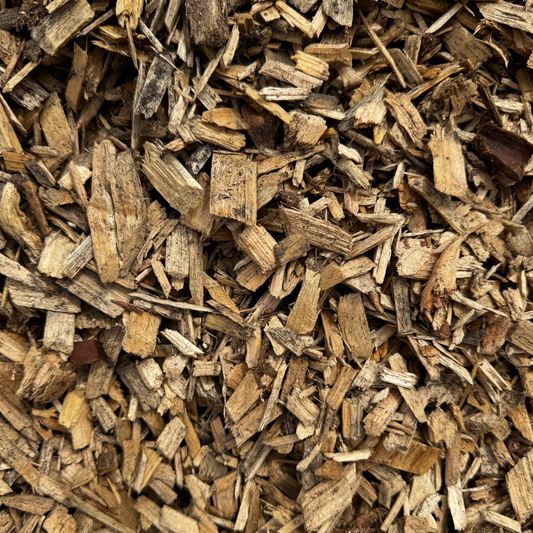
Fine, sand-like material used as the last 1 inch under pavers and stones. Locks into the joints when swept across the surface, prevents stones from rocking.
Wins when: You're setting bluestone or thicker pavers and need a forgiving final bed that lets you tap each stone level. Typical install: 6" processed gravel base, then 1" stone dust setting layer, then your stones.
Stops winning at: Use as a sub-base. Stone dust alone doesn't drain — water pools, freezes, heaves the walk.
Cost: Mid-tier per cubic yard. See it in context with 5 Decorative Stones That Anchor a Brookline Front Walk Without Looking Busy for surface-stone pairings.
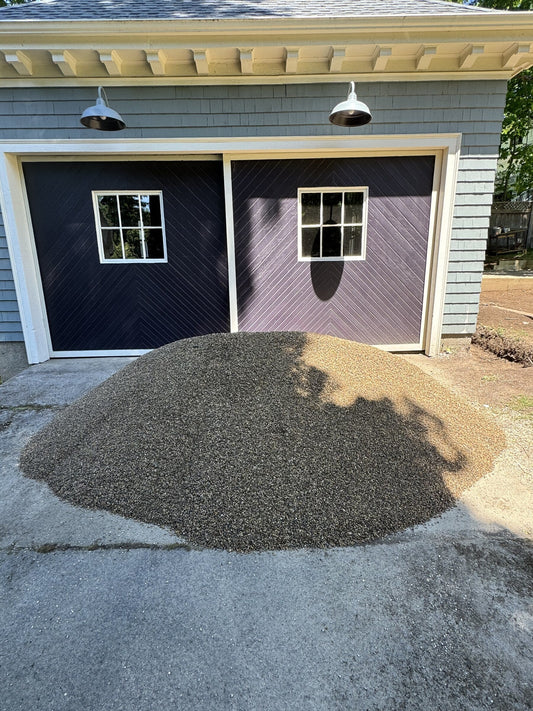
#4 — RCA (Recycled Concrete Aggregate) (Best for: budget builds, contractor sub-bases)
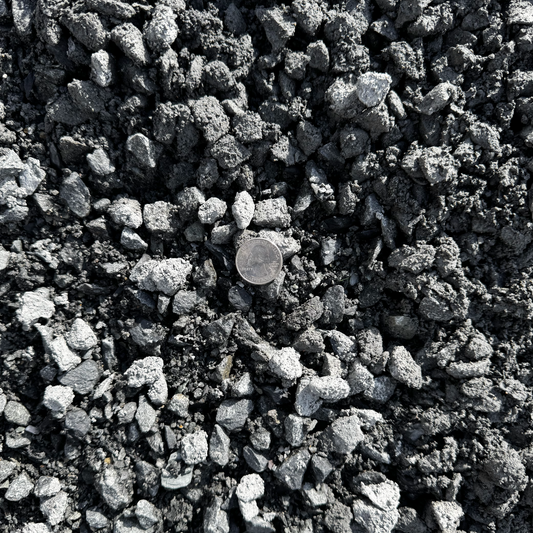
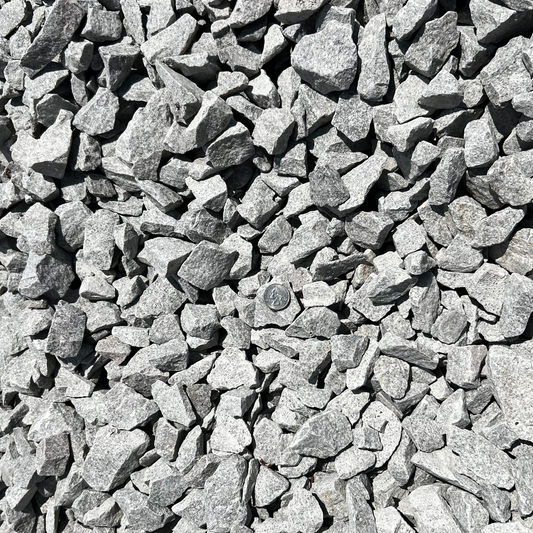
Crushed recycled concrete, similar gradation to processed gravel, often 20–30% cheaper. Drains and compacts well. The trade-off is appearance (gray-white tone, occasional rebar fragment) and a slight pH bump that can affect adjacent acid-loving plantings.
Wins when: Belmont contractors building utility walks (back-of-house, side-yard service paths) where cost beats cosmetics. Or budget-driven jobs where the surface fully covers the base.
Stops winning at: Anywhere within 18" of azaleas, rhododendrons, or blueberry — the alkaline runoff hurts acid-lovers.
#5 — Mason Sand (Best for: bedding layer under brick or paver, never sub-base)
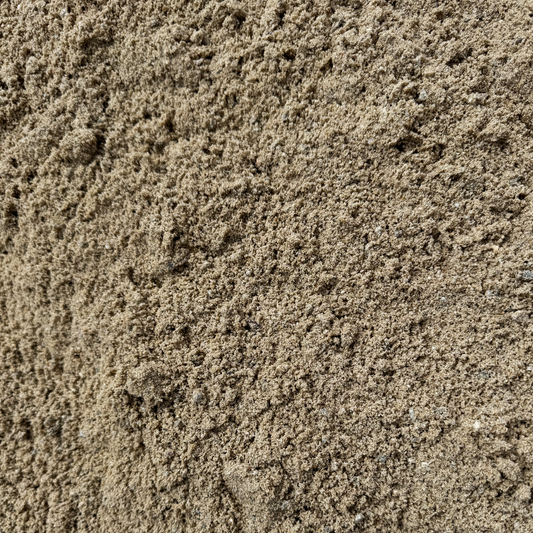
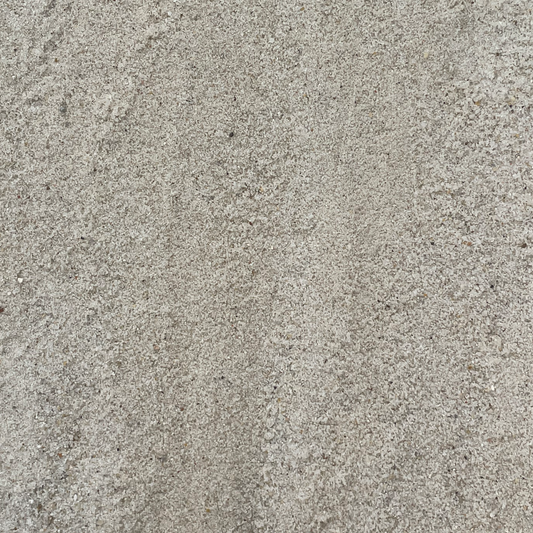
Clean, fine sand used only as the final setting bed under thin pavers (1/2" to 1" layer max).
Wins when: A traditional brick walkway in front of one of Belmont's older homes, where the brick spec calls for a sand-set installation per ICPI standards.
Stops winning at: Any role beyond a thin setting layer. Sand alone is unstable as a base — it migrates, especially in a freeze-thaw climate. See How to Order a Yard of Loam for a Watertown Raised Bed Build for sand vs. loam ordering math that applies here too.
How to Stack These for a Real Belmont Walkway
A standard 4-foot-wide, 30-foot Belmont front walk in bluestone:
- Excavate 8 inches below finished grade.
- Geotextile fabric at the bottom (prevents soil migration into the base).
- 6 inches of 3/4" processed gravel in two 3" compacted lifts.
- 1 inch of stone dust as the setting layer.
- Bluestone pavers set, leveled, and edge-restrained.
Total bulk material for that walk: roughly 3 cubic yards processed gravel, 0.5 yards stone dust. The Patio & Walkway Base collection shows current per-yard rates; for delivery to Belmont and adjacent towns, the Belmont Landscape Supply page handles scheduling.
For a related project pairing — a stepping-stone path through a Cambridge yard — see Building a Stepping-Stone Path Through a Cambridge Side Yard.
For deeper hardscape spec guidance, UMass Extension's landscape program covers MA-specific drainage and soil conditions; the ICPI manual is the industry reference.