Quick Answer
Five first-year raised bed mistakes that cost Newton homeowners a season of yield: #1 building too shallow (8" instead of 12"+), #2 filling with cheap fill dirt instead of loam-compost blend, #3 placing in under 6 hours of sun, #4 using pressure-treated lumber for vegetable beds, and #5 skipping the soil test. Any one cuts yield 30%+. All five together waste the whole first year.
Why Newton Sees These Mistakes Concentrated
Newton — Newton Centre, Auburndale, Waban, West Newton, Newton Highlands — has the demographics that breed first-year raised bed builds. New homeowners, mature trees, irregular lot shapes, and Pinterest screenshots from gardeners in Zone 8. The mistakes are predictable. Below are the five we see most often and the fixes.
Mistake #1 — Building Too Shallow
The Pinterest aesthetic: a shallow 6–8" cedar frame on a flat lawn. The vegetable reality: most crops want 12+ inches of root depth. Carrots and parsnips fail at 8". Tomato roots stress in shallow beds during July. Anything that wants to root deep — including the deep-rooted varieties that handle drought best — gets cramped.
The fix: 12 inches minimum for vegetable beds. 18 inches if you're growing carrots, parsnips, or other taproot crops. 24 inches if you have back issues and want to garden standing.
For the full pillar build approach, see how do I build a raised garden bed in Massachusetts? A complete 2026 guide — the 4x8x12 spec is the proven Newton starting point.
Mistake #2 — Filling With Cheap Fill Dirt
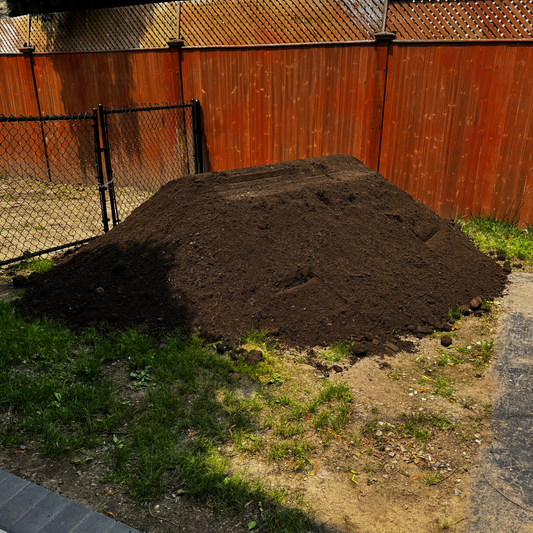
A Newton homeowner finds "free fill dirt" on Craigslist or accepts soil from a neighbor's excavation. The bed gets filled, the seedlings go in, and by July nothing is producing. The cause: fill dirt is mineral soil with no organic matter, often compacted, sometimes contaminated with construction debris or herbicides.
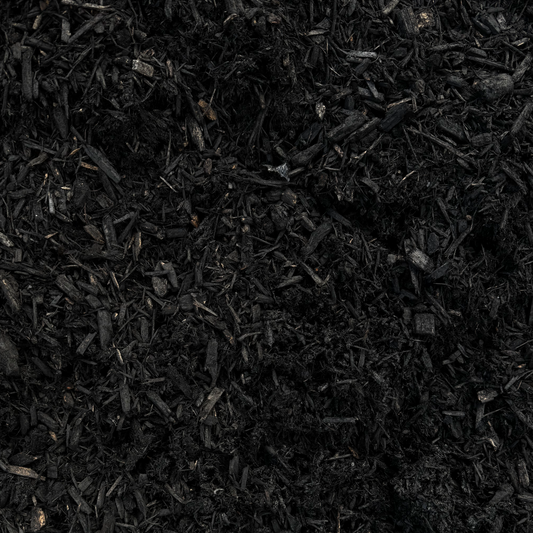
Vegetable beds need a 60% screened loam / 30% compost / 10% coarse sand mix or equivalent. Fill dirt fails on every dimension.
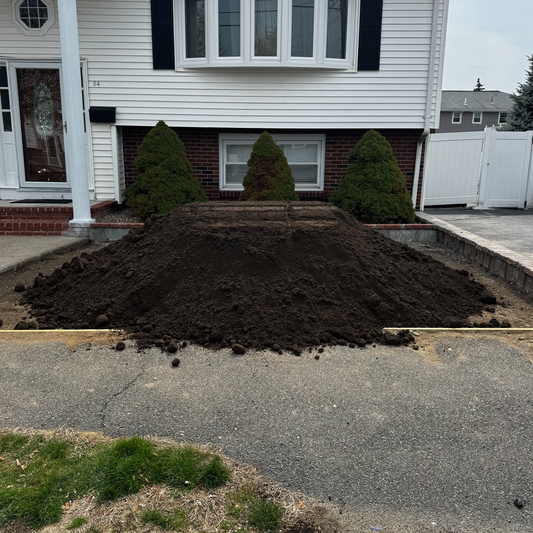
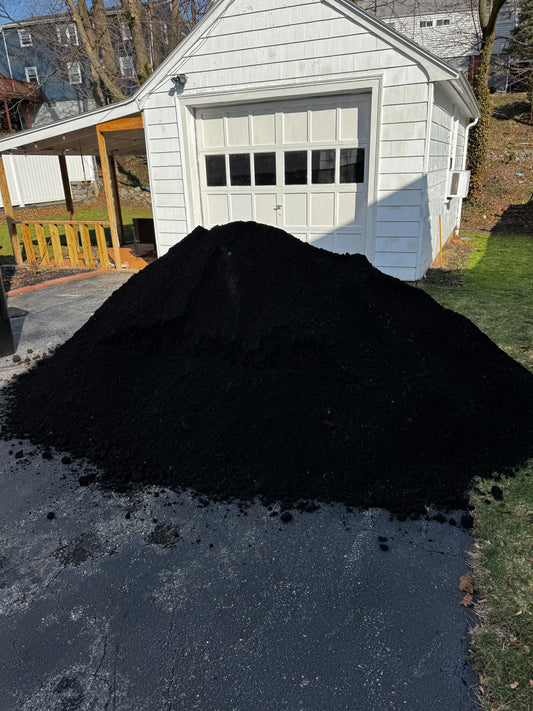
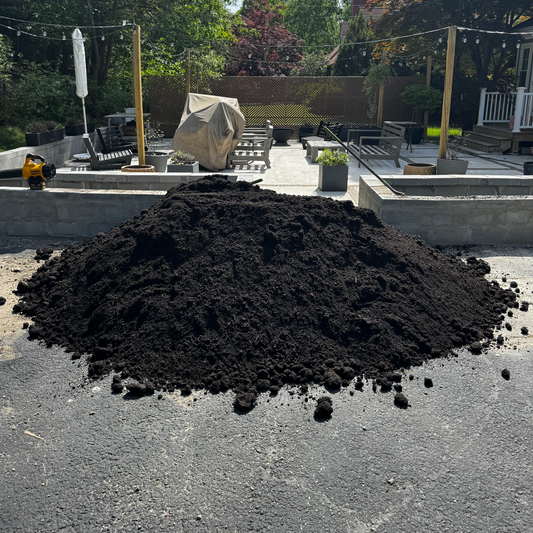
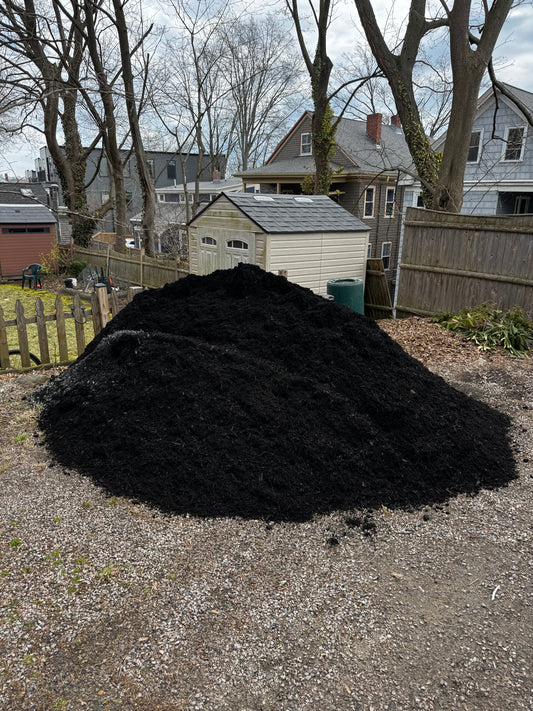
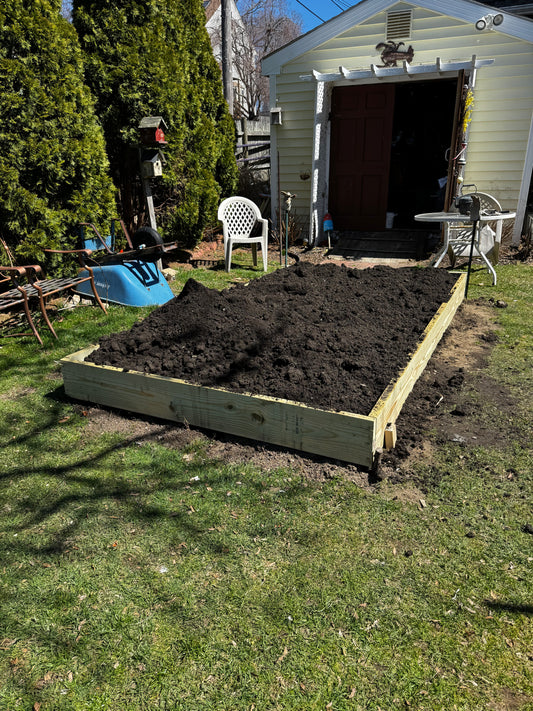
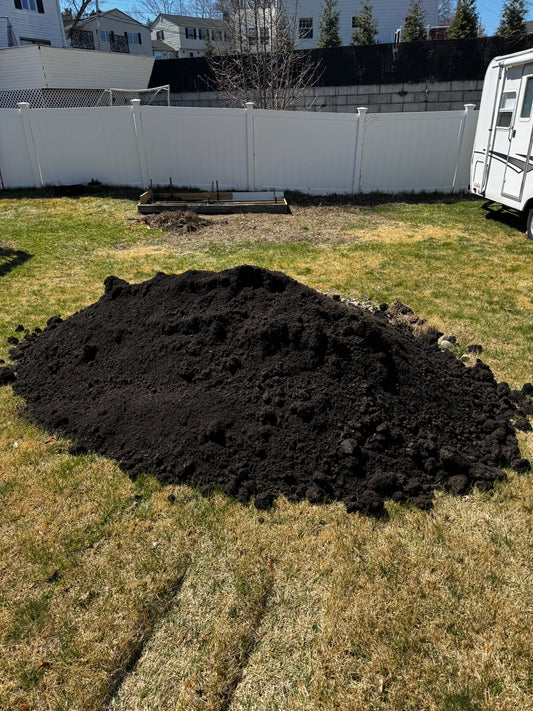
The fix: Order screened loam and STA-certified compost by the cubic yard through the raised garden bed materials collection. For a 4x8x12 bed, that's about 1.2 cubic yards of blended material — total cost roughly $80 delivered. The cheapest yield boost on the menu.
For the layered fill approach, how to layer a Somerville raised bed: loam, compost, and mulch in the right order walks through the sequence.
Mistake #3 — Placing in Under 6 Hours of Sun
Newton's mature canopy is the city's defining feature and the most common siting mistake. A bed placed under the dripline of a 60-year-old oak gets 3–4 hours of dappled sun and roots compete with the tree's surface roots for water. Yield is roughly 30% of a sunny-bed.
The fix: Track sunlight on the longest day of summer (June 21), not in March when the canopy is still bare. Pick the spot with 6+ hours of direct sun in mid-summer. South or southwest exposure away from mature trees is the call.
If your sunny spot is the front yard and you're worried about aesthetics, raised beds with stained cedar or steel-corten frames read as garden architecture rather than utilitarian — they fit Newton front-yard contexts.
Mistake #4 — Using Pressure-Treated Lumber
Modern PT lumber uses copper-based preservatives (ACQ or copper azole) that are safer than the old arsenic chromate, but copper still leaches into adjacent soil at low rates over time. Vegetable growers stay clear.
The fix: Untreated cedar (best, 10–15 year lifespan in MA) or untreated hemlock (cheaper, 8–10 year lifespan). Both available at Newton-area lumberyards. Plan to replace boards in years 8–12 — that's the cost of vegetable-safe construction.
Don't use: - Pressure-treated (copper leaching) - Pine (rots in 3 years) - Railroad ties (creosote) - Painted or stained scrap lumber (unknown finishes)
Mistake #5 — Skipping the Soil Test
The $20 UMass soil test is the highest-leverage decision in a vegetable garden. Newton soils run acidic (5.6–6.2 typical) — vegetables want 6.5–6.8. Without a soil test, the homeowner either (a) over-limes and locks up phosphorus, or (b) under-limes and watches plants struggle to take up nutrients all season.
The fix: Pull a sample, mail it to the UMass Soil and Plant Nutrient Testing Lab. The full protocol works from anywhere in MA — see how to get a UMass Extension soil test done from Worcester County — and turnaround is 7–10 business days. $20, decision-quality data.
For the amendment decisions that follow, 5 soil amendments every Newton vegetable garden should see in March covers the application order keyed to a Zone 6b season.
Bonus Mistake — Not Planning Drainage
A bed sited on a low spot or against a French-drain swale will sit wet through May. Roots rot. Seedlings yellow. The fix: site the bed where surface water moves past, not through. If your sunny spot is also your low spot, plan a French drain or a swale to redirect surface water before bed construction. See what goes in a French drain? A complete Massachusetts homeowner guide for the geometry.
The Newton First-Year Rescue Plan
If you've already made any of the above mistakes, here's the recovery path:
- Shallow bed: Add a second tier on top this spring. 6" added depth gets you to 14" effective.
- Wrong fill: Top with 4" of fresh compost-loam blend, plant on top. Long-term, plan to rebuild.
- Wrong sun: Move the bed to a sunny spot this season. Cedar frames disassemble.
- PT lumber: Line the inside with 6 mil plastic before the next refill to limit leaching, plan to rebuild within 3 years.
- No soil test: Mail one this week. Apply amendments based on results.
For the side-by-side comparison of compost-topsoil blends vs. straight loam (a useful guide when ordering bed-fill), see compost-topsoil blend vs straight topsoil tested in Middlesex County beds. For broader fertility recommendations across MA crops, the UMass Vegetable Program is the most authoritative source. For compost quality standards, the US Composting Council STA program defines the benchmark to ask suppliers about.
The short version: build deeper, fill better, site sunnier, frame in cedar, and test the soil. Five fixes, a season of yield.