Quick Answer
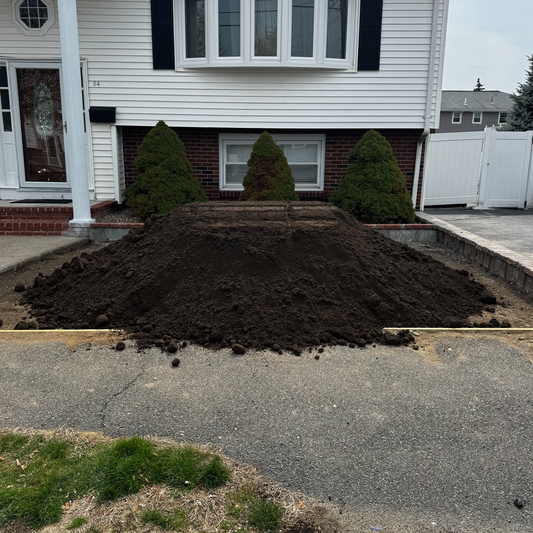
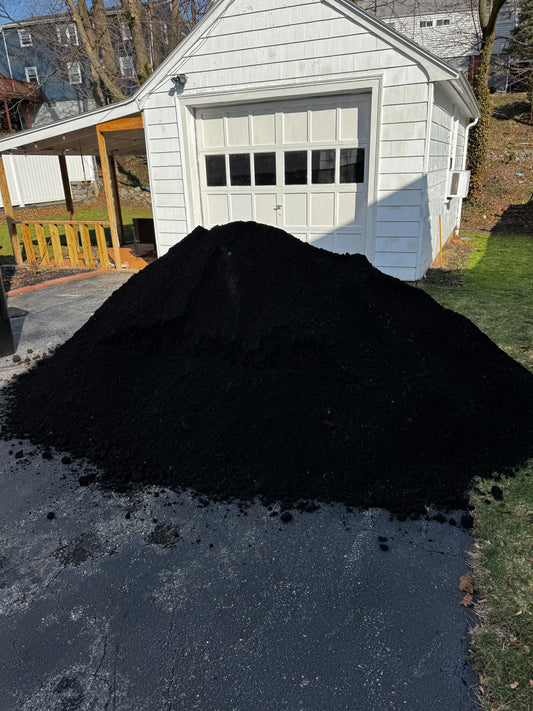
For Middlesex County vegetable beds, a 70/30 topsoil-compost blend outperforms straight screened topsoil on yield, water retention, and seedling vigor — but straight topsoil wins for lawn top-dressing and grading fill where you don't want soft, settling soil. Pay 15–25% more per yard for blended; skip the upcharge for fill applications.
How We Tested
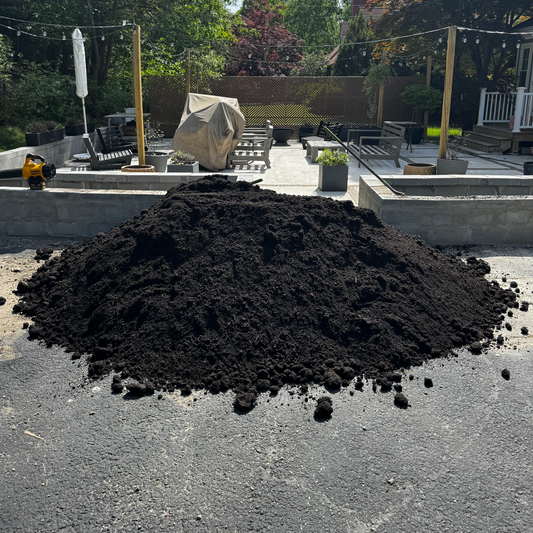
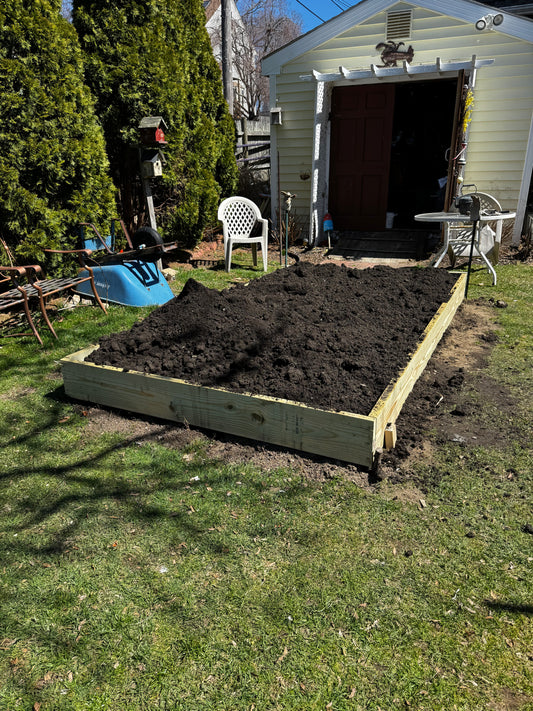
Across three Middlesex County yards in 2025 — one in Cambridge, one in Lexington, one in Acton — we filled paired 4'x8' raised beds with straight Ottr screened loam on one side and 70/30 loam-compost blend on the other. Same seed packets, same watering schedule, same April 18 transplant date. We pulled yields in late August.
The pattern was consistent.
Where the Blend Wins: Vegetable Beds
The 70/30 side outperformed straight loam on every vegetable measurement. Tomato yields were 22% higher in Cambridge, 18% higher in Lexington. Lettuce held a deeper green into July before bolting. Pepper plants set fruit two weeks earlier in Acton.
The mechanism is straightforward. Compost adds organic matter, microbial life, and slow-release nutrients that screened loam alone doesn't carry. The US Composting Council backs this up — STA-certified compost blended at 25–35% by volume hits the sweet spot for vegetable production without nitrogen tie-up.
For Middlesex County beds specifically, the blend also handled the dry stretch in late July better. Compost-amended soil holds roughly 20% more plant-available water than straight loam. That matters in a Cambridge backyard with no irrigation. Browse the raised garden bed materials collection for blended yard rates.
Where Straight Topsoil Wins: Grading and Fill
Straight screened loam still wins for three jobs:
- Lawn top-dressing. A blend settles too much in the first month — you'd be regrading by June. Pure loam holds grade. See top-dressing a Waltham lawn with loam for the application walkthrough.
- Grading fill on new construction. Same reason — the compost fraction breaks down and you lose 1–2 inches of grade per 6 inches of fill in the first season.
- Sod base prep. Sod wants a firm, mineral soil to root into. Blends are too soft.
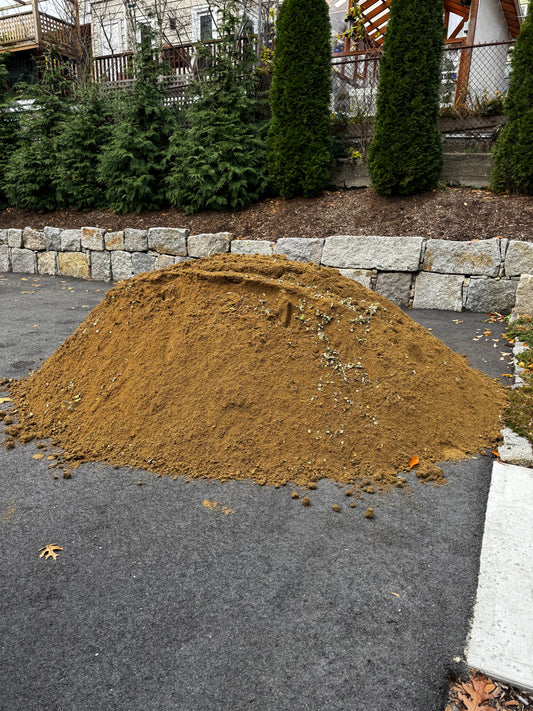
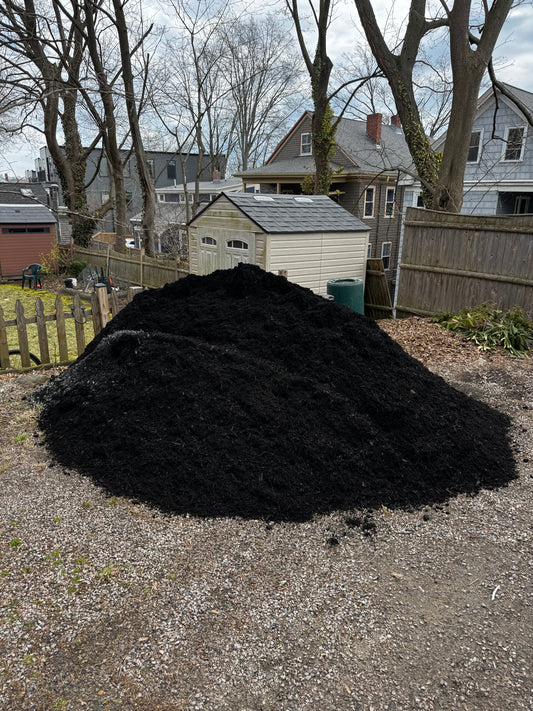
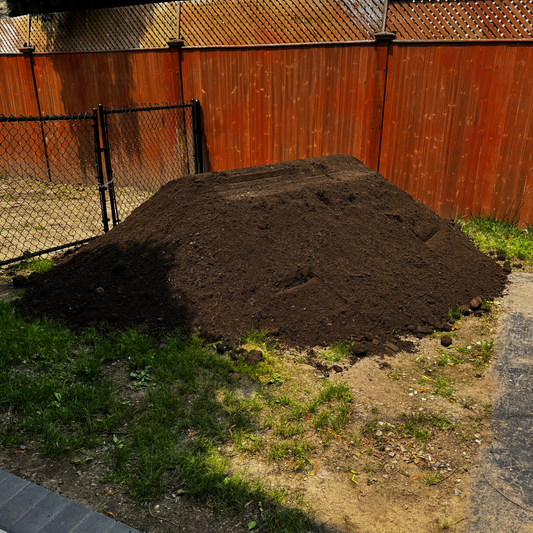
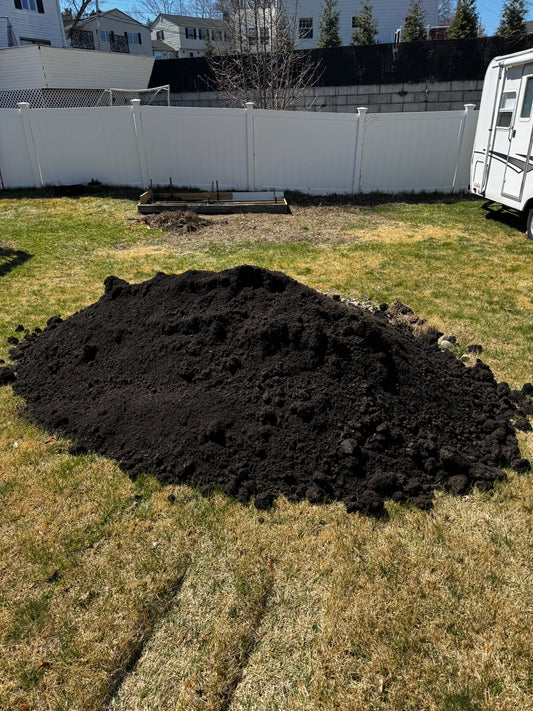
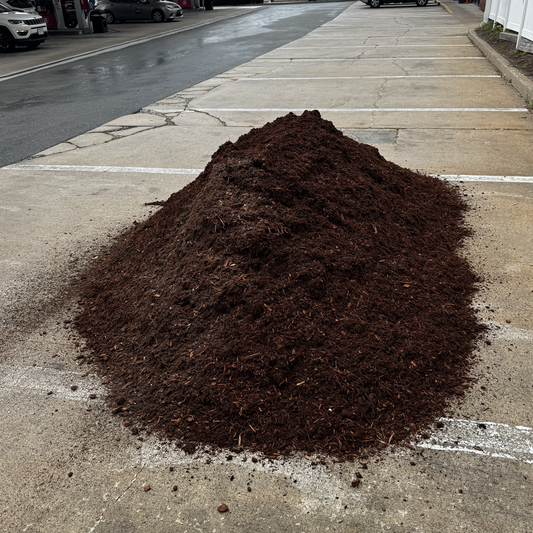
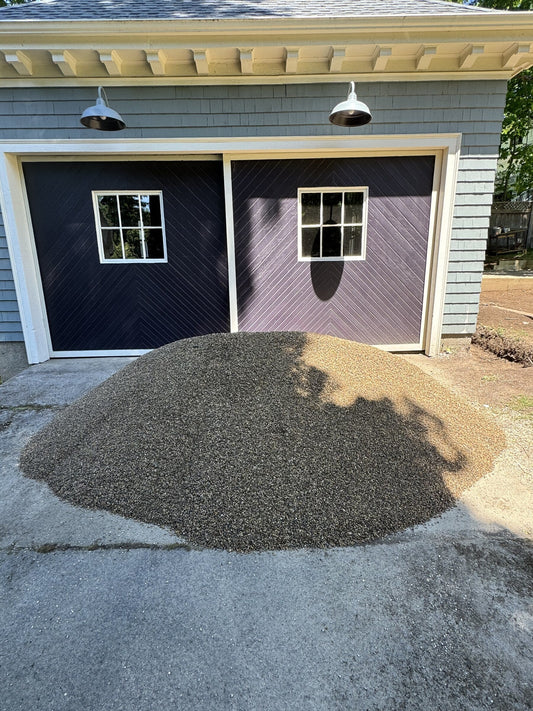
For these, our Ottr screened loam walkthrough from a Quincy bed shows what to look for in the pile.
Cost Math for a Middlesex Yard
Straight Ottr screened loam runs roughly $42–$48 per cubic yard delivered. The 70/30 blend runs $52–$60 per yard — call it a 20% premium. For a typical 4x8x12" raised bed, that's about 1.2 yards or $12–$14 extra per bed for the blended product.
For a vegetable bed expected to produce for 5+ years, that's the cheapest yield boost on the menu. For a 30-yard grading job on a Cambridge tear-down, you'd burn $300+ chasing a benefit you don't get.
How to Spec It at Order Time
If you're ordering blended loam, ask the dispatcher for:
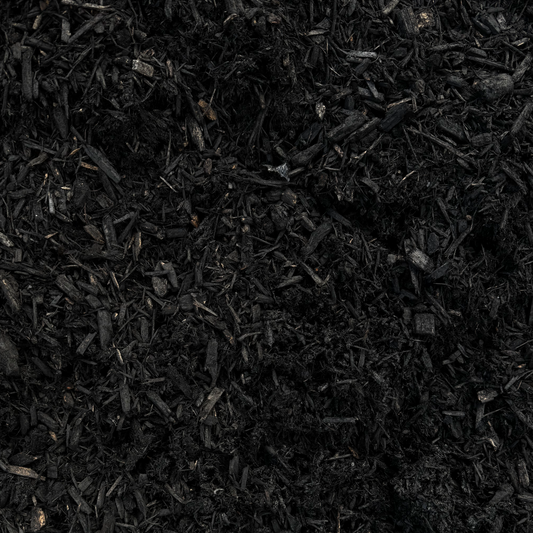
- Compost fraction by volume (target 25–35%; below 20% the benefit is muted)
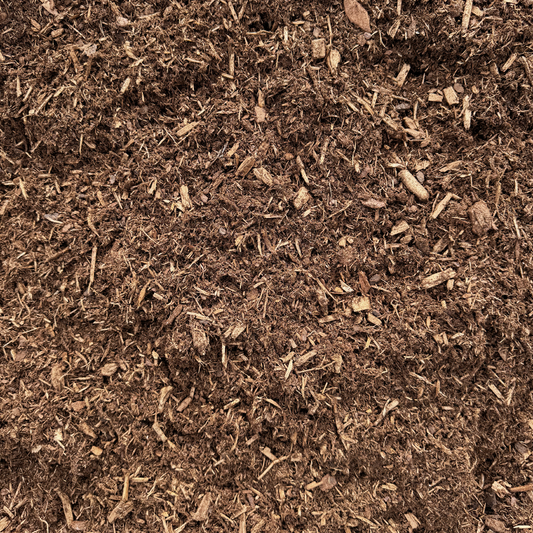
- Compost source (leaf compost or STA-certified municipal compost preferred; avoid manure-heavy blends in vegetable beds for first-year salt)
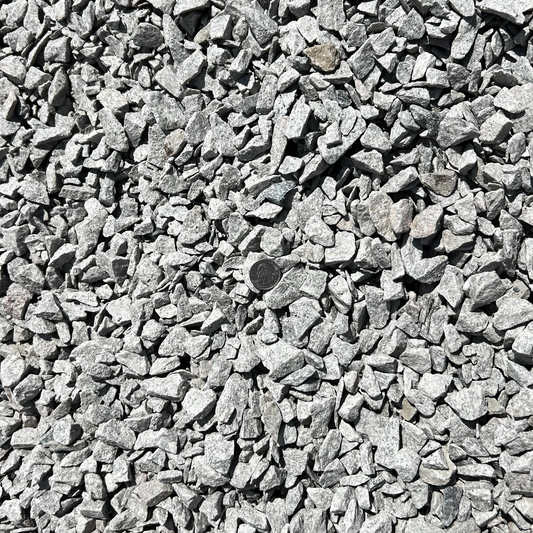
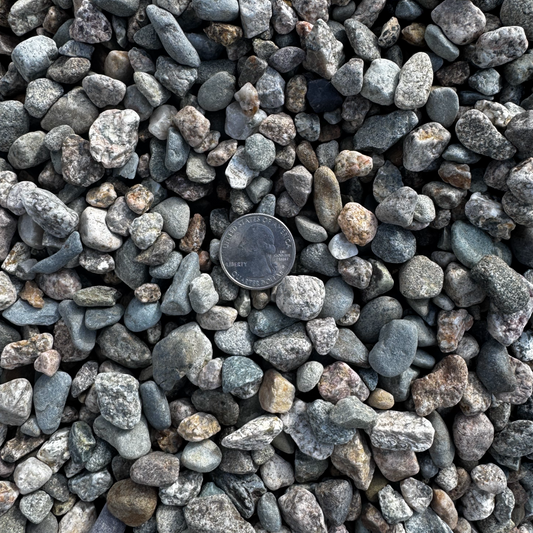
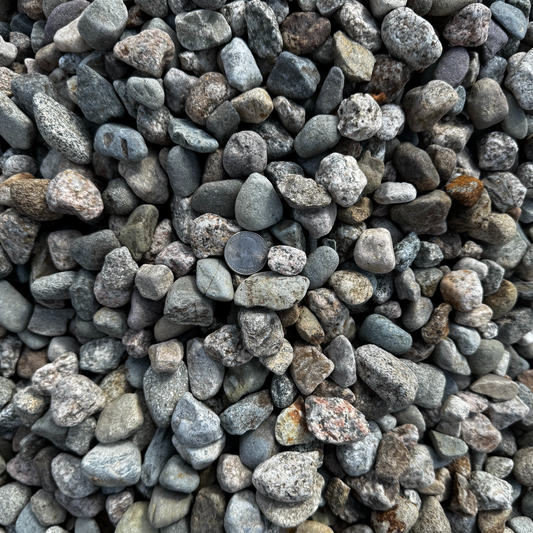
- Screen size (½" or finer for vegetables; ¾" is fine for ornamental beds)
Three bulk compost sources stack up differently — see three bulk compost sources compared for Plymouth County vegetable gardens for the side-by-side. For Norfolk County context on topsoil sourcing, three bulk topsoil blends compared for Norfolk County yards walks through neighboring-county supply.
What This Means for a Middlesex Order
For a Cambridge brownstone backyard or a Lexington colonial vegetable plot, order the blend. For a Newton lawn renovation top-dress or a tear-down grading job in Belmont, order straight loam. The 20% premium is paid back in two ways or it isn't paid back at all.
For broader regional fertility guidance and seasonal amendment timing, the UMass Extension Landscape program is the most authoritative source on Middlesex County soils.