Quick Answer
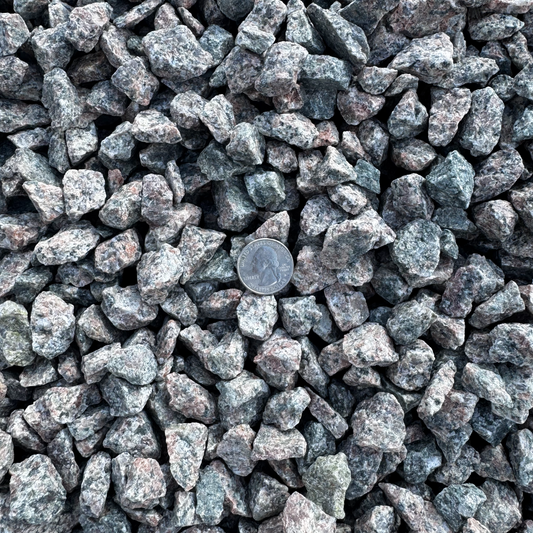
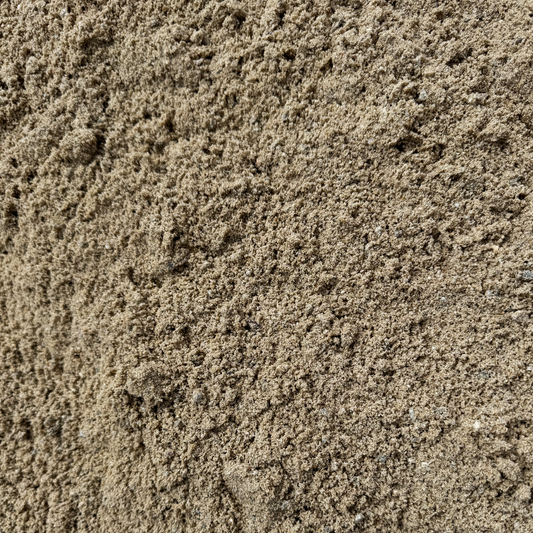
Mixing your own salt-sand at home means 20% rock salt + 80% mason sand by volume for the lawn-edge strip, and 50/50 for the central drive on cold-snap nights below 15 degrees F. Use bulk rock salt and bulk mason sand from Ottr (about half the per-pound cost of bagged), blend in a 5-gallon bucket, and store in a covered 30-gallon trash can on a wood pallet. Five tips below cover ratios, tools, storage, and lawn-edge protection for Plymouth, Kingston, and Halifax homeowners.
Why Mix Your Own?
Pre-blended salt-sand comes by the cubic yard from Ottr in two ratios: 50/50 and 20/80. But many Plymouth County homeowners want both ratios on hand and a smaller working volume than a full yard. Mixing your own from bulk stockpiles lets you tune the blend to the storm and the zone - more salt for the central drive on a deep-cold night, more sand at the lawn edge year-round.
#1 - Use 20/80 for the Lawn-Edge Strip
The damage band on a Plymouth County lawn is 6-18 inches in from the curb every April. UMass Extension turf research shows soil sodium above 4 mmhos/cm electrical conductivity starts killing cool-season grasses (Kentucky bluegrass, fescue, ryegrass - the standard MA mix).
20/80 = 20% rock salt + 80% mason sand by volume. Provides traction with one-fifth the chloride load. Use it for the 18-24 inches of driveway adjacent to grass, and for any stoop or walkway where flower beds are within 2 feet.
For the full lawn-edge protection logic, see How to Choose the Right Ice Melt for a Worcester County Driveway.
#2 - Use 50/50 for the Central Drive on Cold Snaps
Below 15 degrees F, straight rock salt slows down. 50/50 (50% rock salt + 50% mason sand) keeps traction moving even when the salt isn't melting fast. Use it for the central drive on sub-15 degree F nights instead of doubling up on rock salt.
For a deeper Q&A on cold-snap chemistry, see Why Is My Bristol County Curb Edge Lawn Brown in January? - same lawn-edge science applies in Plymouth.
#3 - Mix in a 5-Gallon Bucket, Not on the Driveway
Measure by volume, not weight (weight varies with moisture; volume is consistent). For a 20/80 blend:
- 1 quart rock salt + 4 quarts mason sand = 1.25 gallons of 20/80 (roughly).
- Or scale up: 1 gallon rock salt + 4 gallons mason sand for a 5-gallon batch.
Stir with a flat-end shovel for 60 seconds in the bucket. Don't mix piles on the driveway - sand and salt segregate when poured, defeating the blend.
#4 - Store in a Covered 30-Gallon Trash Can on a Pallet
Bulk salt-sand pulls moisture out of cold concrete and clumps. Put the can on a wood pallet or rubber mat to break ground contact, and use a tight lid to keep snow out. A typical Plymouth County household uses 1.5-2 cubic yards of total winter materials across the season - the trash can holds about 100 pounds of usable working volume, which lasts 4-6 storms.
For storage logistics that work the same in Plymouth, see How to Build a Weatherproof Salt-Sand Bin for a Quincy Property.
#5 - Buy in Bulk; Stretch With Sand
Bulk rock salt from Ottr runs roughly $0.12-$0.18 per pound versus $0.30-$0.40 per pound bagged. Bulk mason sand is similar - dramatically cheaper than bagged play sand. Combine the two and you cut a Plymouth County household's winter chloride spend by 40-50% versus all-bagged.
A typical winter order:
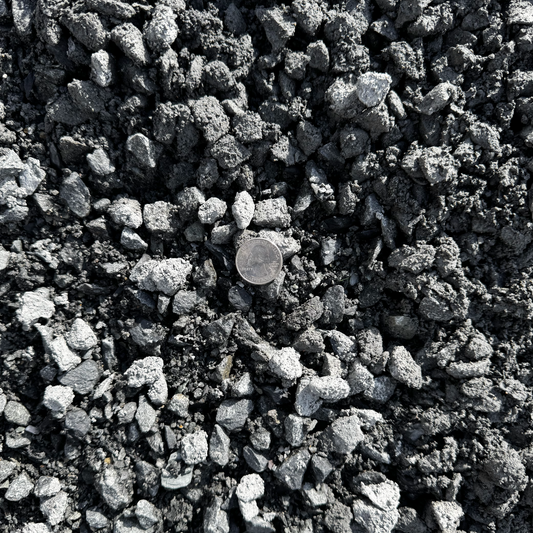
- 1 cubic yard bulk rock salt (covers central-drive needs).
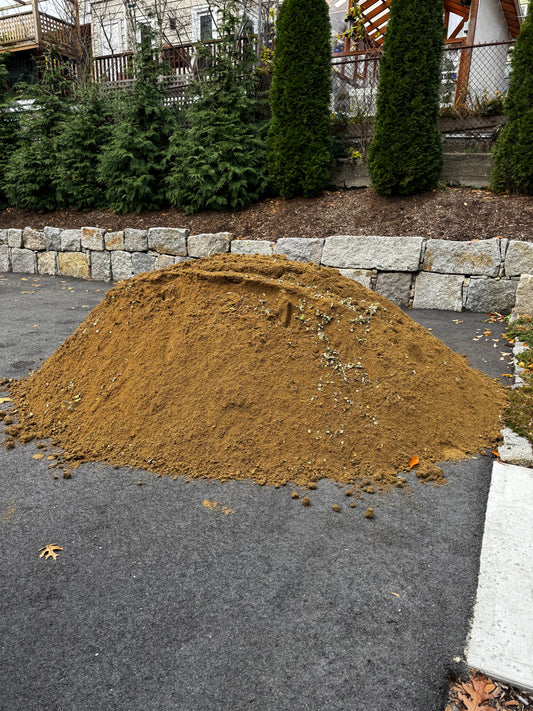
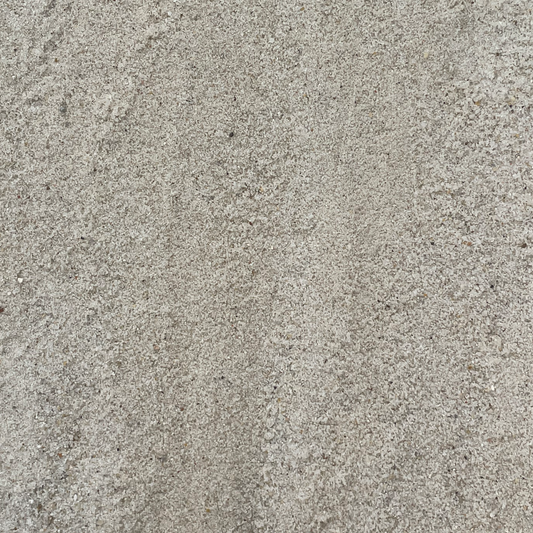
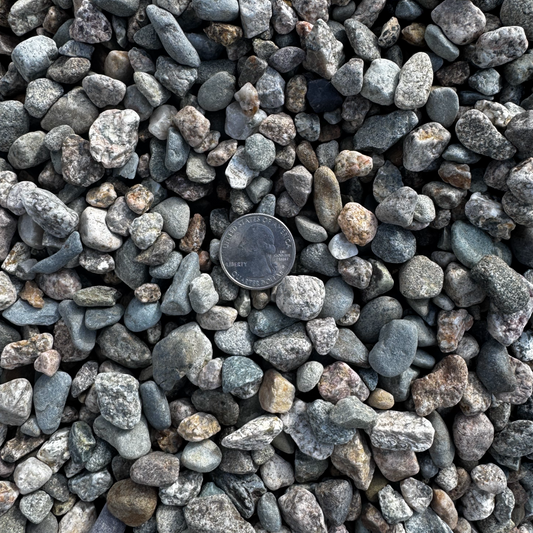
- 1 cubic yard bulk mason sand (for blending and pure-sand bed-edges).
- Blend on demand into 5-gallon batches.
Browse Snow & Ice Management for current per-yard rates and delivery scheduling. For the 2026 follow-up on hardscape planning in Newton, the same January planning mindset applies to Plymouth County hardscape jobs.
Storage and Mixing Reference Card
- 20/80 (lawn-edge): 1 part rock salt to 4 parts mason sand.
- 50/50 (cold-snap drive): 1 part rock salt to 1 part mason sand.
- Pure mason sand: for the last 18 inches before flower beds and old brick.
- Storage: 30-gallon trash can, lid on, raised on pallet.
- Mixing tool: flat-end shovel in a 5-gallon bucket; 60 seconds of stirring.
For broader winter materials guidance, UMass Extension's Landscape, Nursery & Urban Forestry program is the most authoritative MA source on salt-related turf protection.