Quick Answer
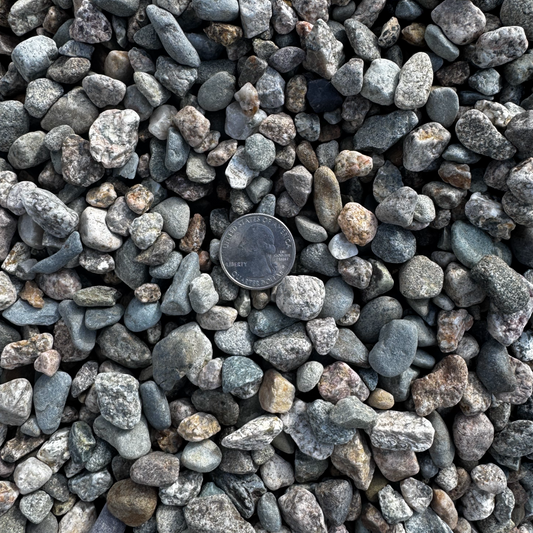
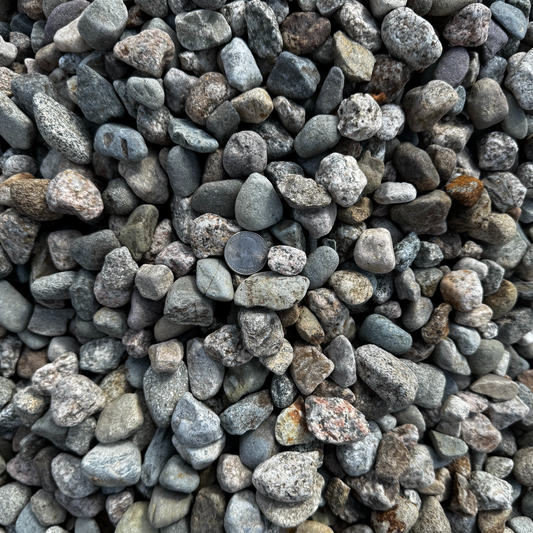
For a Worcester County driveway, match the ice melt chemistry to the lowest temperature you'll see in the next 24 hours. Treated rock salt handles 15-32 degrees F (most January nights). Calcium chloride is the cold-snap pick down to -25 degrees F. Salt-sand 20/80 protects the lawn-edge strip. Mason sand alone is the failsafe next to flower beds. Use the four-step framework below to decide before you spread anything.
Why Worcester County Driveways Need a Different Playbook
Worcester sits inland and runs colder than Boston by 3-7 degrees F on a typical January night. Storms in Auburn, Shrewsbury, Westborough, and Leominster regularly push past the 15 degree F threshold where straight rock salt slows down. Driveways here also tend to be longer than Suffolk County aprons, with more lawn-edge exposure and older asphalt. One product across the whole surface wastes money and damages turf.
Quick Comparison Table
| Product | Effective to | Best Zone | Bulk Cost (Ottr) |
|---|---|---|---|
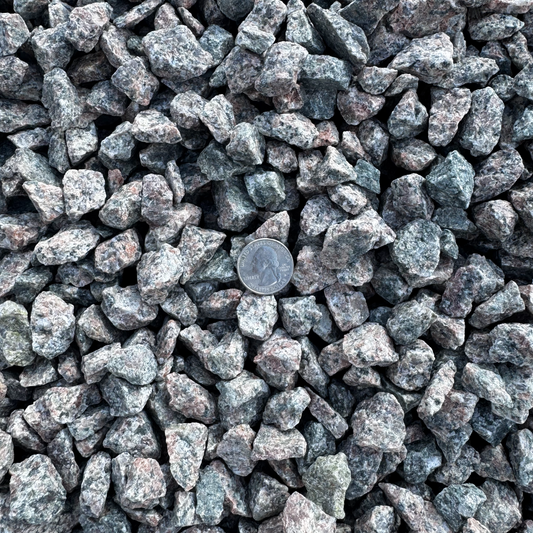
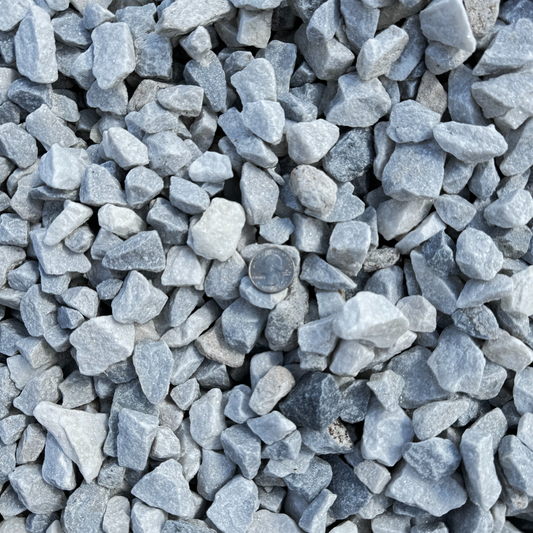
| Treated Rock Salt | 15 degrees F | Central drive, apron | $ |
| Calcium Chloride | -25 degrees F | Cold-snap pre-treat | $$$ |
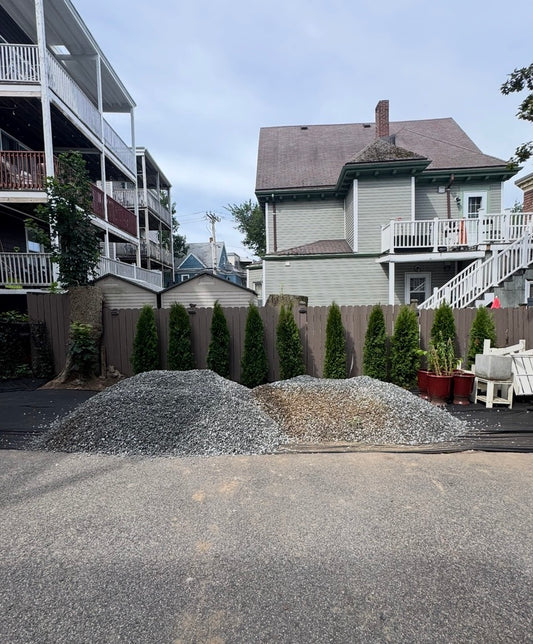
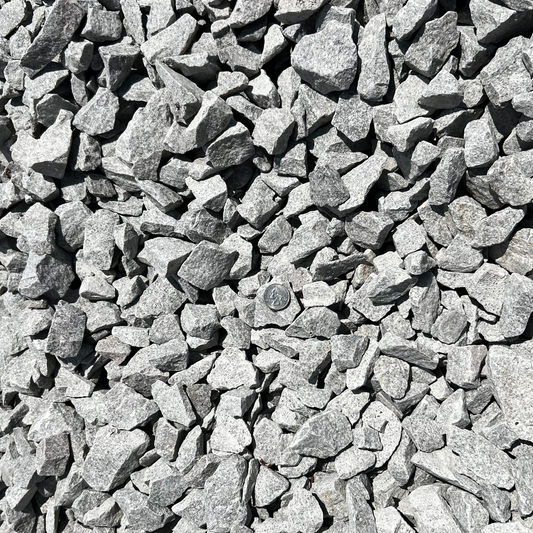
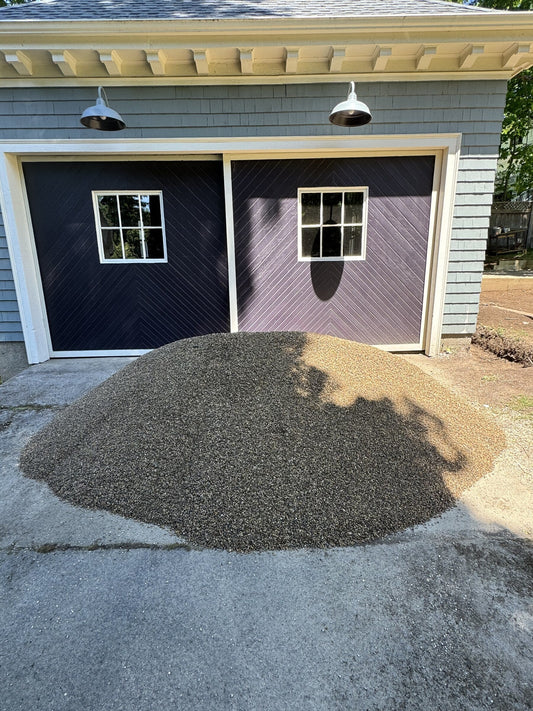
| Salt-Sand 20/80 | 0 degrees F (traction) | Lawn-adjacent strip | $ |
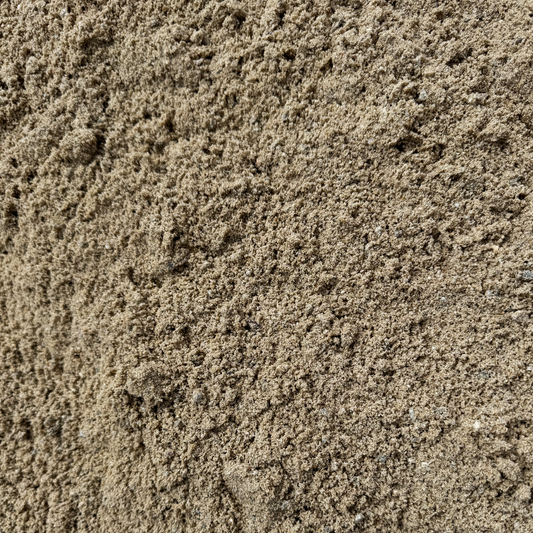
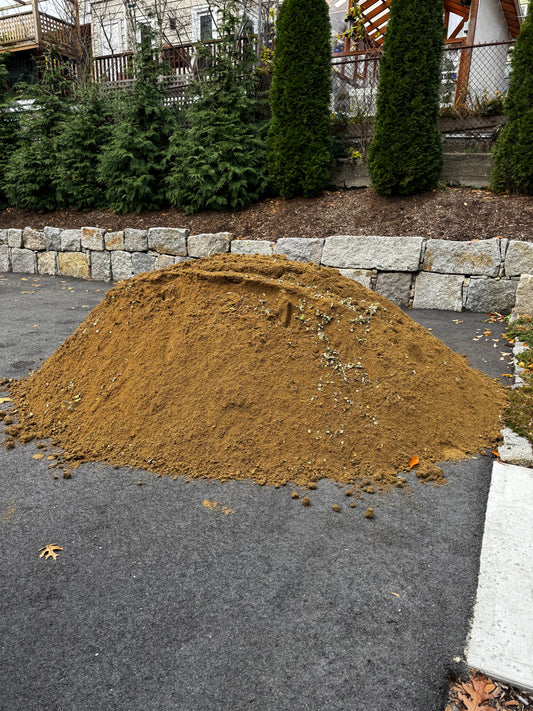
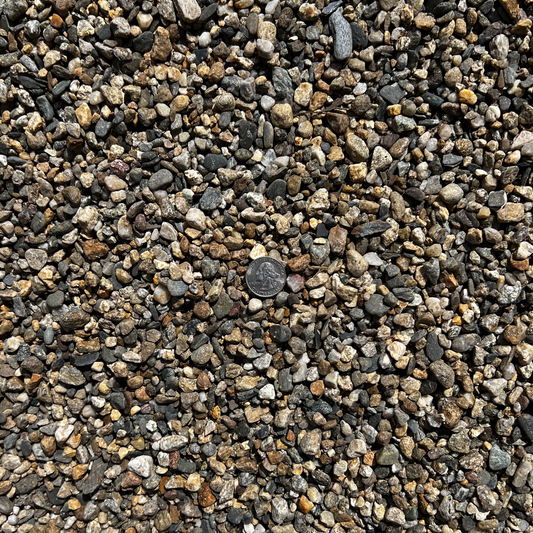
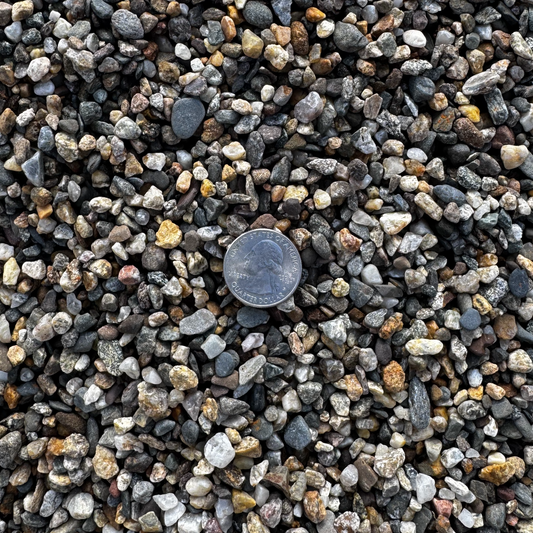
| Mason Sand (pure) | Any temp (no melt) | Bed-adjacent edge | $ |
Step 1 - Read the Temperature, Not the Bag
Check the forecast low for the next 24 hours. The bag's "effective to" rating is a lab number; in real Worcester yards, expect the practical floor to be 5-10 degrees F warmer. So a bag rated to -15 degrees F works fine at 5 degrees F but gets sluggish below -5 degrees F. If forecasts show a sub-15 degree F night, you need calcium chloride - not "more rock salt."
Step 2 - Map the Driveway into Zones
Walk the driveway and mark three zones with garden flags or chalk:
- Central drive - the main wheel paths. Salt does its job here without collateral damage.
- Lawn-edge strip - the 18-24 inches between asphalt and turf. This is where curb-edge salt damage shows up in April.
- Bed-adjacent or stoop - the last 2 feet near flower beds, brick stoops, or pre-1990 concrete.
Step 3 - Match Chemistry to Zone
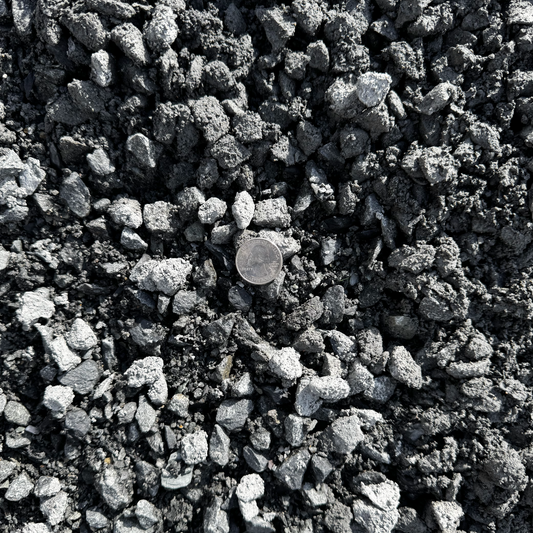
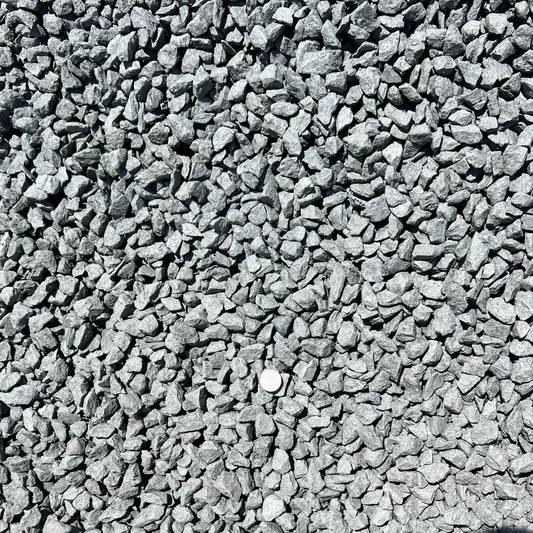
- Central drive: Treated rock salt (Ottr's bulk Rock Salt Treated). Knocks 4-8 inches of snow loose at typical Worcester County temps.
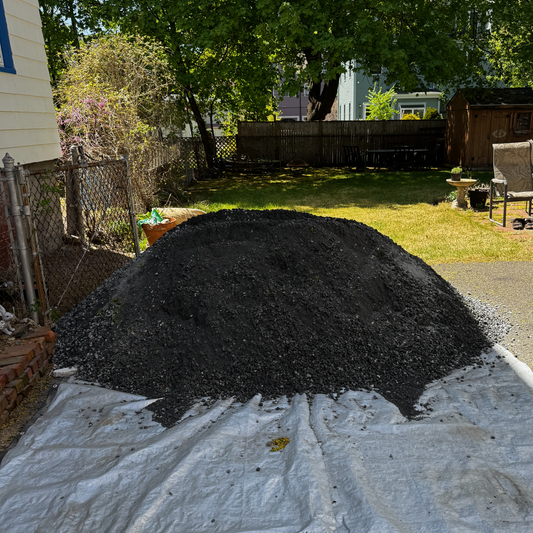
- Lawn-edge strip: Salt-Sand 20/80. One-fifth the chloride load, full traction. See Mixing Your Own Salt-Sand for the blend math.
- Sub-15 degree F nights: Pre-treat the central drive 8 hours before forecast snow with calcium chloride.
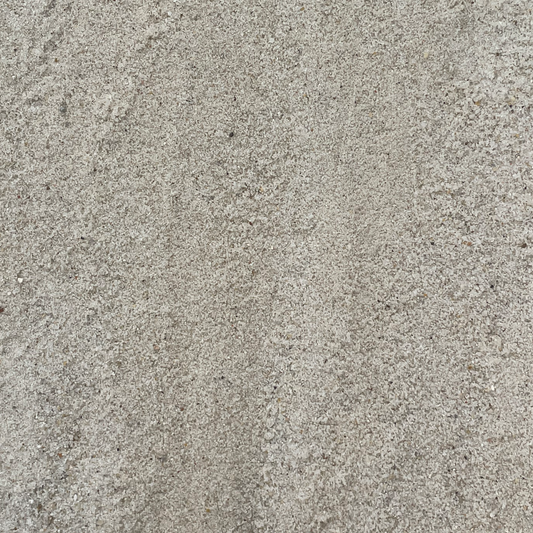
- Bed-adjacent strip: Pure Mason Sand. Zero chemistry; sweep up in spring.
For more on label decoding, see How to Read an Ice Melt Label Step by Step.
Step 4 - Apply at the Right Rate
Residential application rates from EPA Smart Salting and UMass Extension:
- Snow removal: 1/4 to 1/2 pound per square foot.
- Pre-treatment: 1-2 ounces per square foot, applied to dry pavement 4-8 hours before forecast snow.
- A 50-pound bag covers 1,000-2,000 square feet at residential rates. A standard Worcester County two-car driveway is roughly 600 square feet, so one bag handles two to three full applications.
Heavy-handed application damages concrete, kills lawn-edge turf, and runs into stormwater. Lighter is almost always better.
Where to Buy
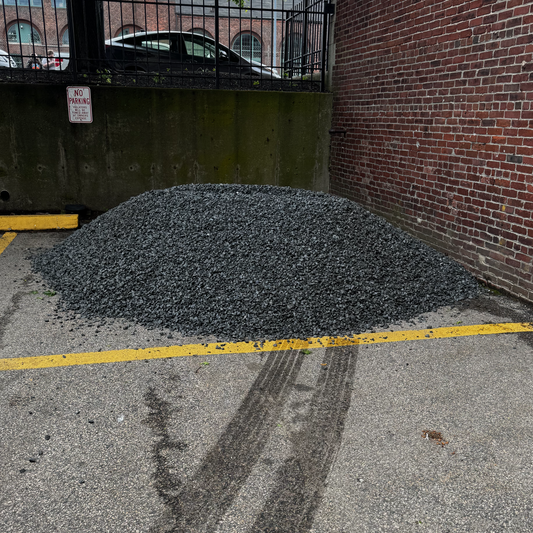
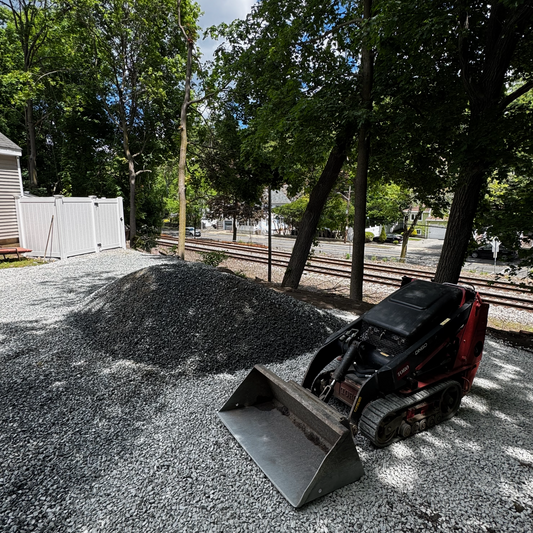
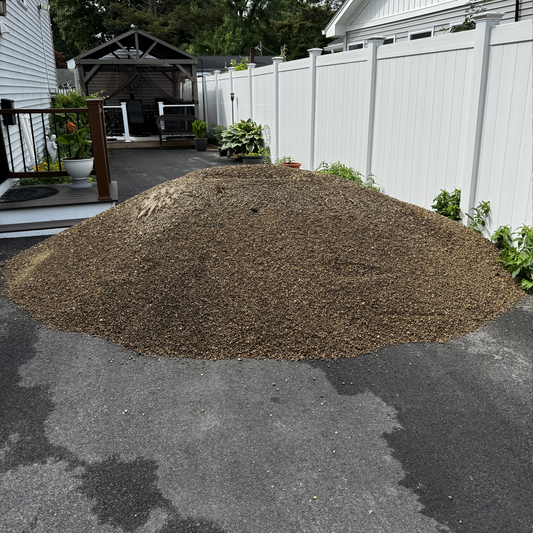
Snow & Ice Management collection carries treated rock salt, untreated rock salt, salt-sand 50/50, and salt-sand 20/80 by the cubic yard. Bulk runs roughly half the per-pound cost of bagged hardware-store ice melt.
For the Worcester County application math at scale, see the January Outlook for Marshfield Soil Conditions for regional weather context, and the 2026 follow-up on building a salt-sand bin in Hyde Park for storage logistics that work the same in Worcester.
For runoff and over-application impact in the Blackstone and Quinapoxet watersheds, the EPA Smart Salting program is the most authoritative source. UMass Extension's Landscape, Nursery & Urban Forestry program covers turf-edge protection.