Quick Answer
Most brown Brockton lawns in June are dormant, not dead. Tug a clump of brown grass: white roots = dormant (recovers with deep water or September rain), brown crumbly roots = dead (reseed September 1–15). Brockton's clay-loam soil holds dormancy water better than sandier South Shore yards, so most Brockton lawns recover on their own without intervention. Cool-season grass survives 4–6 weeks dormant safely.
Why Brockton Lawns Brown Out (And Often Aren't Dead)
Brockton lawns hit dormancy fast in the first 90°F+ stretch, usually mid-to-late June. Cool-season grass — Kentucky bluegrass, fescue, ryegrass — protects itself by browning blades, slowing root growth, and going into suspended animation at the crown.
Per the UMass Turf Program, Brockton's clay-loam soils have a hidden advantage: they hold water deeper in the profile longer than sandy soils. A Brockton lawn that looks dead in late July often greens up faster than a Bridgewater or Plymouth lawn just 10 miles south.
Q: How can I tell if my Brockton lawn is dormant or dead?
A: The tug test. Grab a small clump of brown grass and pull straight up.
- Resistance + white roots visible at the base = dormant. Crown is alive.
- Easy pull, brown crumbly roots, no white tissue = dead. Reseed in September.
Test 5–10 spots — most lawns have a mix. Curb-edge strips are often dead while the back yard is just dormant.
Q: How long can a Brockton lawn stay dormant?
A: 4–6 weeks safely; up to 8 weeks at risk. Crown mortality climbs above 30% past 8 weeks of full drought. Most Brockton Junes deliver at least one ½-inch rain event before the 6-week mark, so most "dead" Brockton lawns are still in the dormant zone.
Q: Will watering revive a dormant Brockton lawn?
A: Yes — 7–14 days for green-up. Deep watering (1 inch in a single overnight run, repeated 4 days later) pushes roots back into action. Don't fertilize a dormant lawn — fertilizer salts pull water out of stressed crowns and convert dormancy to death.
For the recovery playbook, see How to Diagnose Heat Stress on a Plymouth County Lawn — same logic with adjustments for Brockton's heavier clay.
Q: Is Brockton's soil different from sandier MA towns?
A: Yes — clay-loam holds water longer. Brockton sits on glacial-till soils with more clay than sandy Plymouth County. The implication: a dormant Brockton lawn can survive longer with less supplemental water than a Bridgewater or Plymouth lawn. The same drought event that kills a sandy-soil lawn just stresses a Brockton clay lawn.
This also means deep-and-infrequent watering works better than shallow-frequent in Brockton — clay holds the deep water in the root zone for days. See How to Set a Watering Schedule for a Brookline Lawn in June for the matching schedule logic.
Q: Should I reseed dead Brockton patches in June?
A: No. Wait until September 1–15. Summer-seeded Brockton lawns fail 70% of the time — soil temperatures stay above 75°F well into late August, which is too warm for cool-season grass germination. The right move:
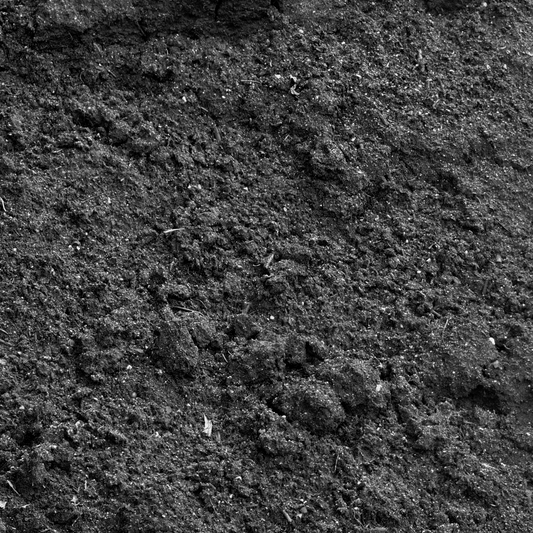
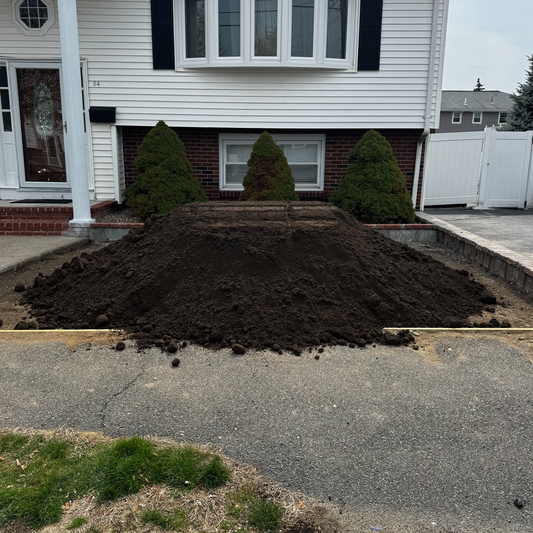
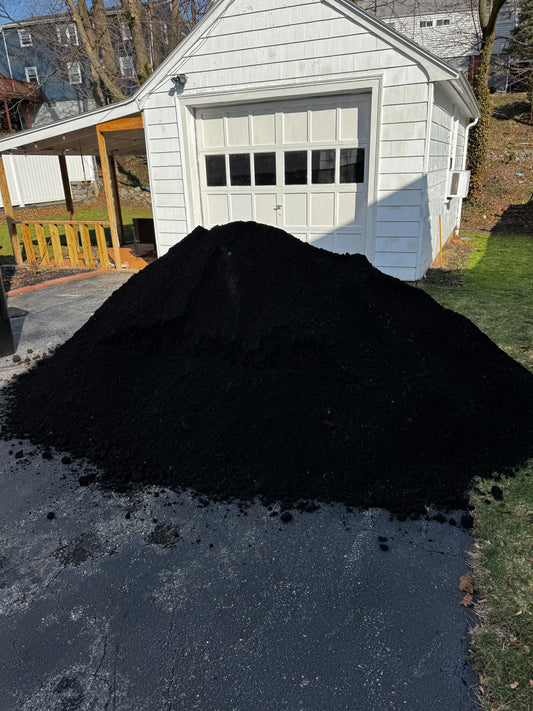
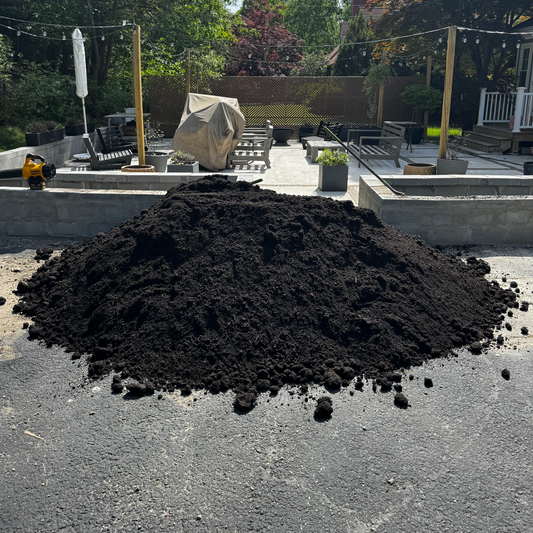
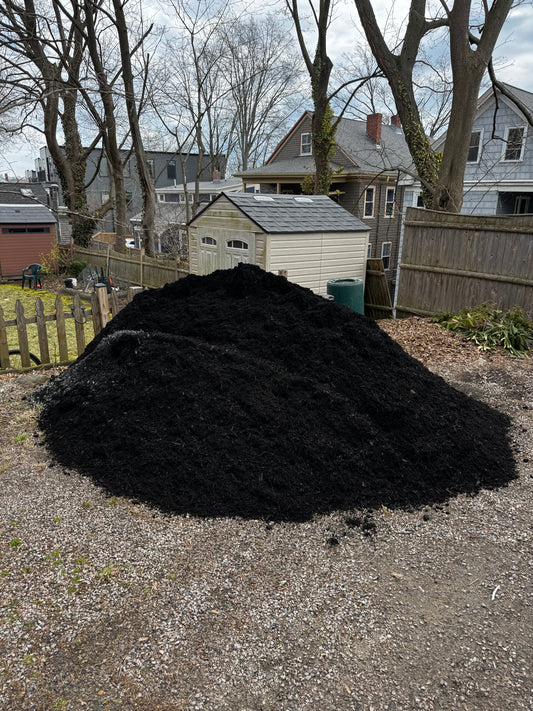
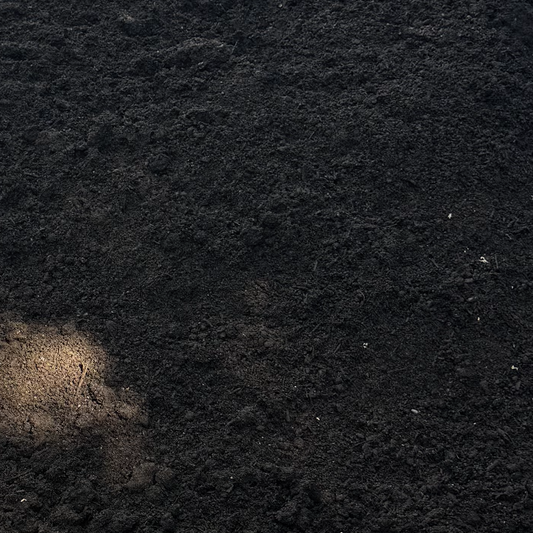
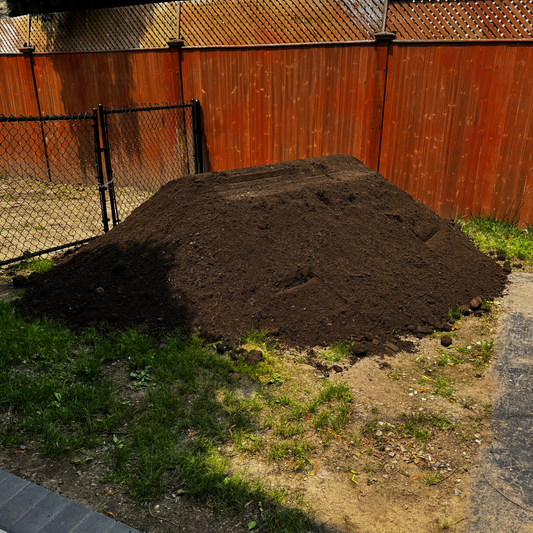
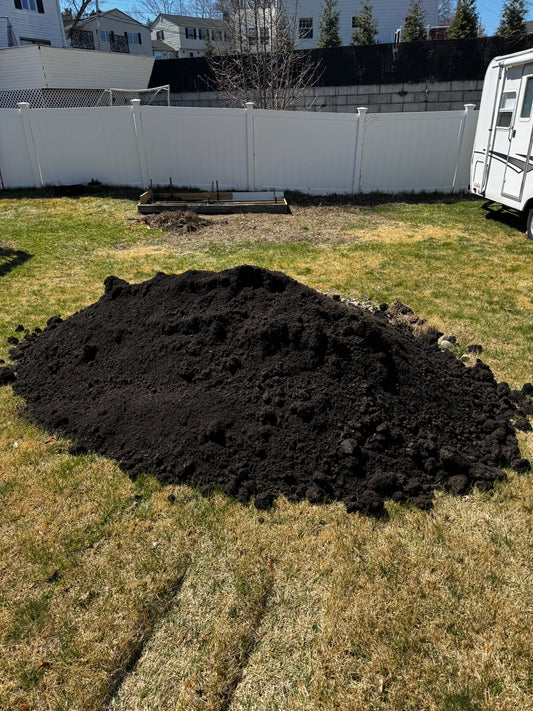
- Top-dress dead patches with ½" of Topsoil Loam ½" Screened + ¼" compost.
- Lightly cover with straw.
- Reseed September 1–15 with a Kentucky bluegrass / fine-fescue mix.
Q: Should I keep mowing a brown Brockton lawn?
A: Stop or raise the deck. Lawn under 1 inch of growth in 2 weeks doesn't need mowing. If you must mow, raise to 3.5–4 inches and skip every other week. Brockton's clay can compact under heavy mower passes during stress — give the lawn a break.
Q: What about the strip along the road that goes brown every summer?
A: That's not just heat — it's heat + winter salt + mower scalp. Brockton city plows salt heavily, and the curb-edge soil carries elevated chloride from January until heavy rains in May leach it. By July, the strip is hammered by heat on top of salt-stressed roots.
The fix is structural:
- Top-dress the strip with ½" topsoil + ¼" compost in April to dilute residual salt.
- Reseed the strip every September with salt-tolerant fine fescue.
- For winter, switch the curb-edge applications to a salt-sand 20/80 blend (see Snow & Ice Management).
Q: Should I embrace summer dormancy in Brockton?
A: Often yes. Letting a Brockton clay lawn go dormant saves 3,000–5,000 gallons of water per month, costs nothing, and the lawn returns in fall looking the same as the watered neighbors. Brockton clay handles dormancy better than sandy soils — there's no ecological penalty.
Q: What does a dead Brockton lawn look like under the brown?
A: Crumbly gray-tan crowns at the soil line. Pull a clump and look at the crown (the growth point right at the soil line). Healthy dormant crowns are firm, white, slightly moist. Dead crowns are gray-tan, dry, crumble between your fingers.
If 80%+ of crowns in a section are dead, that section needs full reseeding in September. If it's 30–60%, top-dress and overseed lightly.
The Recovery Playbook for Brockton Lawns
- June: Tug-test the lawn. Map dormant vs. dead zones. Photograph for August comparison.
- June–July: Light maintenance water (½ inch every 3 weeks) on dormant zones, OR full deep watering schedule (1.25" weekly split) if you want the lawn green.
- August: Order overseed materials. See Plan for the September Reseed window — Medford playbook applies in Brockton.
- September 1–15: Top-dress, overseed dead patches, water 14 days.
Browse lawn leveling and repair and Brockton landscape supply for delivery scheduling. For matching summer guidance, see 5 Drought-Prep Steps for Bridgewater Yards Before June.
The short version: tug-test before you panic. Brockton's clay is a feature, not a bug. Dormant is fine; dead waits for September.