Quick Answer
A Plymouth County lawn is in heat stress when footprints stay visible 30 minutes after walking, blades turn blue-gray (not green, not brown), and a screwdriver won't push past 2 inches into dry soil. The fix is 1 inch of water in a single deep watering, repeated 4 days later, then back to a normal schedule. Diagnosis takes 15 minutes; recovery takes 7–10 days.
Why Plymouth County Lawns Hit Heat Stress First
Cool-season grasses — Kentucky bluegrass, fescue, ryegrass — go into stress mode at sustained 85°F+ soil temperatures. Plymouth County's sandy-loam soils heat faster than Newton's clay soils, and irrigated lawns near pavement (Plymouth Center, Kingston, Halifax driveways) hit stress 3–4 days before shaded yards.
Per the UMass Turf Program, correctly diagnosing stress vs. dormancy vs. damage is the difference between a lawn that recovers in a week and one that needs reseeding in fall.
Step 1: The Footprint Test (1 minute)
At 4 p.m. — the hottest part of the day — walk across a section of lawn. Wait 30 minutes. Come back.
- Blades sprung back, no footprint visible: healthy.
- Footprint still visible: lawn is in early heat stress. Cells in the leaf blades have lost turgor pressure and can't right themselves.
- Footprint visible AND blades blue-gray: advanced stress. Recovery action needed today.
This is the single most diagnostic-fast test. Do it before any other.
Step 2: Blade Color Triage (3 minutes)
Pull a few blades from different areas. Compare:
- Bright green: healthy.
- Blue-gray (waxy sheen): active heat stress. Lawn is alive but suffering.
- Straw-yellow, blade still flexible: dormant. Lawn has shut down to survive — alive at the crown, will green up with cool temps and rain.
- Brown, crisp, breaks when bent: dying or dead. Crown may not recover.
Most Plymouth County June problems are blue-gray (early stress) or straw-yellow (early dormancy). Both are recoverable with the right water. For the dormant-vs-dead split, see Is My Brockton Lawn Dormant or Dead?.
Step 3: Soil Probe (2 minutes)
Push a long screwdriver straight down into the lawn. In healthy soil after watering, it should slide 6+ inches with one push. If it stops at 2–3 inches, soil is bone dry — water hasn't penetrated past the thatch layer in days.
In Plymouth County's sandy soils, this is the most common failure mode. Surface watering for 10 minutes daily wets only the top inch and roots never go deep enough to find moisture during stress.
Step 4: Set the Recovery Watering
The recovery schedule, not your normal schedule:
- Day 1: 1 inch of water in a single overnight or pre-dawn run. Use a tuna can to verify depth. Spray heads typically need 30–35 minutes.
- Day 4: Repeat — 1 inch in a single run.
- Day 8 onward: Return to normal 1.5 inches per week split into two runs.
Deep watering pushes roots back down. Frequent shallow watering keeps roots at the surface where they re-stress in the next 90°F day.
When You Need More Than Water
If the lawn doesn't green up after 7–10 days of correct watering, two other causes:
- Soil compaction. A core aeration in fall fixes this. Mark the lawn now.
- Thatch over ½ inch. Same fall fix — dethatch + overseed.
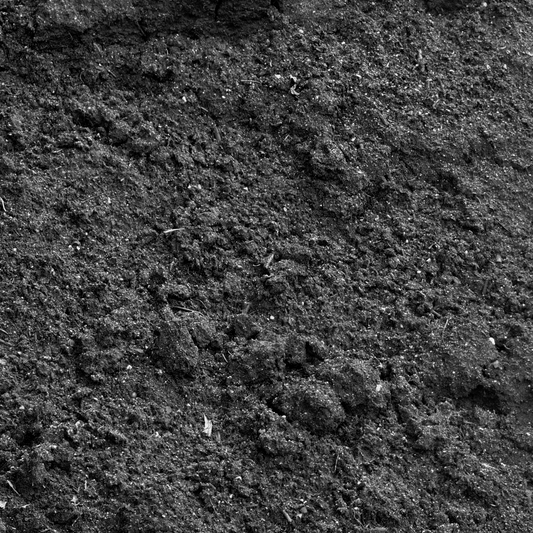
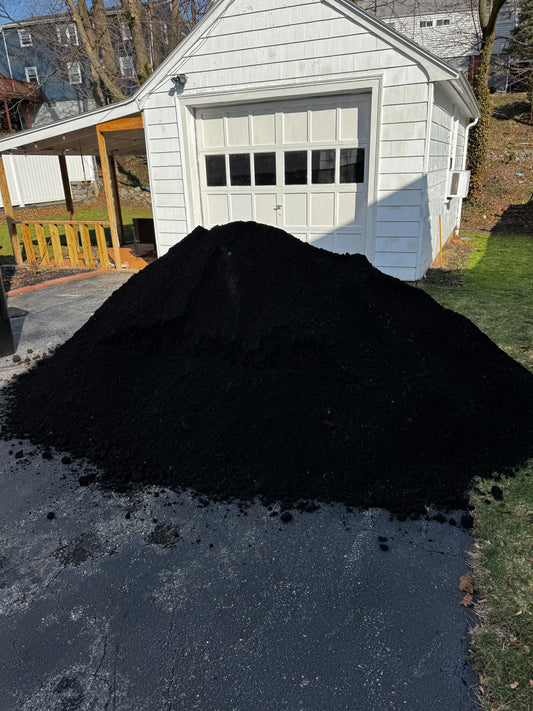
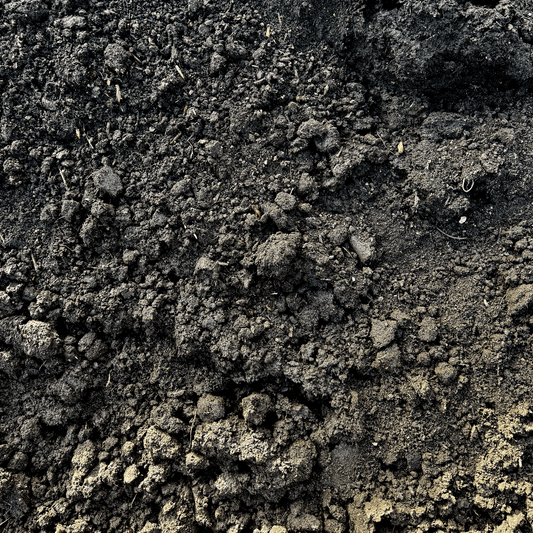
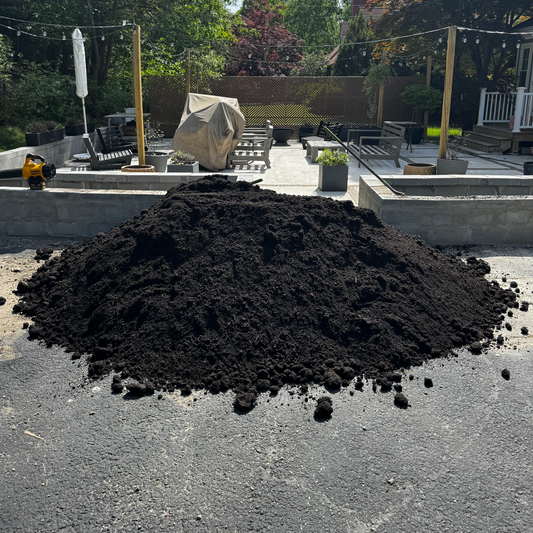
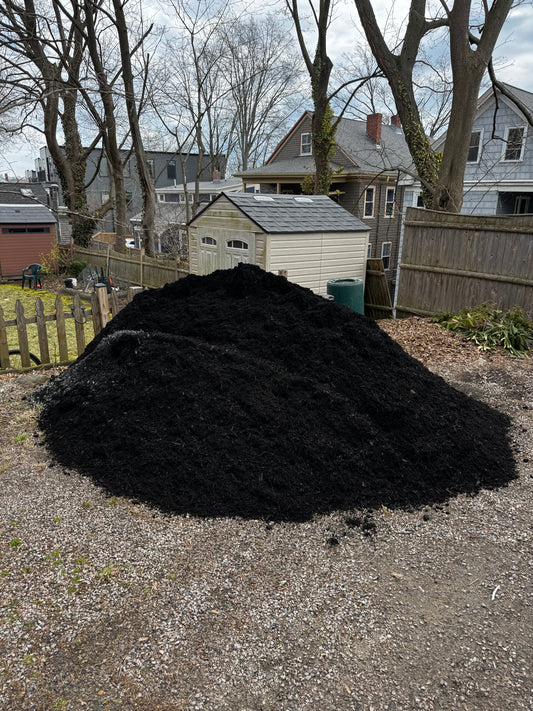
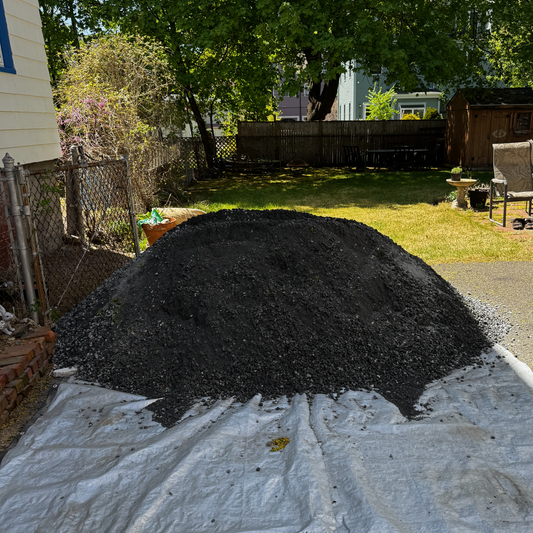
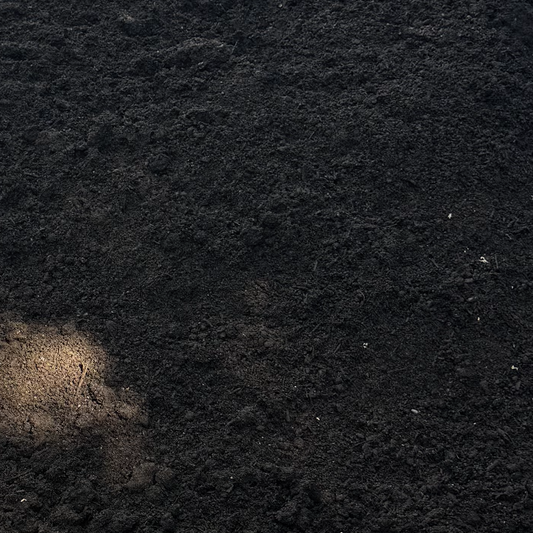
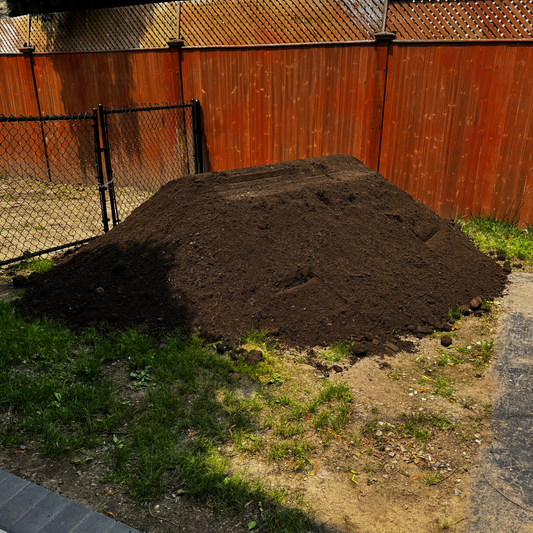
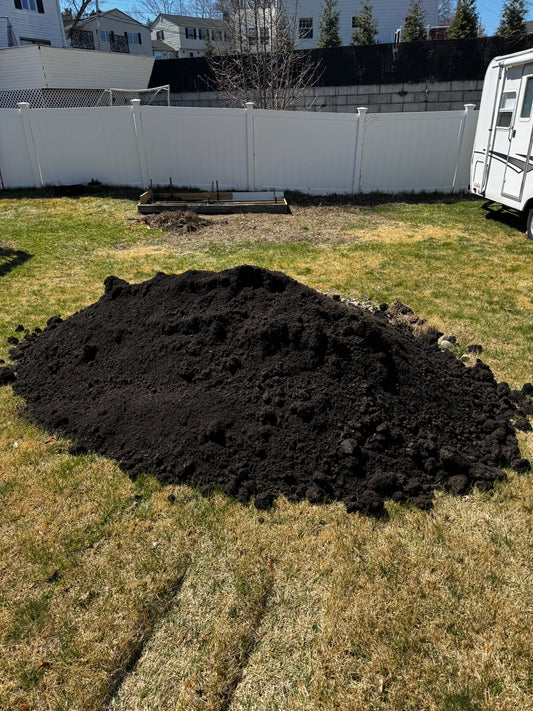
For thin areas that won't recover, top-dress with Topsoil Loam ½" Screened and a ¼" of compost. Reseed in early September after Plymouth County temperatures drop.
What You'll Need from Ottr
- Topsoil Loam ½" Screened — top-dress thin areas (½ cubic yard per 1,000 sq ft)
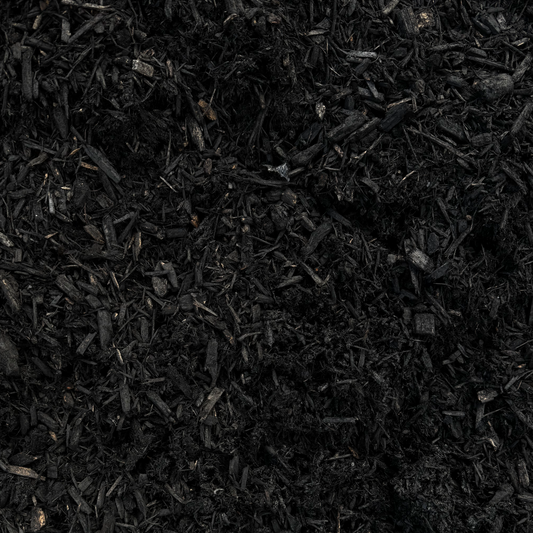
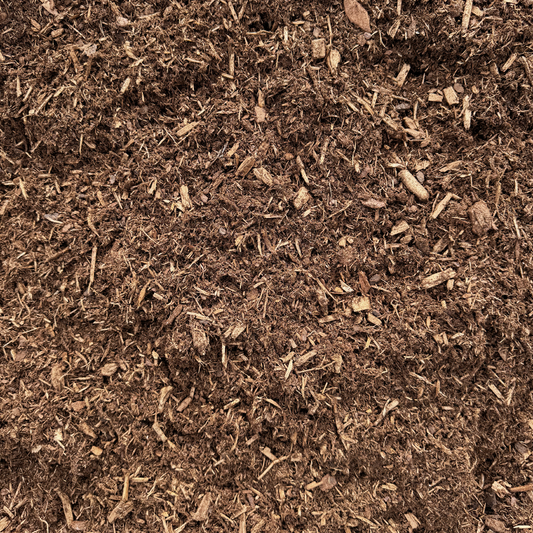
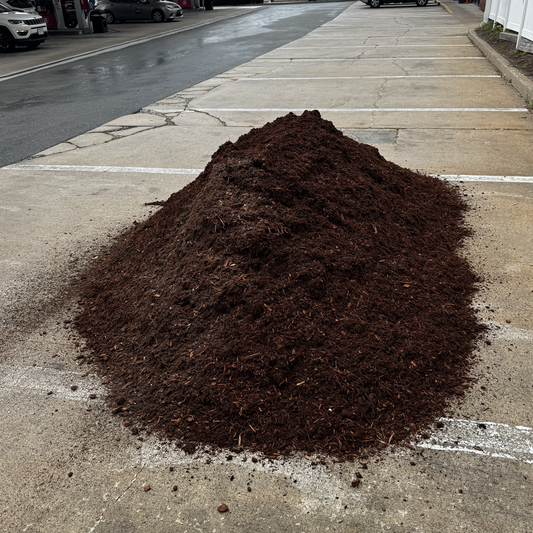
- Compost — ¼" layer to feed soil biology
Browse lawn leveling and repair and Plymouth County landscape supply for delivery.
For the matching irrigation playbook, see How to Audit a Sprinkler System Before Plymouth County's Summer Heat and How to Set a Watering Schedule for a Brookline Lawn in June.
The short version: footprint test, blade color, screwdriver probe, deep recovery water. 15 minutes of diagnosis saves a season.