Quick Answer
A Plymouth County sprinkler audit takes 90 minutes and three tools: six tuna cans per zone, a $12 hose-bib pressure gauge, and marking flags. Run each zone 15 minutes, measure water in the cans (target 0.4 inches per 15 minutes for spray heads, 0.15 inches for rotors), check pressure (30–50 psi at the bib), and replace any nozzle that's clogged or off-pattern. Do it before June 15 — ahead of the first 90°F stretch.
Why June 1 Is the Right Day
Plymouth County summers run hot from late June through mid-August, with multi-day stretches above 88°F that put cool-season lawns into stress fast. A system that ran fine in May at 65°F and 1.5 inches of rain a week is suddenly the only water source. If a head is clogged, a zone is misadjusted, or pressure is low, you find out in early July when half the lawn is straw-yellow.
Catch the problems now while there's time to fix them.
Step 1: Walk Every Zone (15 min)
Pull up your controller. Run zone 1 for 2 minutes. Walk the zone with marking flags and tag every head — you want a count, plus any head that's not popping up, leaking at the riser, or spraying onto siding instead of turf. Repeat for each zone. Most Plymouth County yards have 4–7 zones.
Tag the controller box with current zone counts. You'd be surprised how many homeowners discover heads they didn't know existed.
Step 2: Catch-Can Test (45 min)
The single most useful sprinkler-audit step. Place 6 empty tuna cans across one zone — corners, middle, edge near the head, far edge. Run that zone for 15 minutes. Measure water depth in each can with a ruler.
Target output per 15 minutes: - Spray heads (fixed pattern): 0.35–0.45 inches - Rotor heads (rotating stream): 0.12–0.18 inches - MP rotators (matched precipitation): 0.10–0.15 inches
If your spread between cans is more than 25%, the zone is uneven — heads need re-aiming or replacement. The USEPA WaterSense irrigation audit guide has the full math. Repeat for each zone — this is the heart of the audit.
Step 3: Pressure Check (10 min)
A $12 hose-bib pressure gauge tells you if the system has enough push. Thread it onto the bib closest to the irrigation manifold. With one zone running, read the gauge.
Target: 30–50 psi. Below 30, the heads spray weakly and coverage is patchy. Above 60, mist forms and most of the water blows away in afternoon wind. If you're outside the range, adjust the pressure regulator at the manifold (or call an irrigation tech if there isn't one — adding a regulator pays off in 1–2 seasons of water savings).
Step 4: Adjust Heads (15 min)
Walk the system one more time. For each tagged head:
- Off-pattern: rotate the nozzle to spray turf, not driveway or siding.
- Sunken: lift and re-set so the top sits 1/4 inch above grade.
- Clogged: unscrew nozzle, rinse, swap if cracked.
- Leaning: straighten — saucered turf around a tilted head wastes 20% of output.
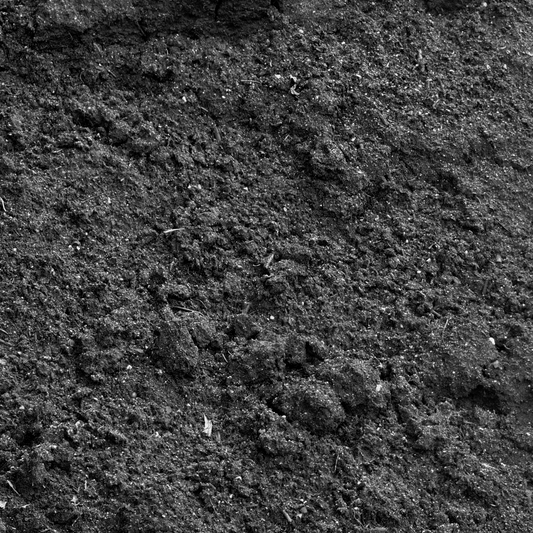
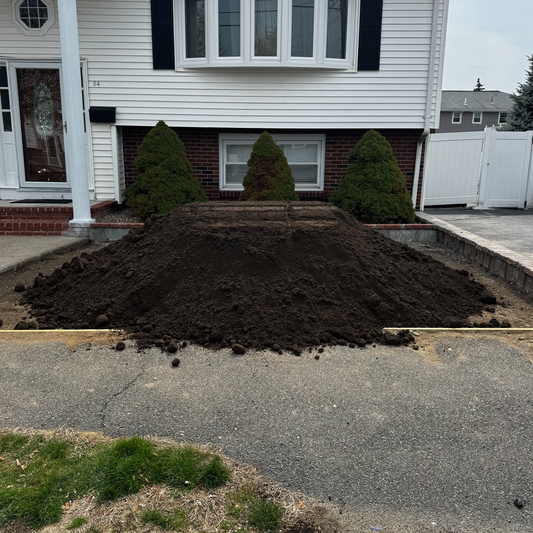
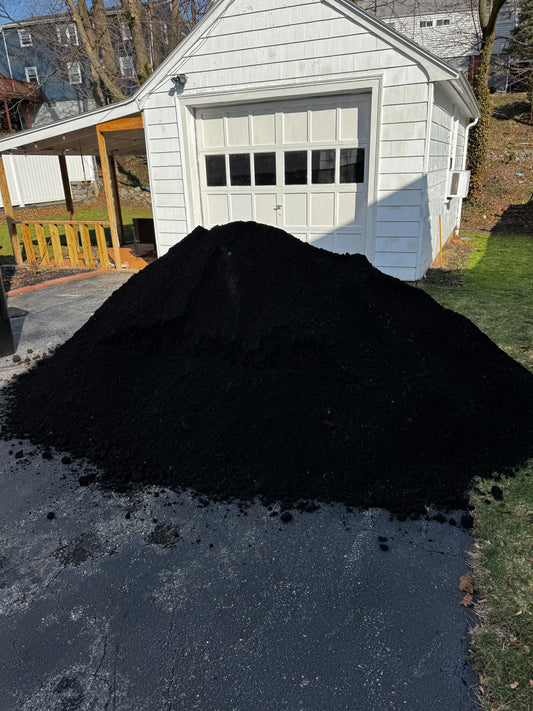
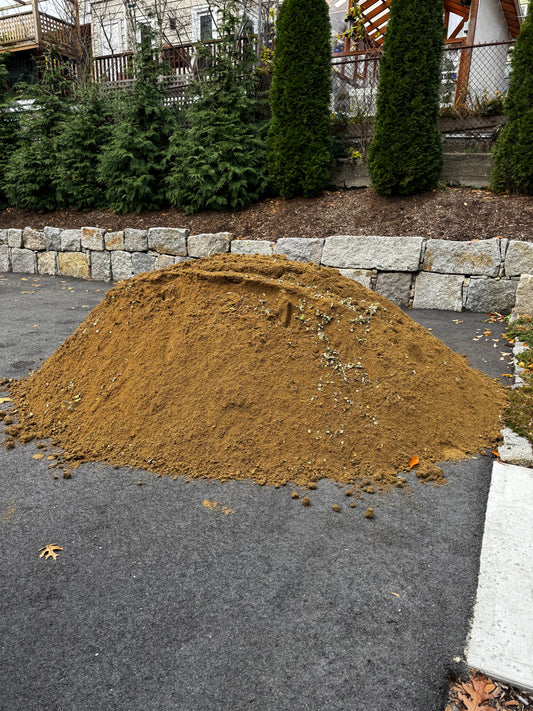
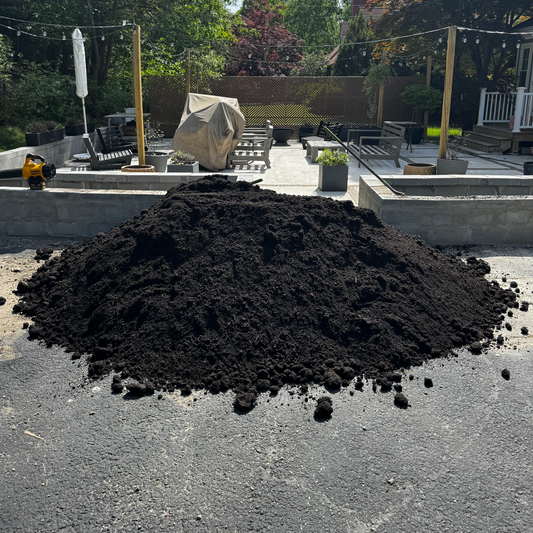
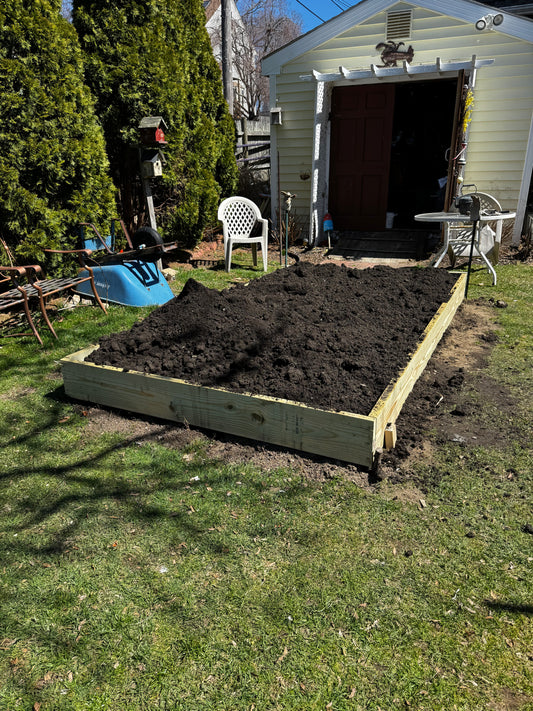
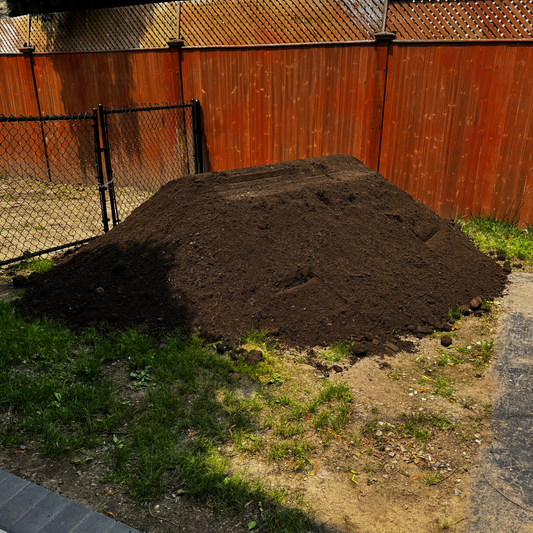
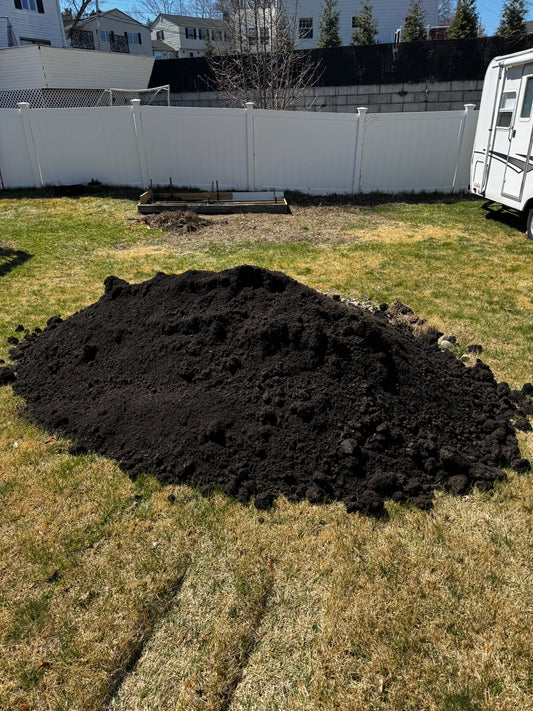
For sunken or saucered heads, top-dress the surrounding turf with Topsoil Loam ½" Screened — half a cubic yard covers most repairs around a typical 5-zone Plymouth County system. Browse lawn leveling and repair for the full material set.
Step 5: Set the Summer Schedule
Once the audit is done, set the summer schedule. Plymouth County cool-season lawns need 1 to 1.5 inches per week total — including rainfall. Most spray-head zones cover that with two 20-minute runs per week; rotor zones need 35–40 minutes per run. Run before 7 a.m. to minimize evaporation.
For the full June schedule logic, see How to Set a Watering Schedule for a Brookline Lawn in June — same math applies in Plymouth County.
What You'll Need from Ottr
- Topsoil Loam ½" Screened — for low-spot fill around heads (~½ yd typical)
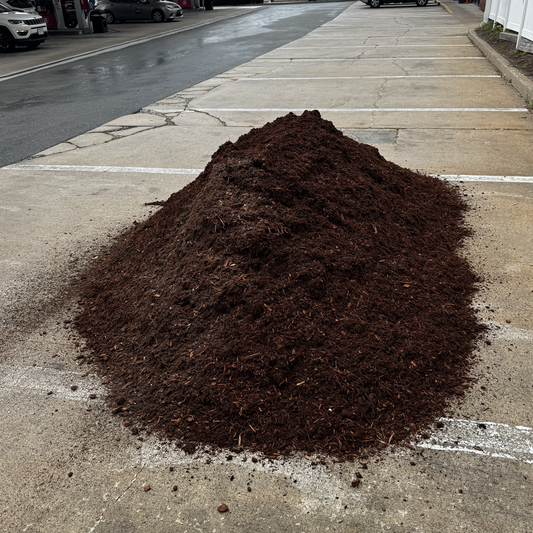
- Compost — top-dress with ¼" if any zones run on tired soil
Browse the full lawn leveling and repair collection for delivery in Plymouth County. Ottr delivers across Plymouth County landscape supply routes including Plymouth, Kingston, Halifax, and Middleborough.
For the broader summer-prep playbook, see Garden Install Add-Ons for Norwell Landscape Crews and our June soggy yard Q&A.
The short version: 90 minutes, six tuna cans, a $12 gauge. Do it before the first 90°F stretch hits.