Quick Answer
A Worcester County yard stays soggy in summer for one of three reasons: heavy glacial-till clay soil drains slowly (most common), a perched water table sits 18–36 inches down (clay layer trapping water), or downspouts and surface grading dump water onto the wet zone (the easiest to fix). Solve the source first — French drain, dry well, downspout extension, or rain garden — then improve soil structure with compost top-dress. Don't just add topsoil over a wet clay bowl; you'll make it worse.
Why Worcester County Stays Wet
Worcester County's geology is the wettest of any inland MA county. Glacial-till soils with high clay fractions, hardpan layers 2–4 ft below grade, and abundant springs throughout the central and western towns make for slow-draining residential yards.
Per EPA Stormwater Management, Worcester County yards generate disproportionate residential stormwater runoff per acre versus drier-soil counties like Plymouth or Cape Cod. Eight common causes, eight matching fixes.
Q: Why is my Worcester County yard still soggy after the rain stopped?
A: Heavy clay soil with poor structure holds water for days. Glacial-till clay has microscopic platelets that pack tightly when wet — water has nowhere to go. After a 1-inch rain, a sandy Cape Cod yard is dry in 4 hours; a Worcester clay yard might stay soggy 48–72 hours.
The fix isn't more sand — adding sand to clay makes concrete-like soil. Improve structure with compost top-dress annually plus core aeration in fall. The compost adds organic matter that builds soil aggregates, which open up drainage pores. Over 3 seasons, infiltration improves measurably.
Q: What's a perched water table?
A: A clay or hardpan layer 1–4 feet below grade that traps water on top. Worcester County yards frequently have perched water tables. The yard looks dry on the surface — but dig 6 inches and you hit saturated soil. The water has nowhere to go because the clay layer below acts like a swimming pool liner.
The diagnostic test: dig a 24-inch test hole in the wet area in dry weather, fill with water, time how fast it drains. Under 4 inches per hour = you have perched water. The fix is a French drain that intercepts the water at the perched layer depth and routes it to daylight.
For French drain engineering, see How to Trench a French Drain in a Boston Backyard — depth specs adjust based on perched-table depth.
Q: Are my downspouts dumping at the foundation?
A: Most likely yes — and that's the easiest fix. Walk the perimeter during the next rain. Any downspout that discharges within 6 ft of the foundation is dumping 600+ gallons per inch of rain right where you don't want it.
Easy fix: extend each downspout to at least 10 ft from the foundation with rigid PVC, terminating in a stone-filled bed or pop-up emitter. Cost: $80–150 per downspout. Time: 1 hour each.
For the engineering, see Top 5 Drainage Solutions for Newton Properties — solution #4 covers extensions.
Q: Could heavy foot traffic compaction be the cause?
A: Yes — and it's underdiagnosed. Path-style wet zones (a strip across the lawn from gate to shed, or driveway to back door) are almost always foot-traffic compaction. Compacted soil drains 5x slower than aerated soil because the soil pore structure has been crushed.
The fix: core aerate twice in 2 seasons, top-dress with ½" compost each time. The cores create channels for water to enter, the compost adds biology that maintains the channels. After 2 years, the wet path zone usually resolves.
Q: Will more topsoil fix a soggy lawn?
A: No — and it often makes the problem worse. Adding topsoil over saturated clay creates a "wet bowl" effect: the new topsoil drains, but the water perches at the topsoil/clay interface, leaving the new layer soggier than the original.
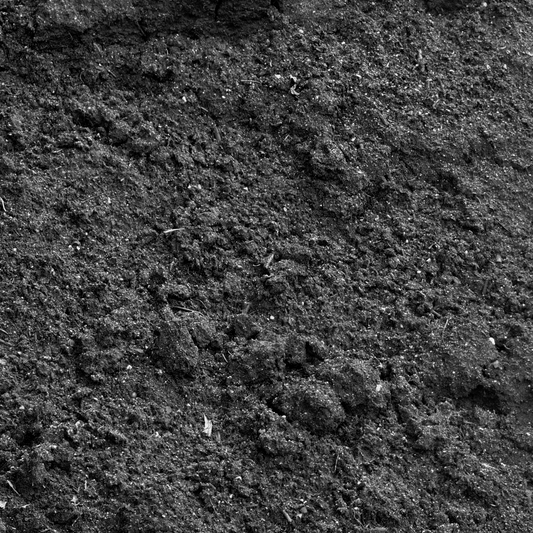
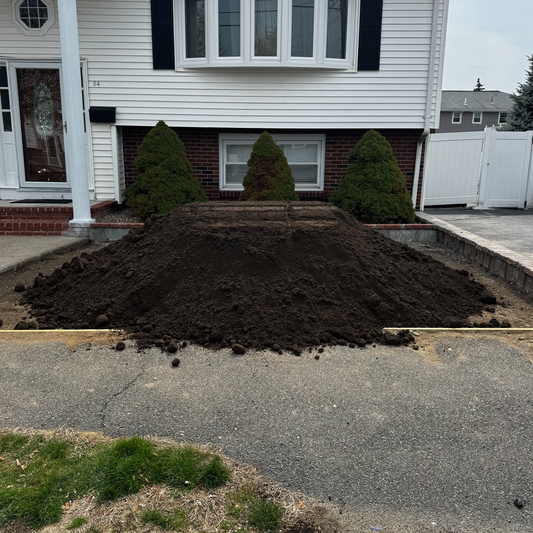
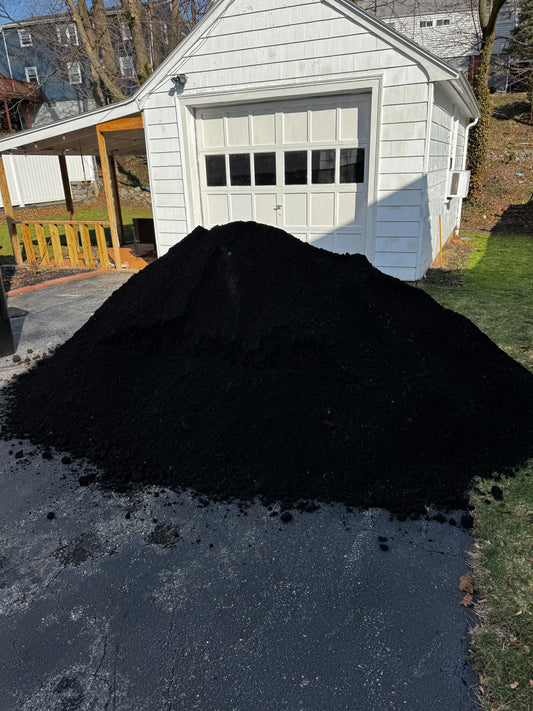
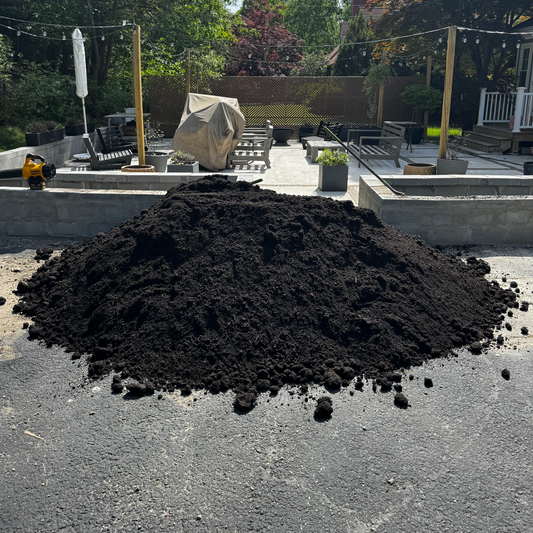
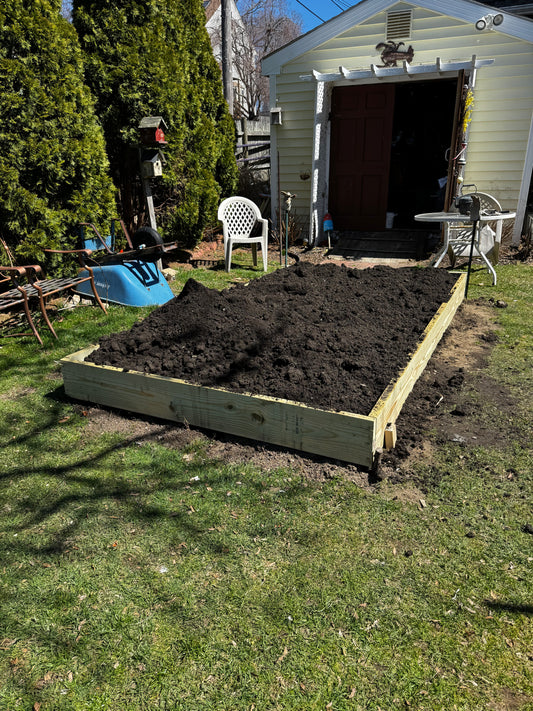
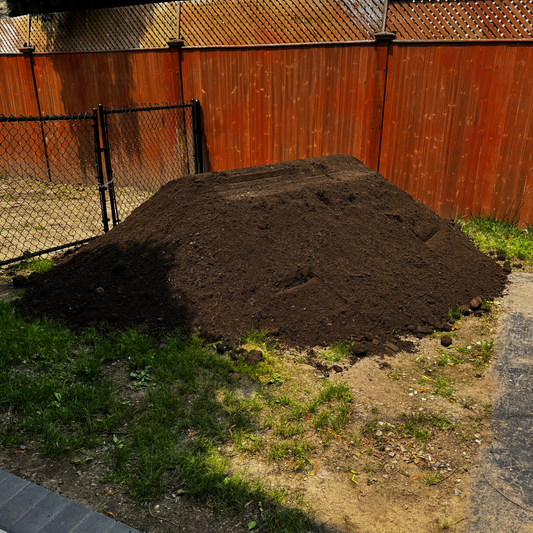
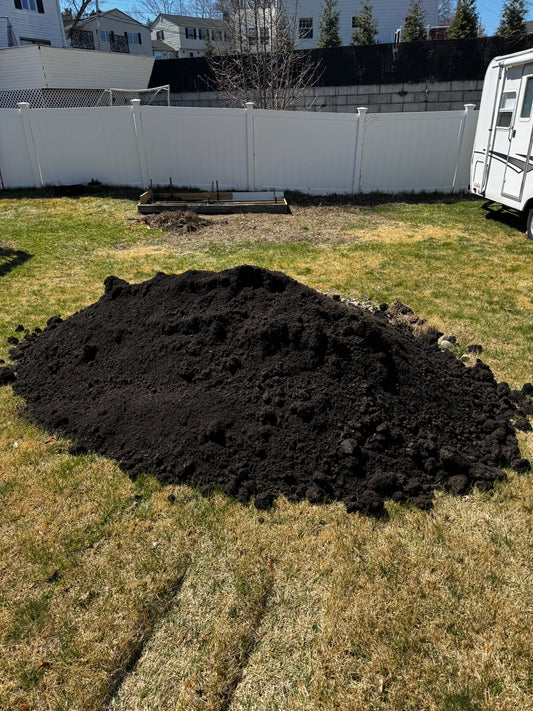
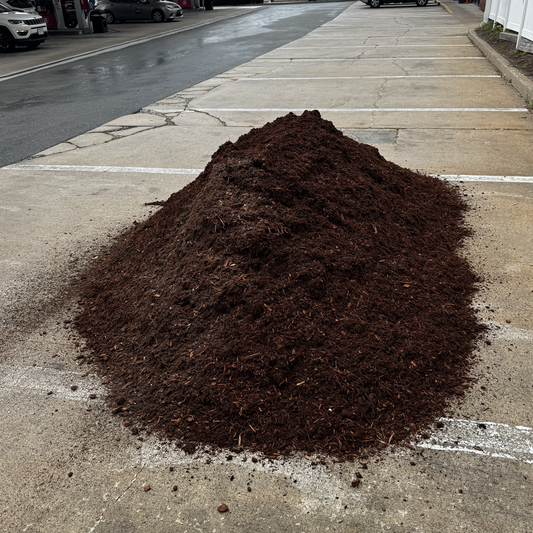
The right sequence: 1. Solve the drainage source (downspouts, French drain, dry well). 2. Wait one full rainy season to confirm dryness. 3. THEN top-dress with Topsoil Loam ½" Screened to fix grade. 4. Reseed.
Q: Is summer the right time to fix drainage?
A: Yes — better than spring or fall. Dry summer trenches dig 30% faster than wet spring trenches. No winter freeze interferes. And you can see exactly where water pools by running a hose for 10 minutes during a dry day — the soggy patterns map cleanly.
Best window in Worcester County: late June through August, after the spring rains and before fall.
Q: Should I call a contractor or DIY?
A: DIY for runs under 30 linear feet and depths under 18". Contractor for: - Foundation drains (deep, near structure) - Multiple downspout tie-ins (planning + permitting matters) - Any work near utilities (Worcester County has older water/gas lines) - Driveway crossings (require careful base restoration)
For DIY pricing math, see Pricing French Drain Jobs in Belmont: Lin-Ft Worksheet — Worcester County rates run 5–10% lower on labor but similar on materials.
Q: How do I know my fix worked?
A: After a 1+ inch rain event, the soggy zone should drain within 12 hours. That's the diagnostic. Track it for two summer rain events in a row. If still wet 48 hours later, the fix is undersized — usually trench length or depth.
The Worcester County Soggy-Yard Decision Tree
- Walk the yard during a rain. Map exactly where water pools and where it comes from.
- Check downspouts first. Cheapest fix, often solves 60% of the problem.
- Test for perched water. Dig a 24" hole, fill with water, time drainage.
- Pick the matching fix. Extension, French drain, dry well, swale, or rain garden.
- Wait one rainy season before adding any topsoil.
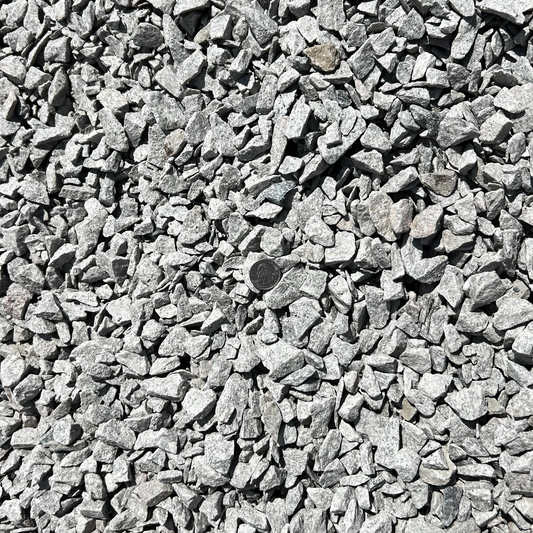
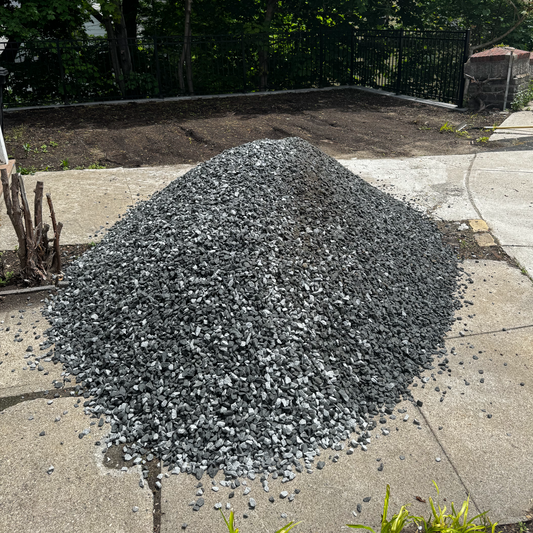
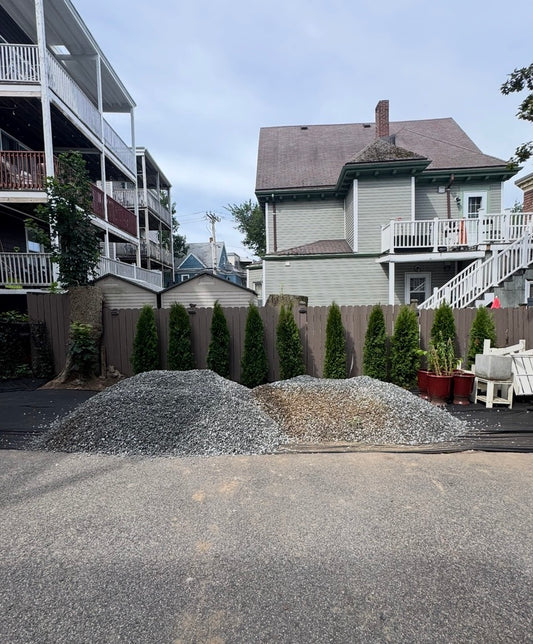
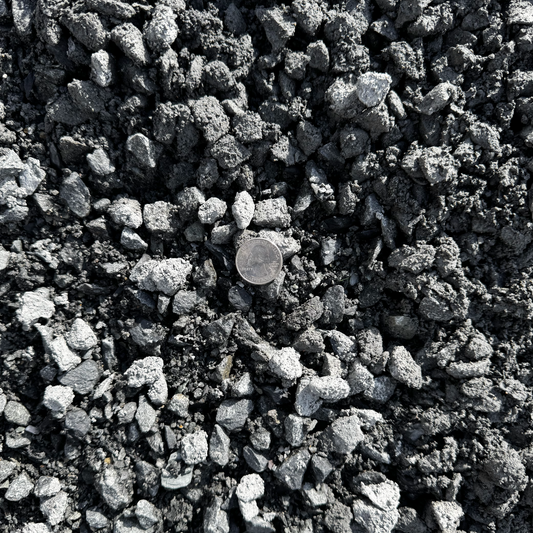
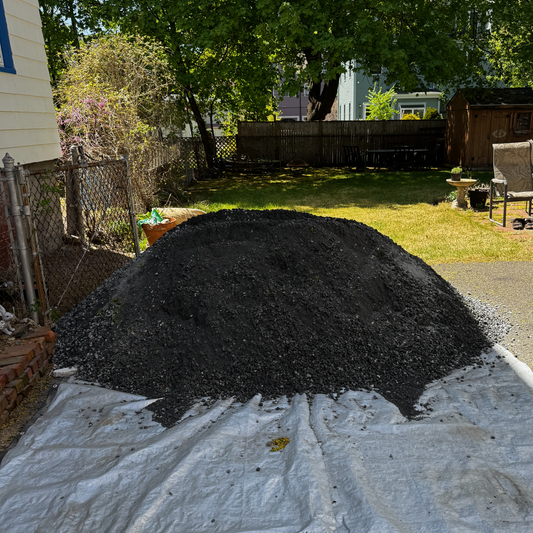
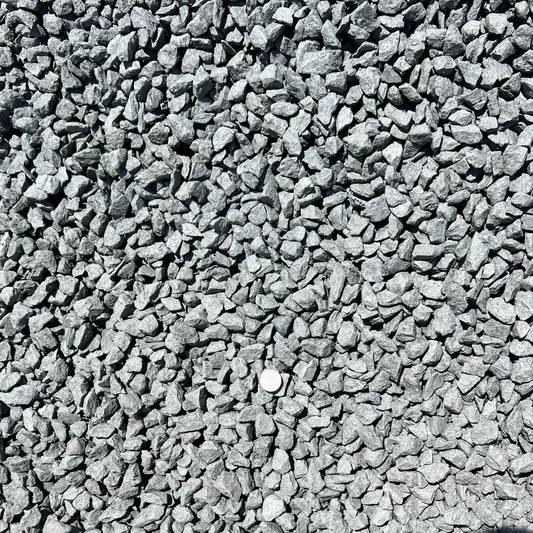
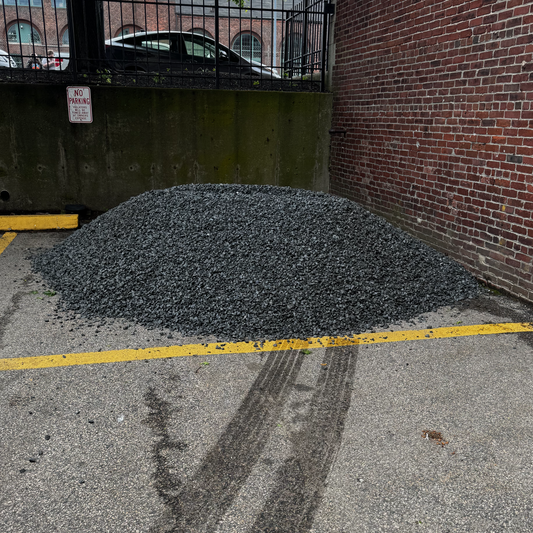
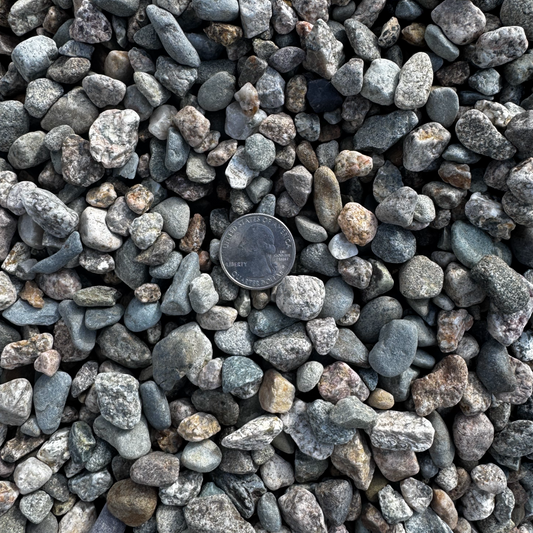
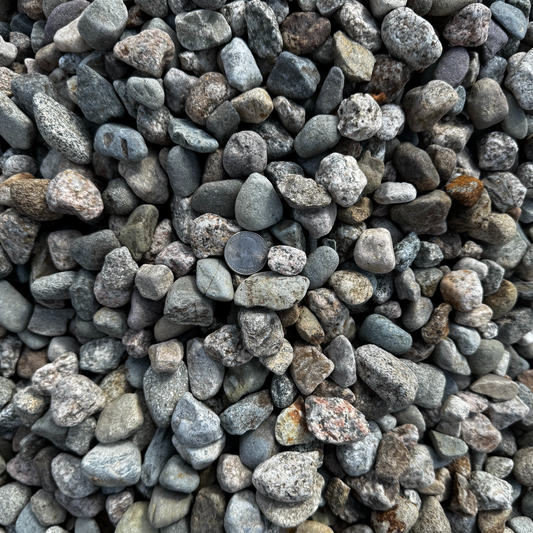
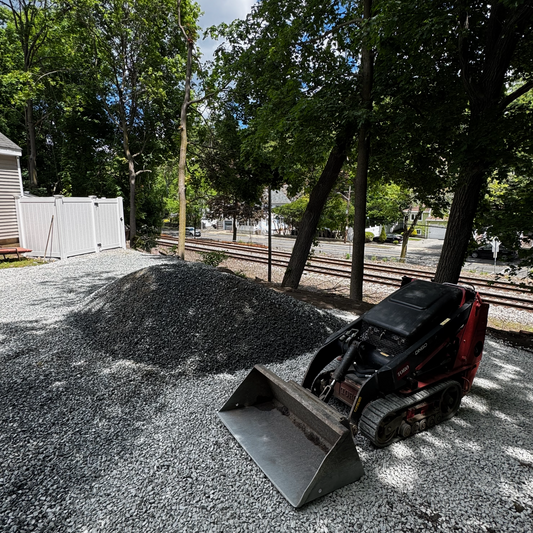
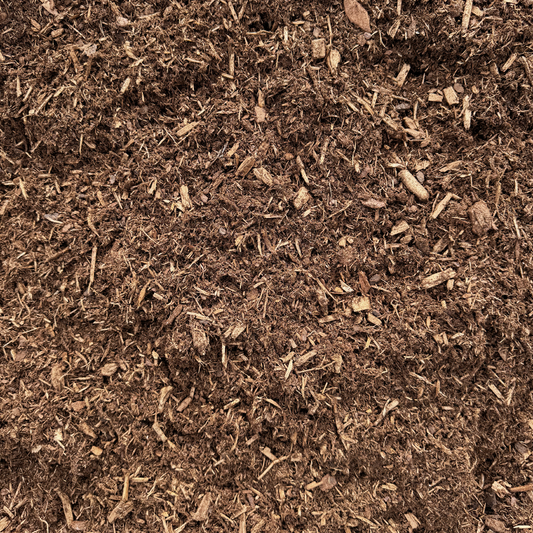
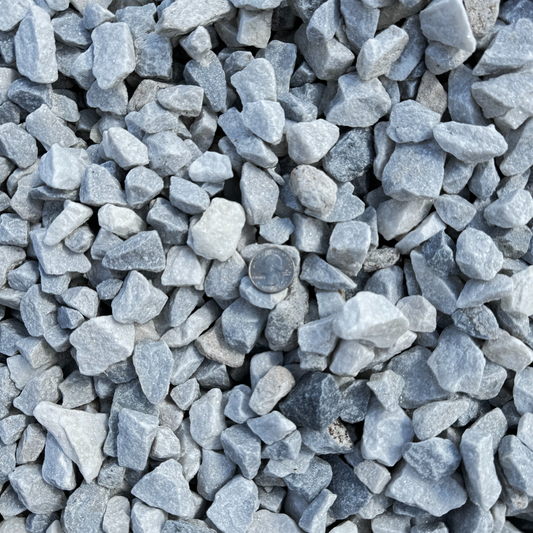
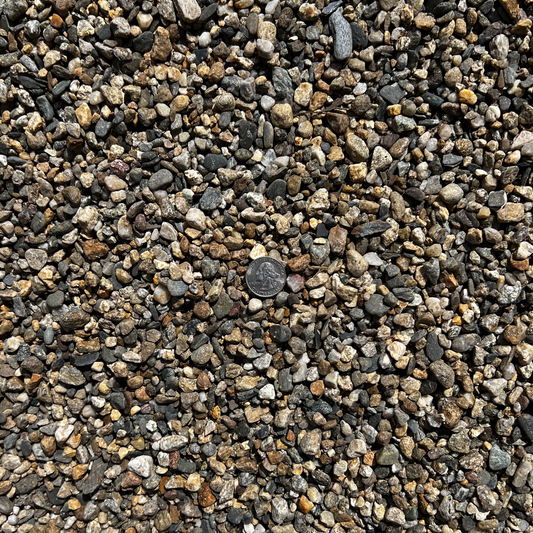
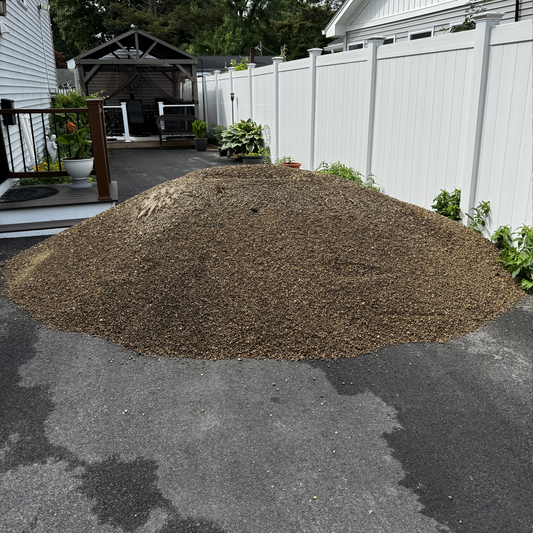
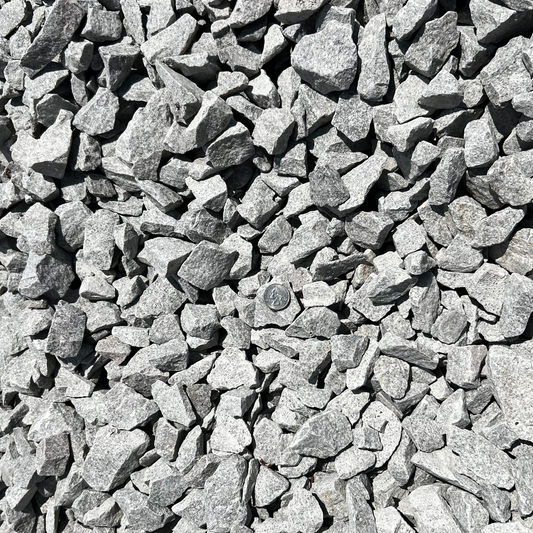
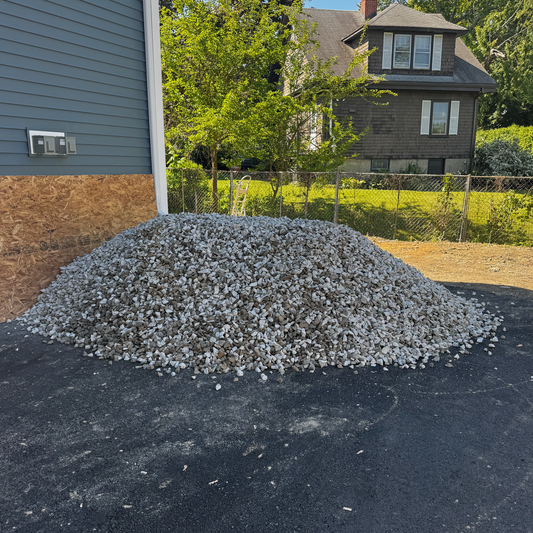
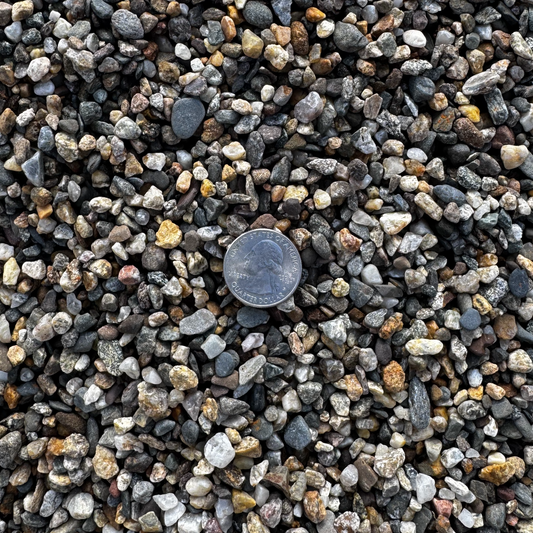
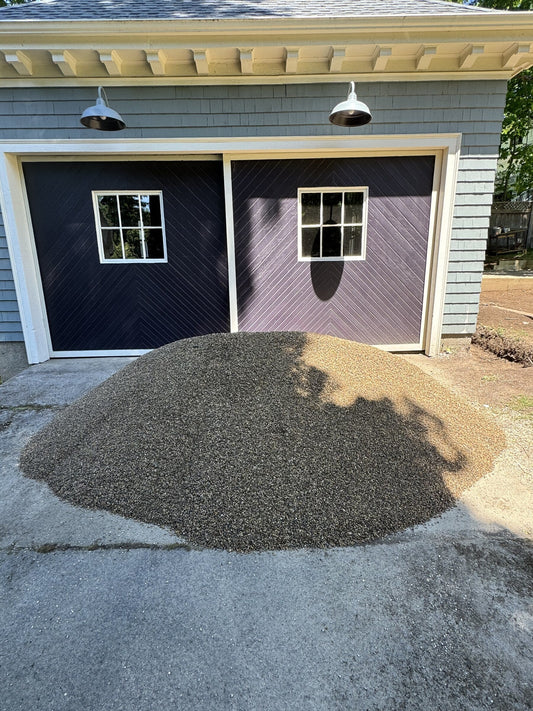
Browse French drain & drainage and crushed stone for the bulk materials. For the matching low-spot guidance, see 5 Low-Spot Lawn Fixes for Middlesex County Yards.
The short version: clay holds water, downspouts make it worse, perched tables trap it. Solve the source, wait a season, then top-dress. Worcester County yards drain — they just need the right intervention.