Quick Answer
The five Middlesex County low-spot fixes, ranked by depth of problem: shallow top-dress (under 2" sunken — top with screened loam, reseed); incremental fill over 2 seasons (2–4" sunken — half now, half next spring); French drain tie-in (saturated low spot — solve drainage, then fill); regrade with bobcat (large depression, 4"+); swale conversion (low spot is a natural drainage channel — make it functional). Pick by depth and water behavior, not aesthetics.
Why Middlesex County Yards Get Low Spots
Middlesex County — Cambridge, Somerville, Newton, Lexington, Waltham, Medford, Belmont, Watertown — has the oldest housing stock in the Boston metro and the most settled, reworked, regraded yards in eastern MA. The lows happen for three reasons:
- Settling fill from the original house build — old fill compacts over 40+ years.
- Buried debris decomposing — stumps, brush, construction rubble buried during the build.
- Low spots that always existed — natural drainage channels homeowners ignored.
Per the UMass Turf Program, correctly identifying which type of low spot you have determines whether the fix is a $50 weekend or a $500 contractor visit.
Fix 1: Shallow Top-Dress (Under 2" Sunken)
The Middlesex County DIY default. For sunken areas under 2" deep:
- Strip the existing turf with a sod cutter or sharp spade.
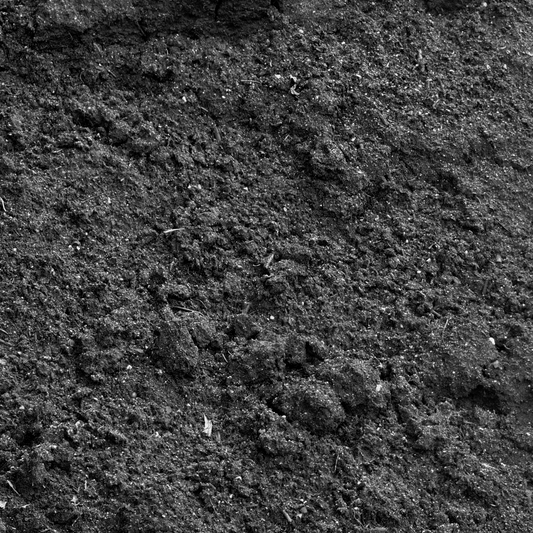
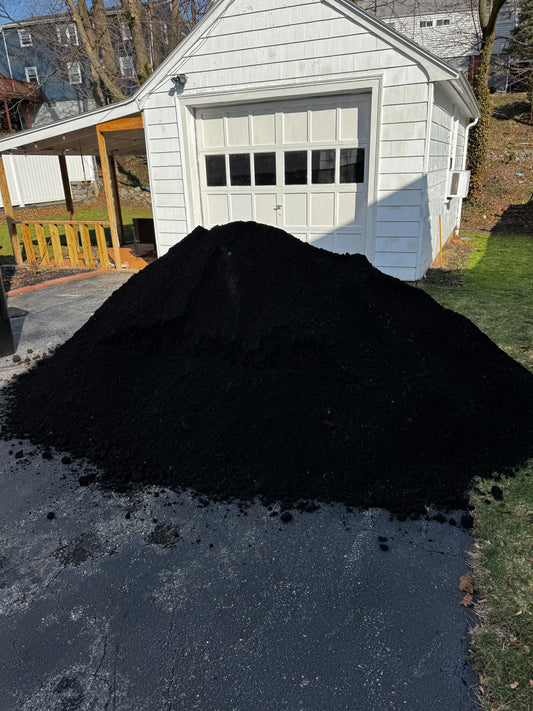
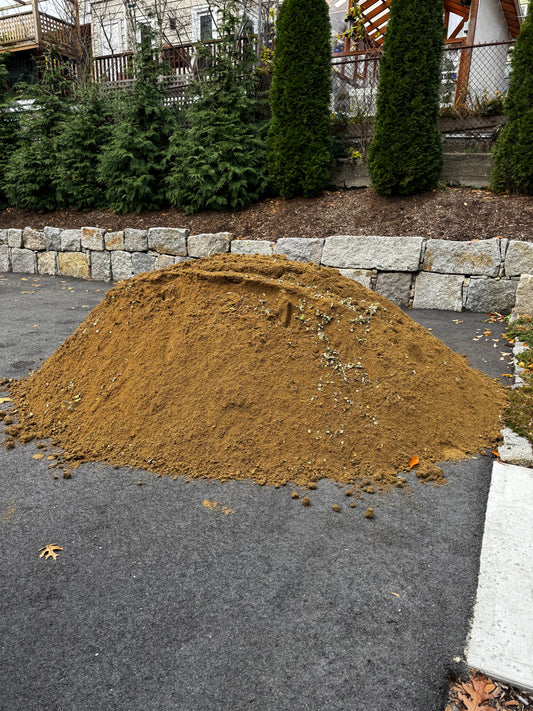
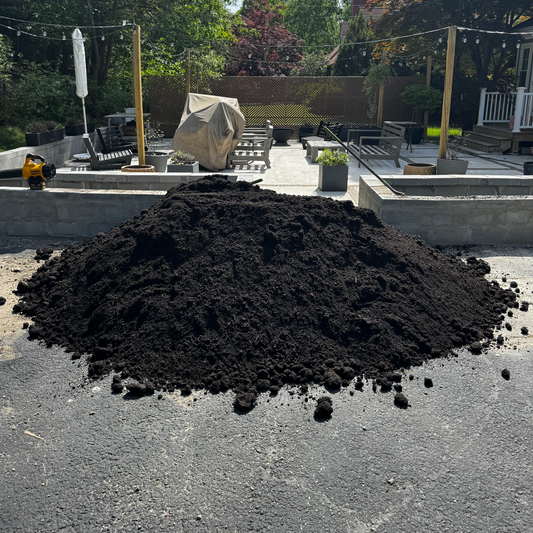
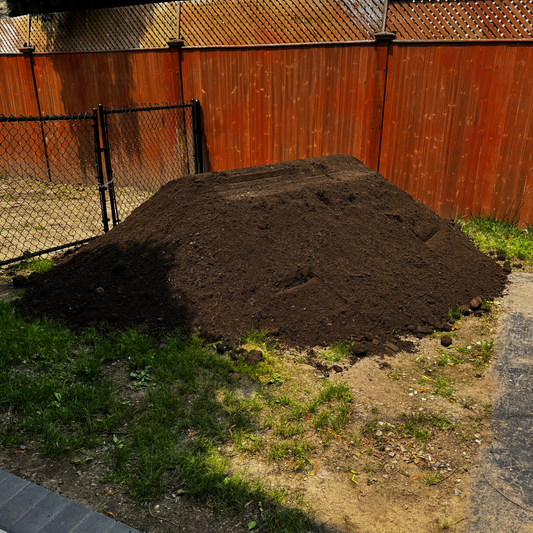
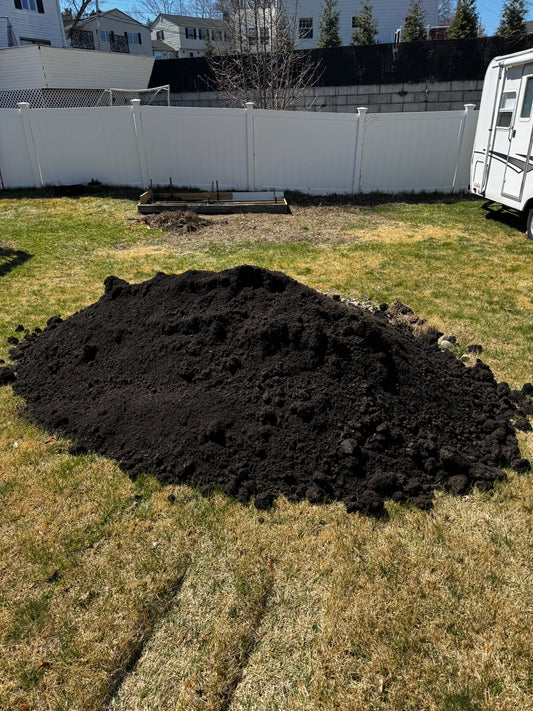
- Top-dress with ¾–1.5 cubic yards of Topsoil Loam ½" Screened (depending on area).
- Rake to grade.
- Reseed with the matching grass type (Kentucky bluegrass + fine fescue mix for most Middlesex lawns).
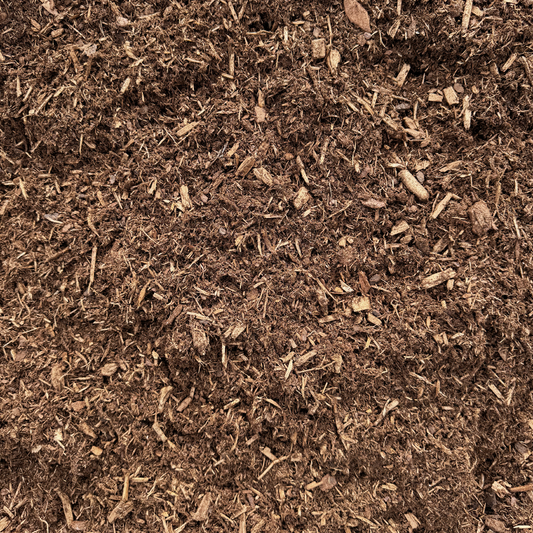
- Top-dress with ¼" compost.
- Water 2x daily for 14 days.
Cost: $80–150 in materials. Time: 4 hours. When: Best done late August through mid-September for cool-season germination. Doing it now means watering 14 days through summer heat.
Fix 2: Incremental Fill Over 2 Seasons (2–4" Sunken)
For deeper sinks where a single fill would smother the existing lawn. Cool-season grass dies under more than 1.5–2" of fill at once.
The 2-season method:
- Year 1, June: Top-dress 1" of screened loam over the existing turf. Existing grass grows up through it.
- Year 1, September: Top-dress another 1". Reseed any thin spots.
- Year 2, June: Top-dress final 1–2" if still sunken. Reseed.
Cost: Half the cost of a contractor regrade. Time: 2 hours per top-dress.
This is the right move for most Middlesex County 2–4" sinks where the homeowner doesn't want the disruption of a full regrade.
Fix 3: French Drain Tie-In (Saturated Low Spot)
When the low spot is wet, not just sunken. Filling a wet low spot with topsoil creates a wet bowl in the soil profile — water perches on the underlying clay and the new fill stays soggy.
The right move:
- Install a French drain (or dry well, depending on layout) to remove the water source.
- Wait one full rainy season to confirm dryness.
- Then fill with topsoil and reseed.
For the engineering, see Top 5 Drainage Solutions for Newton Properties and How to Trench a French Drain in a Boston Backyard.
Cost: $1,500–3,500 depending on length. Time: 1–2 days. Worth it on persistent sogginess.
Fix 4: Regrade with Bobcat (4"+ Depression)
For depressions deeper than 4" or larger than 200 sq ft. Manual top-dressing won't work — too much volume, too risky to existing turf.
The contractor regrade:
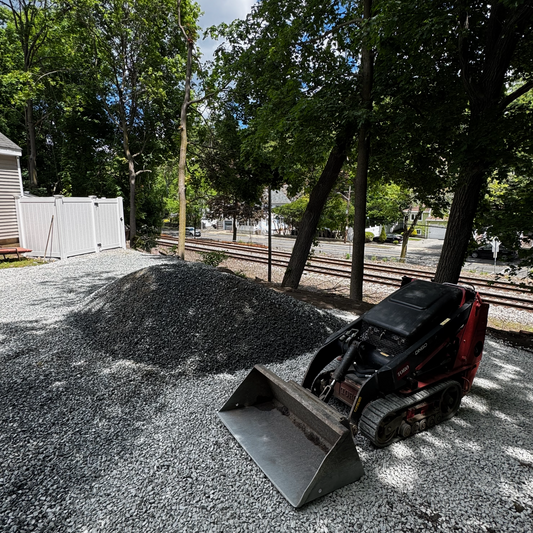
- Bobcat strips existing turf.
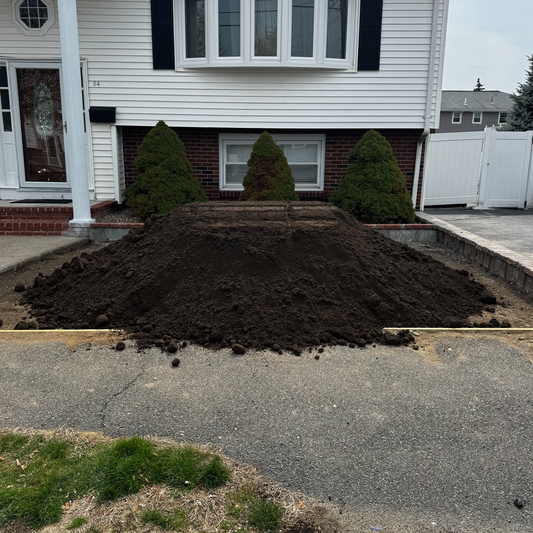
- Bring in 3–8 cubic yards of fill loam.
- Compact in 2" lifts.
- Top with 2" of Topsoil Loam ½" Screened.
- Reseed September.
Cost: $1,200–3,000 for a contractor regrade. Time: 1–2 days.
When to call a contractor: if you can fit a 5-gallon bucket fully in the low spot, call.
Fix 5: Swale Conversion (Natural Drainage Channel)
When the low spot is actually doing a job. Some Middlesex County lows are doing real drainage work — collecting water from the back yard and routing it across the lawn to the street.
Filling these creates worse problems. Instead:
- Convert the low to a proper grass swale — uniform shape, 18–24" wide, 4–6" deep.
- Top-dress with screened loam to fix grade.
- Reseed with fine fescue (handles wet feet better than bluegrass).
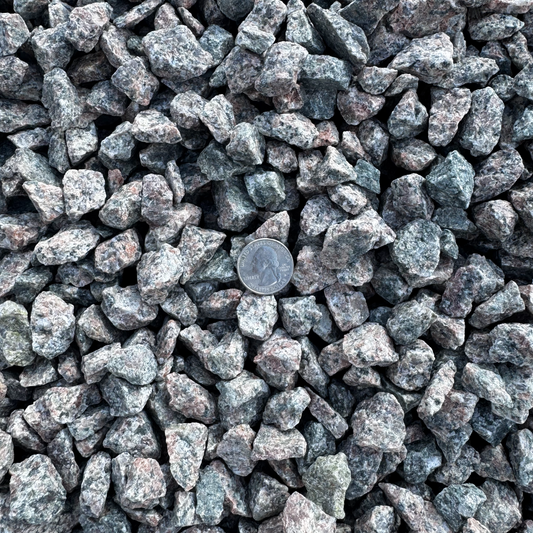
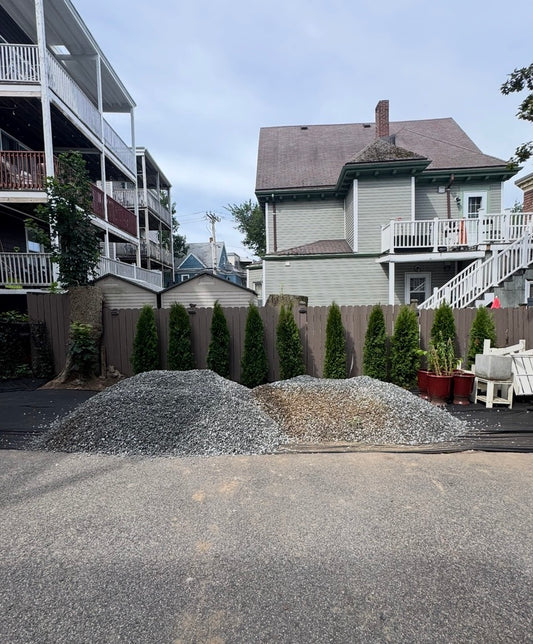
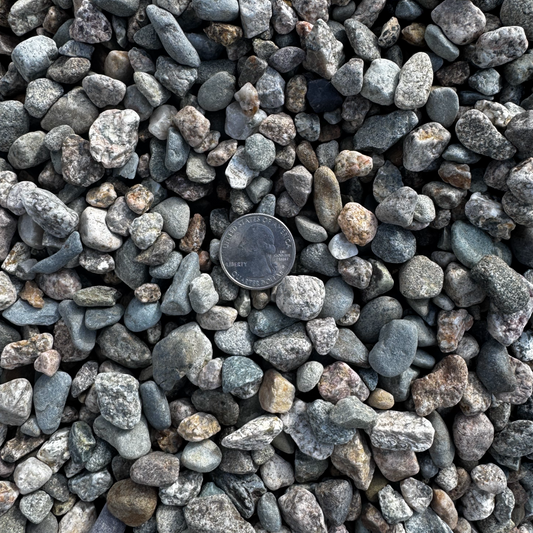
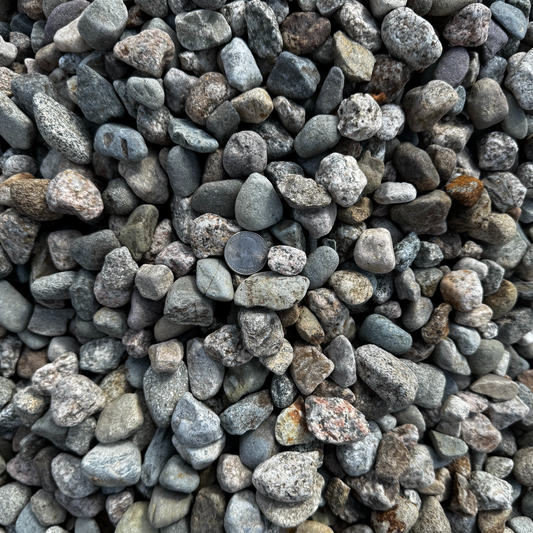
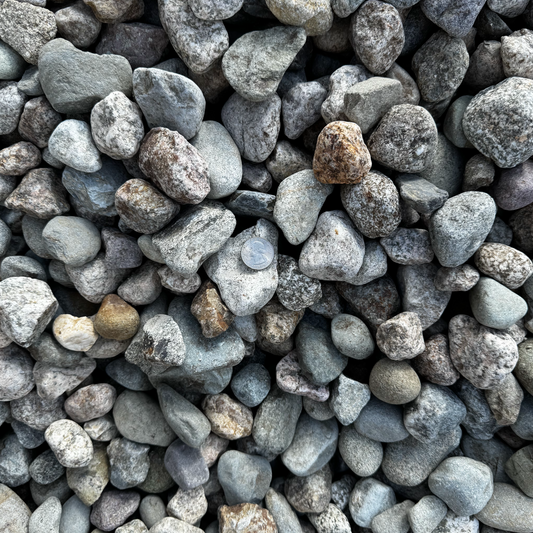
- Optionally line with stone for the wettest sections.
For the materials, see the lawn leveling and repair collection. For the swale-as-drainage-fix logic, see Top 5 Drainage Solutions for Newton Properties.
How to Pick
The decision tree:
- Under 2" sunken, dry? Fix 1 (shallow top-dress).
- 2–4" sunken, dry? Fix 2 (incremental over 2 seasons).
- Any depth, wet? Fix 3 first (drainage), then fix 1 or 2.
- 4"+ depression, large area? Fix 4 (contractor regrade).
- Low spot moves water across the yard? Fix 5 (convert to swale).
What You'll Need from Ottr
For the typical 200 sq ft Middlesex County low spot top-dress:
- Topsoil Loam ½" Screened: 1 cubic yard
- Compost: 0.5 cubic yard
- Grass seed (KBG + fescue): 5 lbs
Browse lawn leveling and repair for the bulk materials. Middlesex County deliveries via the full Ottr catalog.
For the matching playbook, see Why Is My Worcester County Yard Still Soggy in Summer?.
The short version: top-dress shallow, incremental medium, drain wet, regrade big, convert if it moves water. Five fixes, picked by depth and behavior.