Quick Answer
Winter-protection mulch in a Middlesex County bed goes on AFTER first hard freeze (not before — counter to most homeowner instinct), at 2–3 inches deep, held back 2 inches from plant crowns and tree trunks, with shredded hardwood as the default material. The job of winter mulch is to lock soil temperature and prevent freeze-thaw heave, not insulate warmth. Done right, marginal perennials make it through winter; done wrong, mulch traps moisture and rots crowns.
Why Timing Is Counter-Intuitive
Most homeowners apply winter mulch in October before freeze, thinking they're keeping plants warm. The right move is the opposite: wait until the ground freezes, then mulch to keep it frozen. Pre-freeze mulch insulates warm soil that fluctuates with November–December temperature swings, driving more heave cycles. Post-freeze mulch locks the freeze in.
In Middlesex County (Cambridge, Newton, Lexington, Belmont, Arlington, Watertown, Medford, Somerville), first hard freeze typically lands November 8–18. The right winter-mulch window is November 15 to December 5.
For the perennial-by-perennial Q&A, see Should I Mulch My Boston Perennials Before Winter?. For the broader strategy menu, see Top 5 Pre-Winter Mulch Strategies for Plymouth County Yards.
Step 1 — Wait for First Hard Freeze
A "hard freeze" means overnight low at or below 28°F for 4+ hours. Soil starts to freeze at the surface; perennial growth fully shuts down.
Use the National Weather Service Boston forecast to track. After two consecutive nights below 28°F, the freeze is set. Apply mulch within the next 7–10 days.
For pre-freeze appearance top-ups (different job, different timing), see Step 1 of Top 5 Pre-Winter Mulch Strategies for Plymouth County Yards.
Step 2 — Cut Back Perennials First
Cut spent perennials to 4 inches:
- Hostas, daylilies, peonies, salvia, bee balm — yes, cut
- Coneflower, black-eyed Susan, ornamental grasses — leave seed heads up for songbirds and texture
- Hellebore, heuchera, semi-evergreen perennials — leave foliage; it's still photosynthesizing
Bag any disease-flagged material; don't compost it. Don't bag native seed heads — they're forage and texture.
Step 3 — Apply 2–3 Inches
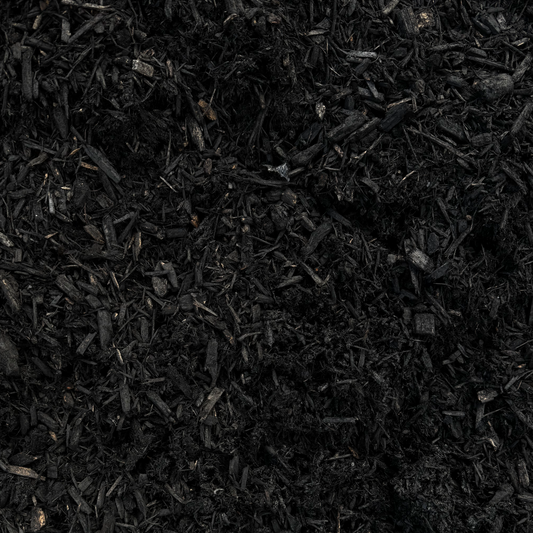
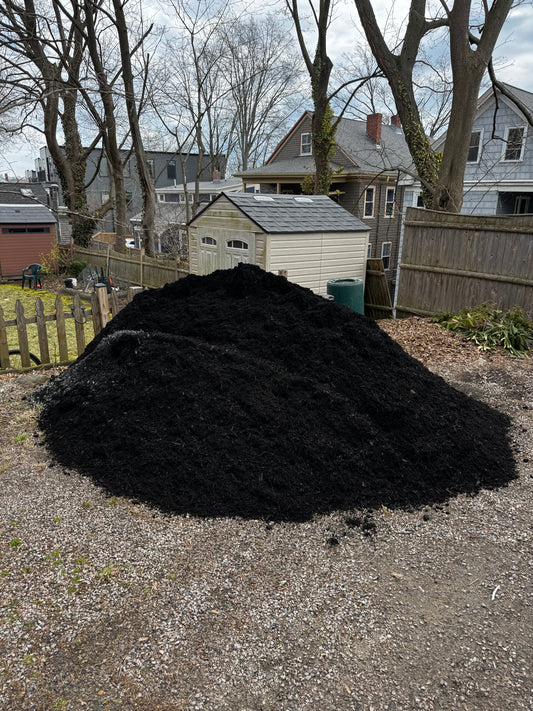
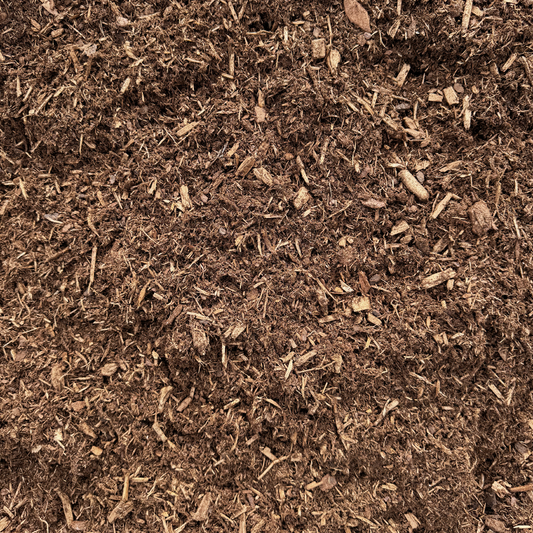
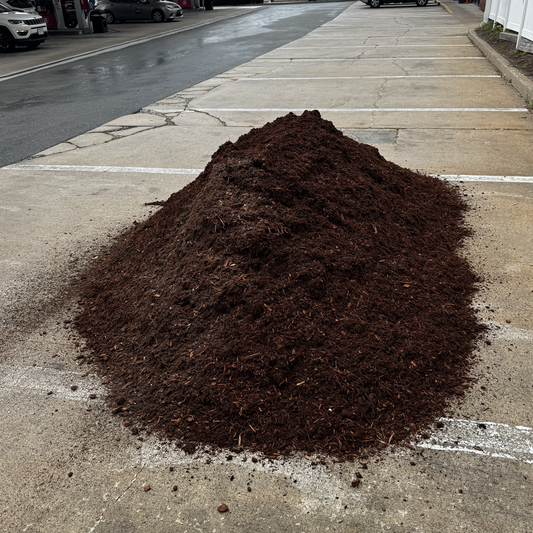
Spread shredded hardwood mulch 2 inches deep across most root zones, 3 inches for newly planted, marginal, or shallow-rooted perennials.
Coverage math: - 2 inches deep: 1 yard covers ~160 sq ft - 3 inches deep: 1 yard covers ~108 sq ft
For a typical 200 sq ft Middlesex perennial bed, plan on 1.5 cubic yards at 2" or 2 yards at 3".
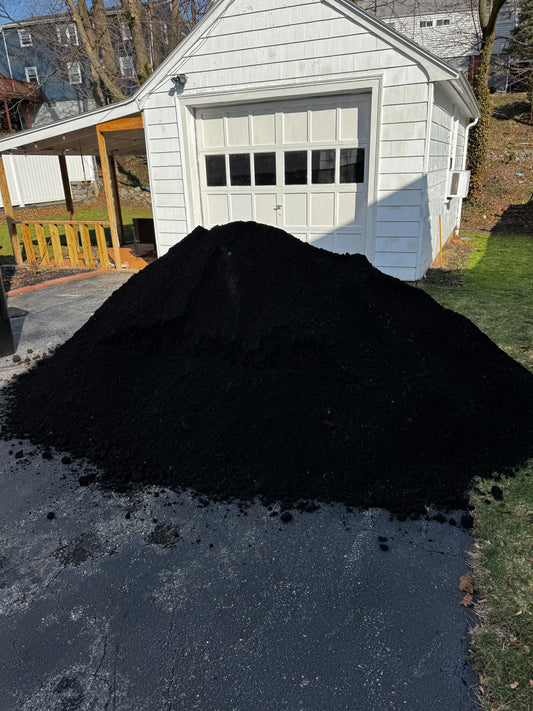
Browse the mulch collection for the Ottr lineup including Hemlock, Pine Bark, Red Cedar, and Black Mulch.
Step 4 — Hold Back 2 Inches from Crowns
The single most common winter-mulch mistake: piling mulch against perennial crowns and tree trunks.
- Perennial crowns: Pull mulch back 2 inches. The cut-back stubble should be visible.
- Tree trunks: Pull mulch back 2 inches. Volcanoed mulch rots bark and harbors voles.
- Shrub stems: Pull mulch back 2 inches at the base.
The hold-back lets crowns and bark breathe, prevents fungal rot, and discourages rodents from tunneling through mulch to chew bark.
Step 5 — Water in Lightly
A 5-minute light watering settles mulch into place and prevents wind blow-off through November and December storms. Don't soak — you're not trying to saturate; just settle.
Skip if rain is forecast within 48 hours.
What Materials Work Best
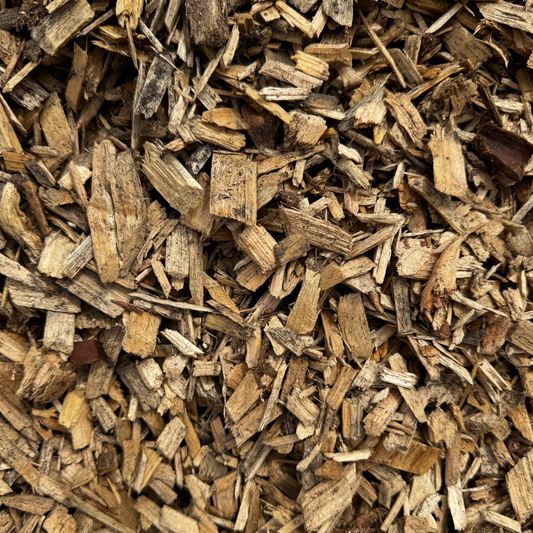
Default: Shredded hardwood mulch. Cheap, decomposes into soil, dense enough to insulate.
For acid-loving plants (azalea, blueberry, rhododendron): Pine needles or pine bark.
For slopes: Hardwood over jute or coir matting (matting prevents wash).
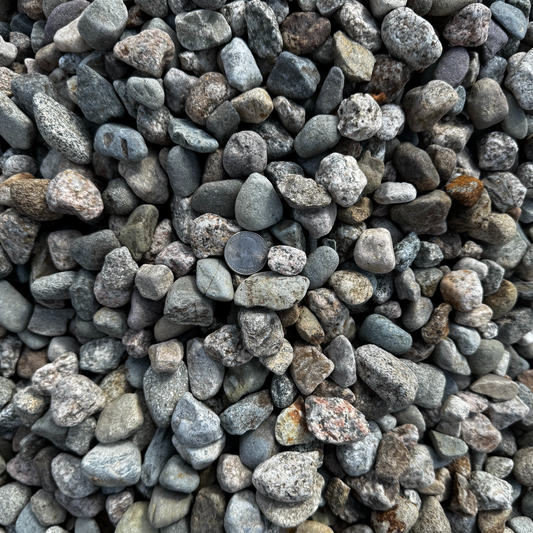
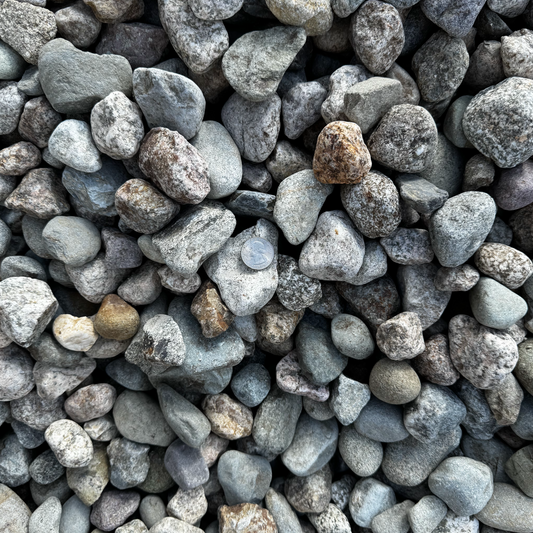
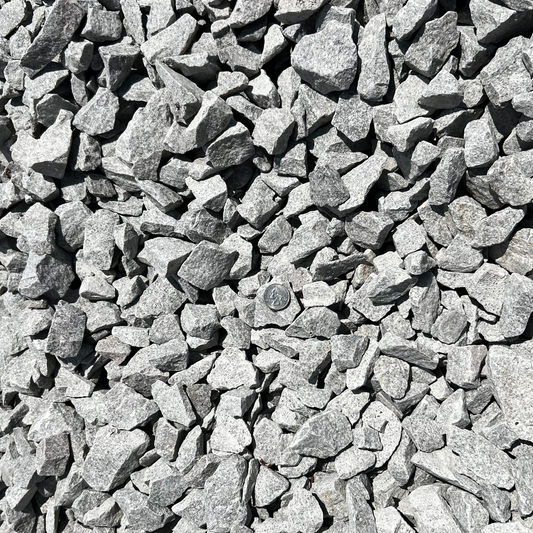
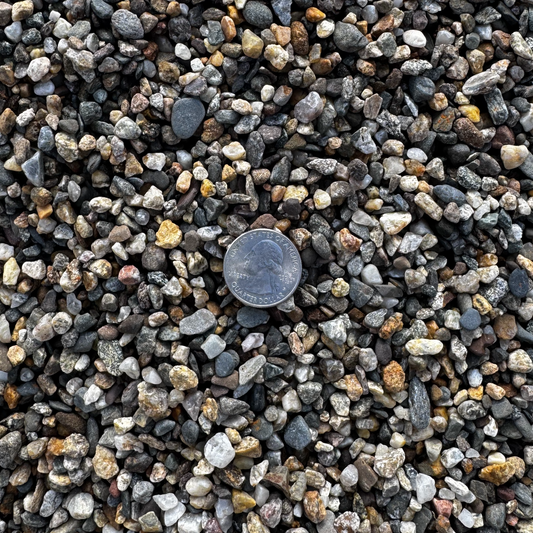
Avoid: - Whole leaves (mat and smother) - Grass clippings (mat and rot) - Fresh wood chips (too acidic if green) - Stone (doesn't insulate; wrong tool for this job)
For the pine vs hardwood comparison detail, see Pine Needle vs Hardwood Mulch for Winter Beds. For Hemlock vs Cedar, see Hemlock vs Cedar Mulch for Duxbury Fall Beds.
Spring Removal
In April, when temperatures stabilize and new growth emerges:
- Pull mulch back from crowns to let them breathe
- Don't haul mulch away — it becomes summer mulch in place
- Top up with 1/2 inch of fresh mulch to refresh appearance
What This Means for You
Wait for first freeze, cut back, apply 2–3 inches, hold back 2 inches from crowns, water in. Two hours of work, one Saturday in late November or early December, and a Middlesex County bed is set for the winter. The UMass Extension Landscape program has the regional research on overwintering practices. For mulch delivery across Middlesex County, the full Ottr catalog covers the whole region.