Quick Answer
Five pre-winter mulch strategies that pay off for Plymouth County yards: 1/2-inch appearance top-up before frost, 2–3 inch heave-protection layer over perennials after first hard freeze, tree-ring refresh with proper hold-back, stone mulch perimeter as vole barrier, and slope-hold mulch over jute or coir matting. Run all five where applicable; pick three or four for an average yard. Cost: about $200–$500 in bulk mulch for a typical Plymouth County lot.
Why Pre-Winter Mulch Matters in Plymouth County
Plymouth County winters bring 30–60 freeze-thaw cycles, salt-laden coastal winds in towns like Plymouth, Marshfield, and Duxbury, and active vole populations through the snow layer. Each problem has a mulch answer. The five below cover most of what a homeowner faces.
For the perennial-specific Q&A, see Should I Mulch My Boston Perennials Before Winter?. For the application how-to, see How to Apply Winter-Protection Mulch in a Middlesex County Bed.
#1 — Light Top-Up Before Frost (Appearance Refresh)
Goal: refresh the look of established beds going into winter. Mulch from spring has thinned and faded; a 1/2" top-up restores appearance.
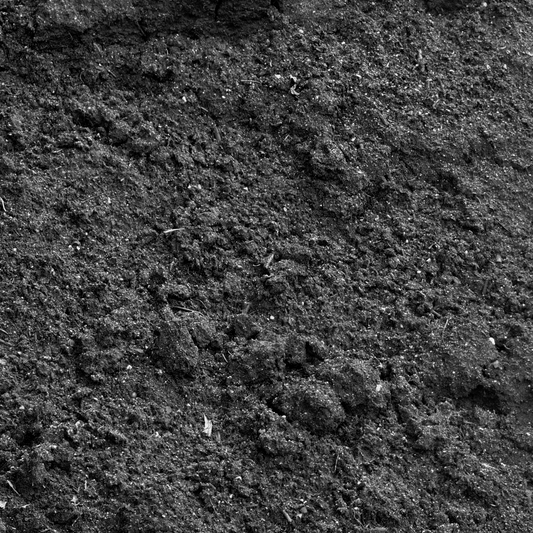
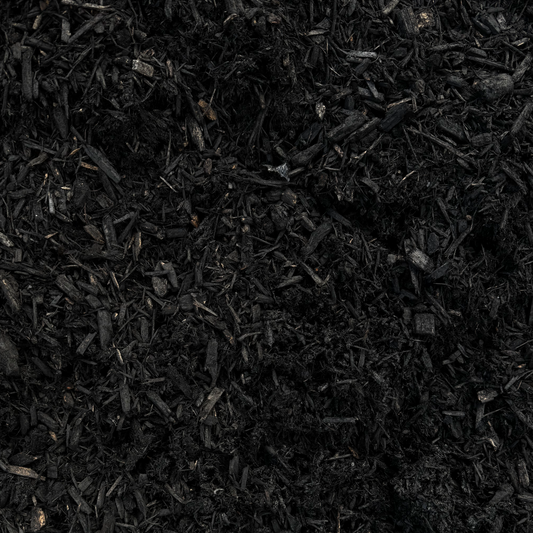
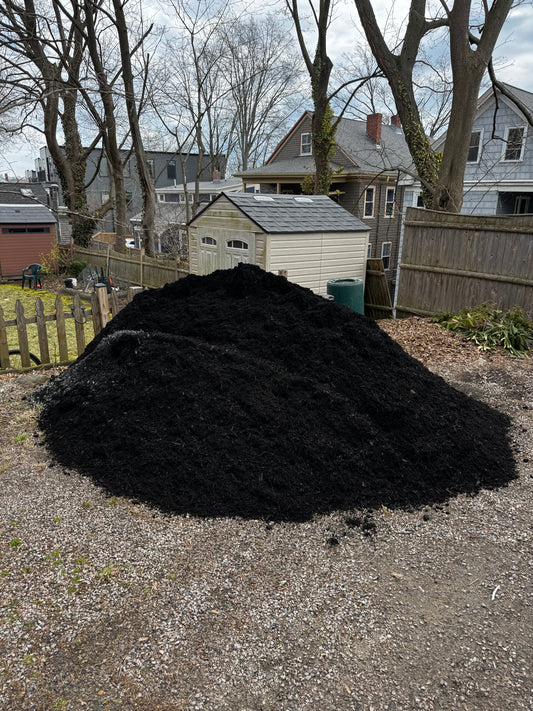
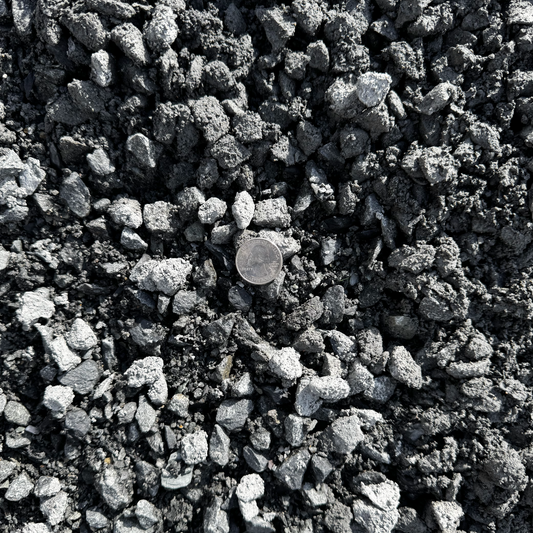
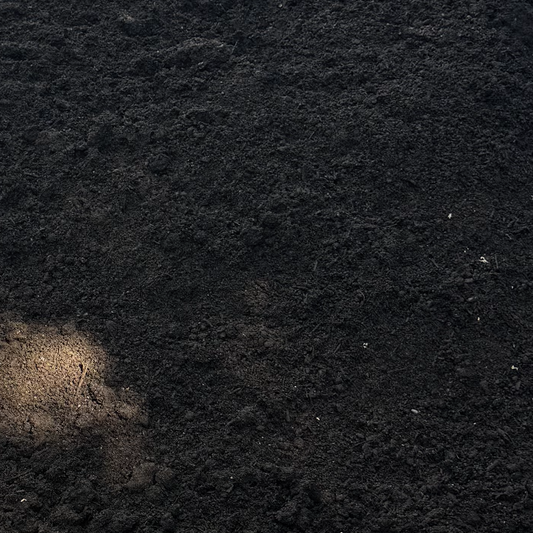
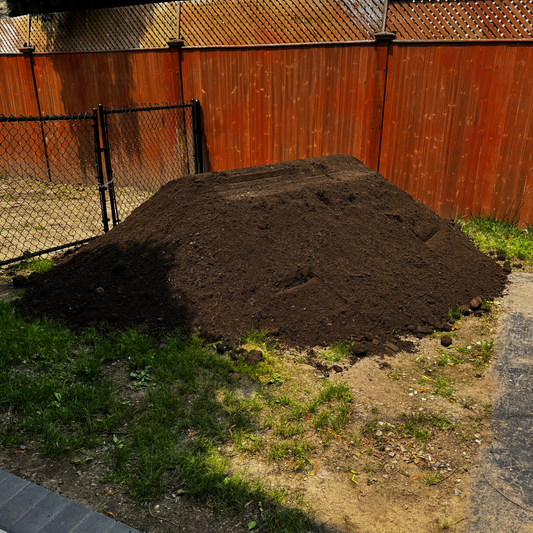
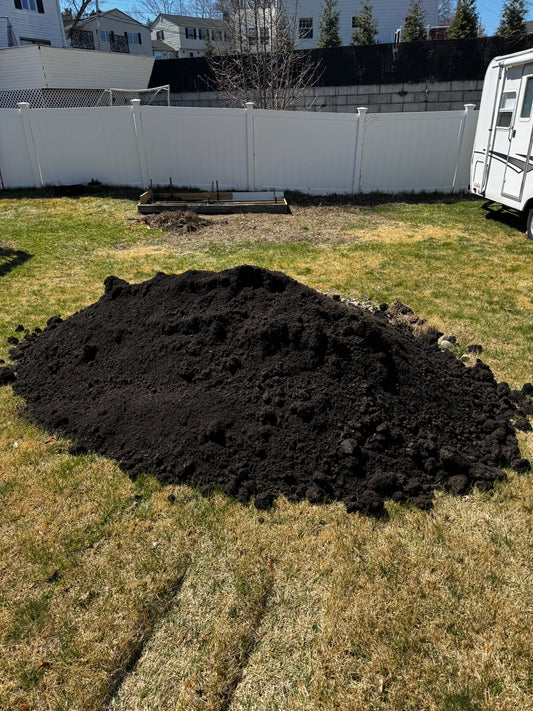
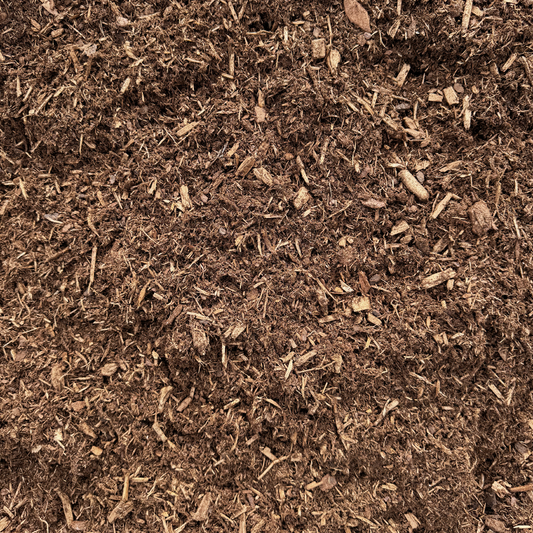
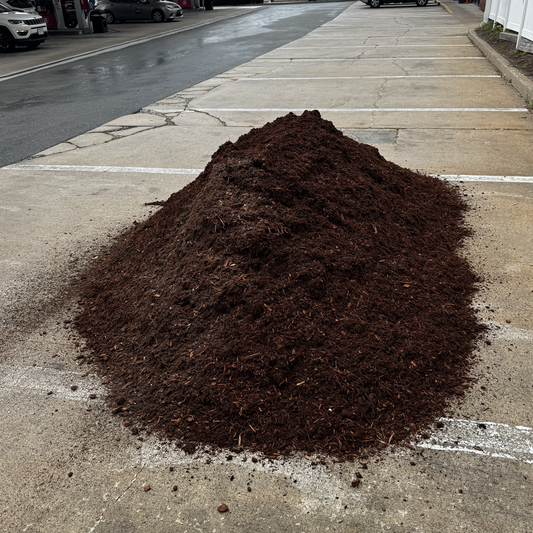
Timing: Before first hard freeze (mid-November in Plymouth County). Depth: 1/2 inch over existing mulch. Coverage: 1 yard covers ~640 sq ft at 1/2" top-up. Material: Hemlock, hardwood, or black mulch — whatever was there.
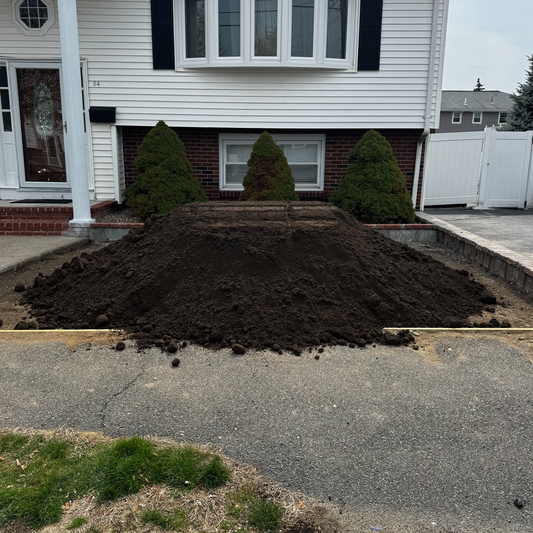
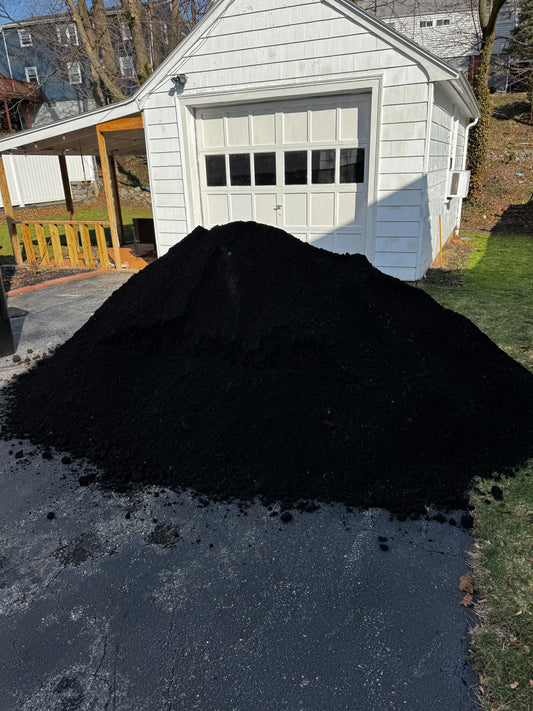
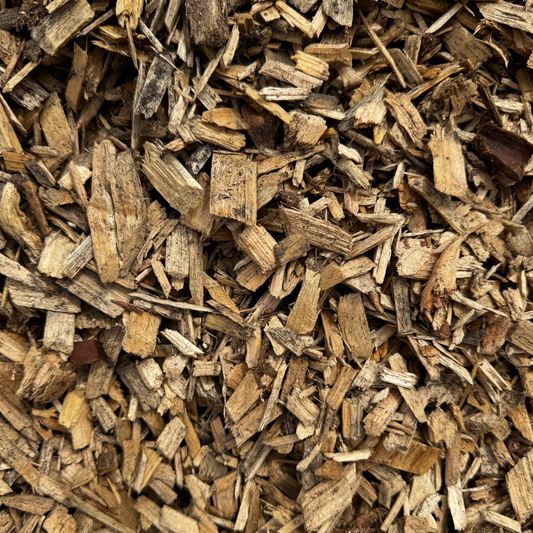
This is the standard "fall mulch" most homeowners do. Browse the mulch collection for current pricing.
#2 — Heavy Heave-Protection Layer Over Perennials
Goal: prevent freeze-thaw heave from pushing perennial crowns out of the ground.
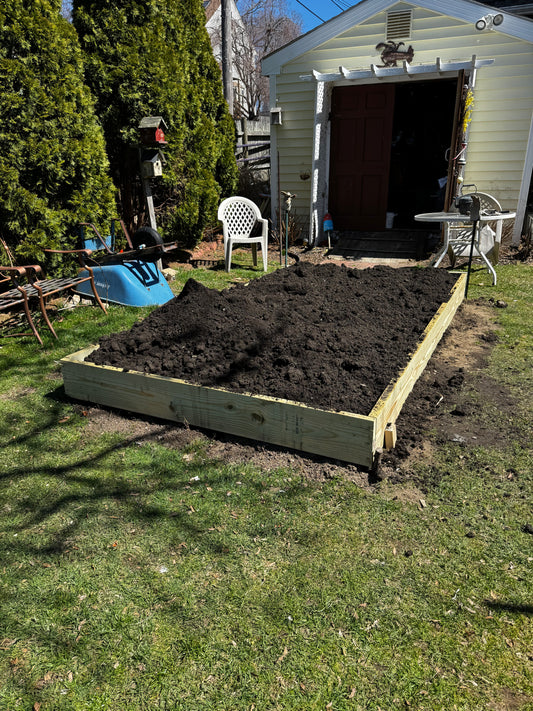
Timing: AFTER first hard freeze (late November to early December). Counter-intuitive, but this is the right window. Depth: 2–3 inches over root zones, hold back 2 inches from crowns. Best for: Newly planted, marginally hardy, recently divided, or shallow-rooted perennials. Skip on: Established hardy perennials (peony, daylily, mature hosta).
For full perennial-by-perennial guidance, see Should I Mulch My Boston Perennials Before Winter?.
#3 — Tree-Ring Refresh
Goal: insulate root zones and protect trunks without volcanoing mulch against bark.
Timing: Anytime through November. Depth: 3–4 inches across the ring, 2 inches pulled back from the trunk. Ring size: Match the drip line for young trees; 3–4 ft radius for established.
Volcanoed mulch (piled against the trunk) rots bark, invites voles, and harbors bark fungi. The 2-inch hold-back is non-negotiable. The UMass Extension Landscape program has the regional tree-mulching standards.
For tree-protection mulching combined with wrap, see 5 Tree-Wrap Tips for Young Scituate Trees.
#4 — Stone Mulch Perimeter as Vole Barrier
Goal: block voles from tunneling into mulched perennial beds under snow.
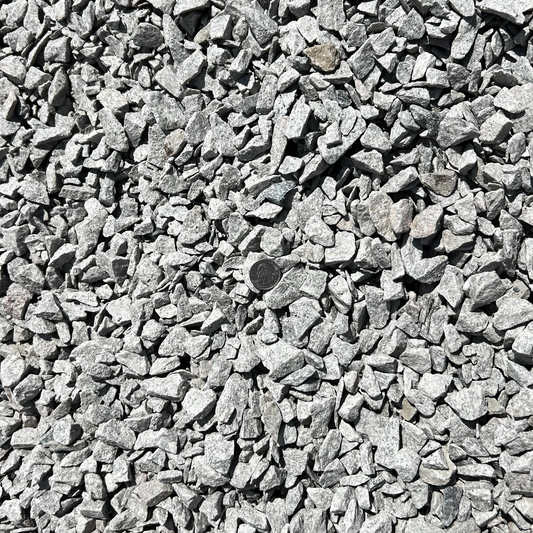
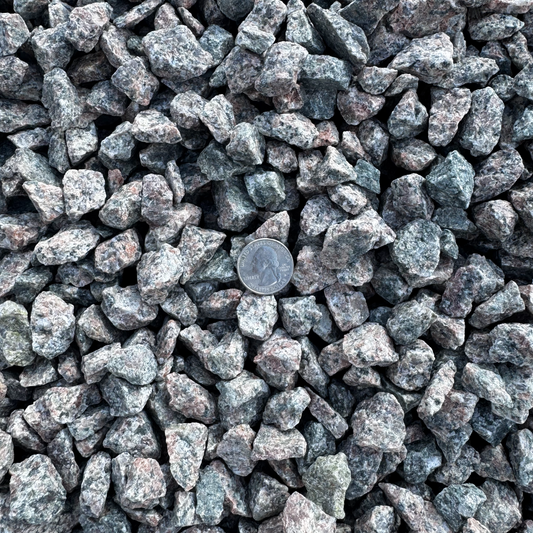
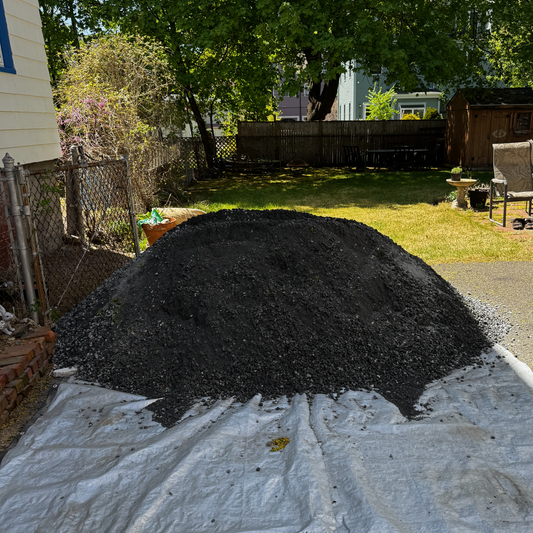
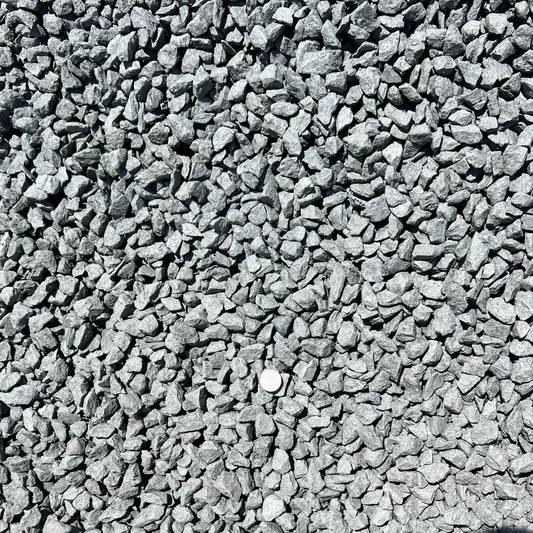
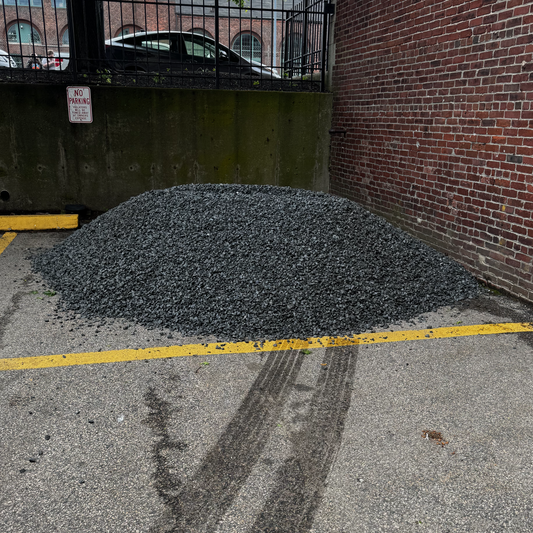
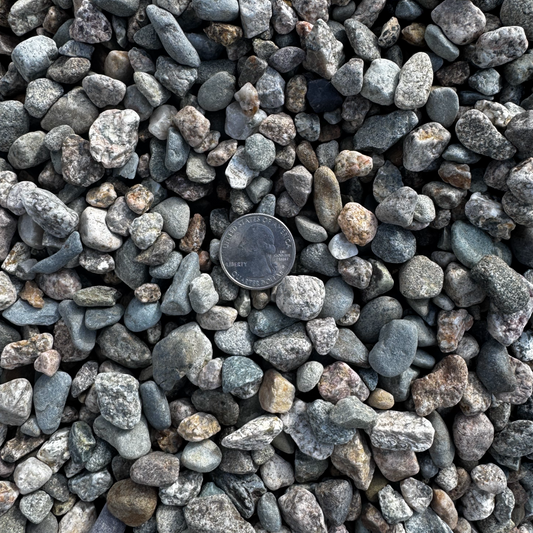
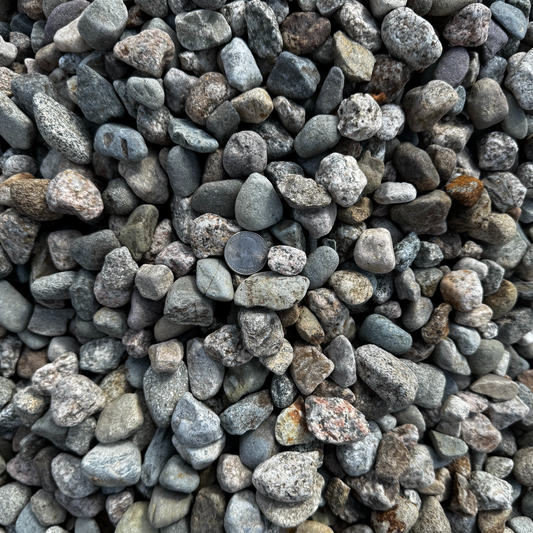
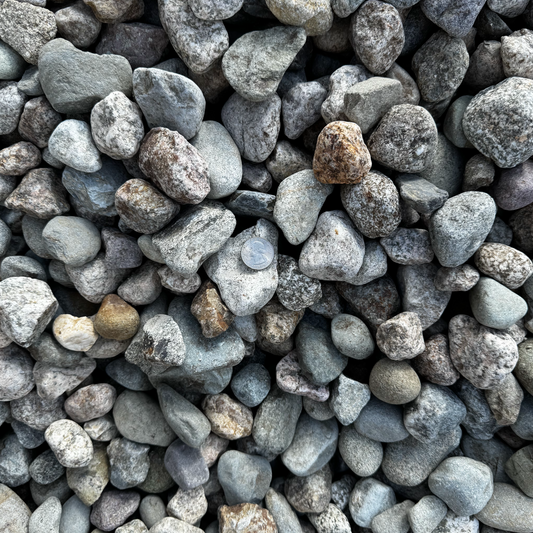
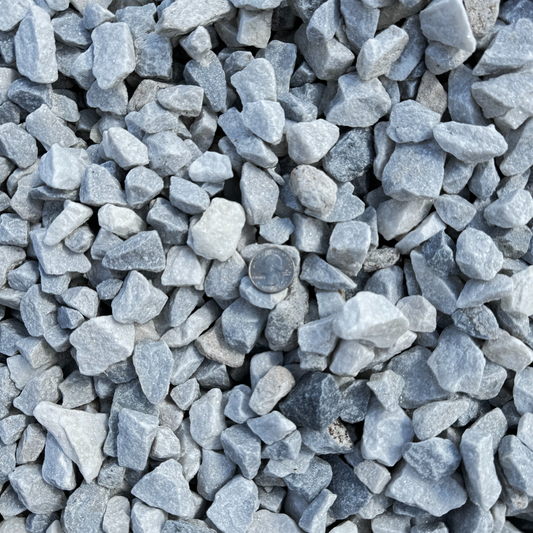
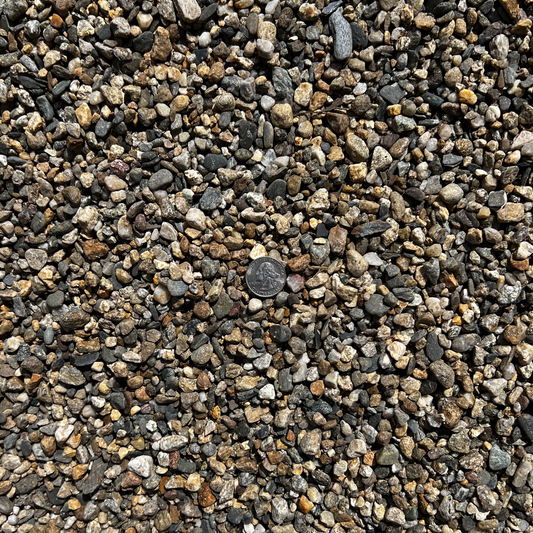
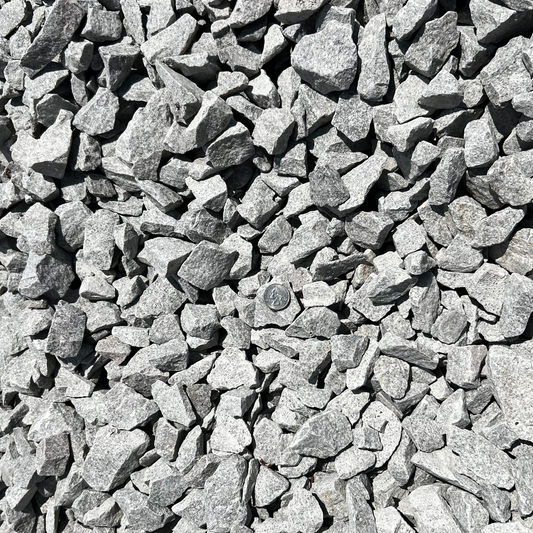
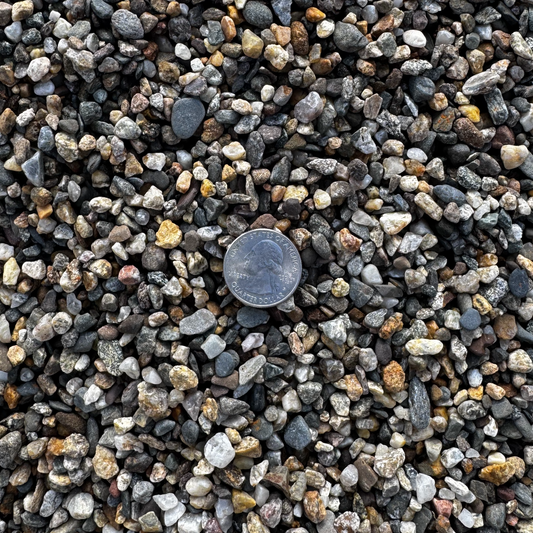
Strategy: Replace 6–12 inches of mulch at bed edges with ¾" crushed stone or pea stone. Voles avoid stone; the perimeter band creates a barrier.
Best for: Plymouth County yards with documented vole damage (chewed stems, tunnels visible at snow melt). For repair guidance, see 5 Vole-Damage Repair Tips for Scituate Lawns This February.
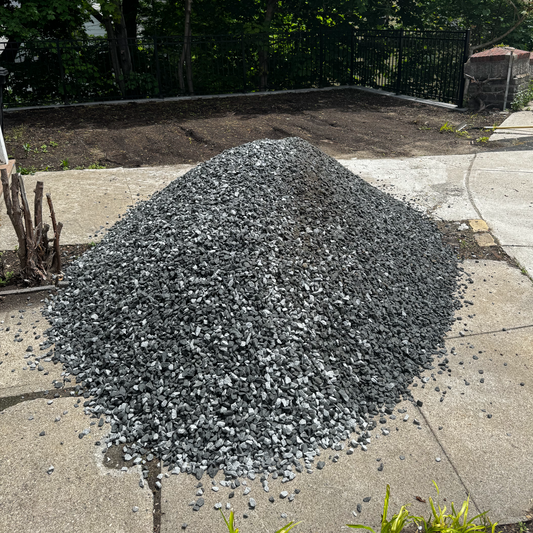
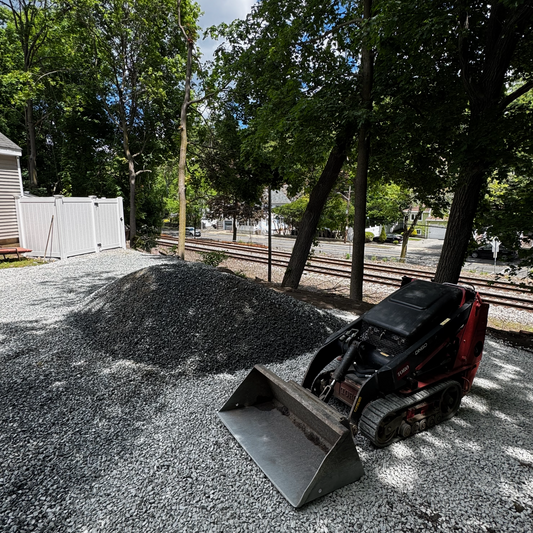
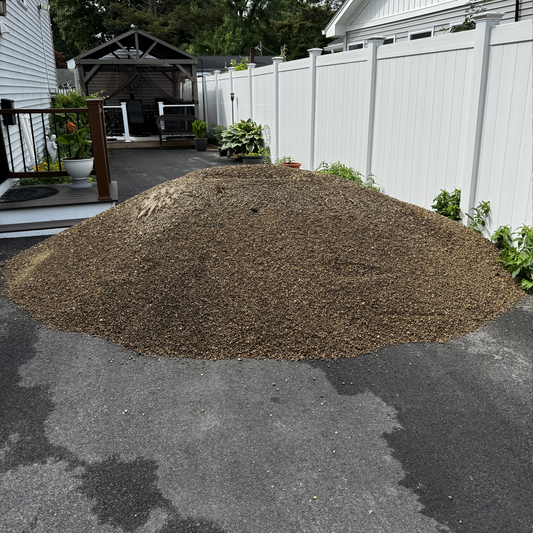
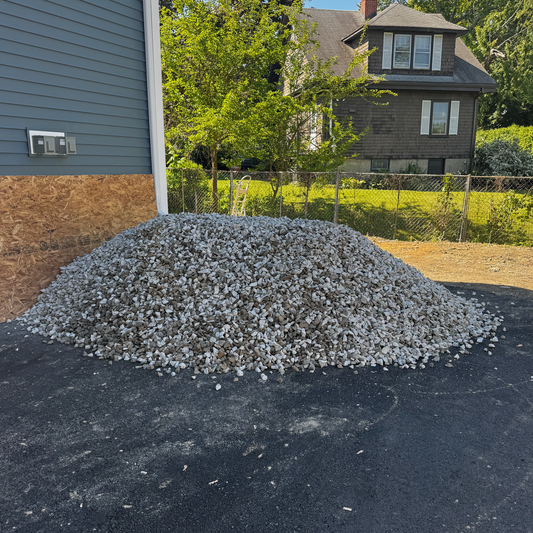
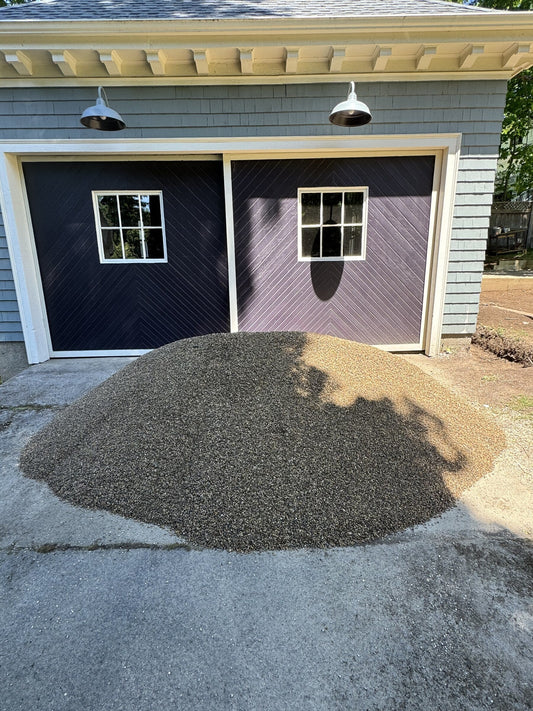
Browse the crushed stone collection for stone perimeter material.
#5 — Slope-Hold Mulch with Erosion-Control Matting
Goal: keep mulch in place on slopes through winter rains and snow melt.
Strategy: Lay jute or coir matting over the slope, anchor with biodegradable stakes, then mulch over the matting. The matting holds mulch in place; both decompose by midsummer.
Slope thresholds: Above 3:1 slope, plain mulch washes. Below 6:1, you may not need matting. Between, use judgment.
Best for: Coastal Plymouth County properties (Marshfield, Duxbury, Scituate) where wind and water both work against slope mulch.
What This Means for You
Five strategies, three or four typically applicable per yard, all using bulk mulch and stone Ottr stocks at the Dispatch Office. For Plymouth County delivery, the full Ottr catalog covers Plymouth, Brockton, Marshfield, Duxbury, Scituate, Hingham, Hanover, Halifax, Kingston, and Middleborough routes. The UMass Extension Landscape program is the regional source on overwintering practices.