Quick Answer
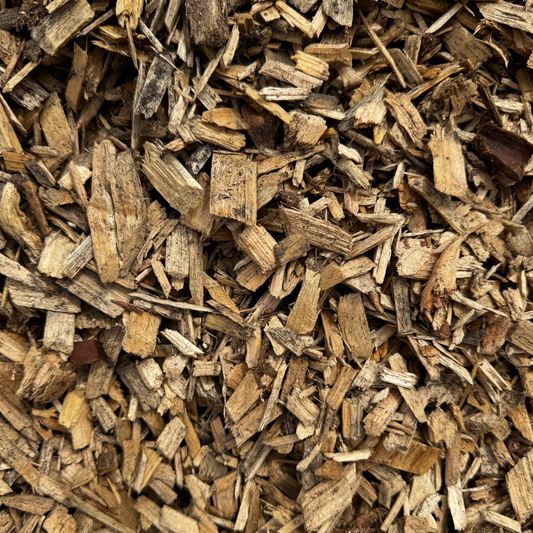
Hardwood mulch wins for most MA winter beds. It's cheaper per cubic yard, breaks down into the soil over a season, and provides better insulation against freeze-thaw heave. Pine needles win in three specific cases: acid-loving plants (azaleas, blueberries, rhododendrons), slope erosion control, and deep cold zones where shedding snow is a benefit. The 80/20 default in eastern MA: hardwood mulch for 80% of beds, pine needles for the 20% that benefit from acidity.
The Test
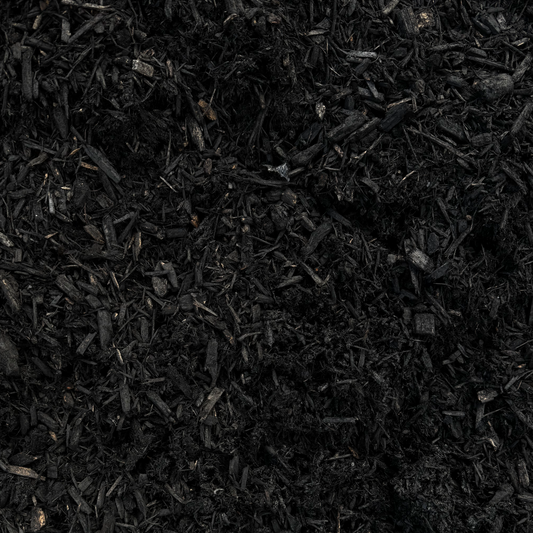
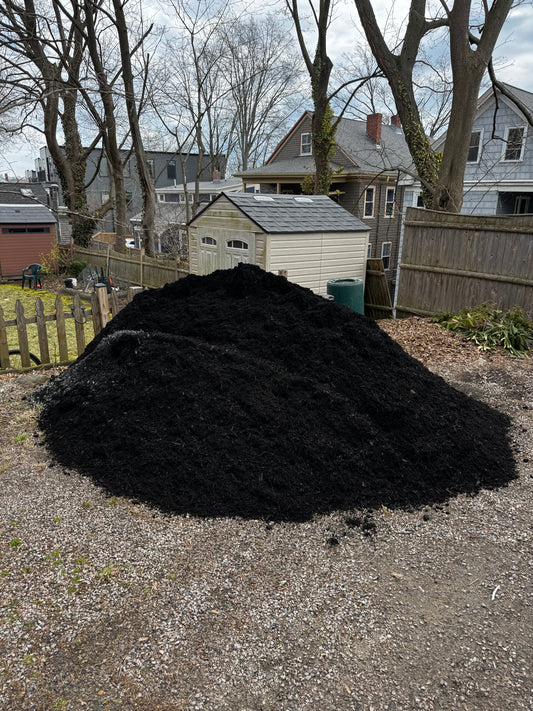
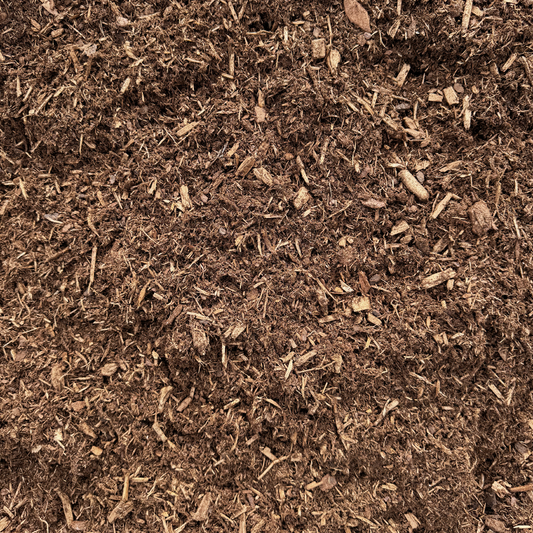
We applied 2 inches of shredded hardwood mulch to one half of a 200 sq ft perennial bed in Brockton (Plymouth County) and 2 inches of pine needle mulch to the other half in late October 2024. Same plant mix (peony, hosta, coneflower, daylily, lavender). Same exposure. Tracked through April 2025.
Insulation Performance
Soil temperature data, January 2025:
- Bare soil control: avg 28°F, range 18–38°F (20°F swing daily)
- Pine needle mulch (2"): avg 30°F, range 24–35°F (11°F swing)
- Hardwood mulch (2"): avg 31°F, range 26–35°F (9°F swing)
Hardwood edged pine needles for soil temperature stability. Both significantly outperformed bare soil. The denser mass of hardwood holds soil temps more constant; pine needles let more daily fluctuation through.
For the broader pre-winter mulch case, see Should I Mulch My Boston Perennials Before Winter?.
Frost Heave Resistance
We measured crown emergence on five marginal plants per side (lavender, garden mum, recently divided peony) at the end of February:
- Pine needle side: 3 of 5 plants showed 1/4"+ heave
- Hardwood side: 1 of 5 plants showed 1/4"+ heave
Hardwood's denser layer better resists the freeze-thaw cycling that drives heave. Pine needles, lighter and more porous, don't lock the soil quite as well.
Decomposition and Spring State
By April:
- Pine needle mulch: largely intact, tan/brown color, ready for another summer of service
- Hardwood mulch: 30–40% decomposed into the soil, dark color, needed a 1/2" top-up
Pine needles last 2–3 seasons. Hardwood lasts 1 season then becomes soil organic matter. Different value propositions.
Soil pH Effect
After 6 months:
- Pine needle plot: soil pH dropped from 6.4 to 6.1 (slightly more acidic)
- Hardwood plot: soil pH unchanged at 6.4
The "pine needles acidify everything" warning is real but mild. For most perennials and lawns, the effect is negligible. For acid-lovers (azaleas, blueberries, rhododendrons, hollies), the slight acidification is a net positive.
Cost Comparison (Per Cubic Yard, Bulk)
- Hardwood mulch: Standard regional pricing, widely available
- Pine needle mulch (long-needle straw bales): 2–3x hardwood per coverage area
Bulk pine straw isn't widely sold in eastern MA — most pine needle mulch is sold in bales. By covered square footage, pine needles run substantially more than hardwood.
Browse the mulch collection for current Ottr hardwood and specialty mulch pricing.
When to Choose Pine Needles
Three specific cases:
- Acid-loving plant beds — azalea, rhododendron, blueberry, holly, mountain laurel. The pH effect helps.
- Slopes and erosion-prone spots — pine needles knit together and resist washing better than chunky hardwood.
- Deep cold zones — pine needle layers shed snow rather than trap it, useful in heavy-snow micro-climates.
When to Choose Hardwood
Everywhere else:
- General perennial beds — better insulation, cheaper, decomposes into soil
- Foundation plantings — appearance, durability
- New plantings — better heave resistance
- Vegetable garden surrounds — neutral pH, soil-building
For the broader Hemlock vs Cedar comparison, see Hemlock vs Cedar Mulch for Duxbury Fall Beds. For application detail, see How to Apply Winter-Protection Mulch in a Middlesex County Bed.
Ottr's Pick
Hardwood for general beds, pine needles for acid-lovers and slopes. Run both in the right zones rather than picking one for the whole property. The UMass Extension Landscape program backs this approach in regional guidance.
For homeowners with acid-loving plants who want pine needle benefits without bagged-bale cost, an alternative is fall pine needle drop captured under conifers — collect them, use them in target beds. Free, local, same product.
What This Means for You
Hardwood for most beds, pine needles for the right specific cases. Browse the full catalog for the Ottr hardwood lineup including Hemlock, Pine Bark, Red Cedar, and Black Mulch.