Quick Answer
The five highest-ROI mid-summer weed-control moves for a Boston bed — Allston, Brighton, Roslindale, West Roxbury, Hyde Park — are: (1) hand-pull after a thunderstorm when soil is soft, (2) cut, don't pull, where roots run under desirable plants, (3) use a 2-inch mulch top-off as a smother layer, (4) keep walkway-edge weeds under control with a hori-hori knife, and (5) skip pre-emergent and synthetic herbicide entirely until September. Total time: about 90 minutes per 100 sq ft of bed. Repeat every 3 weeks through August.
Why July Weed-Control in Boston Is a Specific Game
Boston bed weeds in July fall into three patterns: (1) summer annuals that germinated in June (purslane, spurge, oxalis), (2) escaped lawn species creeping into beds (crabgrass, dandelion, plantain), (3) shallow-rooted natives like wood sorrel that exploit any thin spot in the mulch. The right play differs by category — and what worked in May (pre-emergent herbicide) does not work in July.
Tip 1 — Hand-Pull After a Thunderstorm
Wet soil releases tap roots cleanly. Dry soil snaps the stem and leaves the root, guaranteeing regrowth. After any Boston summer thunderstorm, walk the beds within 12 hours and pull while soil is soft. A hori-hori knife or a long screwdriver levers out tap roots that resist hand-pulling alone.
About 30 minutes per 100 sq ft of bed. Bag the weeds — composting summer-annual weeds returns viable seeds to your beds.
Tip 2 — Cut, Don't Pull, Where Roots Run Under Desirable Plants
When a weed has rooted under a perennial or shrub, pulling damages the desirable plant's roots. Instead, cut the weed at soil level with snips. Repeat every 2-3 weeks. This starves the root system without disturbing your plantings. Effective on bindweed, ground ivy, and most creeping weeds.
Tip 3 — Use a 2-Inch Mulch Top-Off as a Smother Layer
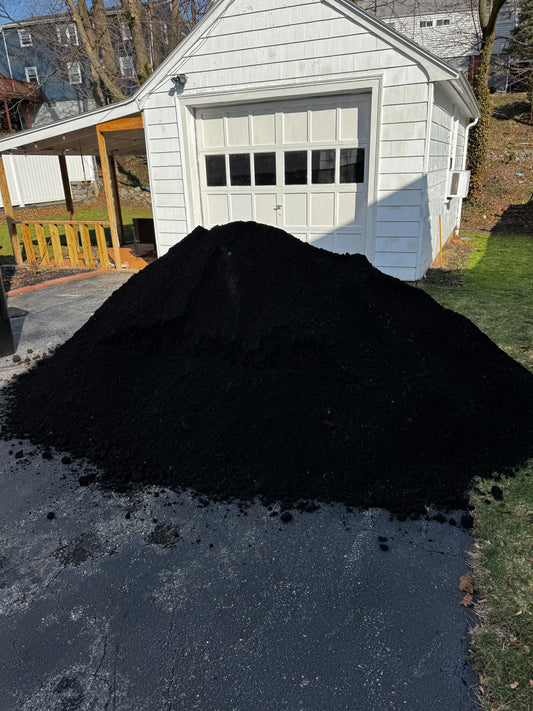
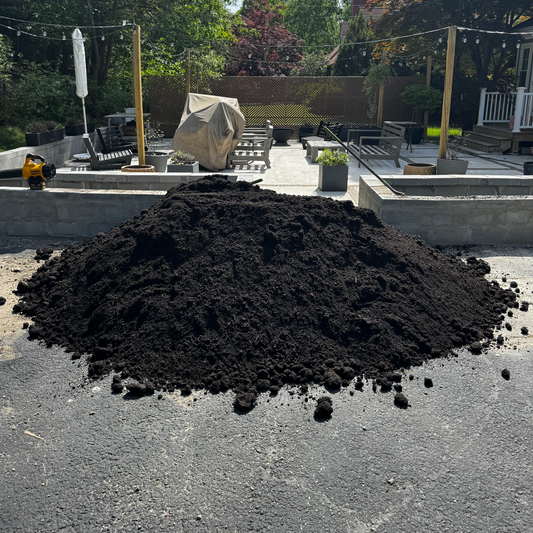
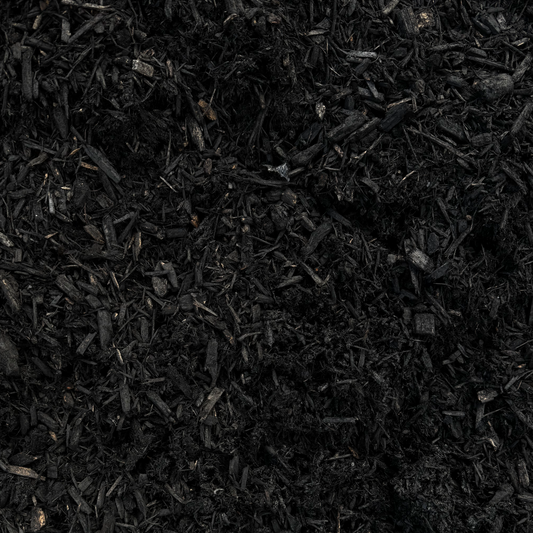
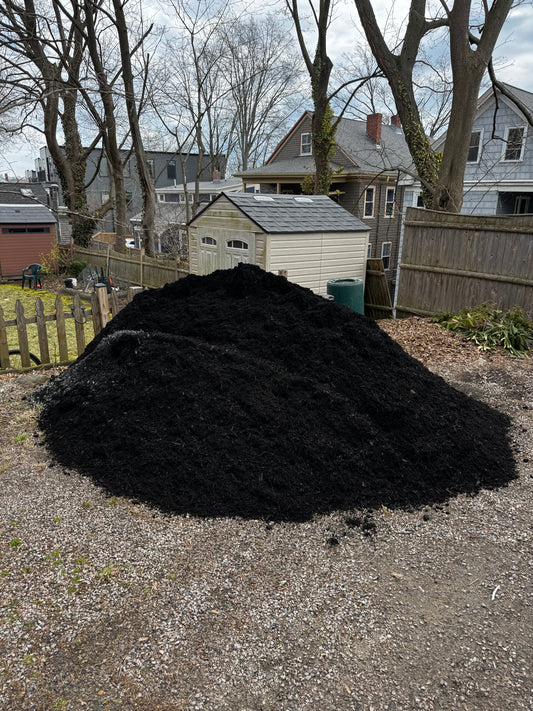
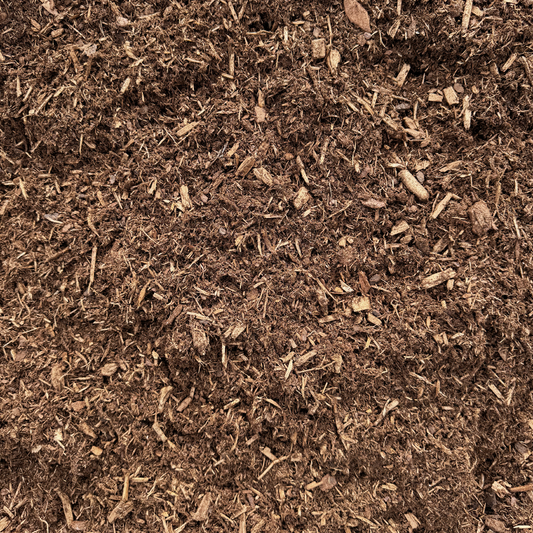
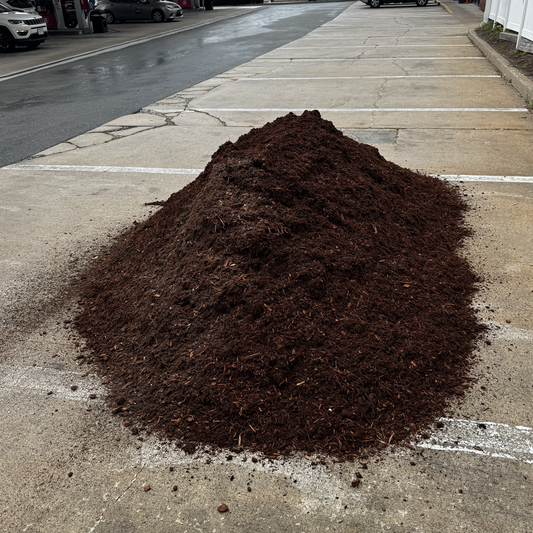
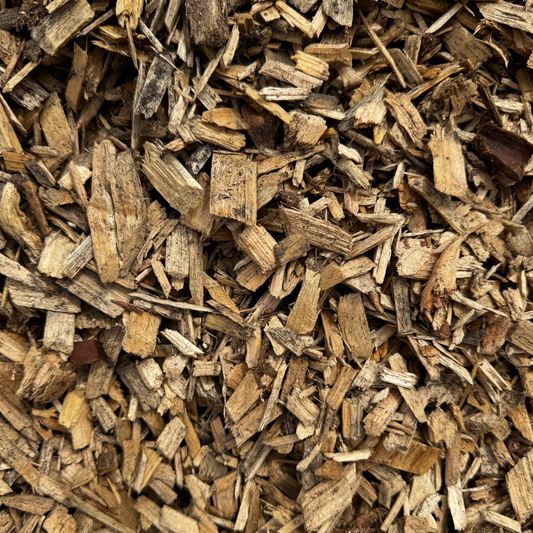
Where weed pressure is highest — typically the bed-to-lawn border and the bed-to-walkway edge — top off to 2 inches of fresh Hemlock Mulch or Pine Bark Mulch over hand-pulled bare soil. The mulch blocks light, smothers seedlings, and slows new germination. Browse the mulch-bed-refresh collection for per-yard rates on the right products.
Important: total mulch depth across the whole bed should not exceed 3 inches. Top off only the weed-pressure zones, not the entire bed. For the depth-math see How to Top-Off Mulch Without Smothering Dorchester Plants.
Tip 4 — Hori-Hori Walkway and Driveway-Edge Weeds
Crabgrass and dandelions in walkway cracks and driveway edges are what guests see first. A hori-hori knife levers them out cleanly. Avoid hand-pulling — the tap roots snap and regrow within 2 weeks. About 20 minutes for a typical Boston walkway. For the broader walkway-edge picture, the Top 5 July Maintenance Tasks for Brookline Yards covers context.
Tip 5 — Skip Synthetic Herbicide Until September
July herbicide applications in Boston create more problems than they solve:
- Heat translocation — most post-emergent herbicides translocate poorly above 85°F.
- Drift damage — heat-stressed nearby ornamentals are highly vulnerable to even small drift.
- Lawn turf damage — desirable grasses are also stressed in July; collateral damage is high.
Wait until early September when temperatures moderate, plants are actively growing again, and herbicide actually works. Until then, the hand-pull / cut / smother stack handles the visual layer.
The UMass Extension Landscape summer-care guide is explicit on this — July is for mechanical weed control, not chemical.
The Boston July Weed-Control Schedule
- Week 1: Initial hand-pull / cut pass on all beds (90 min/100 sq ft)
- Week 4: Maintenance pass (30 min/100 sq ft)
- Week 7: Final mid-summer pass (30 min/100 sq ft)
- Early September: Spot-treat with synthetic herbicide if needed for stubborn perennial weeds
For the lawn-side of Boston summer weed pressure (crabgrass, clover invading turf), see Top 5 Drought-Tolerant Plants for Watertown Yards for replacement-strategy thinking. For the bed-refresh material itself, browse the Boston landscape supply catalog.
After the September herbicide pass, plan fall mulch refresh and overseeding — the How to Plan a Fall Planting Schedule for a Cambridge Yard covers the schedule.