Quick Answer
For a Cambridge yard, a fall planting plan works backward from the first hard frost around October 28. Direct-sow cool-season vegetables and overseed lawns by August 25, plant perennials and shrubs September 5–October 5, and finish bulbs by October 20. Order soil amendments and 2 cubic yards of compost per 200 sq ft of new bed in the first week of August so deliveries land before the September rush.
Step 1 — Pin Your Frost Date and Build Backward
Cambridge sits in USDA Zone 6b, with a typical first hard frost between October 25 and November 5. The UMass Extension Landscape, Nursery & Urban Forestry program tracks regional averages. Mark October 28 as your working frost date, then count back:
- 60 days before frost (August 29) — last sow date for cool-season lettuces, spinach, kale.
- 45 days before frost (September 13) — last transplant date for fall brassicas.
- 30 days before frost (September 28) — last window for perennial root establishment.
- 14 days before frost (October 14) — last reasonable shrub planting date.
Step 2 — Order Soil and Compost the First Week of August
Late-summer demand for screened loam and compost tightens around Cambridge as crews chase end-of-summer renovations. Get the order in by August 5.
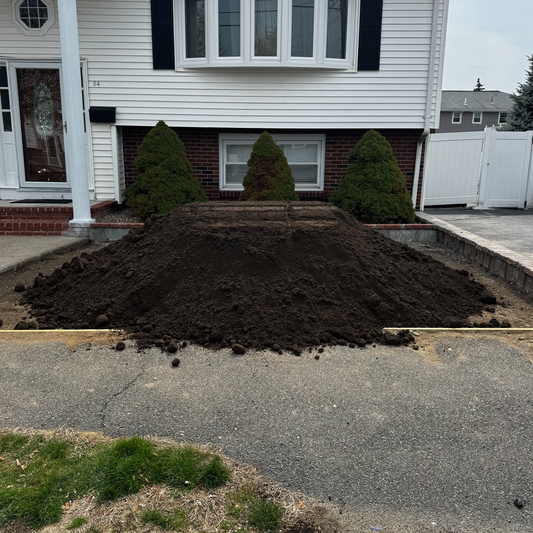
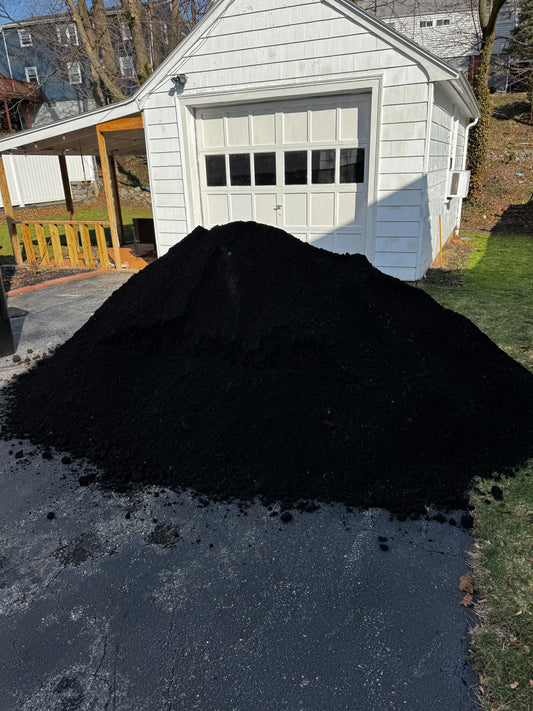
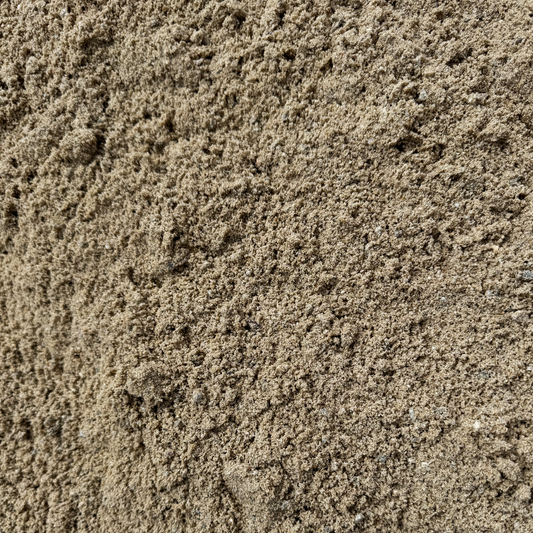
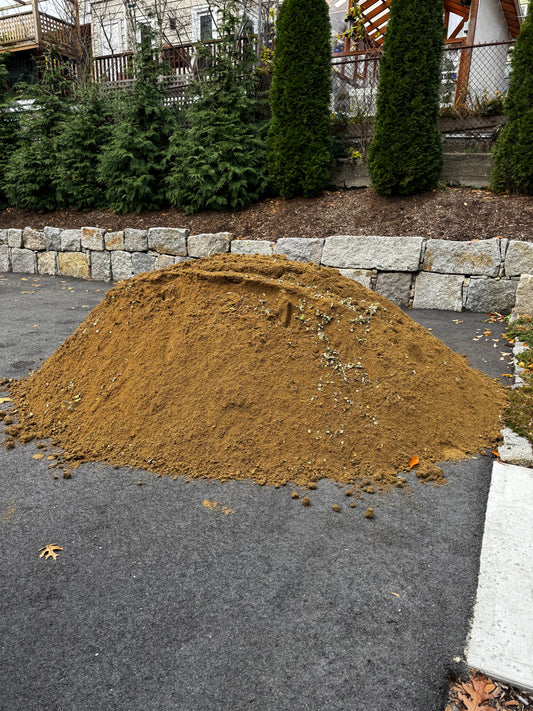
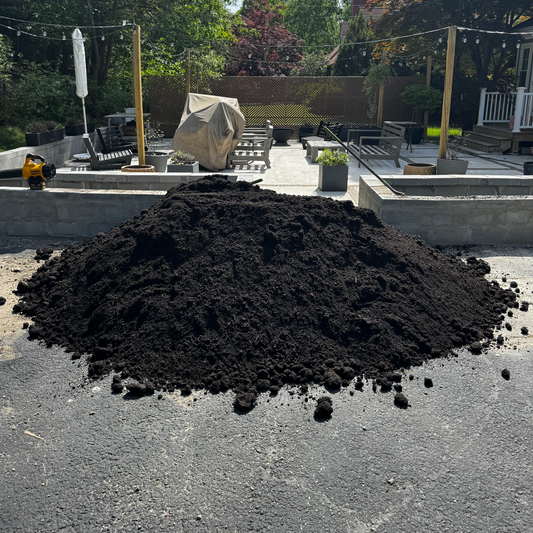
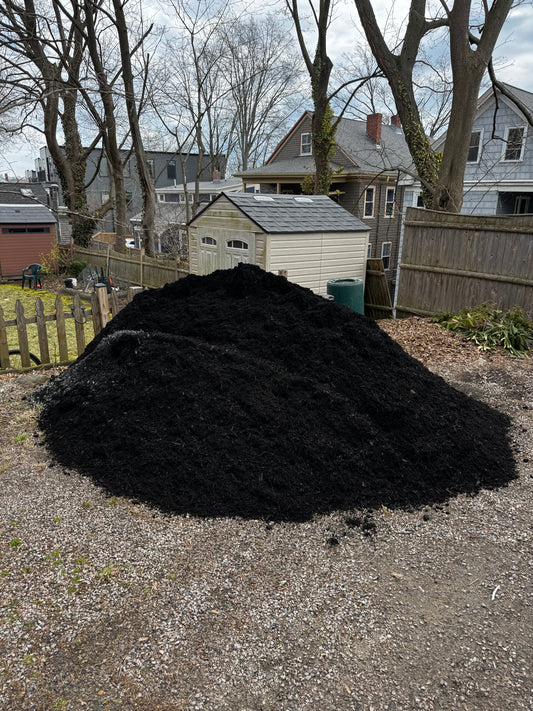
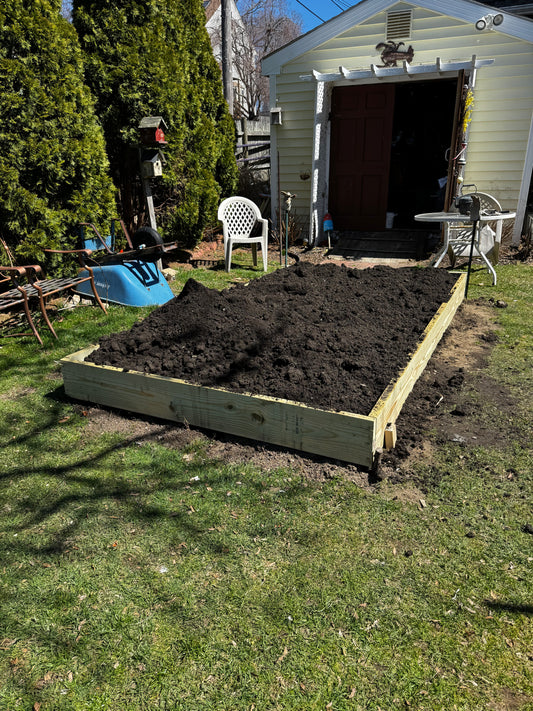
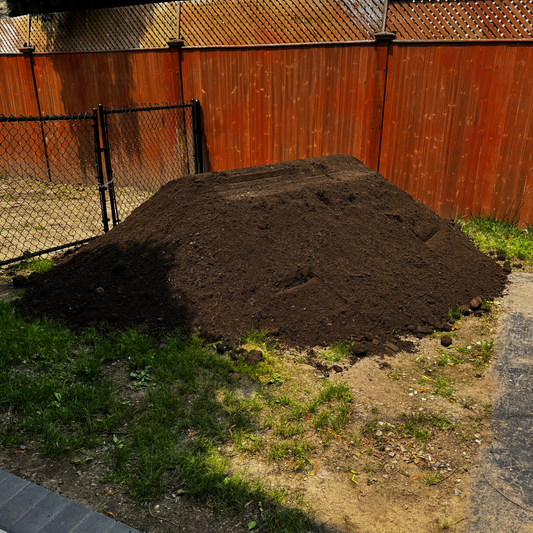
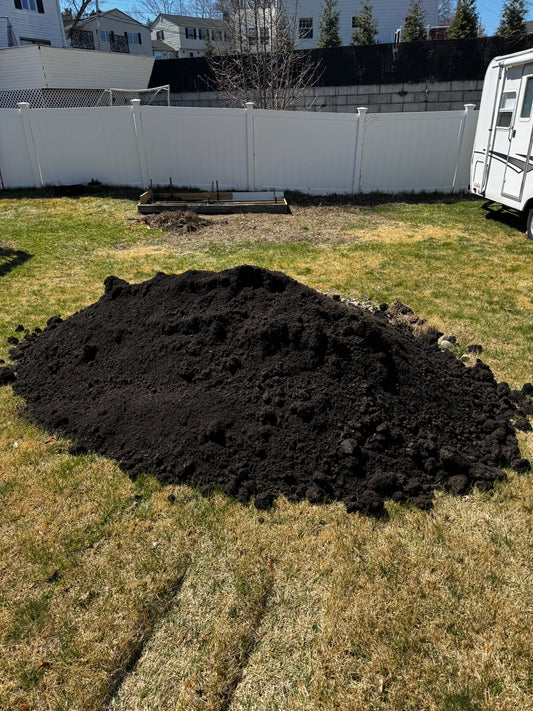
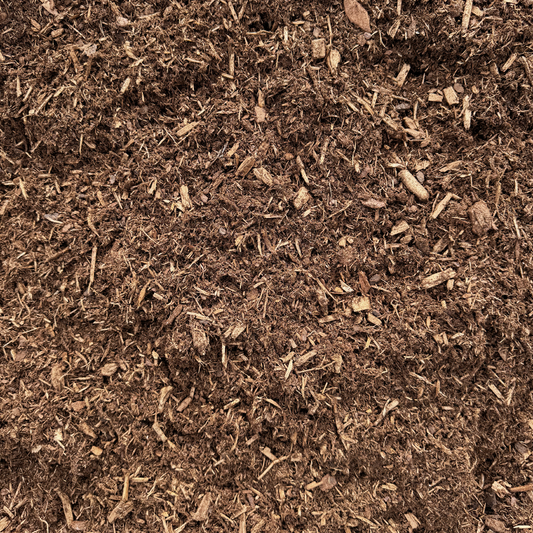
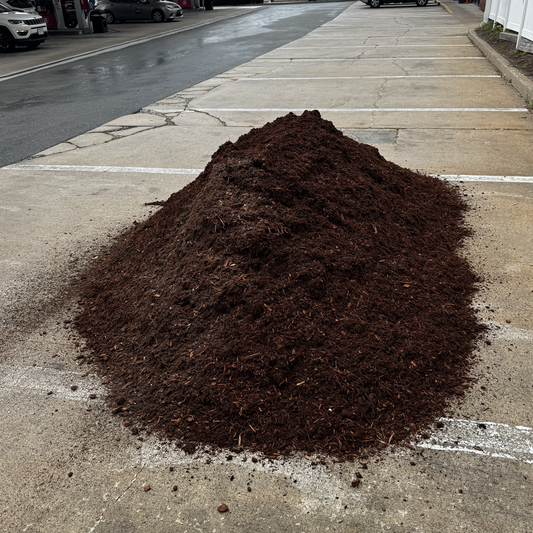
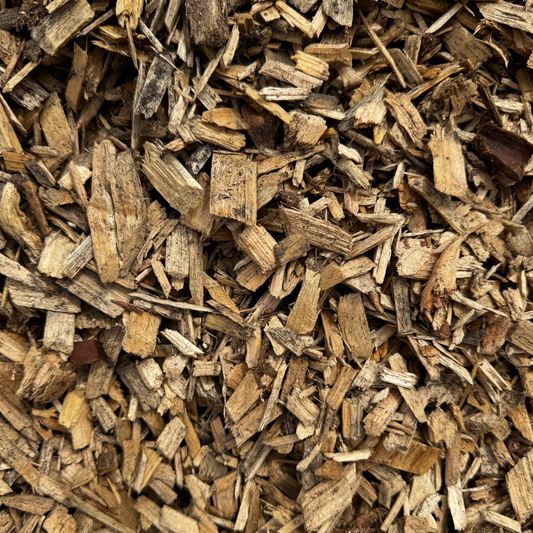
For a 200 sq ft new bed, plan on: - 2 cubic yards of Compost to amend at 3" depth. - 1.5 cubic yards of Topsoil Loam ½" Screened if the existing soil is thin. - 1 cubic yard of Hemlock Mulch to top-dress at 2" once planting wraps.
Browse the Plant Establishment & Tree Planting collection for current per-yard rates, and check the Cambridge Landscape Supply page for delivery scheduling to Cambridgeport, North Cambridge, and West Cambridge.
Step 3 — Sow Cool-Season Vegetables Between August 15 and 25
Cambridge backyards run warm into early September thanks to the Charles River corridor's heat retention. The cool-season window is real but compressed. Sow lettuce, spinach, arugula, radishes, and kale between August 15 and 25 for harvest before Halloween. See Cover Crop vs Mulch for a Belmont Vegetable Bed for the late-July ramp-up that feeds into this window.
Step 4 — Plant Perennials and Shrubs September 5 Through October 5
This is the highest-leverage Cambridge planting window of the year. Soil temperatures sit between 60–65°F — ideal for root establishment — and rainfall climbs. Bare-root and containerized perennials transplant cleanly with minimal water stress.
Top-dress new perennial plantings with 2" of Hemlock Mulch immediately. For bigger shrub installs and tree plantings that need a deeper root collar, the Seal a Paver Patio in a Medford Backyard guide shares the same August prep mindset for hardscape — both tasks reward early ordering.
Step 5 — Finish Bulbs and Garlic by October 20
Tulips, daffodils, alliums, and culinary garlic all want 6–8 weeks of root growth before ground freeze. October 1–20 is the bulb sweet spot in Cambridge.
Step 6 — Map the Calendar on Paper
Pull out a paper calendar and write each plant group on its target date. Order materials two weeks ahead of every planting weekend. Keep a buffer week before Halloween for weather slips.
Common Mistakes
- Waiting until Labor Day to order soil. By then, screened loam tightens across Middlesex County.
- Sowing lettuce in early September. It's two weeks late for a reliable harvest.
- Skipping mulch on fall perennial plantings. Mulch buffers the freeze-thaw cycle that pushes new roots out of the ground.
For deeper plant-list guidance specific to Greater Boston, the UMass Extension Landscape program is the most authoritative regional source.