Quick Answer
For most Belmont vegetable beds, cover crop wins for fall protection — Belmont Center, Cushing Square, Waverley Square. A late-August seeding of winter rye + crimson clover delivers nitrogen fixation, soil structure improvement, and ~3 inches of biomass to till in next April. Mulch (straw or shredded leaves) wins only for short-stretch protection of fall crops still growing or for raised beds you'll plant immediately in spring. Cover crop establishes in 4-6 weeks from seed, costs $15-25 per 100 sq ft, and improves soil more than 6 inches of mulch could.
The Belmont Vegetable Bed Reality
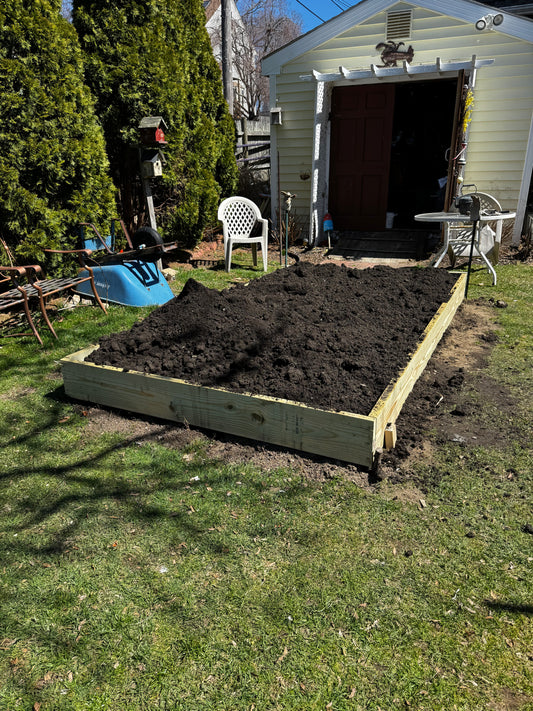
Belmont vegetable gardens — typical 200-400 sq ft fenced backyard beds with raised-bed framing — face the same August-through-April off-season question every year: leave bare? mulch? cover crop? The answer depends on goals (soil improvement vs. weed suppression vs. immediate spring use). Below is the real comparison.
The Test Setup
Two adjacent 100 sq ft Belmont vegetable beds, identical history (3 years vegetables, last test pH 6.5, organic matter 4.2%), tested over 2024-2025 winter:
- Bed A: Cover crop — Winter rye 2 lb + crimson clover 0.25 lb, broadcast late August
- Bed B: Mulch — 3 inches shredded leaves, applied early November after fall harvest
- Measured: soil organic matter, available nitrogen, weed pressure, time to plant in April
Soil Improvement Comparison
| Factor | Cover Crop | Mulch |
|---|---|---|
| Organic matter change | +0.4% (significant) | +0.1% (minor) |
| Available nitrogen (after till-in) | +25 lb N/acre (clover fixation) | 0 |
| Soil structure | Roots improve aggregation | Surface only |
| Cost per 100 sq ft | $15-25 (seed) | $20-40 (3 yds bulk shredded leaves or straw bales) |
| Spring labor | Till-in 2-3 weeks before planting | Rake off, no till needed |
| Weed suppression | Excellent in winter | Excellent in winter |
| Erosion protection | Excellent (live roots) | Good (surface only) |
The decisive factor is nitrogen fixation by clover — that's free fertility no mulch can match. The US Composting Council considers cover crops the gold standard for vegetable bed off-season management.
When Mulch Wins
Mulch is the right call in three specific scenarios:
- Bed has fall crops still growing — kale, leeks, garlic. Cover crop won't establish around them; mulch around them works.
- Bed will be planted in early spring (mid-April for cool-season crops). No time to till in cover crop and let it break down.
- Very small bed (under 50 sq ft) where cover-crop seeding logistics aren't worth the gain.
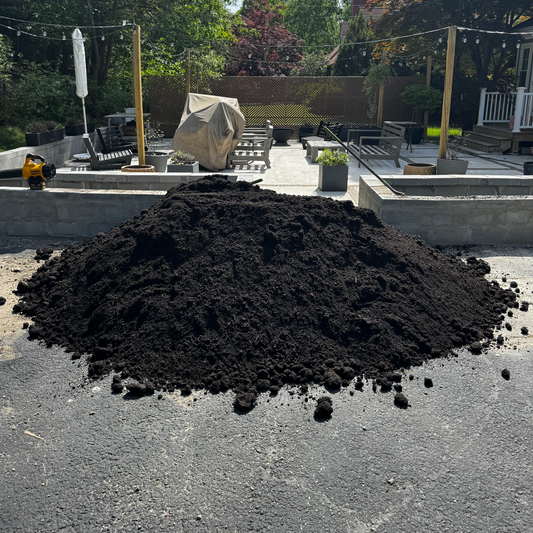
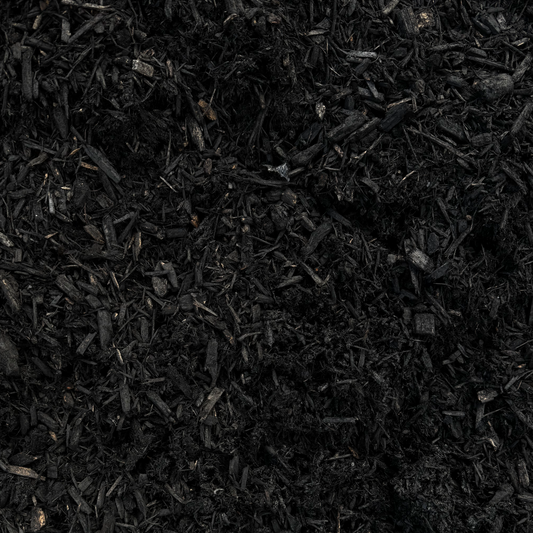
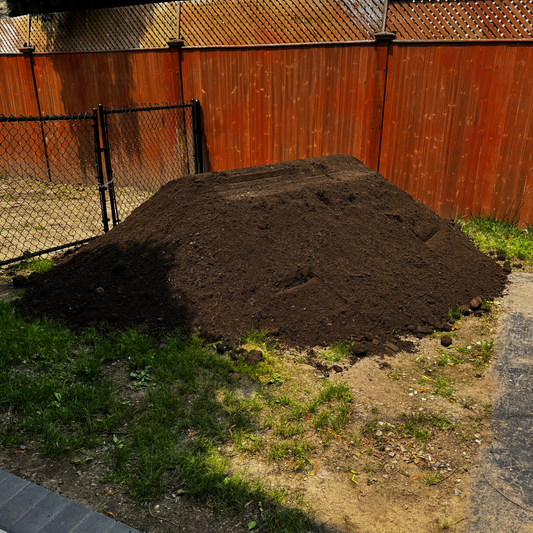
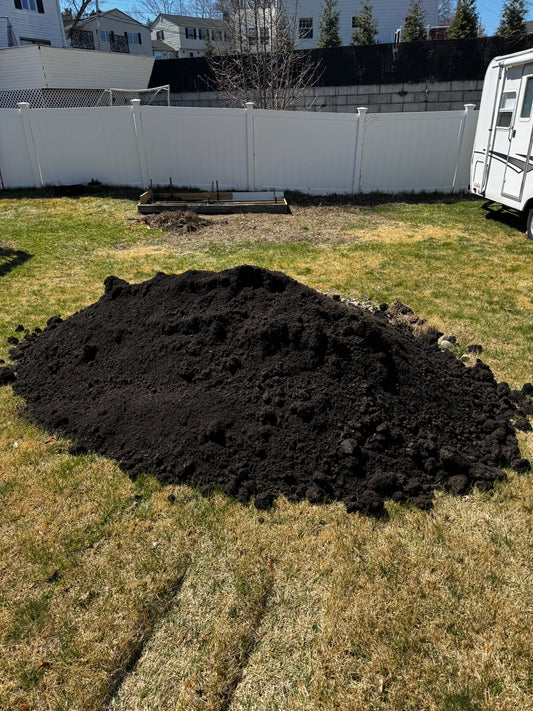
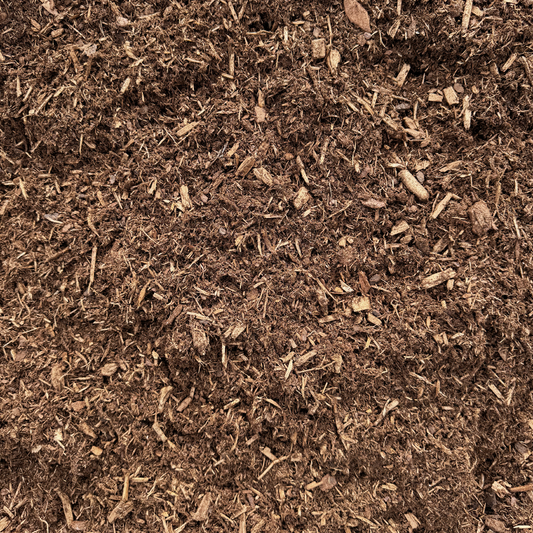
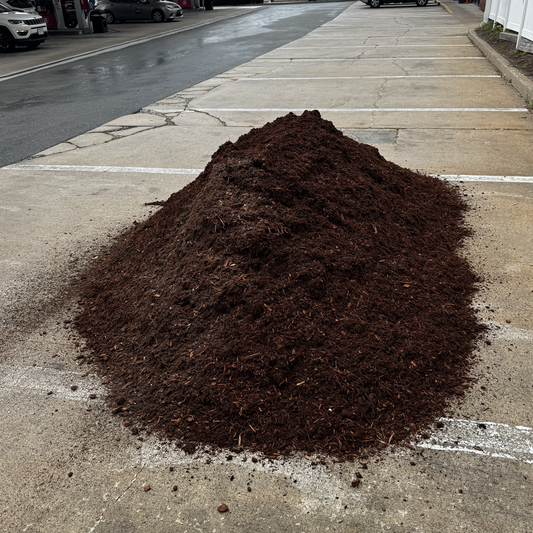
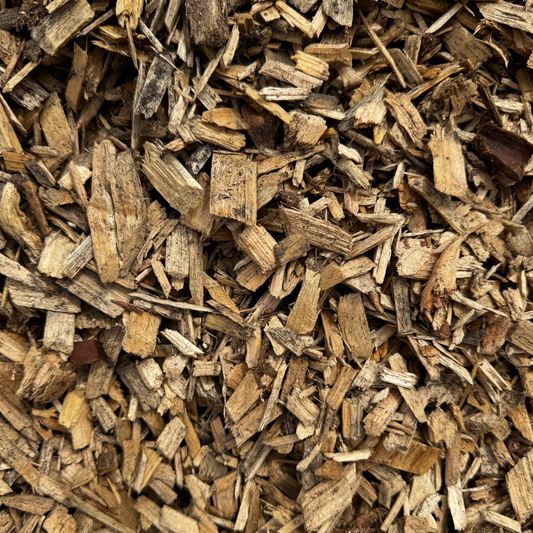
For straw or shredded-leaf mulch, browse the raised garden bed materials collection — bulk Compost top-dressing is also useful as a fall protection layer that breaks down to feed spring beds.
When Cover Crop Wins
Cover crop is the right call when:
- Bed will be empty from late August through April
- You want soil improvement, not just protection
- You're planning a heavy-feeding crop next year (tomatoes, brassicas, corn) — clover nitrogen pays back hugely
- Bed has compaction or low organic matter
Cover Crop Setup for Belmont
Timing: Seed late August through mid-September. After mid-September, winter rye still establishes but crimson clover germination drops.
Seed mix: - Winter rye: 2 lb per 100 sq ft (broadcast) - Crimson clover: 0.25 lb per 100 sq ft (broadcast separately, finer seed) - Optional: tillage radish 0.1 lb per 100 sq ft for compaction breakup
Method: 1. Clear bed of summer crop debris. 2. Loosen top 2 inches with garden fork. 3. Broadcast seed evenly. 4. Rake lightly to incorporate. 5. Water if no rain in 5 days. Rye germinates in 7-10 days.
Termination: Mow or scythe at flowering (early May), let wilt 3-5 days, till in or chop into soil. Plant warm-season vegetables 2-3 weeks after termination.
For the broader fall vegetable planning, Top 5 Fall Vegetable Crops to Plan in Melrose covers what to plant THIS fall before cover-cropping the rest.
Combined Strategy: Cover Crop + Compost
The highest-ROI Belmont strategy combines both:
- Top-dress with ½-inch Compost in late August (~$22 for ¼ yard from Ottr's bulk yard).
- Broadcast cover crop seed over compost.
- Light water to incorporate.
The compost provides immediate nutrient bump and feeds the cover crop establishment; the cover crop locks in those nutrients and adds biomass. Spring soil tests typically show 0.8-1.2% organic matter increase from this combination.
Cost Math for a Typical Belmont Bed
For a 200 sq ft Belmont vegetable bed off-season treatment:
Cover crop only: - Seed: ~$30 - Time: 30 minutes seeding, 2 hours spring termination - Soil improvement: significant
Mulch only: - 6 yards bulk shredded leaves OR equivalent straw: ~$40-80 - Time: 2 hours spreading, 30 minutes spring rake-off - Soil improvement: minor
Cover crop + compost top-dress: - ½ yard Compost (~$45) + seed ($30) = $75 - Time: 1 hour seeding/composting, 2 hours spring - Soil improvement: dramatic
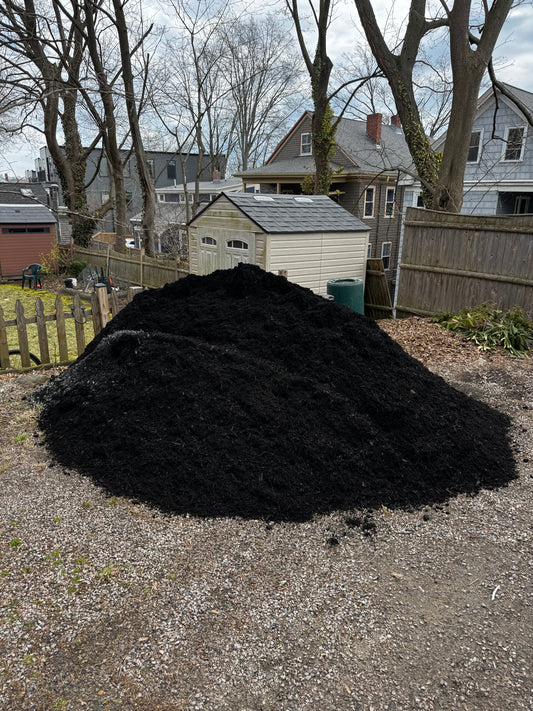
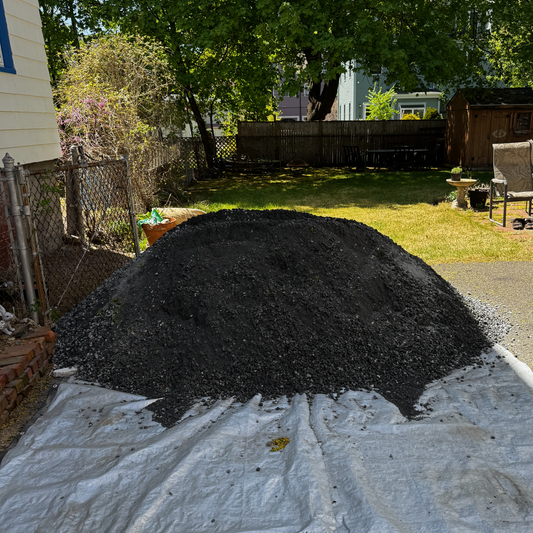
For Belmont delivery from Ottr's bulk yard, browse the Belmont landscape supply catalog.
Companion Reads
For the broader fall vegetable planning, Top 5 Fall Vegetable Crops to Plan in Melrose covers what to plant in beds you're NOT cover-cropping. For the related contractor-side late-summer pivot, Drought-Smart Service Pivots for Crews covers the parallel July-to-fall transition.
For the broader UMass guidance on cover-crop selection and termination, the UMass Extension Vegetable Program is the authoritative source for Massachusetts gardeners.
Ottr's Pick
For most Belmont vegetable beds: winter rye + crimson clover cover crop, seeded late August, top-dressed with ½ inch of Compost. Soil-improvement gains are dramatic, costs are modest, and the spring nitrogen fix from clover pays for itself in fertilizer not bought.