Quick Answer
The top 5 fall vegetable crops to plan in Melrose — Melrose Center, Wyoming, Hesseltine — sown in August and harvested through November or overwintered for spring: (1) Kale — direct-sown August 1-15, harvest October-December, (2) Spinach — sown August 25-September 10, harvest October-November and again in early spring, (3) Garlic — planted October 15-November 5, harvested next July, (4) Lettuce (cool-season varieties) — sown August 15-September 1, harvest September-October, (5) Fall peas — sown August 1-15, harvest October. Last frost date in Melrose averages October 18 — plan from there.
Why Plan Fall Vegetables at the End of July
Melrose's typical first hard frost arrives October 18-25 based on the 30-year average. That's 80-90 days from the last week of July — exactly the right window to start planning fall crops. The five below all hit harvest before frost or overwinter for early-spring harvest. Mid-August is the latest most can be sown for fall harvest; late July is the right time to plan, prep beds, and order seed.
1. Kale (Brassica oleracea var. sabellica)
Why it works in Melrose: Improves with frost — cold weather concentrates sugars in the leaves. Tolerant of light snow. Harvestable into December most years. Massachusetts native cultivars include Lacinato (Tuscan kale) and Red Russian.
Sowing date: Direct-sow seed August 1-15. Transplant starts (from a nursery or your own starts begun in mid-July) August 1-20.
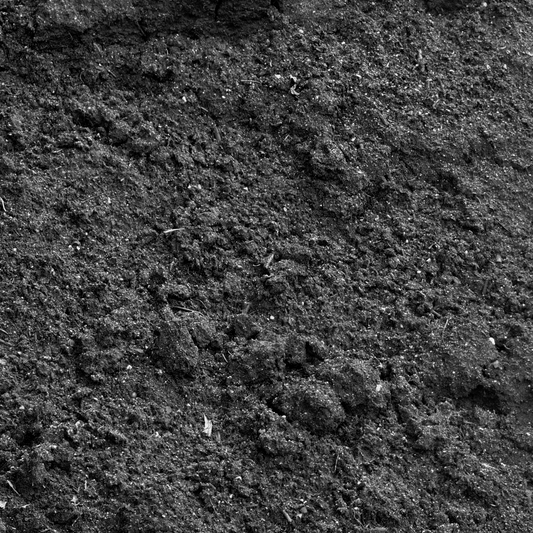
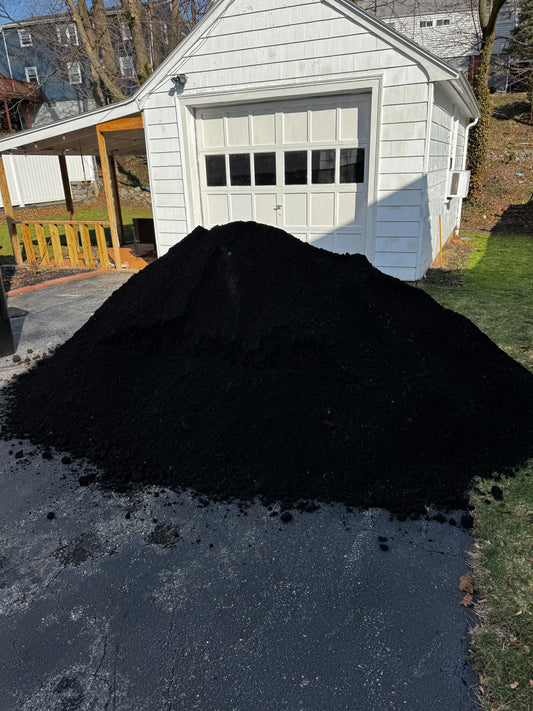
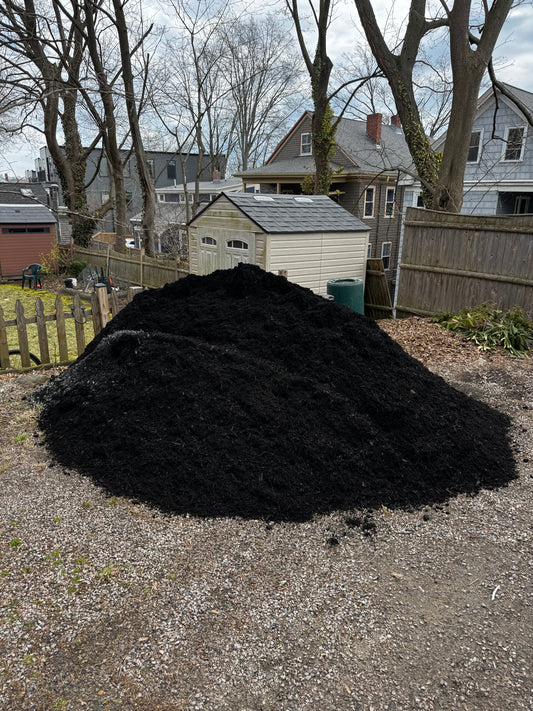
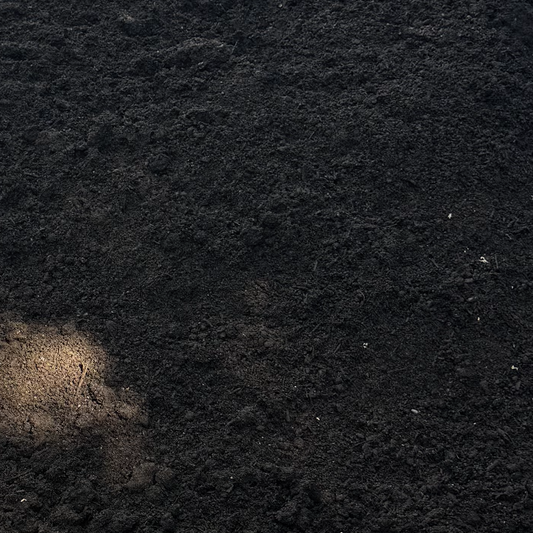
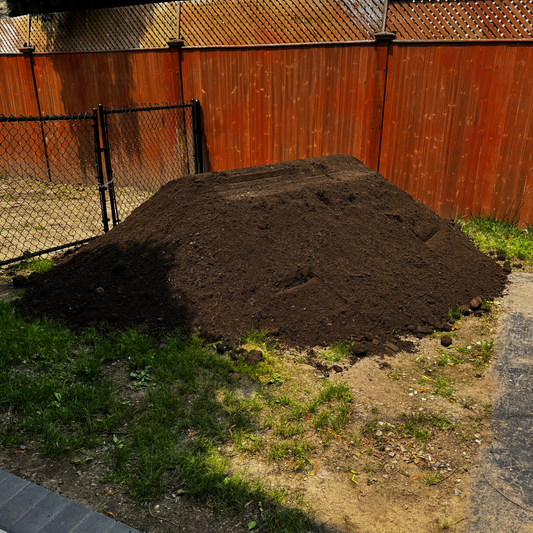
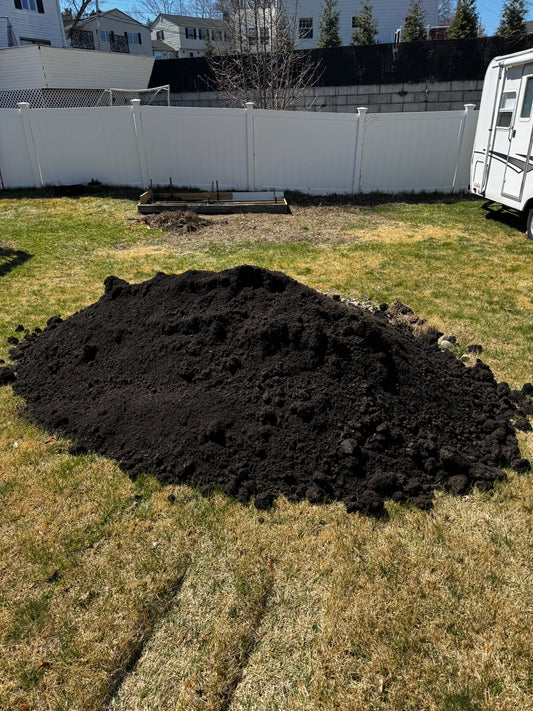
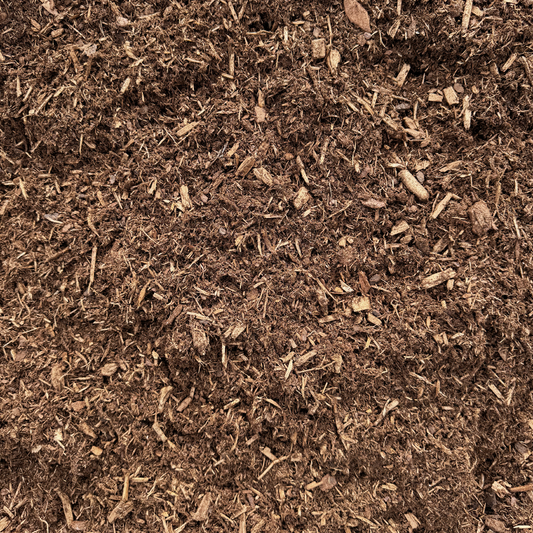
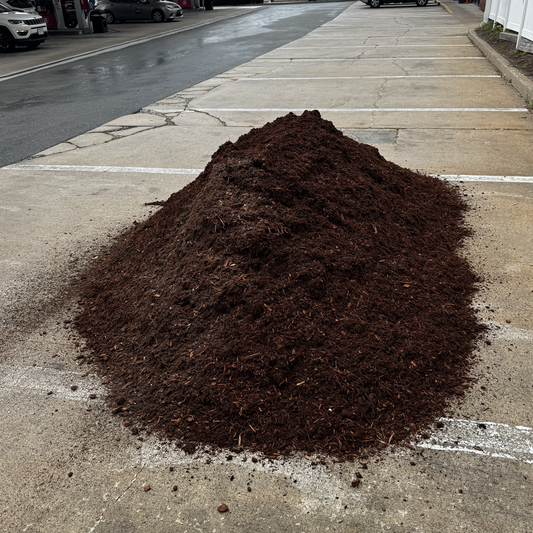
Soil prep: Incorporate ½ yard Compost per 100 sq ft into top 4 inches of bed. Browse raised garden bed materials for Compost and Garden Soil Mix.
Harvest: First leaves October 1; main harvest October 15-December 15.
2. Spinach (Spinacia oleracea)
Why it works in Melrose: Cold-tolerant. Massachusetts cool falls give spinach the long, slow growing conditions it prefers. Spring-sown spinach bolts in heat; fall is the better season.
Sowing date: Direct-sow August 25-September 10. Don't sow earlier — soil temps above 75°F suppress germination.
Soil prep: Compost amendment, slightly higher pH (6.5-7.0). Add lime if soil test shows pH below 6.5.
Harvest: Leaves October 1-November 15. Cover with row cover for additional 2-3 weeks of harvest. Some fall spinach overwinters under row cover for early-April harvest.
3. Garlic (Allium sativum)
Why it works in Melrose: Hardneck garlic varieties (Music, German Extra Hardy, Spanish Roja) are perfectly suited to Massachusetts winters. Plant in fall, mulch over, harvest the following July.
Planting date: October 15-November 5 in Melrose. The cloves need 4-6 weeks of root growth before ground freeze.
Soil prep: Compost-amended bed with Topsoil Loam ½" Screened. Plant cloves 2 inches deep, 6 inches apart. Mulch with 3-4 inches of straw or shredded leaves after ground freezes.
Harvest: Mid-July of the following year when bottom 4 leaves yellow.
For the broader Melrose Hingham/Mattapan garlic-planting question, see When Should I Plant Garlic in a Melrose Bed? for the timing-specific Q&A coming up in August.
4. Lettuce (Lactuca sativa) — Cool-Season Varieties
Why it works in Melrose: Spring lettuce bolts in June; fall lettuce thrives. Cool-season cultivars (Buttercrunch, Black-Seeded Simpson, Romaine) reach harvest size in 50-65 days.
Sowing date: Direct-sow August 15-September 1. Stagger sowings 7-10 days apart for continuous harvest.
Soil prep: Compost-rich bed, consistent moisture. Lettuce shallow-roots — keep top 2 inches of soil moist with a soaker hose.
Harvest: Cut-and-come-again leaves September 25-October 30. Heading lettuces (Romaine, Buttercrunch) mature October 15-November 5.
5. Fall Peas (Pisum sativum)
Why it works in Melrose: Less reliable than spring peas because germination needs cool soil that's hard to deliver in August, but cool-season pea varieties (Oregon Sugar Pod, Cascadia, Sugar Snap) can produce a fall harvest.
Sowing date: Direct-sow August 1-15. Pre-soak seeds 24 hours and water in heavily. Provide trellis at sowing.
Soil prep: Pea-friendly soil (pH 6.5-7.0), Compost amendment, low nitrogen (peas fix their own).
Harvest: October 1-25. Productivity is typically 40-60% of a spring crop, but the season-extension is worth it.
What ELSE Needs Planning Now
While you're planning fall vegetables, also plan:
- Bed prep timing. Beds finishing summer crops (bush beans, summer squash) by August 5 are ready for fall sowing.
- Fall fertilization. Skip nitrogen for nitrogen-fixers (peas) and root crops; light feed for greens.
- Cover crop on beds you're NOT planting. See Cover Crop vs Mulch for a Belmont Vegetable Bed for the off-season strategy.
- Garlic seed source. Order hardneck garlic by August 15 — popular varieties sell out.
Bulk Material for Fall Vegetable Prep
For a typical 200 sq ft Melrose vegetable garden converting to fall:
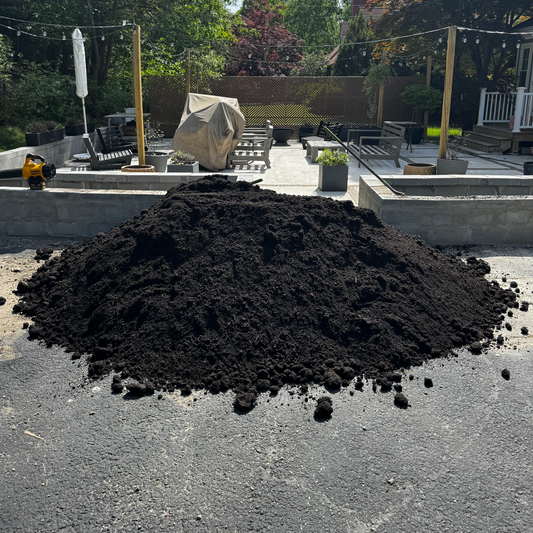
- 1 cubic yard Compost (~$90) — top-dress and incorporate
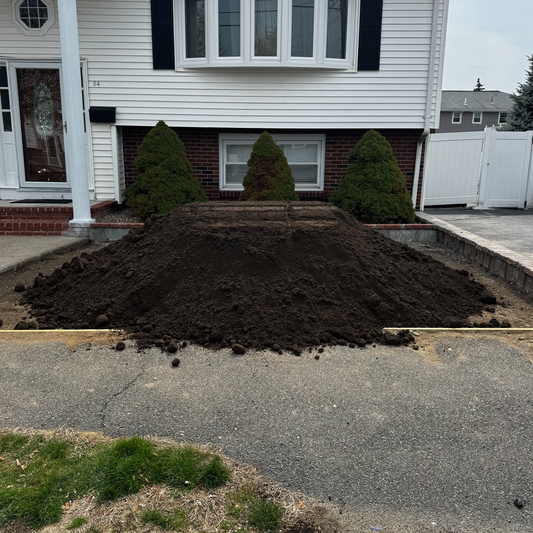
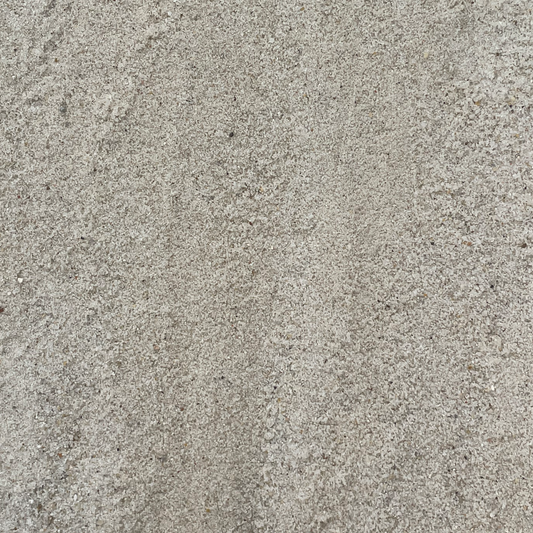
- ½ cubic yard Topsoil Loam ½" Screened (~$30) — bed level-up if needed
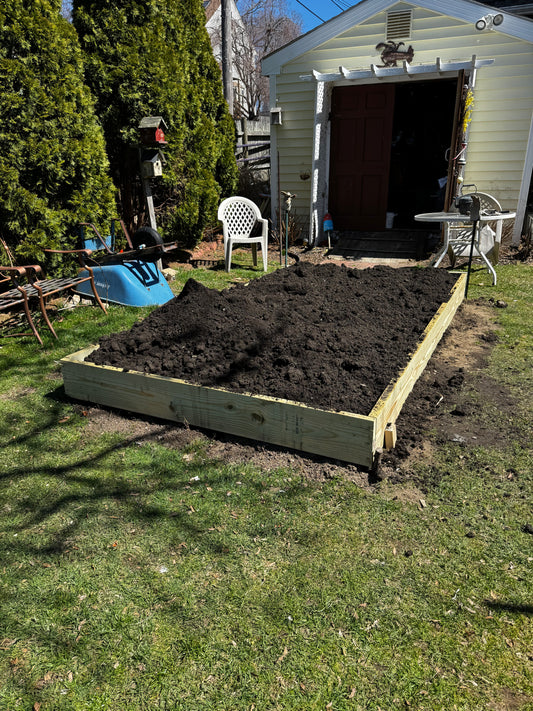
- ¼ cubic yard Garden Soil Mix (~$25) — for any new raised bed sections
- Total bulk material: ~$145 deliverable from Ottr's bulk yard
Browse raised garden bed materials for current pricing. For broader Melrose landscape supply delivery, see the regional collection.
Companion Reads
For the off-season strategy on beds you're NOT planting fall crops in, Cover Crop vs Mulch for a Belmont Vegetable Bed covers winter rye + crimson clover. For the Lawn Pest ID side of late summer, Top 5 Lawn Pests in Medford and How to Spot Them is the regional companion piece.
For UMass-authoritative fall planting calendars and variety recommendations, the UMass Extension Vegetable Program is the definitive source.