Quick Answer
The top 5 lawn pests damaging Medford lawns — Medford Square, West Medford, Wellington, Glenwood — and how to spot them: (1) Chinch Bug (drought-look damage that doesn't recover with water), (2) White Grub (lawn lifts like loose carpet), (3) Sod Webworm (small brown patches with silk-lined tunnels at the soil line), (4) Hairy Chinch Bug (sun-exposed lawn edges browning despite watering), (5) Bluegrass Billbug (random small dead patches and adult weevils on driveways). The coffee-can flotation test confirms chinch bugs in 5 minutes; a soil dig confirms grubs.
Why Medford Lawns Have These Pests
Medford's mix of urban lawns (small, often Kentucky bluegrass-heavy) and Mystic-River-adjacent properties creates a microclimate that favors several lawn pests. By the fourth week of July, most are at peak detectability. The five below cause 80%+ of Medford lawn pest damage.
1. Chinch Bug (Blissus leucopterus)
What you see: Irregular dry-looking brown patches in sunny areas, especially along south-facing edges, driveway sides, and full-sun lawn middles. Damage looks like drought but doesn't recover with watering. Patches expand outward over 2-3 weeks.
ID test (5 minutes): Cut both ends off a coffee can. Push 2 inches into soil at the EDGE of a damage patch (not the dead center). Fill with water. Within 5 minutes, chinch bugs (3mm, black with white-banded wings, fast-moving) float to the surface.
Threshold: 15+ chinch bugs in the can = treatment-worthy. Fewer = monitor.
Treatment: Insecticidal soap or pyrethrin spray on the patch edge in early morning. Avoid broad-spectrum applications.
2. White Grub — Japanese Beetle Larvae (Popillia japonica)
What you see: Lawn patches that lift like loose carpet when you tug them — roots have been severed by the grubs feeding underground. Skunks and crows tearing chunks of lawn looking for grubs is the most visible signal.
ID test: Cut a 1 sq ft section of turf with a spade, lift, count C-shaped white grubs in the top 2 inches of soil. 6-8+ grubs per sq ft = damage threshold.
Treatment: Granular chlorantraniliprole (Acelepryn-class) applied mid-July to early August. See Granular vs Liquid Grub Control for a Suffolk County Lawn for the full product comparison.
The adult-stage Japanese beetles are the metallic-green ½-inch beetles damaging roses and birch right now — see Japanese Beetle Forecast for Quincy Lawns for the Massachusetts forecast.
3. Sod Webworm (Crambus species)
What you see: Small (golf-ball to baseball-size) patches of dead-brown grass in otherwise healthy turf. Closer inspection reveals silk-lined tunnels at the soil line — webworm larvae hide in these tunnels and emerge at night to feed.
ID test: Mix 1 tablespoon dish soap in 1 gallon water, pour over a 2 sq ft area. Webworm larvae (¾-inch, gray-brown caterpillars) come to the surface within 10 minutes.
Treatment: Bacillus thuringiensis (Bt) or spinosad-based products applied evening for nocturnal feeding window.
4. Hairy Chinch Bug (Blissus hirtus)
What you see: Same as standard chinch bug — but the hairy variety prefers cool-season grasses (the Medford default) and is the more common species in Eastern Mass. Damage pattern identical: sun-exposed lawn edges browning despite watering.
ID test: Same coffee-can flotation as standard chinch bug.
Treatment: Same as standard chinch bug. The species distinction matters more for entomology than for homeowner action — they're treated identically.
5. Bluegrass Billbug (Sphenophorus parvulus)
What you see: Random small (silver-dollar-size) dead patches that don't lift like grub damage and don't have silk tunnels like sod webworm. Adult billbugs (½-inch black weevils with long snouts) walking on driveways and sidewalks in late afternoon.
ID test: Pull a brown patch — billbug-damaged stems show a fine sawdust-like frass at the base of the stem.
Treatment: Chlorantraniliprole at the same mid-July timing as grub control catches billbug larvae too. Adult sprays in spring (May) catch the egg-laying generation.
When to Call a Pro
Call a Medford lawn-care pro if:
- You see multiple pest types on the same lawn
- Damage patches exceed 25% of total lawn area
- Skunks and crows are tearing chunks of lawn nightly
- You've treated and the damage continues to expand
Most Medford pests respond to homeowner-level treatment within 2 weeks. Persistent or expanding damage suggests something else — possibly disease (brown patch, dollar spot) rather than pest.
What ISN'T On This List
For comparison, here's what causes Medford lawn damage but isn't pest-driven:
- Brown patch fungus — see How to Diagnose Brown Patch on a Worcester County Lawn
- Dollar spot fungus — see What Is Dollar Spot, and Does My Middlesex County Lawn Have It?
- Drought dormancy — see Is It Worth Watering a Brown an MA Lawn in July?
- Salt damage at curb edges from last winter
Recovery Material
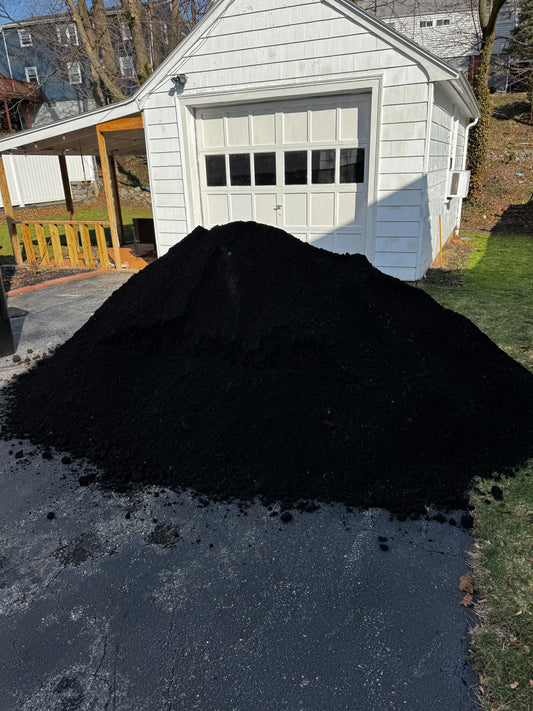
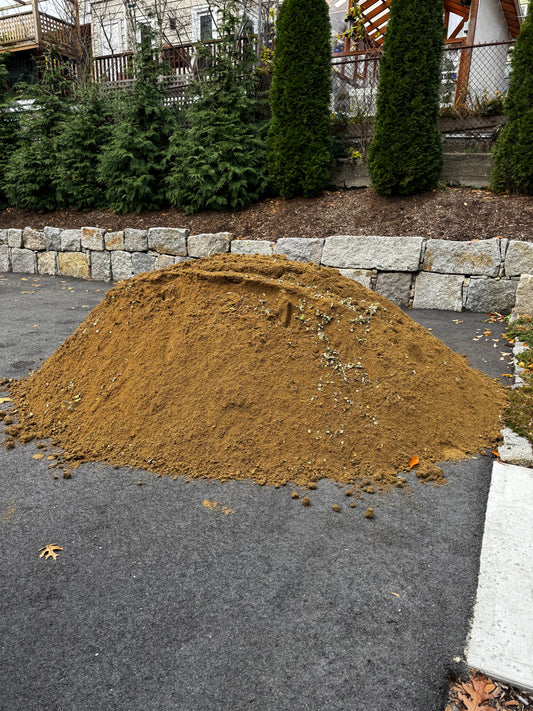
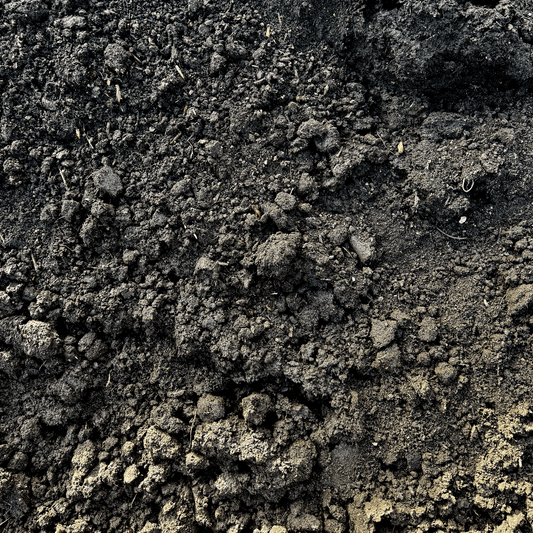
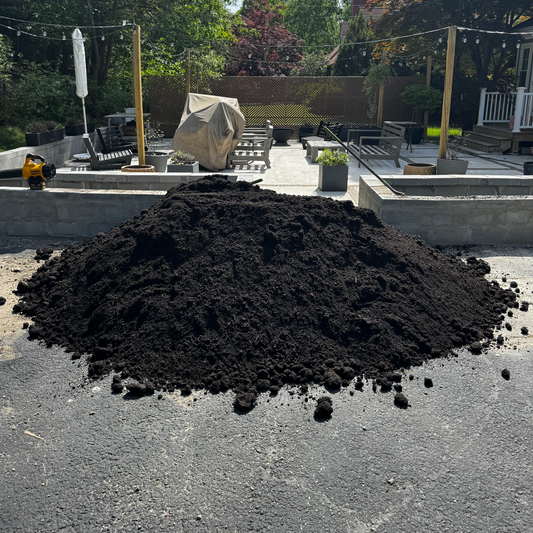
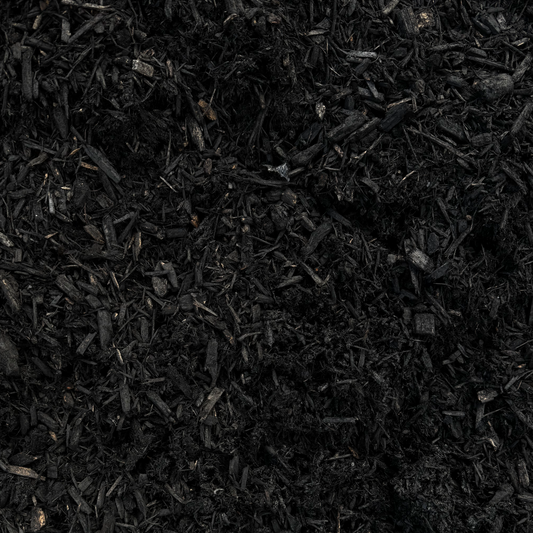
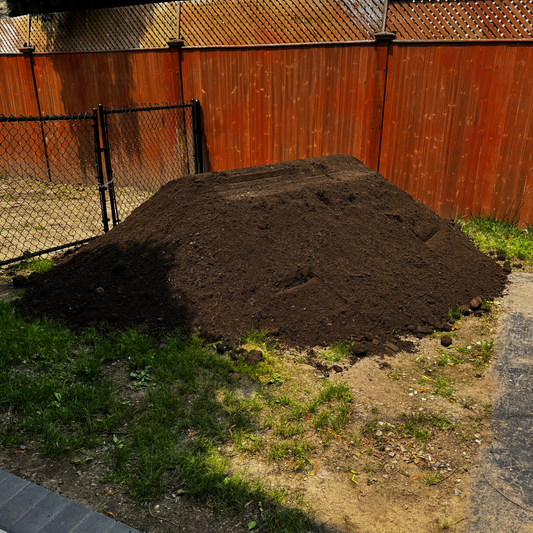
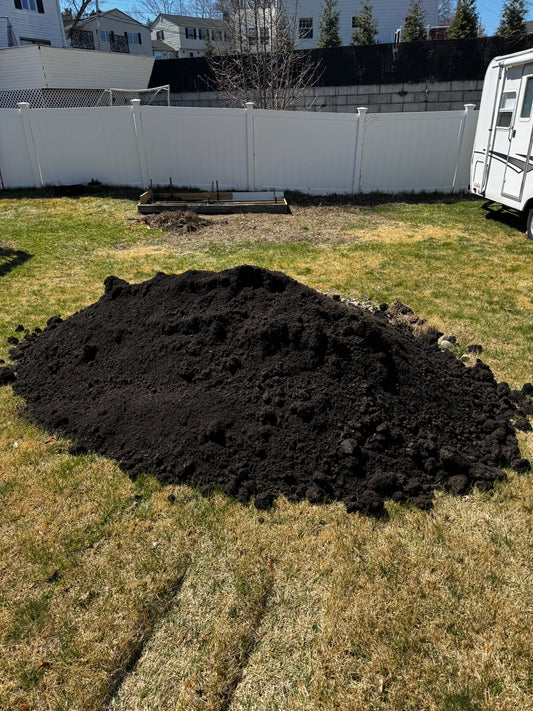
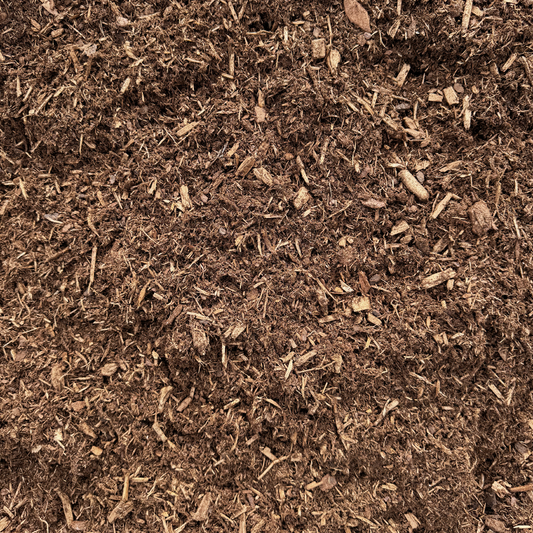
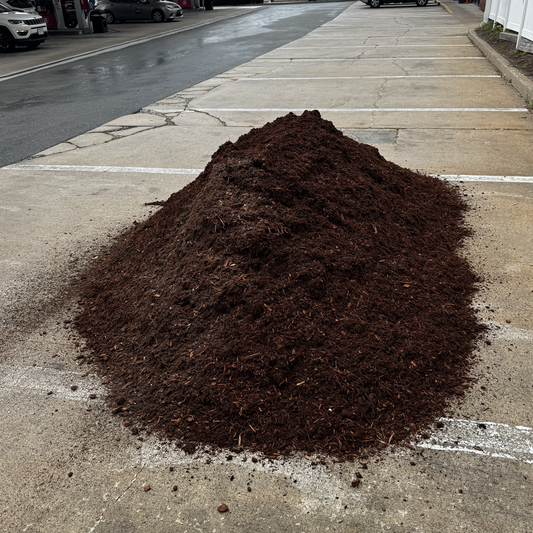
For Medford lawn-repair material to patch any spots that don't survive 2025's pest pressure, browse lawn leveling and repair — Topsoil Loam ½" Screened, Compost, and Super Loam are the standard amendments. For broader Medford landscape supply delivery, see the regional collection.
The UMass Turf Program is the authoritative source on lawn-pest ID and integrated management for Massachusetts cool-season turf.