Quick Answer
Brown patch (Rhizoctonia solani) on a Worcester County lawn — Worcester Center, Shrewsbury, Auburn, Holden, Sutton — shows three diagnostic markers: (1) roughly circular brown patches 6 inches to 3 feet across, often with a slightly greener center, (2) tan lesions with dark brown borders on individual grass blades, (3) a gray-purple "smoke ring" visible in early-morning dew at the patch perimeter during active outbreak. Only emerges after humid nights above 70°F. Heavy nitrogen fertilization is the #1 contributor. About 30 minutes to confirm diagnosis.
Why Worcester County Sees Brown Patch in Late July
Worcester County's inland location creates the right conditions for brown patch by the third week of July. Warm humid nights (70°F+ overnight lows), moderately hot days, dew that stays on grass past 8 AM. The fungus (Rhizoctonia solani) is in every Massachusetts soil all the time — it only becomes a problem when the conditions favor it AND the lawn is stressed. Worcester County hits both this week.
Supplies Checklist
- Hand lens (10x or higher) — under $15 at any garden center
- White paper for sample contrast
- Garden snips
- Notebook or phone for photo documentation
For the broader Worcester County landscape supply catalog if you end up needing material for recovery, see the regional collection.
Step 1 — Look at Patch Shape and Size
Walk to a brown area and look at the patch shape from a few feet back.
Brown patch signature: - Roughly circular (not irregular) - 6 inches to 3 feet diameter typically - Sometimes a green center (the "frog-eye" pattern) - Multiple patches often present
NOT brown patch (other causes): - Irregular, expanding patches → likely chinch bug or grub damage - Lawn-wide brown → likely drought dormancy, see Is It Worth Watering a Brown an MA Lawn in July? - Small silver-dollar-size patches → likely dollar spot, see What Is Dollar Spot, and Does My Middlesex County Lawn Have It? - Lawn lifts like loose carpet → grub damage, see Top 5 Lawn Pests in Medford and How to Spot Them
Step 2 — Examine Individual Grass Blades
Pull 5-10 brown blades from the patch edge (not the dead center). Place on white paper. Use the hand lens.
Brown patch lesions: - Tan or straw-colored lesion across the blade - Dark brown border around the lesion (key diagnostic) - Lesions on multiple blades show similar pattern
Other lesion types: - Hourglass-shaped bleached lesions = dollar spot - No lesions, just dead-from-base = grub or chinch bug
Step 3 — Check the Timing
Brown patch is weather-driven. Confirm the conditions:
- Overnight low above 70°F — required for fungal growth
- Daytime high 80-90°F — accelerates spread
- Dew that lingers past 8 AM — gives the fungus moisture to grow
If your area hasn't had these conditions, your brown patches are something else (drought, pest, or other disease).
Step 4 — Look for the Smoke Ring at Dawn
The "smoke ring" is the most distinctive brown patch diagnostic. During active outbreak:
- Walk the lawn at 5:30-6:30 AM before dew evaporates
- Look at patch perimeters in early light
- A gray-purple ring of fungal mycelium will be visible just inside the dead margin
- Smoke ring is gone by 9 AM in most weather
The UMass Turf Program considers smoke-ring presence the most definitive in-the-field diagnostic for Rhizoctonia.
Step 5 — Check Fertilizer History
Brown patch is dramatically worse on heavily-fertilized lawns. Review:
- Have you fertilized within the last 30 days? July nitrogen is a brown patch accelerator.
- What was the rate? Above 1 lb N/1,000 sq ft per application is risky in Massachusetts summer.
- Did you apply quick-release nitrogen? Slow-release (or organic) is much less risky than synthetic quick-release.
The single most effective preventive: don't fertilize Worcester County lawns in July. Wait for Labor Day.
Step 6 — Document With Photos
Photograph: - Patch shape from 5 feet away - Patch perimeter close-up showing smoke ring (if dawn) - Individual blade lesions on white paper
These photos help you confirm diagnosis later and are essential if you call a pro for treatment.
Treatment if Confirmed
If you've confirmed brown patch:
- Stop watering in the evening. Switch to 5 AM start. Wet leaves overnight feed the fungus.
- Skip fertilizer until September. Adding nitrogen now feeds the fungus faster than the grass.
- Mow at 3.5 inches with sharpened blades. Dull blade cuts invite secondary fungal entry.
- Apply fungicide if damage exceeds 15% of lawn area. Azoxystrobin (Heritage) or propiconazole (Banner Maxx) are standard. Most homeowners benefit from a pro application — see Lawn-Disease Triage Pricing for Middleborough Crews for the contractor-side.
- Plan fall renovation for any patches that don't recover by Labor Day.
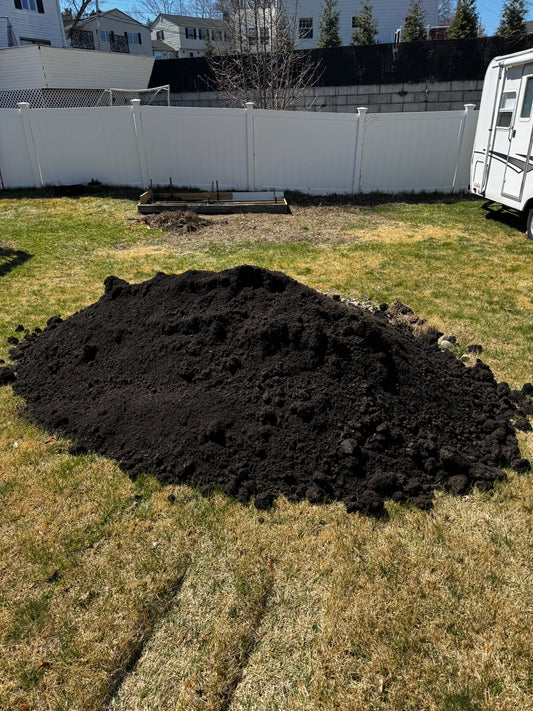
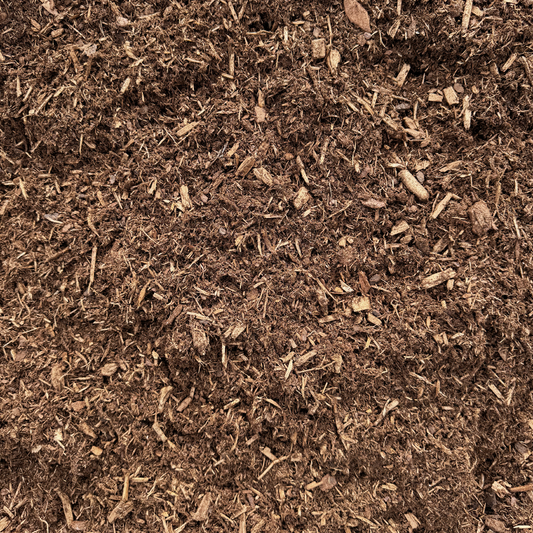
For lawn-repair material to fix patches that don't recover, browse lawn leveling and repair — Topsoil Loam ½" Screened and Compost are the standard amendments.
Companion Reads
For the dollar-spot diagnosis — the other major fungal disease appearing in Worcester County right now — see What Is Dollar Spot, and Does My Middlesex County Lawn Have It?. For the broader Conservation strategy, How to Conserve Water in a Cape Cod Yard During a Dry Spell covers the watering-pattern adjustments.
For the grub-and-pest side of late July damage, Top 5 Lawn Pests in Medford and How to Spot Them covers field IDs.