Quick Answer
Adult Japanese beetle (Popillia japonica) activity in Quincy — Wollaston, North Quincy, Quincy Center, Squantum, Houghs Neck — is at peak this week and will hold for 7-10 more days before tapering. Eggs laid this month hatch into grubs by August 5-12; mid-July through August 10 is the optimal preventive grub-control window. Hand-picking adults at 7 AM cuts the local population 60-80% across the 3-week peak. Skip Japanese beetle traps — they attract more than they catch on residential properties.
What's Happening This Week
Quincy's coastal location creates a slightly later beetle peak than inland Massachusetts. While Stoneham and Worcester County saw peak adult activity 7-10 days ago, Quincy is at peak right now. Expect:
- Heavy clustering on roses, Norway maples, river birch, linden, grape, and Japanese maple
- Skeletonized leaves (lacework pattern) on host plants
- Adults active 9 AM-4 PM in full sun, sluggish in cool/cloudy weather
- Egg-laying in nearby lawn turf, especially well-irrigated turf
The UMass Extension Landscape Japanese beetle bulletin tracks degree-day accumulation across MA — Quincy is currently on track with the 5-year average for late-July peak.
Quincy Hot Spots
Based on Ottr's customer reports and historical patterns:
- Mature Norway maples along Adams Street and Hancock Street corridors
- Rose beds in front yards across Wollaston
- River birch as front-yard specimen trees throughout North Quincy
- Grape vines in older Houghs Neck and Squantum gardens
If you have any of these on your property, expect peak activity through August 5.
What Adult Beetles Mean for Your Lawn
The adults eating leaves this week are laying the eggs that become next year's grubs. Egg-laying preferences:
- Well-irrigated lawns — eggs need moisture to survive
- Sunny lawn middles — full-shade lawns get fewer eggs
- Kentucky bluegrass-heavy mixes — preferred over fescue or zoysia
Quincy's typical lawn (irrigated KBG/fescue mix) is ideal habitat. Egg counts under hot, dry summers can be 30-50% lower than average due to egg desiccation — but with current humidity, expect average-to-high egg success.
What This Means for Grub Control Timing
For Quincy homeowners, the grub-control window is:
- July 25 – August 10: Optimal preventive treatment window. Eggs hatching, grubs small and surface-feeding, chlorantraniliprole most effective.
- August 10 – September 1: Acceptable if you missed the optimal window. Grubs slightly larger.
- September 1 onward: Curative window narrows. Most preventive products work less well.
- October–November: Trichlorfon "rescue" treatment for confirmed visible damage only.
For the full grub-control product comparison, see Granular vs Liquid Grub Control for a Suffolk County Lawn. For DIY tips, 5 Grub Control Tips for Winchester Lawns in Late July translates to Quincy directly.
What Quincy Homeowners Should Do This Week
- Hand-pick adult beetles at 7 AM. Knock into soapy water. 15 minutes per affected plant, repeated daily for 2 weeks. Cuts next year's grub population 60-80%.
- Skip Japanese beetle traps. They attract more beetles to your property than they catch.
- Verify before treating. Most lawns don't need preventive grub control. Do a 1 sq ft soil dig — fewer than 6 grubs/sq ft = no treatment needed.
- If treating, use chlorantraniliprole. Acelepryn-class products. Skip imidacloprid (pollinator concern).
- Plan fall lawn renovation for any spots damaged from prior years' grub activity.
What Ottr Is Seeing on Bulk-Material Demand
Quincy yard requests this week are running heavy on:
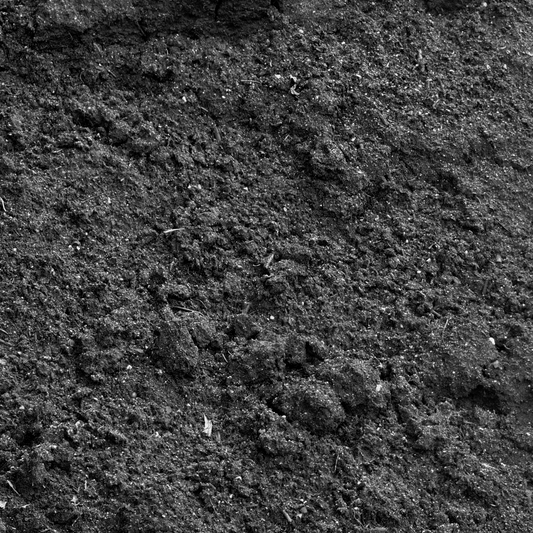
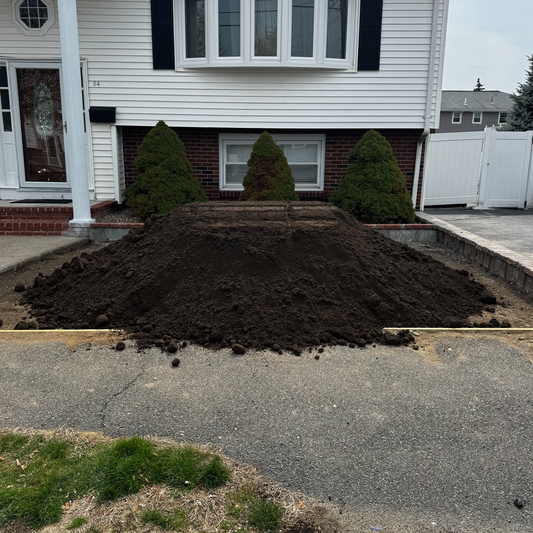
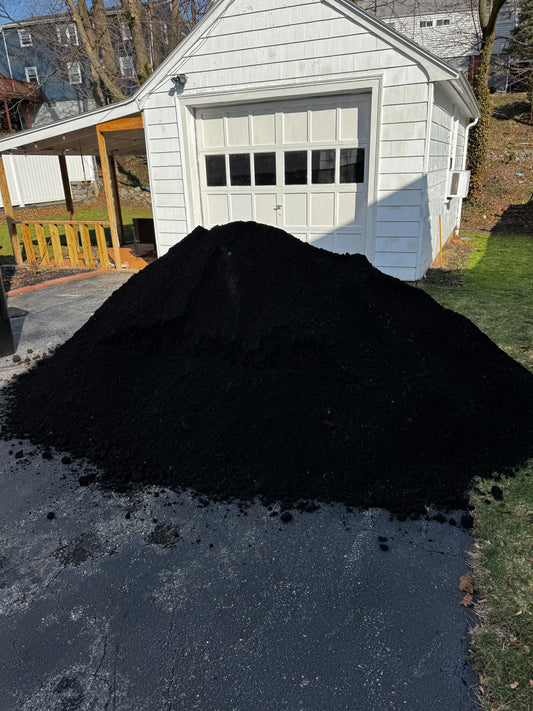
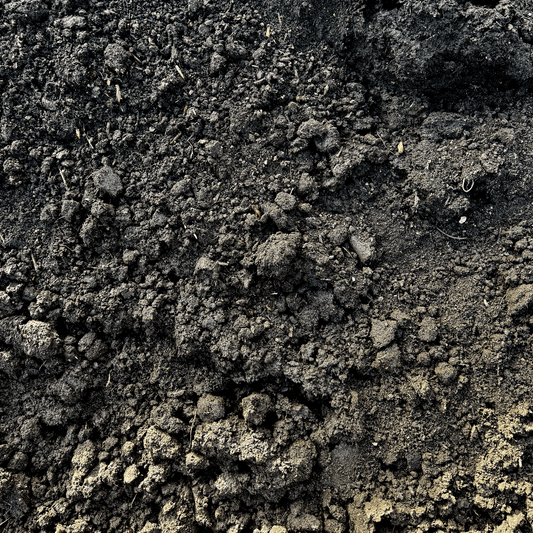
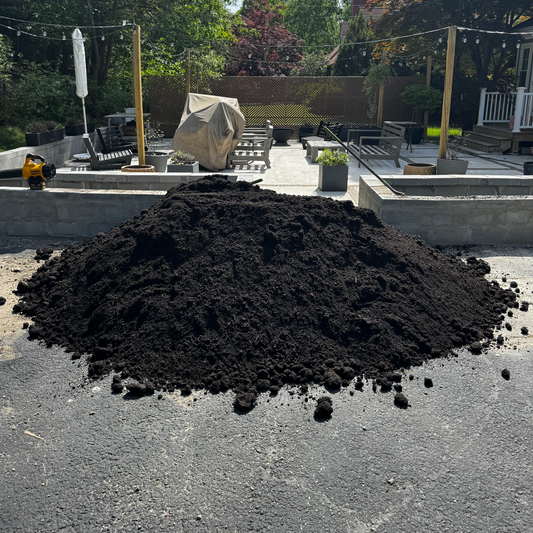
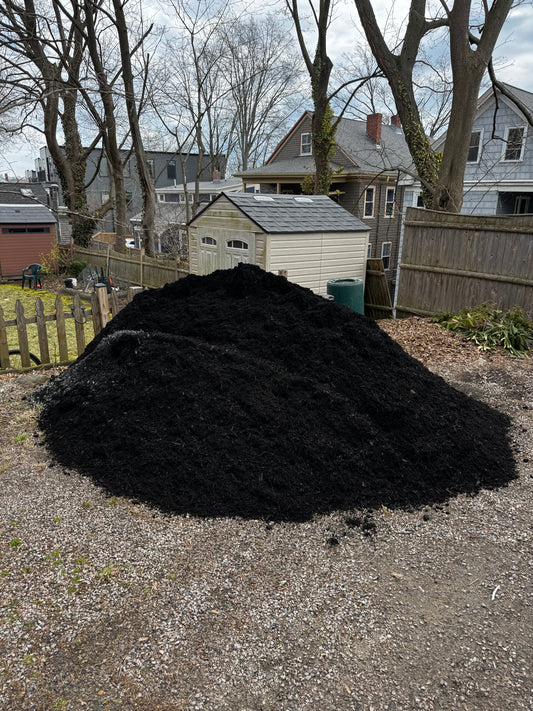
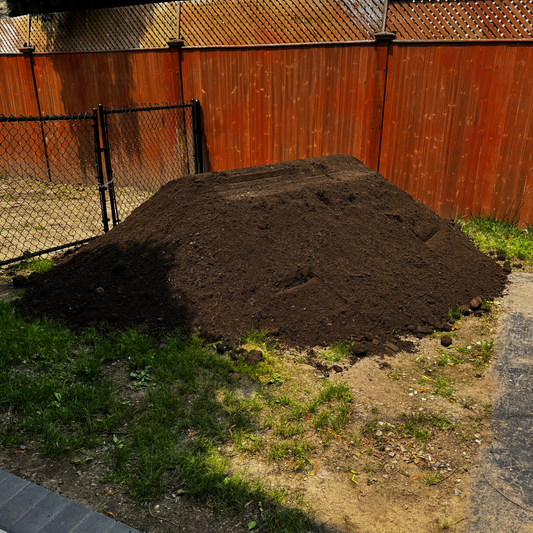
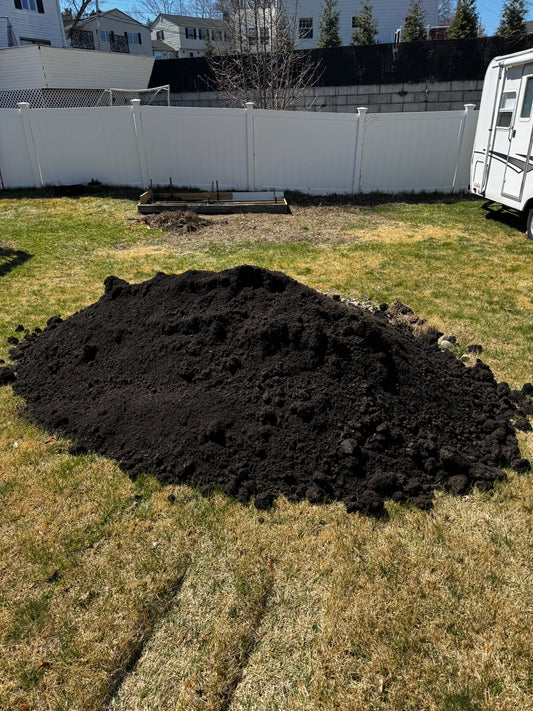
- Topsoil Loam ½" Screened — for patching grub damage from 2024 prior years
- Compost — for renovation prep ahead of September seeding
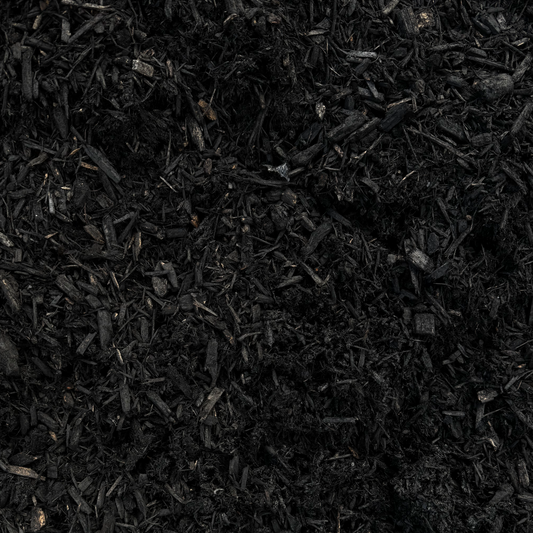
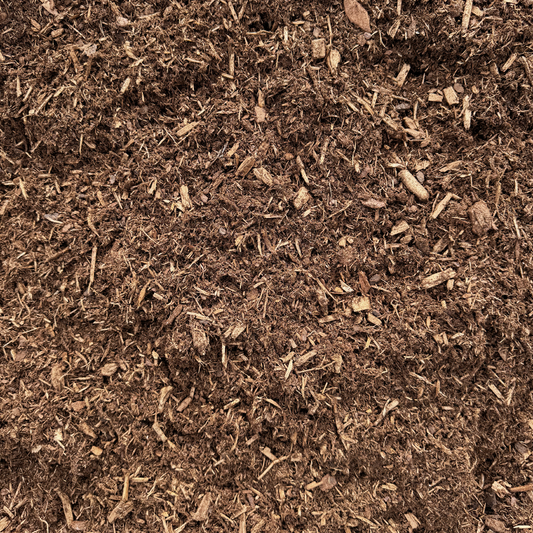
- Hemlock Mulch — top-offs to suppress moisture loss in beds where Japanese beetle adults are most damaging
Browse the Quincy landscape supply catalog. For broader lawn leveling and repair material, see the dedicated collection.
What Contractors Should Do
Quincy crews running grub-control programs should:
- Run triage visits through August 5 — 70%+ of late-July inquiries convert.
- Apply granular chlorantraniliprole July 28 - August 10 for any confirmed-damage cases.
- Pre-sell September renovation with 50% deposit on lawns showing 25%+ damage.
For the contractor-side bidding math, Lawn-Disease Triage Pricing for Middleborough Crews covers the workflow.
What's Next
By August 5-10, expect: - Adult beetle activity tapering significantly - First grubs hatched and beginning surface feeding - Brown patch fungus pressure continuing if humidity persists - Skunk and crow lawn-tearing visible on damaged-from-prior-year lawns
For the broader Massachusetts lawn-disease summer picture, July Pest Alert for Stoneham Landscapes covered the regional pest emergence. For diagnosis of fungal patches, How to Diagnose Brown Patch on a Worcester County Lawn.
The next Quincy update will run when conditions change materially.